

 Katso seinällä
 Lähetä
 Jaa
Jaa
 Tarkemmat tiedot
 Opas
Opas

 Lataa kuva
 Samanlaisia kohteita
 Röntgenkuvaus
 Diaesitys
 Tilastot
Drawing the Eel
 Oil On Canvas
- WallArt
- Dutch Golden Age
 1650
1650- Early Modern
 75.0 x 106.0 cm
 Metropolitanin museo
 Lue lisää
Käsinmaalattu öljyvärinen jäljennös
Käsinmaalattu öljyväri kankaalle haluamassasi koossa ja kehyksissä, taiteilijoidemme valmistamana tilauksesta. ( Vaihda tulosteeseen Siirry digitaaliseen kuvaan)




P118B €10

P118H €10

P118W €10

P438Z €10

P508JH €12

P508YH €12

P805H €10

P805Z €10

P919BZ €10

P919G €10

P919XJ €10

P959ZH €10

P968JZ €12

W106C €8

W218G €10

W218JH €8

W218Y €10

W307PJ €10

W316G €10

W316PJ €8

W316Y €10

W398PJ €8

W4111J €10

W500HY €15

W500JH €15

W692G €12

W849H €8

W940BG €15

W953PJ €8




Valitse valmiista mitoistamme sellaiset, jotka vastaavat teoksen alkuperäisiä mittasuhteita.

Kirjoita tarvitsemasi leveys ja korkeus, jotta teos sopii kehyskehyksiisi tai seinällesi. Koska kyseessä on käsinmaalattu teos, taiteilija voi maalata hieman enemmän kuvan ympärille tai rajata sitä hieman, jos haluat eri muotoisen koon — valinta on sinun. Lähetämme sinulle digitaalisen mallikuvan hyväksyttäväksi ennen kuin maalaus alkaa. Tällä sivulla näkyvä kuva ei vastaa lopullista tulosta — vain mallikuva näyttää sen.
Tilauksen jälkeen OriginalUniqueArt.com -tiimi lähettää asiakkaalle sähköpostitse ohjeet ja esikatselukuvan.
Maailmanlaajuinen toimitus () 3–4 viikossa tavallisen 5 viikon sijaan. (25 lokakuu). Laadusta ei tingitä.

Ilmainen pikatoimitus ympäri maailman

Korkealaatuinen pellavakangas

Kattava kuljetusvakuutus

Tulliveron palautustakuu

Takuu täydellisestä värien vastaavuudesta

100 päivän palautusoikeus valmistusvirhetapauksissa

100% rahat takaisin -takuu

Määräalennus saatavilla
 Lasivaihtoehto on saatavilla vain alle 110 cm kokoisille teoksille

Drawing the Eel
Reproduktiotapa
Replikaatin koko
-


Kokonaishinta
€ 263
A Window Into Seventeenth Century Holland
In the heart of the Dutch Golden Age, amidst a period of unprecedented maritime prosperity and cultural flowering, Salomon van Ruysdael captured more than just scenery; he captured the very soul of a nation. His masterpiece, Drawing the Eel, completed around 1650, serves as an exquisite meditation on light, observation, and the subtle grandeur found within the rhythms of everyday life. While many of his contemporaries sought to overwhelm the viewer with dramatic, idealized vistas, Ruysdael championed a remarkably restrained and intimate approach. He possessed a singular ability to render the precise nuances of natural light—particularly that soft, diffused glow filtering through an overcast sky—a technique that transforms a simple village scene into a breathing, atmospheric experience.
The painting unfolds across a wide horizontal expanse, inviting the eye to wander through a tranquil landscape where a river meanders gracefully toward the horizon. The composition is anchored by a substantial house, likely the residence of a wealthy landowner, which stands prominently on the right, its architecture reflecting the stability and burgeoning wealth of the era. Surrounding this structure, trees laden with fruit create a rich tapestry of textures, their leaves catching the light in a way that demonstrates Ruysdael’s meticulous mastery of detail. This is not merely a landscape, but a carefully constructed stage where the elements of nature and human industry exist in a delicate, harmonious balance.
The Pulse of Village Life and Festive Tradition
Beyond its serene landscape, Drawing the Eel is a vibrant chronicle of social history. The canvas is alive with the movement of a community engaged in the seasonal festivities of a clear winter day. Scattered throughout the scene are figures that breathe life into the Dutch countryside: villagers tending to livestock, children playing near the riverbank, and groups gathered around carts in moments of shared greeting. At the center of this social tapestry lies the depiction of palingtrekken, or "eel pulling," a traditional Dutch festival pastime that adds a layer of cultural depth to the work.
Every brushstroke serves to document the textures of 17th-century life, from the heavy folds of woolen clothing to the shimmering reflections on the water’s surface. The presence of boats on the river hints at the vital commerce and trade that fueled the Dutch economy, while the inclusion of cows and horses underscores the essential connection between the people and their land. For the discerning collector or interior designer, this painting offers a profound sense of narrative richness; it is a piece that rewards repeated viewing, revealing new details of human interaction and rural industry with every encounter.
A Timeless Aesthetic for the Modern Interior
For those seeking to infuse a space with historical elegance and emotional depth, a high-quality reproduction of this work offers unparalleled inspiration. The color palette—dominated by verdant greens, earthy tones, and the luminous blues of a fair-weather sky—is both soothing and sophisticated, making it an ideal centerpiece for a variety of interior styles, from classical traditionalism to contemporary organic modernism. The painting’s ability to evoke a sense of tranquility and nostalgia allows it to act as a "window," expanding the perceived boundaries of a room and bringing the peaceful spirit of the Dutch countryside indoors.
Owning a piece that echoes the mastery of Salomon van Ruysdael is an opportunity to celebrate the enduring power of observation. This artwork does not demand attention through grandiosity, but rather earns it through its quiet, persistent beauty. It remains a testament to a time when art was used to find the extraordinary within the ordinary, making it a timeless acquisition for anyone who appreciates the profound impact of light, landscape, and the human story.
Kysymykset ja vastaukset
Mihin sävyyn "Drawing the Eel" kallistuu?
Teoksen Salomon Van Ruysdael:n "Drawing the Eel" hallitseva sävy on Warm Sunset Tones. Tämä sävy on paletin perussävy.
Käyttääkö teos Salomon Van Ruysdael:n "Drawing the Eel" voimakkaita kontrasteja vai pehmeitä harmonioita?
Teoksen Salomon Van Ruysdael:n "Drawing the Eel" värianalyysi osoittaa Statement kontrastin ja Discordant Palette harmonian.
Onko Salomon Van Ruysdael:n "Drawing the Eel" pysty-, vaaka- vai neliökompositio?
Teoksella Salomon Van Ruysdael:n "Drawing the Eel" on Landscape -muoto. Muoto kuvaa sommittelun mittasuhteita.
Taiteilijan elämäkerta
Hollannin maisemamaalauksen hienovaraisuuden mestari: Salomon van Ruysdaelin elämä
Seitsemäntuhannenluvun Hollannin kultakaudella, aikana, jota määrittivät ennennäkemätön vauraus ja taiteellinen kukoistus, Salomon van Ruysdael nousi esiin maalarina, jolla oli syvä ilmakehän tuntemus. Naardeniin noin vuonna 1602 syntyneen elämä kietoutui tiiviisti hollantilaisen kultakauden rakenteisiin. Vaikka historia heittää usein pitkän varjon hänen kuuluisamman veljensä, Jacob van Ruisdaelin, ylle, Salomon loi itselleen erillisen ja korvaamattoman paikan maisemamaalauksen historiassa. Hänen työnsä ei ainoastaan kuvaa maata; se vangitsee hollannin maaseudun elävän olemuksen, jossa valo ja vesi suorittavat hiljaista, ikuista tanssiaan kankaalla.
Hänen taiteelliset perusteensa luotiin kotitaloudessa, jossa käsityötaito ja tarkkuus olivat ensisijaisia. Hänen isänsä, Jacob Jansz de Gooyer, oli taitava puuseppä, joka erikoistui monimutkaisiin eebenpuisiin kehyksiin, joissa säilytettiin aikakauden arvokkaimpia peilejä ja maalauksia. Tämä varhainen altistuminen kehystämisen huolellisille yksityiskohdille istutti Salomoniin todennäköisesti elinikäisen kunnioituksen tekstuuria ja rakenteellista eheyttä kohtaan. Vaikka hänen muodollinen koulutuksensa oli yllättävän laaja – sisältäen latinan kielen monimutkaisuutta ja jopa lääketiedettä – hänen sydämensä pysyi sidottuna visuaaliseen maailmaan. Liittymällä arvostettuun Haarlemin Pyhän Luukkaan kiltaan vuonna 1623 hän astui luojien eliittipiiriin, päätyen mestareiden, kuten Jan Porcellisin ja
Esaias van de Velden, suoraan vaikutuspiiriin. Nämä mentorit, ilmakehän perspektiivin ja havainnoivaan realismiin perustuvan taiteen puolustajat, tarjosivat teknisen sanaston, jota Salomon käytti myöhemmin tyynien, vesikeskeisten näkymiensä säveltämiseen.
Veden ja valon sinfonia
Salomon van Ruysdaelin todellinen mestaruus piilee hänen kykyssään kuvata hollannin ilmakehän katoavia ominaisuuksia. Toisin kuin monet hänen aikalaistensa, jotka etsivät dramaattisia, laajoja näkymiä tai raivoisia myrskyjä, Salomon löysi suurimman inspiraationsa sisävesien rauhasta. Hänen kompositiot keskittyvät usein jokien rytmiseen virtaukseen ja järvien tyyneen laajuuteen, missä taivas ja vesi kohtaavat saumattomana siirtymänä hillittyjä sävyjä ja pehmeää valoa. Mestariteoksissa, kuten River View near Deventer, voi havaita, kuinka hän hyödyntää herkkää palettia herättääkseen hollannin kostean ja viileän ilman, kutsuen katsojan astumaan syvän hiljaisuuden hetkeen.
Hänen tekninen taituruutensa on erityisen näkyvää merellisten ja jokimaisten aiheiden käsittelyssä. Teoksissa, kuten Sailing Vessels on an Inland Body of Water, hän osoittaa vertaansa vailla olevaa kykyä vangita veneiden paino ja liike tyynissä virtauksissa. Inhimillisten elementtien integrointi – kuten kalastajien hienovarainen läsnäolo teoksessa River with Fishermen – ei ole koskaan tunkeilevaa; pikemminkin nämä hahmot toimivat mittakaavan antajina ja tuovat maisemaan elävän todellisuuden tuntua. Hänen siveltimellään vesi muuttuu enemmän kuin vain pinnaksi; siitä tulee peili, joka heijastaa vaihtuvia pilviä ja sitä pehmeää, hajanaista valoa, joka on tyypillistä hollannin taivaalle.
Perintö ja taiteellinen merkitys
Salomon van Ruysdaelin historiallinen merkitys perustuu hänen rooliinsa ilmakehän maisemamaalauksen uranuurtajana. Hän siirtyi aikakausien jäykistä, topografisista kuvauksista kohti luonnon emotionaalisempaa ja aistillisempaa kokemista. Hänen kykynsä yhdistää asetelmamallisten elementtien tarkkuus maisemamaalauksen laajuuteen loi ainutlaatuisen estetiikan, joka resonoi hollannin keskiluokan kanssa, joka etsi taidetta, joka heijastaisi heidän omaa rauhallista ja ahkeraa ympäytään.
Nykyään hänen perintönsä on säilynyt joissakin maailman arvostetuimmista instituutioista, mukaan lukien Museo Thyssen-Bornemisza. Van Ruysdaelin teoksen tutkiminen on kuin opetus kärsivällisyydessä ja havainnoinnissa. Hänen työnsä pysyy todistuksena hillityssä löytyvästä kauneudesta, muistuttaen meitä siitä, että syvimmät taiteelliset totuudet löytyvät usein joen hiljaisimmista heijastuksista tai laskevan auringon pehmeimmästä hehkusta. Hänen panoksensa hollannin kultakaudelle säilyy olennaisena lukuna tarinassa siitä, kuinka ihmiskunta oppi näkemään maailman ei vain sellaisena kuin se on, vaan sellaisena kuin se tuntuu.
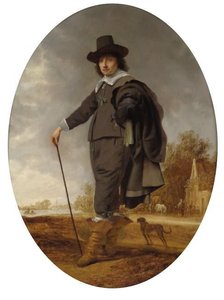
Salomon Van Ruysdael
1602 - 1670 , Alankomaat
Tietoa taiteilijasta
- Artistic Movement Or Style: Hollannin kultakauden maisemamaalaus
- Artists Or Movements Influenced By This Artist: ['Jacob Van Ruisdael']
- Artists Who Influenced This Artist:
- Jan Porcellis
- Esaias van de Velde
- Date Of Birth: Naarden, Alankomaat (1602)
- Date Of Death: 3. marraskuuta 1670
- Full Name: Salomon van Ruysdael
- Nationality: Hollantilainen
- Notable Artworks:
- Jokimaisema
- Lautta lähellä Gorinchemiä
- Näkymä Deventeristä
- Place Of Birth: Naarden
Aiheeseen liittyvät artikkelit
Nicolaes Berchem: Dutch Golden Age Pastoralism & the Evolution of Landscape Painting
Explore the captivating world of Nicolaes Berchem, a leading Dutch Golden Age painter. Discover his idyllic landscapes, masterful technique & lasting influence on art history. Learn more at OriginalUniqueArt.

Golden Light & Dutch Skies: Bringing the Magic of Dutch Golden Age Landscapes into Your Home
Transform your home with the breathtaking light of Dutch Golden Age landscapes. Discover how hand-painted oil reproductions of masterworks like Ruisdael and Vermeer bring timeless elegance, atmosphere, and soulful texture to modern interiors. Elevate your space with museum-quality art.
Charles Leickert: Capturing the Dutch Golden Age Light – A Comprehensive Study of Technique, Context, and Legacy
Explore the captivating winter landscapes of Charles Leickert, a master of Dutch Golden Age light & atmosphere. Discover his techniques, symbolism, and lasting legacy – a comprehensive study for art enthusiasts and collectors.

Hollantilaisen kultakauden 10 mestariteosta – Taidetta kotiisi OriginalUniqueArt.com
Uppoudu hollantilaisen kultakauden taiteen maailmaan! Tutustu Rembrandtin, Vermeerin ja muiden mestareiden ikonisiin maalauksiin. Löydä inspiraatiota kotiisi OriginalUniqueArt.com:ista – laadukkaat taidevedokset ja sisustustaulut jokaiseen tilaan. Explore the full collection online!

Golden Light & Dutch Skies: The Timeless Magic of Dutch Golden Age Landscapes
Discover the breathtaking beauty of Dutch Golden Age landscapes. Explore the mastery of light, chiaroscuro, and 17th-century realism through an expert art history lens, celebrating the enduring legacy of the Dutch Masters for discerning collectors and art lovers.