

 Esikatselu
 Jaa teos
 Jaa
Jaa
 Tiedot
 Opas
Opas

 Lataa kuva
 Samanlaisia kohteita
 Röntgenkuvaus
 Diaesitys
 Q&A
Q&A Tilastot
Who comes?
 Oil
Oil- WallArt
 1908
1908- 19th Century
 542.0 x 810.0 cm
 National Gallery of Australia
 Lue lisää
Giclée- ja taideprintit
Museolaatuisia giclée- tai kankaitaulun tulosteita nopealla tuotannolla ja joustavilla viimeistelyvaihtoehdoilla. ( Osta käsinmaalattu taideteos Siirry digitaaliseen kuvaan)




P118B €10

P118H €10

P118W €10

P438Z €10

P508JH €12

P508YH €12

P805H €10

P805Z €10

P919BZ €10

P919G €10

P919XJ €10

P959ZH €10

P968JZ €12

W106C €8

W218G €10

W218JH €8

W218Y €10

W307PJ €10

W316G €10

W316PJ €8

W316Y €10

W398PJ €8

W4111J €10

W500HY €15

W500JH €15

W692G €12

W849H €8

W940BG €15

W953PJ €8




Valitse valmiista mitoistamme sellaiset, jotka vastaavat teoksen alkuperäisiä mittasuhteita.

Syötä tarvitsemasi leveys ja korkeus, jotta tuloste sopii kehyksiisi tai seinällesi. Tulostetta voidaan vain leikata, sitä ei voida koskaan suurentaa alkuperäistä kuvaa suuremmaksi, joten eri muotoinen koko aiheuttaa osan kuvasta katoamisen. Lähetämme sinulle digitaalisen mallikuvan hyväksyttäväksi ennen kuin aloitamme tulostuksen. Tällä sivulla näkyvä kuva ei näytä lopullista rajausta — vain mallikuva näyttää sen.
Maailmanlaajuinen toimitus () 2 viikossa tavallisen 4–5 viikon sijaan. (29 lokakuu)

Ilmainen pikatoimitus ympäri maailman

Korkealaatuinen pellavakangas

Kattava kuljetusvakuutus

Tulliveron palautustakuu

Takuu täydellisestä värien vastaavuudesta

100 päivän palautusoikeus (vain valmistusvirheet)

100% rahat takaisin -takuu

Määräalennus tarjolla
 Lasivaihtoehto on saatavilla vain alle 110 cm kokoisille teoksille

Who comes?
Giclée- ja taideprintit
Replikaatin koko
-


Kokonaishinta
€ 71
Kysymykset ja vastaukset
Onko "Who comes?"-teoksen luoja Rupert Charles Wulsten Bunny tunnettu myös muilla nimillä?
Muita teoksen "Who comes?" tekijälle Rupert Charles Wulsten Bunny rekisteröityjä nimiä ovat Bunny.
Mistä voin nähdä esikatselun teoksesta "Who comes?"?
"Who comes?"-teoksen Esikatselu tilassa -sivulla voit esikatsella teosta ennen tilaamista.
Voiko teoksen "Who comes?" nähdä lisätyn todellisuuden (AR) esikatseluna?
Voit esikatsella teosta Rupert Charles Wulsten Bunny:n "Who comes?" omalla seinälläsi käyttämällä lisättyä todellisuutta yhteensopivalla laitteella Tarkastele teosta AR-tilassa -sivun kautta.
Taiteilijan elämäkerta
nuoruus ja koulutus
rupert charles wulsten bunny, australialainen taiteilija, syntyi St Kildaissa, Victoriassa, vuonna 1864. hän sai perinteisen ja akateemisen taidekoulutuksen calderonin ja laurensin johdolla. tämä vankka perusta palvelisi häntä myöhemmin erinomaisesti hänen menestykessä urallaan ulkomailla asuvana taiteilijana vuosisadan vaihteen pariisissa.saavutukset ja tunnustukset
bunny's taiteellinen taituruus huomioitiin jo varhain, kun hän sai kunnialliset maininnat ranskalaisessa salongissa vuonna 1890 teoksestaan tritons. hän vahvisti mainettaan entisestään voittamalla pronssimitalin vuoden 1900 pariisin maailmannäyttelyssä teoksellaan burial of st catherine of alexandria. ranskalaiseen valtioon hankki 13 hänen teostaan, mukaan lukien niitä, jotka sijaitsevat nykyään musée du luxembourgissa ja muissa alueellisissa kokoelmissa.taiteellinen tyyli ja teemat
taidekriitikoiden mukaan bunny oli "ylellinen värien mestari ja loistavasti oppinut ihanteellisten teemojen maalaaja". hänen työnsä esittivät usein naisryhmiä rentoutumassa, unekslemassa tai pukeutumassa ja riisuutumassa vesistöjen äärellä, näyttäen ainutlaatuna sekoituksena symbolismia ja estetiikkaa.- merkittäviä teoksia:
- endormies (national gallery of victoria, melbourne, australia)
- sea idyll (national gallery of victoria, melbourne, australia)
- pastoral (national gallery of australia, canberra, australia)
perintö ja digitaalinen läsnäolo
nykyään bunny'n teoksia löytyy useista museoista ja verkkopalveluista. niille, jotka ovat kiinnostuneita tutkimaan hänen taidettaan lisää, [https://OriginalUniqueArt.com/@/rupert-charles-wulsten-bunny](https://OriginalUniqueArt.com/@/rupert-charles-wulsten-bunny) tarjoaa laajan kokoelman hänen maalauksiaan, mukaan lukien endormies, sea idyll ja pastoral. nämä teokset ovat myös ostettavissa museolaatuisina reproduktioina osoitteessa /en/art/show/art-8xyffg-en/johtopäätös
rupert charles wulsten bunny, australialainen maalaaja St Kilstasta, Victoriasta, jätti pysyvän jäljen taidemaailmaan ylellisellä ja oppineella tyylillään. hänen perintönsä jatkaa inspiroimista teostensa kautta, jotka ovat nykyään helposti saatavilla osoitteessa [https://OriginalUniqueArt.com](https://OriginalUniqueArt.com).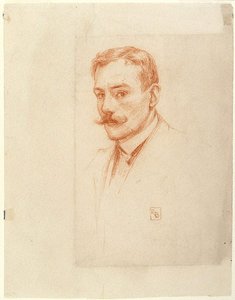
Rupert Charles Wulsten Bunny
1864 - 1947 , Australia
Aiheeseen liittyvät artikkelit
Elegantin taidetta: 10 mestariteosta kotiisi – OriginalUniqueArt.com
Löydä 10 eleganttia mestariteosta, jotka henkivät hienostuneisuutta ja tunnelmaa! Tutustu taiteilijoiden tarinoihin, impressionismin värimaailmaan ja renessanssin loistoon. Taideteokset kotiisi – OriginalUniqueArt.com.
The Allure of Elegance: Exploring Artistic Representations of Refinement Across Movements
Explore the captivating history of elegance in art, from Rococo's grace to Romanticism’s passion. Discover investment-worthy masterpieces & expert guidance for building your collection with OriginalUniqueArt.
Sir Joshua Reynoldsin mestariteokset: Taidetta ja eleganssia kotiisi – OriginalUniqueArt.com
Tutustu Sir Joshua Reynoldsin 25 upeimpaan mestariteokseen! Uppoudu brittiläisen taiteen klassismiin ja rokokoon – muotokuvista historiallisiin maalauksiin. Löydä inspiraatiota sisustukseesi OriginalUniqueArt.com:sta, jossa on korkealaatuisia taideteosten toistoja. Tutki kokoelma verkossa!

The Allure of Elegance in Art: A Historical & Aesthetic Exploration of Refined Beauty
Explore the history of elegance in art! Discover Rococo masterpieces & key artists. Expert insights for discerning collectors seeking investment-worthy artworks and custom reproductions at OriginalUniqueArt.

The Allure of Elegance in Art: A Historical & Aesthetic Exploration of Refinement & Grace
Explore the exquisite world of Rococo art! Discover its history, masters (Watteau, Boucher & more), and defining elegance. Expert insights for collectors seeking museum-quality reproductions & custom portraits.

