Contemporary Minimalism · 2010
Untitled (Rudolf Stingel, 2010)
Rudolf Stingel (1956) on luonut teoksen Untitled. Se on peräisin vuodelta 2010. Se kuuluu Contemporary Minimalism-liikkeeseen. Se on valmistettu materiaalilla Acrylic On Canvas. Teos sijaitsee Palazzo Grassi -museossa paikassa Venetsia, Italia. Koko on 40 × 33 cm.
- 2010
- Acrylic On Canvas
- 40 × 33 cm
- Palazzo Grassi, Venetsia

 Esikatselu

 Käsinmaalattu öljymaalaus
 Jaa teos
 Jaa
 Tiedot-arkki


 Lataa kuva
 Samanlaisia kohteita
 Röntgenkuvaus
 Diaesitys
 Kysymykset ja vastaukset

 Tilastot
Untitled lyhyesti
- Otsikko
- Untitled
- Taiteilija
- Rudolf Stingel (1956)
- Taiteilija syntynyt
- Meran, Italia
- Päivämäärä
- 2010
- Tekniikka
- Acrylic On Canvas
- Mitat
- 40 × 33 cm
- Missä teos on nähtävissä
- Palazzo Grassi, Venetsia, Italia
- Tyylisuunta
- Contemporary Minimalism
- Aihe
- texture, monochrome, sculpture, rhino, geometric, impasto
Mitä Untitled esittää?
Rudolf Stingel’s ‘Untitled’: A Dialogue Between Medieval Iconography and Industrial Texture
Rudolf Stingel's oeuvre defies easy categorization, presenting an artist who consistently interrogates the boundaries between art and everyday life. His work isn’t merely aesthetically pleasing; it compels viewers to contemplate their own perceptions of beauty and artistic process—a deliberate provocation that distinguishes him from many contemporary practitioners. This essay delves into the conceptual core of ‘Untitled,’ examining its striking monochrome sculpture, exploring its fusion of disparate influences, and uncovering the profound emotional resonance embedded within its textured surface.The Sculpture’s Genesis: Material Transformation
Stingel's artistic approach begins with a radical reimagining of conventional materials. Rather than relying on traditional mediums like oil paint or marble, he utilizes industrial components—primarily styrofoam and cast polyurethane—to construct monumental sculptures that challenge preconceived notions about artistic expression. This deliberate selection speaks to Stingel’s fascination with the intersection between craft and industry, mirroring the broader cultural shift towards embracing repurposed materials and questioning established hierarchies within the art world. The process itself is equally significant: Stingel meticulously carves out geometric forms from these blocks of polyurethane, imprinting them with intricate patterns reminiscent of medieval iconography—a deliberate juxtaposition designed to disrupt visual expectations.Medieval Echoes: Symbolism and Iconographic Influence
The sculpture’s surface bears unmistakable traces of religious symbolism. Recurring motifs – crosses, halos, and stylized figures – echo the traditions of European art history, specifically referencing Byzantine icons and Renaissance frescoes. Stingel isn't attempting a literal representation; instead, he employs these symbols as points of reference to stimulate contemplation about faith, spirituality, and the enduring power of visual imagery. This layering of references elevates ‘Untitled’ beyond mere sculptural form, transforming it into a vehicle for conveying complex ideas about cultural heritage and artistic interpretation. The artist’s intention is not simply to reproduce recognizable images but to engage in a dialogue with art history itself.Texture as Emotional Resonance: Technique and Material Exploration
The sculpture's surface possesses an extraordinary tactile quality—a deliberate departure from the smooth, polished finishes typical of classical sculpture. Stingel employs a technique known as ‘carving out,’ where he removes material from the polyurethane block to reveal underlying textures that are then painstakingly smoothed and polished. This process creates surfaces that appear both monumental and subtly vulnerable, mirroring the artist’s exploration of materiality as an expressive medium. The resulting texture is deliberately uneven, capturing the marks of the carving process and emphasizing the physicality of the artwork—a conscious decision to counteract the perceived detachment of abstract sculpture and foster a connection between viewer and object.A Reflection on Perception: Artistic Intent
Ultimately, ‘Untitled’ serves as a meditation on how we perceive art and its relationship to our environment. Stingel's masterful manipulation of industrial material alongside classical iconography compels us to reconsider what constitutes beauty and artistic significance. The sculpture invites viewers to engage in an active process of interpretation—to consider the interplay between tradition and innovation, materiality and symbolism. It’s a testament to Stingel’s belief that art should provoke thought and emotion, pushing beyond mere visual gratification toward a deeper understanding of human experience.Concluding Thoughts: Beyond Representation
‘Untitled’ exemplifies Stingel's commitment to conceptual painting and installations—a genre characterized by its focus on ideas rather than literal depictions. He prioritizes the process of creation itself, demonstrating how readily available materials can be transformed into artworks that resonate with profound emotional depth. By juxtaposing industrial texture with religious iconography, Stingel compels us to confront our assumptions about art’s role in shaping cultural consciousness—a legacy that secures his place as one of the most distinctive voices in contemporary sculpture.Missä museossa teos Untitled on?
Palazzo Grassi
Venetsia, Italia
Uudelleensyntynyt venetsialainen mestariteos: Palazzo Grassin sielu Venetsian sydämessä, missä Suuri kanava kuiskailee salaisuuksiaa menneestä merivaltakunnasta, kohoaa Palazzo Grassi – rakennus, joka toimii henkeäsalpaavana siltana kahdeksastoluvun klassisen eleganssin ja nykyajan provokatiivisen sykkeen välillä. Kynnyksen ylittäminen on astumista tilaan, jossa historia ei ainoastaan asu menneisyydessä, vaan käy aktiivista vuoropuhelua nykyhetken kanssa. Arkkitehti Giorgio Massarin alun perin suunnittelema aristokraattiselle Grassi-suvulle, palazzo luotiin hienostuneeksi ilmentymäksi uusklassista loistoa.


Untitled korkearesoluutioiset kuvat

Protected by copyright: these files are for personal reference, not a licence to republish.
Rudolf Stingel, Untitled (2010), Palazzo Grassi.
Kysymyksiä teoksesta Untitled, vastaukset
Missä teosta Rudolf Stingel:n "Untitled" voidaan tällä hetkellä nähdä?
Alkuperäinen Rudolf Stingel:n "Untitled" on osa Palazzo Grassi, Venetsia, Italia-museon kokoelmaa. Reproduktio mahdollistaa teoksen näyttämisen kotona.
Milloin teos Rudolf Stingel:n "Untitled" on luotu?
Rudolf Stingel:n "Untitled" on luotu vuonna 2010.
Mitä tekniikkaa teoksessa Rudolf Stingel:n "Untitled" on käytetty?
"Untitled" on toteutettu tekniikalla Acrylic On Canvas.
Mikä on Rudolf Stingel:n "Untitled" todellinen koko?
Teoksen Rudolf Stingel:n "Untitled" mitat ovat 33 x 40 cm. Vedoksia voi tilata muissa koossa säilyttäen samat mittasuhteet.
Mitä "Untitled" esittää?
Rudolf Stingel:n "Untitled" esittää: texture, monochrome, sculpture, rhino, geometric, impasto, religion.
Onko teoksen Rudolf Stingel:n "Untitled" kuva vapaasti käytettävissä?
Tekijänoikeustiedot teokselle Rudolf Stingel:n "Untitled": teos on on edelleen tekijänoikeuden alainen. Tämä määrittää, voidaanko kuvasta tehdä vapaasti jäljennöksiä.
Kuka on luonut teoksen "Untitled"?
Teoksen "Untitled" taiteilija on Rudolf Stingel. Teos on luetteloitu Rudolf Stingel nimellä.
Mihin tyylisuuntaan "Untitled" kuuluu?
Rudolf Stingel:n "Untitled" kuuluu Contemporary Minimalism-suuntaukseen. Tämä tyylisuunta antaa teokselle sen tyylillisen kontekstin.
Mihin Rudolf Stingel'n uran vaiheeseen "Untitled" kuuluu?
Rudolf Stingel'n uralla teos "Untitled" sijoittuu aikakaudelle Late Period. Tämä vaihe auttaa vertaamaan sitä taiteilijan muihin teoksiin.
Tietoa taiteilijasta, Rudolf Stingel
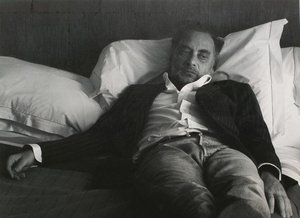
1956, Italia
Rudolf Stingel
Rudolf Stingel: Elämäkerta Syntynyt: Merano, Italia (1956) Nykyinen asuinpaikka: New York Kansallisuus: Italialainen Varhaiset vuodet ja taiteellinen kehitys Rudolf Stingel nousi merkittäväksi hahmoksi taidemaailmaan 1980-luvun lopulla. Aluksi hänet tunnettiin monokromaalisista maalauksistaan, joissa erityisesti vuosina 1987–1994 esiintyi hopeisia pintoja hienovaraisilla punaisen, keltaisen tai sinisen sävyillä. Tämä varhainen kausi loi pohjan Stingelin kiinnostukselle pinnan ja havainnon tutkimiseen. Hänen taiteellinen kehityksensä otti ratkaisevan käänteen 1990-luvulla, kun hän alkoi kokeilla voimakkaampia värejä ja tekstuureja.
Tietoa kohteesta Rudolf Stingel Rudolf Stingeln merkittävimpiä teoksia
Esseitä teoksesta Untitled
 Spontaneity and Matter: Distinguishing CoBrA from Art InformelMaster the differences between CoBrA and Art Informel with our expert guide. Learn to identify these post-war movements today.
 10 Iconic Masterpieces Defining the Contemporary Art EraExplore 10 iconic works defining the contemporary era. Discover museum-quality masterpieces on OriginalUniqueArt.com.
 Color & Emotion: The 25 Most Iconic Masterpieces by Mark RothkoImmerse yourself in the profound emotion of Abstract Expressionism. Explore 25 iconic Mark Rothko masterpieces, from his signature color fi…