

 Katso seinällä
 Lähetä
 Jaa
Jaa
 Tarkemmat tiedot
 Opas
Opas

 Lataa kuva
 Samanlaisia kohteita
 Röntgenkuvaus
 Diaesitys
 Tilastot
Viimeinen Tuomio Pyhäköön Polyptych (takapuoli)


 Lue lisää
Osta korkearesoluutioinen, parannettu digitaalikuva, joka on laadultaan huomattavasti parempi kuin verkkosivuston esikatselu.
Jokainen tiedosto valmistellaan huolellisesti omien asiantuntijoidemme toimesta käyttäen edistyneitä työkaluja ja ammattitaitoista manuaalista retusointia. Varmistamme, että jokaisessa kuvassa on poikkeuksellinen selkeys, tarkka värintoisto ja hienovaraiset yksityiskohdat.
Lopputiedosto toimitetaan sähköpostitse 72 tunnin kuluessa, ja se on optimoitu välittömään käyttöön ammattimaisissa, toimituksellisissa ja painoympäristöissä. Laatu on sama, johon huipputason suunnittelustudiot, kustantajat ja galleriat luottavat.
Digitaalinen kuva
Lataa korkearesoluutioinen tiedosto henkilökohtaiseen näyttelyyn, tulostamiseen ja luoviin projekteihin. ( Vaihda tulosteeseen Tilaa käsinmaalattu jäljennös)
Sisältyy jokaiseen digitaalisen kuvan tilaukseen
Asiantunteva digitaalinen toimitus, laatu taattu
Kun valitset OriginalUniqueArt.com-palvelun, et saa vain kuvaa – saat ammattimaisesti viimeistellyn digitaalisen taideteoksen, joka on luotu tarkkuudella ja jonka takaa tulee tyytyväisyystakuu. Tässä on kaikki, mitä tilauksesi sisältää, automaattisesti:

Nopea sähköpostitoimitus
Saat korkearesoluutioisen digitaalisen kuvatiedostosi sähköpostiisi 72 tunnin kuluessa tilauksesta – valmiina käytettäväksi välittömästi.

Tekoälyllä optimoitu digitaalinen tiedosto
Teoksesi on optimoitu ammattimaisesti edistyneiden tekoälytyökalujen ja manuaalisen jälkikäsittelyn avulla, mikä takaa maksimaalisen yksityiskohtaisuuden, selkeyden ja väritarkkuuden.

Ilmainen elinikäinen uudelleenlähetys
Oletko vahingossa poistanut tai kadottanut tiedostosi? Ei hätää – lähetämme sen sinulle uudelleen milloin tahansa täysin maksutta.

Ei tuontimaksuja – koskaan
Nauti taiteestasi välittömästi ilman tullimaksuja, veroja tai toimituskuluja – digitaaliset lataukset ovat aina verovapaita.

Värintoiston tarkkuustakuu
Varmistamme, että digitaalinen kuvasi vastaa alkuperäisiä värejä mahdollisimman tarkasti käyttämällä ammattilaistason työkaluja ja värinhallintaa.

100 päivän tyytyväisyystakuu
Jos et ole tyytyväinen digitaaliseen kuvaasi, muokkaamme sitä tai palautamme 100% hinnan 100 päivän kuluessa – kysymystä ei esitetä.

100% Rahat takaisin -takuu
Et ole tyytyväinen? Saat täyden hyvityksen 100 päivän kuluessa digitaalisen tiedostosi vastaanottamisesta – kysymystä ei esitetä.

Suurtilaaja-alennukset
Osta 3 kuvaa, säästä 10% - Osta 5, säästä 15% - Osta 10+, säästä 20%. Erinomainen valinta luoviin projekteihin, gallerioille ja toimistoille.
Rogier van der Weyden: The Last Judgment Polyptych – A Masterpiece of Devotion
Rogier van der Weyden’s *Last Judgment Polyptych*, housed in Beaune Cathedral, France, stands as an unparalleled testament to Early Netherlandish artistic achievement. Completed around 1446, this monumental work transcends mere depiction; it embodies a profound theological contemplation and masterful execution that continues to captivate viewers centuries later. Examining its intricate details reveals not only Van der Weyden’s technical prowess but also his deep understanding of humanist ideals and the spiritual anxieties of his time—a reflection of the era's fervent religious fervor, specifically during the Hussite Wars. This polyptych wasn’t simply intended to portray biblical narrative; it aimed to inspire awe and provoke contemplation about mortality and divine judgment.- Composition & Spatial Arrangement: The polyptych comprises five panels—a central altar piece flanked by four outer shutters—creating a unified visual experience that draws the eye inward toward the solemn drama unfolding within. Van der Weyden’s masterful use of perspective establishes a convincing illusion of depth, anchoring the figures and scenes within a carefully constructed architectural framework. This spatial organization is crucial to conveying the grandeur and terror of divine judgment; it's as if you are stepping into God's courtroom.
- Stylistic Characteristics: Van der Weyden’s style distinguishes itself through its remarkable realism combined with expressive pathos. Unlike many contemporaries who prioritized idealized forms, he meticulously rendered human anatomy with astonishing accuracy—a hallmark of his approach evident in the musculature of Christ and the faces of the saints. The artist eschewed flamboyant ornamentation, favoring subdued yet luminous palettes that skillfully employed tonal variations to heighten emotional impact.
- Technique & Materials: Executed in oil paint on oak panels, Van der Weyden employed a technique characterized by thin glazes layered upon thicker grounds—a method that allowed for exceptional tonal subtlety and luminosity. The artist’s meticulous attention to detail extends beyond anatomical accuracy; he painstakingly rendered textures—the folds of drapery, the surface of skin—creating surfaces that appear almost tangible. This painstaking process ensured that every brushstroke conveyed a sense of profound emotion.
- Historical Context & Religious Significance: Created during a period marked by intense religious fervor—specifically the Hussite Wars—the *Last Judgment Polyptych* reflects the anxieties surrounding mortality and divine retribution prevalent in fifteenth-century Europe. It draws heavily upon biblical narratives, portraying Christ as Judge overseeing the final reckoning of humanity. The imagery is laden with symbolism: angels herald God’s wrath, saints represent righteousness, and sinners await eternal punishment—all serving to reinforce Christian dogma.
- Symbolism & Emotional Impact: Beyond its theological message, the polyptych communicates a powerful emotional response. Van der Weyden's depiction of Christ’s sorrowful gaze and the anguished expressions of the damned convey profound empathy and underscore the universality of human suffering. The artist’s masterful use of color—particularly the crimson hues symbolizing divine wrath—intensifies the dramatic tension, compelling viewers to confront existential questions about faith and redemption.
The Last Judgment – Detail
A closer examination reveals Van der Weyden’s unparalleled skill in capturing human emotion. The artist’s meticulous rendering of facial expressions—particularly Christ’s sorrowful gaze—is remarkable, conveying a depth of feeling that transcends mere representation. Observe the subtle nuances of shading and colorization used to illuminate the skin tones, enhancing the realism of the figures. This level of detail underscores Van der Weyden's commitment to portraying human experience with uncompromising honesty. The artist skillfully captures the palpable grief etched upon Christ’s face—a testament to his profound understanding of human psychology.The Last Judgment (Detail) – Composition
The artist’s masterful use of perspective contributes significantly to the polyptych’s dramatic impact. Note how the architectural framework—the arches and columns—guides the viewer’s eye toward the central panel, emphasizing the solemn grandeur of divine judgment. Van der Weyden's meticulous attention to spatial relationships reinforces the sense of realism while simultaneously elevating the artwork to a level of spiritual contemplation. The careful positioning of figures within this architectural space underscores the importance of order and hierarchy in conveying theological ideas.The Last Judgment (Detail) – Color Palette
Van der Weyden’s palette—characterized by earthy tones blended with splashes of vibrant color—creates a harmonious balance between solemnity and emotional intensity. The artist skillfully employs tonal variations to heighten the dramatic tension, drawing viewers into the scene's unfolding narrative. This masterful use of color contributes to the polyptych’s enduring appeal as a work of art that transcends time and cultural boundaries. The subtle interplay of hues—particularly crimson—effectively communicates the terror of divine retribution.Discover More About Beaune Cathedral & Its Masterpieces
Beaune Cathedral (France) and Its Masterpieces Photo Description: The image is a painting of the Last Judgment Polyptych by Rogier Van der Weyden. The painting features several figures, including angels, saints, and other religious figures. There are five panels in total, each depicting different scenes from the Last Judgment. In one panel, there is a figure of Christ surrounded by angels, while another panel shows a group of people being judged by God. The third panel features a scene with saints and religious figures, and the fourth panel displays an image of Mary holding Jesus. Finally, the fifth panel showcases a group of people being punished for their sins. The painting is quite detailed, with each figure having distinct facial expressions and poses. Overall, it's a captivating representation of the Last Judgment, featuring various religious figures and scenes from the biblical story. Size: Unknown Date: 1446 ARTIST INFORMATION: ================== Artist: Rogier van der Weyden Birth Year: 1399 Death Year: 1464 Birth City: Tournai Birth Country: Belgium Biography:A Pioneer of Naturalism and Emotion
Born around 1399 in Tournai, Belgium—a city steeped in medieval history—Rogier van der Weyden emerged as a pivotal figure in the burgeoning world of Early Netherlandish painting. While details surrounding his formative years remain elusive, evidence suggests he initially honed his skills not solely with brush and pigment but also as a goldsmith, an occupation that instilled within him an unwavering dedication to meticulous detail and a refined sensibility for craftsmanship—qualities that would become hallmarks of his artistic style.
Early Training & Artistic Influences
The guild records indicate that Rogier began his apprenticeship around 1420 in Tournai, where he worked alongside Robert Campin—another influential artist of the period—and Jacques Daret. This collaboration exposed him to the innovative techniques and stylistic sensibilities prevalent in Campin’s workshop, shaping his artistic vision.
Notable Works & Style
Van der Weyden quickly established himself as a prolific painter, producing numerous altarpieces and portraits that showcased his exceptional talent. His distinctive style—characterized by unparalleled realism combined with expressive pathos—immediately distinguished him from many of his contemporaries who prioritized idealized forms. Unlike artists preoccupied with formal perfection, Van der Weyden meticulously rendered human anatomy with astonishing accuracy—a testament to his unwavering commitment to observation and anatomical study.
The Last Judgment Polyptych
Perhaps Van der Weyden’s most celebrated masterpiece is the *Last Judgment Polyptych*, commissioned by Rolin—the chancellor of Burgundy—and housed in Beaune Cathedral. Completed around 1446, this monumental work transcends mere depiction; it embodies a profound theological contemplation and masterful execution that continues to captivate viewers centuries later. The polyptych’s intricate details reveal not only Van der Weyden’s technical prowess but also his deep understanding of humanist ideals and the spiritual anxieties of his time—a reflection of the era's fervent religious fervor, specifically during the Hussite Wars.
Legacy & Influence
Rogier van der Weyden’s influence extended far beyond his lifetime. He became a model for subsequent generations of artists who sought to emulate his stylistic innovations and expressive power. His unwavering commitment to realism—coupled with his profound empathy for human emotion—established him as one of the most enduring figures in Northern Renaissance art, securing his place among the “Flemish Primitives”—Robert Campin, Jan van Eyck, and himself—as the trio who ushered in a new era of artistic achievement.
Taiteilijan elämäkerta
A Master of Emotion: The Life and Legacy of Rogier van der Weyden
Rogier van der Weyden, syntynyt noin 1400 Tournai’ssa Belgian pääkaupungissa, nousi varhaisessa renessanssikaudella merkittäväksi taiteilijaksi. Hänen elämänsä ja työnsä ovat kiehtovia, täynnä yksityiskohtia ja vaikutuksia, jotka ovat muokanneet myöhempää taidetta. Alkuperäinen nimi oli Roger de la Pasture, ja hän kuoli Brysselissä vuonna 1464. Van der Weydenin varhaiset elinvaiheet ovat osittain hämärän peitossa, mutta tiedetään, että hän aloitti uransa kultaseppänä, mikä antoi hänelle arvokkaan käsityksen yksityiskohtien ja tarkkuuden tärkeydestä. Tämä tausta vaikutti merkittävästi hänen maalauksensa tyyliin.Early Life and Artistic Training
Van der Weydenin varhaiset opinnot eivät olleet perinteisiä, vaan hän sai koulutuksenan kultaseppänä. Tämän ammatin vaatima tarkkuus ja huolellisuus siirtyivät suoraan hänen maalauksensa tyyliin. Hän oli taitava työskentelemään arvokkaiden metallien kanssa, mikä näkyi hänen teoksissaan hienovaraisena yksityiskohtaisuudessa ja materiaalien realistisessa esittelyssä. Vuonna 1427 hänestä tuli mestari Tournai’n Taiteilijoiden yhdistyksessä, merkittävä saavutus, joka vahvisti hänen asemansa ammattitaiteilijana ja avasi oven tärkeitä tilauksia varten. Hän aloitti palvelussaan Philip the Goodin hovimestarina vuonna 1435, mikä tarjosi hänelle taloudellista turvaa sekä vaikutusvaltaa ja mahdollisuuksia kehittyä taiteilijana. Tämä aika oli ratkaiseva hänen uransa kannalta, sillä hän alkoi irtautua aikaisemman renessanssin tiukemmista konventioista ja pyrki luomaan teoksia, jotka herättivät katsojassa todellisia tunteita.Style and Technique: The Language of Emotion
Van der Weydenin taiteen tunnusmerkkejä ovat hänen rikas väripalettinsa, huolellinen yksityiskohtien kuvaus ja kyky välittää syviä tunteita. Hänen maalauksissaan on usein *pathos*, eli tunteiden ilmenemistä, joka onnistuu herättämään katsojassa voimakkaita reaktioita. Tämä ei saavuttu dramaattisten eleiden tai ylilyötyjen ilmeiden kautta, vaan hienovaraisesti sisällyttämällä se teoksen rakenteeseen ja yksityiskohtiin. Hänen hahmojensa muotonsa ovat arvokkaita ja patoutuneita, mikä antaa niille kunnioittavan vaikutelman. Van der Weyden hallitsi erinomaisesti öljymaalia, käyttäen sitä kerroksittain luodakseen valoisuutta ja syvyyttä. Hänen työnsä on täynnä hienovaraisia sävyeroja ja heijastaa hänen kykyään välittää ihmisen sisäistä maailmaa.Notable Works and Artistic Influences
Van der Weydenin tuotannossa on useita merkittäviä teoksia, jotka ovat osoitus hänen taiteellisesta taitonsa. *Kristuksen laskeutuminen ristiltä* (Museo del Prado, Madrid) on ehkä hänen kuuluisimpia teoksiaan – voimakkaasti tunteellinen kuvaus Kristuksen alaslaskemisesta ristiltä, jossa käytetään dramaattista *chiaroscuroa* ja onnistuu herättämään katsojassa syvän surun. Myös *Annunciation*, joka sijaitsee El Escorialissa, Espanjassa, on mestariteos, joka osoittaa hänen kykyään tuoda perinteisiin aiheisiin uutta eloa. Lisäksi *The Deposition* -sarja, jossa on useita versioita, demonstroi hänen taitoaan välittää tunteita ja yksityiskohtia. Van der Weydenin vaikutus ulottui myös Italiaan ja Espanjaan, jossa hänen teoksensa esittivät uudenlaisen emotionaalisuuden ja realismin paikallisiin taiteellisiin perinteisiin.Legacy and Historical Significance
Van der Weydenin maine heikkeni 17-luvulla, mutta se herättyi uudelleen 19-luvulla. Hän on nyt yksi merkittävimmistä taiteilijoista 15-luvulta, rinnakkain Jan van Eyck’n ja Robert Campinin kanssa. Hänen innovatiiviset tekniikkansa ja tunteisiin vetoavat kompositiot avasivat tien myöhemmille taiteilijoille ja vaikuttivat länsimaisen taiteen kehitykseen vuosisatojen ajan. Rogier van der Weydenin perintö elää edelleen, todisteena hänen kestävästä geniussta ja ihmiskunnan kokemuksen syvällisestä ymmärtämisestä. Hänen teoksensa ovat jatkuvan kiinnostuksen kohteita, jotka inspiroivat taiteilijoita ja herättävät katsojissa voimakkaita tunteita.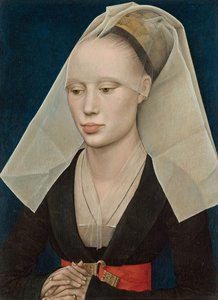
Rogier van der Weyden
1400 - 1464 , Belgia
Pähkinänkuoressa
- Artistic Movement Or Style: Varhainen hollantilainen maalaus
- Artists Or Movements Influenced By This Artist:
- Italian renessanssi
- Espanjan maalaus
- Artists Who Influenced This Artist:
- Robert Campin
- Jan van Eyck
- Date Of Birth: c. 1400
- Date Of Death: 1464
- Full Name: Rogier van der Weyden
- Nationality: Belgialainen
- Notable Artworks:
- Kaikkien surmaaminen
- Pyhä Luukas piirtää Madonnan
- Poisto
- Ilmoitus
- Place Of Birth: Tournai, Belgia