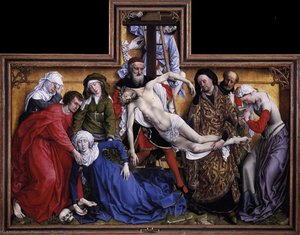
Katso seinällä
 Lähetä
 Jaa
Jaa
 Tarkemmat tiedot
 Opas
Opas

 Lataa kuva
 Samanlaisia kohteita
 Röntgenkuvaus
 Diaesitys
 Tilastot
St Joseph
 Oil On Panel
- WallArt
- Early Netherlandish Renaissance
 1445
1445- Renaissance
 21.0 x 18.0 cm
 Calouste Gulbenkianin museo
 Lue lisää
Käsinmaalattu öljyvärinen jäljennös
Käsinmaalattu öljyväri kankaalle haluamassasi koossa ja kehyksissä, taiteilijoidemme valmistamana tilauksesta. ( Vaihda tulosteeseen Siirry digitaaliseen kuvaan)




P118B €10

P118H €10

P118W €10

P438Z €10

P508JH €12

P508YH €12

P805H €10

P805Z €10

P919BZ €10

P919G €10

P919XJ €10

P959ZH €10

P968JZ €12

W106C €8

W218G €10

W218JH €8

W218Y €10

W307PJ €10

W316G €10

W316PJ €8

W316Y €10

W398PJ €8

W4111J €10

W500HY €15

W500JH €15

W692G €12

W849H €8

W940BG €15

W953PJ €8




Valitse valmiista mitoistamme sellaiset, jotka vastaavat teoksen alkuperäisiä mittasuhteita.

Kirjoita tarvitsemasi leveys ja korkeus, jotta teos sopii kehyskehyksiisi tai seinällesi. Koska kyseessä on käsinmaalattu teos, taiteilija voi maalata hieman enemmän kuvan ympärille tai rajata sitä hieman, jos haluat eri muotoisen koon — valinta on sinun. Lähetämme sinulle digitaalisen mallikuvan hyväksyttäväksi ennen kuin maalaus alkaa. Tällä sivulla näkyvä kuva ei vastaa lopullista tulosta — vain mallikuva näyttää sen.
Tilauksen jälkeen OriginalUniqueArt.com -tiimi lähettää asiakkaalle sähköpostitse ohjeet ja esikatselukuvan.
Maailmanlaajuinen toimitus () 3–4 viikossa tavallisen 5 viikon sijaan. (21 lokakuu). Laadusta ei tingitä.

Ilmainen pikatoimitus ympäri maailman

Korkealaatuinen pellavakangas

Kattava kuljetusvakuutus

Tulliveron palautustakuu

Takuu täydellisestä värien vastaavuudesta

100 päivän palautusoikeus valmistusvirhetapauksissa

100% rahat takaisin -takuu

Määräalennus saatavilla
 Lasivaihtoehto on saatavilla vain alle 110 cm kokoisille teoksille

St Joseph
Reproduktiotapa
Replikaatin koko
-


Kokonaishinta
€ 262
A Window into Devotion: The Quiet Majesty of St Joseph
In the hushed atmosphere of the mid-15th century, few artists could capture the intersection of human vulnerability and divine grace as masterfully as Rogier van der Weyden. His painting, St Joseph, completed around 1445, is far more than a mere religious portrait; it is a profound meditation on introspection and faith. As one gazes upon this intimate work, there is an immediate sense of being drawn into a private moment of contemplation. The subject, the revered father of Jesus, is depicted not in a moment of grand spectacle, but in a state of quiet dignity. Clad in a striking red hat and a deep blue robe with a soft hood, St Joseph looks out through a window, his gaze suggesting a mind lost in prayer or perhaps observing the subtle movements of the world outside. This sense of stillness is palpable, offering a sanctuary of calm that continues to captivate collectors and decorators seeking pieces that bring a soulful, contemplative energy to a modern interior.The Alchemy of Light and Detail
The brilliance of this masterpiece lies in Van der Weyden’s extraordinary technical prowess, a skill likely refined during his early years as a goldsmith. This background in precious metals allowed him to approach the canvas with an unparalleled eye for texture and luminosity. Through the painstaking application of translucent glazes, he achieved a level of realism that was revolutionary for the Early Netherlandish period. One can almost feel the weight of the heavy fabric of the blue robe and notice the subtle play of light across the saint's weathered features. This technique does not merely replicate reality; it creates an inner radiance, a spiritual glow that seems to emanate from within the figure itself. For the discerning eye, the meticulous rendering of every fold and shadow serves as a testament to the artist's ability to transform oil and pigment into a living, breathing presence.Symbolism and the Spirit of Flanders
Beyond its technical splendor, St Joseph is deeply rooted in the cultural and religious fervor of 15th-century Flanders. During this era, the region was a thriving hub of commerce and piety, where art served as a bridge between the earthly and the divine. The painting’s composition—featuring subtle background figures and a delicate bird in the upper corner—adds layers of symbolic depth to the narrative. The window serves as a powerful metaphor for the threshold between the internal world of the soul and the external world of creation. In an age where Saint Joseph represented the virtues of humility, righteousness, and steadfast protection, this portrait acts as a visual sermon on the beauty of a life lived in quiet devotion. For those looking to adorn a space with art that transcends mere decoration, this work offers a timeless connection to the profound emotional and spiritual legacies of the Northern Renaissance.Kysymykset ja vastaukset
Miten teoksen "St Joseph" tulisi suositeltavasti tulostaa – mikä koko ja mikä suunta?
Teokselle "St Joseph" suositeltu tulostusasetus on koko Small ja Portrait-suuntainen asettelu.
Onko "St Joseph" tyypillinen esimerkki siitä, mitä Rogier van der Weyden yleensä loi?
"St Joseph" esittää aiheita saint joseph, religious figure, portraiture, medieval art, biblical scene, window landscape, contemplation, kun taas Rogier van der Weyden tunnetaan teemoistaan medieval piety, flemish realism, patron saint devotion, symbolism, artistic legacy. Näiden kahden vertaaminen osoittaa, miten teos liittyy taiteilijan tavallisiin aiheisiin.
Mitkä värit hallitsevat teosta Rogier van der Weyden:n "St Joseph"?
"St Joseph"-teokselle ominainen Earthy väripaletti saa pääroolin Walnut (#6e5c3f)-värin johdolla.
Taiteilijan elämäkerta
A Master of Emotion: The Life and Legacy of Rogier van der Weyden
Rogier van der Weyden, syntynyt noin 1400 Tournai’ssa Belgian pääkaupungissa, nousi varhaisessa renessanssikaudella merkittäväksi taiteilijaksi. Hänen elämänsä ja työnsä ovat kiehtovia, täynnä yksityiskohtia ja vaikutuksia, jotka ovat muokanneet myöhempää taidetta. Alkuperäinen nimi oli Roger de la Pasture, ja hän kuoli Brysselissä vuonna 1464. Van der Weydenin varhaiset elinvaiheet ovat osittain hämärän peitossa, mutta tiedetään, että hän aloitti uransa kultaseppänä, mikä antoi hänelle arvokkaan käsityksen yksityiskohtien ja tarkkuuden tärkeydestä. Tämä tausta vaikutti merkittävästi hänen maalauksensa tyyliin.Early Life and Artistic Training
Van der Weydenin varhaiset opinnot eivät olleet perinteisiä, vaan hän sai koulutuksenan kultaseppänä. Tämän ammatin vaatima tarkkuus ja huolellisuus siirtyivät suoraan hänen maalauksensa tyyliin. Hän oli taitava työskentelemään arvokkaiden metallien kanssa, mikä näkyi hänen teoksissaan hienovaraisena yksityiskohtaisuudessa ja materiaalien realistisessa esittelyssä. Vuonna 1427 hänestä tuli mestari Tournai’n Taiteilijoiden yhdistyksessä, merkittävä saavutus, joka vahvisti hänen asemansa ammattitaiteilijana ja avasi oven tärkeitä tilauksia varten. Hän aloitti palvelussaan Philip the Goodin hovimestarina vuonna 1435, mikä tarjosi hänelle taloudellista turvaa sekä vaikutusvaltaa ja mahdollisuuksia kehittyä taiteilijana. Tämä aika oli ratkaiseva hänen uransa kannalta, sillä hän alkoi irtautua aikaisemman renessanssin tiukemmista konventioista ja pyrki luomaan teoksia, jotka herättivät katsojassa todellisia tunteita.Style and Technique: The Language of Emotion
Van der Weydenin taiteen tunnusmerkkejä ovat hänen rikas väripalettinsa, huolellinen yksityiskohtien kuvaus ja kyky välittää syviä tunteita. Hänen maalauksissaan on usein *pathos*, eli tunteiden ilmenemistä, joka onnistuu herättämään katsojassa voimakkaita reaktioita. Tämä ei saavuttu dramaattisten eleiden tai ylilyötyjen ilmeiden kautta, vaan hienovaraisesti sisällyttämällä se teoksen rakenteeseen ja yksityiskohtiin. Hänen hahmojensa muotonsa ovat arvokkaita ja patoutuneita, mikä antaa niille kunnioittavan vaikutelman. Van der Weyden hallitsi erinomaisesti öljymaalia, käyttäen sitä kerroksittain luodakseen valoisuutta ja syvyyttä. Hänen työnsä on täynnä hienovaraisia sävyeroja ja heijastaa hänen kykyään välittää ihmisen sisäistä maailmaa.Notable Works and Artistic Influences
Van der Weydenin tuotannossa on useita merkittäviä teoksia, jotka ovat osoitus hänen taiteellisesta taitonsa. *Kristuksen laskeutuminen ristiltä* (Museo del Prado, Madrid) on ehkä hänen kuuluisimpia teoksiaan – voimakkaasti tunteellinen kuvaus Kristuksen alaslaskemisesta ristiltä, jossa käytetään dramaattista *chiaroscuroa* ja onnistuu herättämään katsojassa syvän surun. Myös *Annunciation*, joka sijaitsee El Escorialissa, Espanjassa, on mestariteos, joka osoittaa hänen kykyään tuoda perinteisiin aiheisiin uutta eloa. Lisäksi *The Deposition* -sarja, jossa on useita versioita, demonstroi hänen taitoaan välittää tunteita ja yksityiskohtia. Van der Weydenin vaikutus ulottui myös Italiaan ja Espanjaan, jossa hänen teoksensa esittivät uudenlaisen emotionaalisuuden ja realismin paikallisiin taiteellisiin perinteisiin.Legacy and Historical Significance
Van der Weydenin maine heikkeni 17-luvulla, mutta se herättyi uudelleen 19-luvulla. Hän on nyt yksi merkittävimmistä taiteilijoista 15-luvulta, rinnakkain Jan van Eyck’n ja Robert Campinin kanssa. Hänen innovatiiviset tekniikkansa ja tunteisiin vetoavat kompositiot avasivat tien myöhemmille taiteilijoille ja vaikuttivat länsimaisen taiteen kehitykseen vuosisatojen ajan. Rogier van der Weydenin perintö elää edelleen, todisteena hänen kestävästä geniussta ja ihmiskunnan kokemuksen syvällisestä ymmärtämisestä. Hänen teoksensa ovat jatkuvan kiinnostuksen kohteita, jotka inspiroivat taiteilijoita ja herättävät katsojissa voimakkaita tunteita.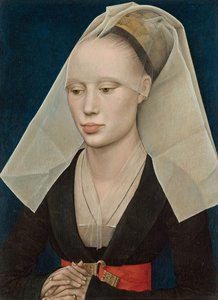
Rogier van der Weyden
1400 - 1464 , Belgia
Tietoa taiteilijasta
- Artistic Movement Or Style: Varhainen hollantilainen maalaus
- Artists Or Movements Influenced By This Artist:
- Italian renessanssi
- Espanjan maalaus
- Artists Who Influenced This Artist:
- Robert Campin
- Jan van Eyck
- Date Of Birth: c. 1400
- Date Of Death: 1464
- Full Name: Rogier van der Weyden
- Nationality: Belgialainen
- Notable Artworks:
- Kaikkien surmaaminen
- Pyhä Luukas piirtää Madonnan
- Poisto
- Ilmoitus
- Place Of Birth: Tournai, Belgia
Aiheeseen liittyvät artikkelit

Top 10 Taideteosta Liukuvärissä: Sinisen Sävyt Kodin Sisustuksessa
Uppoudu 10 tunnetuimman taideteoksen maailmaan, joita hallitsee liukuväri! Tutustu impressionismin ja postimpressionismin mestareihin sekä sinisen sävyjen merkitykseen. Löydä inspiraatiota kotiisi OriginalUniqueArt.com:ista – laadukkaat taidevedokset ja kuratoidut sisustusratkaisut odottavat! Tutustu kokoelm

Serene Blue Backgrounds: Discover Soulful Art to Transform Your Space with Timeless Elegance
Transform your home with soulful blue art. From serene Monet impressions to modern textured sculptures, discover curated masterpieces designed to inspire calm. Explore expert art consultations and bespoke hand-painted reproductions to create your personal sanctuary.

Liquid Vibes: Bold Water Landscapes & Deep Blue Textures to Level Up Your Space
Elevate your space with bold water landscapes and deep blue textures. Discover trending abstract art, from sculptural textiles to premium oil reproductions, designed to bring high-impact, liquid vibes to modern urban interiors.
The Allure of Azure: Exploring the Symbolic & Aesthetic Depths of Blue in Art History
Explore the rich history of blue in art! Discover its symbolism, from ancient pigments to modern masterpieces by Kandinsky & Seurat. Uncover the psychological impact and cultural meanings behind this captivating hue.

Crimson Threads of Narrative: Exploring Symbolism & Representation in Artworks Featuring the Red Dress
Explore the rich symbolism of the red dress in art history! From ancient power displays to iconic portraits like Cézanne’s 'Madame Cezanne', discover the cultural and artistic significance behind this captivating color. Expert analysis & insights.