Esikatselu
 Jaa teos
 Jaa
Jaa
 Tiedot
 Opas
Opas

 Lataa kuva
 Samanlaisia kohteita
 Röntgenkuvaus
 Diaesitys
 Kysymykset ja vastaukset
 Tilastot
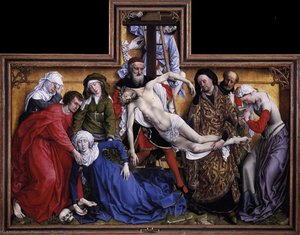
Braque Family Triptych (central panel)

- 41.0 x 68.0 cm


 Lue lisää
Giclée- ja taideprintit
Museolaatuisia giclée- tai kankaitaulun tulosteita nopealla tuotannolla ja joustavilla viimeistelyvaihtoehdoilla. ( Osta käsinmaalattu taideteos Siirry digitaaliseen kuvaan)




P118B €10

P118H €10

P118W €10

P438Z €10

P508JH €12

P508YH €12

P805H €10

P805Z €10

P919BZ €10

P919G €10

P919XJ €10

P959ZH €10

P968JZ €12

W106C €8

W218G €10

W218JH €8

W218Y €10

W307PJ €10

W316G €10

W316PJ €8

W316Y €10

W398PJ €8

W4111J €10

W500HY €15

W500JH €15

W692G €12

W849H €8

W940BG €15

W953PJ €8




Valitse valmiista mitoistamme sellaiset, jotka vastaavat teoksen alkuperäisiä mittasuhteita.

Syötä tarvitsemasi leveys ja korkeus, jotta tuloste sopii kehyksiisi tai seinällesi. Tulostetta voidaan vain leikata, sitä ei voida koskaan suurentaa alkuperäistä kuvaa suuremmaksi, joten eri muotoinen koko aiheuttaa osan kuvasta katoamisen. Lähetämme sinulle digitaalisen mallikuvan hyväksyttäväksi ennen kuin aloitamme tulostuksen. Tällä sivulla näkyvä kuva ei näytä lopullista rajausta — vain mallikuva näyttää sen.
Maailmanlaajuinen toimitus () 2 viikossa tavallisen 4–5 viikon sijaan. (8 marraskuu)

Ilmainen pikatoimitus ympäri maailman

Korkealaatuinen pellavakangas

Kattava kuljetusvakuutus

Tulliveron palautustakuu

Takuu täydellisestä värien vastaavuudesta

100 päivän palautusoikeus (vain valmistusvirheet)

100% rahat takaisin -takuu

Määräalennus tarjolla
 Lasivaihtoehto on saatavilla vain alle 110 cm kokoisille teoksille

Braque Family Triptych (central panel)
Giclée- ja taideprintit
Replikaatin koko
-


Kokonaishinta
€ 72
Rogier van der Weyden’s Braque Family Triptych: A Testament to Burgundian Faith and Artistic Mastery
The *Braque Family Triptych*, created circa 1450 by Rogier van der Weyden, stands as a cornerstone of Early Netherlandish painting—a breathtaking achievement that transcends mere representation to embody profound spiritual contemplation and masterful artistic execution. Commissioned for private devotion within the Burgundian court, this monumental panel depicts Saint Nicholas, Saint Jude, and Saint Catherine, alongside their family members, offering an unparalleled glimpse into the visual language of fifteenth-century piety.A Window Into Burgundian Patronage and Artistic Innovation
The triptych’s genesis lies firmly rooted in the opulent cultural landscape of Burgundy under Philip the Good—a period characterized by burgeoning artistic ambition and a fervent embrace of Christian iconography. Van der Weyden, already establishing himself as one of the era's foremost painters, skillfully navigated the complexities of aristocratic patronage while simultaneously pushing the boundaries of artistic convention. Unlike many contemporary works prioritizing decorative splendor, this triptych prioritizes psychological realism—a revolutionary approach that distinguishes it from its predecessors and foreshadows developments in Renaissance art. The meticulous attention to detail—from the drapery folds to the facial expressions—reflects a humanist impulse to capture human emotion with unprecedented accuracy.Technical Brilliance: Layers of Color and Texture
Van der Weyden’s technique is characterized by an astonishing command of oil paint, allowing for unparalleled luminosity and tonal subtlety. He employed glazing techniques—applying thin layers of translucent pigment over underlying colors—to achieve a remarkable depth of color and texture. The artist painstakingly modeled the figures with subtle gradations of light and shadow, creating a palpable sense of volume that imbues them with lifelike presence. Furthermore, the use of gold leaf—particularly prominent in the halos surrounding Saint Nicholas and Saint Jude—underscores the spiritual significance of the composition and elevates its visual impact. This masterful manipulation of pigment demonstrates Van der Weyden’s dedication to achieving photographic realism – a feat unheard of at the time.Symbolism Rich With Spiritual Significance
Beyond its technical prowess, the *Braque Family Triptych* is laden with symbolic meaning reflecting medieval Christian beliefs. Saint Nicholas, Saint Jude, and Saint Catherine—figures revered for their compassion and piety—represent virtues central to the Catholic faith. Their inclusion alongside their family members emphasizes the importance of familial devotion and underscores the belief that holiness extends beyond individual spirituality into the realm of domestic life. The depiction of Saint Jude holding a bowl symbolizes divine mercy and sustenance – a poignant reminder of God’s benevolence towards humanity. The careful arrangement of objects—the bowls, candles, and drapery—serves as visual shorthand for spiritual contemplation and reinforces the overarching theme of faith and piety.Emotional Resonance: A Portrait of Devotion
The painting's enduring appeal stems from its ability to evoke a powerful emotional response in viewers. Van der Weyden’s masterful portrayal of human emotion—particularly Saint Catherine’s sorrowful gaze—captures the essence of Christian suffering and underscores the profound seriousness of spiritual contemplation. The serene expressions of the saints convey tranquility and acceptance, reflecting the belief that God offers solace and redemption to those who seek Him earnestly. Viewing this masterpiece inspires reflection on faith, family values, and the enduring power of art to communicate universal human experiences—a testament to Van der Weyden’s genius and its lasting legacy in the history of Western Art.Kysymykset ja vastaukset
Milloin "Braque Family Triptych (central panel)" on luotu ja mihin taidesuuntaukseen se kuuluu?
"Braque Family Triptych (central panel)" on luotu vuonna 1450 Early Netherlandish Painting-suuntauksen teoksena. Teoksen valmistumisvuosi ja tyylisuunta ankkuroivat sen taidehistoriaan.
Miten teoksen Rogier van der Weyden:n "Braque Family Triptych (central panel)" tunnelma on kuvattu?
"Braque Family Triptych (central panel)"-teoksessa on Mystical tunnelma.
Mihin huoneeseen Rogier van der Weyden:n "Braque Family Triptych (central panel)" sopii parhaiten?
"Braque Family Triptych (central panel)"-teoksen reproduktio sopii hyvin Living Room-tilaan.
Taiteilijan elämäkerta
A Master of Emotion: The Life and Legacy of Rogier van der Weyden
Rogier van der Weyden, syntynyt noin 1400 Tournai’ssa Belgian pääkaupungissa, nousi varhaisessa renessanssikaudella merkittäväksi taiteilijaksi. Hänen elämänsä ja työnsä ovat kiehtovia, täynnä yksityiskohtia ja vaikutuksia, jotka ovat muokanneet myöhempää taidetta. Alkuperäinen nimi oli Roger de la Pasture, ja hän kuoli Brysselissä vuonna 1464. Van der Weydenin varhaiset elinvaiheet ovat osittain hämärän peitossa, mutta tiedetään, että hän aloitti uransa kultaseppänä, mikä antoi hänelle arvokkaan käsityksen yksityiskohtien ja tarkkuuden tärkeydestä. Tämä tausta vaikutti merkittävästi hänen maalauksensa tyyliin.Early Life and Artistic Training
Van der Weydenin varhaiset opinnot eivät olleet perinteisiä, vaan hän sai koulutuksenan kultaseppänä. Tämän ammatin vaatima tarkkuus ja huolellisuus siirtyivät suoraan hänen maalauksensa tyyliin. Hän oli taitava työskentelemään arvokkaiden metallien kanssa, mikä näkyi hänen teoksissaan hienovaraisena yksityiskohtaisuudessa ja materiaalien realistisessa esittelyssä. Vuonna 1427 hänestä tuli mestari Tournai’n Taiteilijoiden yhdistyksessä, merkittävä saavutus, joka vahvisti hänen asemansa ammattitaiteilijana ja avasi oven tärkeitä tilauksia varten. Hän aloitti palvelussaan Philip the Goodin hovimestarina vuonna 1435, mikä tarjosi hänelle taloudellista turvaa sekä vaikutusvaltaa ja mahdollisuuksia kehittyä taiteilijana. Tämä aika oli ratkaiseva hänen uransa kannalta, sillä hän alkoi irtautua aikaisemman renessanssin tiukemmista konventioista ja pyrki luomaan teoksia, jotka herättivät katsojassa todellisia tunteita.Style and Technique: The Language of Emotion
Van der Weydenin taiteen tunnusmerkkejä ovat hänen rikas väripalettinsa, huolellinen yksityiskohtien kuvaus ja kyky välittää syviä tunteita. Hänen maalauksissaan on usein *pathos*, eli tunteiden ilmenemistä, joka onnistuu herättämään katsojassa voimakkaita reaktioita. Tämä ei saavuttu dramaattisten eleiden tai ylilyötyjen ilmeiden kautta, vaan hienovaraisesti sisällyttämällä se teoksen rakenteeseen ja yksityiskohtiin. Hänen hahmojensa muotonsa ovat arvokkaita ja patoutuneita, mikä antaa niille kunnioittavan vaikutelman. Van der Weyden hallitsi erinomaisesti öljymaalia, käyttäen sitä kerroksittain luodakseen valoisuutta ja syvyyttä. Hänen työnsä on täynnä hienovaraisia sävyeroja ja heijastaa hänen kykyään välittää ihmisen sisäistä maailmaa.Notable Works and Artistic Influences
Van der Weydenin tuotannossa on useita merkittäviä teoksia, jotka ovat osoitus hänen taiteellisesta taitonsa. *Kristuksen laskeutuminen ristiltä* (Museo del Prado, Madrid) on ehkä hänen kuuluisimpia teoksiaan – voimakkaasti tunteellinen kuvaus Kristuksen alaslaskemisesta ristiltä, jossa käytetään dramaattista *chiaroscuroa* ja onnistuu herättämään katsojassa syvän surun. Myös *Annunciation*, joka sijaitsee El Escorialissa, Espanjassa, on mestariteos, joka osoittaa hänen kykyään tuoda perinteisiin aiheisiin uutta eloa. Lisäksi *The Deposition* -sarja, jossa on useita versioita, demonstroi hänen taitoaan välittää tunteita ja yksityiskohtia. Van der Weydenin vaikutus ulottui myös Italiaan ja Espanjaan, jossa hänen teoksensa esittivät uudenlaisen emotionaalisuuden ja realismin paikallisiin taiteellisiin perinteisiin.Legacy and Historical Significance
Van der Weydenin maine heikkeni 17-luvulla, mutta se herättyi uudelleen 19-luvulla. Hän on nyt yksi merkittävimmistä taiteilijoista 15-luvulta, rinnakkain Jan van Eyck’n ja Robert Campinin kanssa. Hänen innovatiiviset tekniikkansa ja tunteisiin vetoavat kompositiot avasivat tien myöhemmille taiteilijoille ja vaikuttivat länsimaisen taiteen kehitykseen vuosisatojen ajan. Rogier van der Weydenin perintö elää edelleen, todisteena hänen kestävästä geniussta ja ihmiskunnan kokemuksen syvällisestä ymmärtämisestä. Hänen teoksensa ovat jatkuvan kiinnostuksen kohteita, jotka inspiroivat taiteilijoita ja herättävät katsojissa voimakkaita tunteita.
Rogier van der Weyden
1400 - 1464 , Belgia
Pähkinänkuoressa
- Artistic Movement Or Style: Varhainen hollantilainen maalaus
- Artists Or Movements Influenced By This Artist:
- Italian renessanssi
- Espanjan maalaus
- Artists Who Influenced This Artist:
- Robert Campin
- Jan van Eyck
- Date Of Birth: c. 1400
- Date Of Death: 1464
- Full Name: Rogier van der Weyden
- Nationality: Belgialainen
- Notable Artworks:
- Kaikkien surmaaminen
- Pyhä Luukas piirtää Madonnan
- Poisto
- Ilmoitus
- Place Of Birth: Tournai, Belgia
Aiheeseen liittyvät artikkelit

Alkuflaamin taiteen mestariteokset: 10 teosta, jotka määrittelivät renessanssin – OriginalUniqueArt.fi
Tutustu alkuflaamin renessanssin 10 mestariteokseen! Jan van Eyckin, Rogier van der Weydenin ja muiden taiteilijoiden ikonisia maalauksia. Öljyvärimaalauksen huippua – löydä inspiraatiota kotiisi OriginalUniqueArt.comista. Tutustu kokoelma!

Alkuflaamilaisen maalauksen 10 mestariteosta – Taidetta kotiisi OriginalUniqueArtilta
Tutustu alkuflaamilaisen maalauksen 10 mestariteokseen – Jan van Eyckistä Hieronymus Boschiin. Taidetta, historiaa ja inspiraatiota kotiisi OriginalUniqueArtilta. Laadukkaat öljyvärimaalaukset ja sisustusehdotukset odottavat! Tutki kokoelma verkossa.

Hugo van der Goes: Devotion, Innovation & the Psychological Depth of Early Netherlandish Painting
Explore the revolutionary art of Hugo van der Goes – a master of Early Netherlandish painting renowned for his dramatic realism, psychological depth & profound influence on Renaissance artists. Discover his iconic works and lasting legacy.

Rembrandtin mestariteokset: 25 taideteosta valokuvapainatuksina kotiisi | OriginalUniqueArt
Tutustu Rembrandtin 25 mestariteokseen – valokuvapainatuksina kotiisi! Uppoudu hollantilaisen kultakauden taiteeseen, varjoihin ja valoon. Löydä ikonisia muotokuvia ja historiallisia maalauksia OriginalUniqueArt.comista. Tutustu kokoelma!

Rogier van der Weyden: Emotion, Innovation & the Early Netherlandish Renaissance
Explore the revolutionary art of Rogier van der Weyden, a pivotal figure of the Early Netherlandish Renaissance. Discover his emotional realism, innovative compositions, and lasting impact on painting history.