Katso seinällä
 Lähetä
 Jaa
Jaa
 Tarkemmat tiedot
 Opas
Opas

 Lataa kuva
 Samanlaisia kohteita
 Röntgenkuvaus
 Diaesitys
 Tilastot
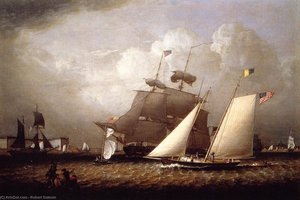
View of Greenock, Scotland


 Lue lisää
Giclée- ja taideprintit
Museolaatuisia giclée- tai kankaitaulun tulosteita nopealla tuotannolla ja joustavilla viimeistelyvaihtoehdoilla. ( Tilaa käsinmaalattu jäljennös Siirry digitaaliseen kuvaan)




P118B $10

P118H $10

P118W $10

P438Z $10

P508JH $12

P508YH $12

P805H $10

P805Z $10

P919BZ $10

P919G $10

P919XJ $10

P959ZH $10

P968JZ $12

W106C $8

W218G $10

W218JH $8

W218Y $10

W307PJ $10

W316G $10

W316PJ $8

W316Y $10

W398PJ $8

W4111J $10

W500HY $15

W500JH $15

W692G $12

W849H $8

W940BG $15

W953PJ $8




Valitse valmiista mitoistamme sellaiset, jotka vastaavat teoksen alkuperäisiä mittasuhteita.

Voit syöttää omat mitat sopiaksesi tiettyyn kehykseen tai tilaan. Jos valittu koko ei vastaa alkuperäisen kuvan mittasuhteita, rajaamme teosta tai laajennamme kuvaa peilatulla tai yhtenäisellä reunalla. Digitaalinen mallikuva lähetetään hyväksyttäväksi ennen tuotannon aloittamista.
Huomaathan, että näytöllä näkyvä esikatselu ei vastaa lopullista rajausta tai laajennusta. Vain mallikuva näyttää lopullisen sommittelun tarkasti.
Vaikka räätälöityjä kokoja on saatavilla, suosittelemme valitsemaan mitat valmiista listasta alkuperäisten mittasuhteiden säilyttämiseksi.
Maailmanlaajuinen toimitus () 2 viikossa tavallisen 4–5 viikon sijaan. (25 syyskuu)

Ilmainen pikatoimitus ympäri maailman

Korkealaatuinen pellavakangas

Kattava kuljetusvakuutus

Tulliveron palautustakuu

Takuu täydellisestä värien vastaavuudesta

100 päivän palautusoikeus valmistusvirhetapauksissa

100% rahat takaisin -takuu

Määräalennus saatavilla
 Lasivaihtoehto on saatavilla vain alle 110 cm kokoisille teoksille

View of Greenock, Scotland
Giclée- ja taideprintit
Replikaatin koko
-


Kokonaishinta
$ 80
A Panoramic Vision of Industry and Nature – Robert W. Salmon’s ‘View of Greenock’
Robert W. Salmon's 1816 painting, “View of Greenock, Scotland,” isn’t merely a landscape; it’s a meticulously observed snapshot of a burgeoning port city on the cusp of transformation. More than two centuries after its creation, this oil-on-canvas masterpiece offers a rare glimpse into the heart of a Scottish industrial awakening, blending the romantic ideals of the late 18th and early 19th centuries with a remarkably detailed depiction of everyday life and burgeoning maritime activity. The painting captures Greenock – then a vital trading hub on the River Clyde – not as a pristine wilderness but as an integrated part of its environment, showcasing the complex relationship between human settlement and the natural world.
Salmon’s artistic lineage is immediately apparent. He was deeply influenced by the Dutch masters of the 17th century, particularly their skill in rendering atmospheric perspective and capturing the subtle nuances of light and shadow. Furthermore, he drew inspiration from Italian *vedute* – landscape views – exemplified by artists like Claude Lorrain, whose emphasis on idealized landscapes and dramatic lighting resonates strongly within Salmon’s composition. This fusion of styles results in a painting that is both technically proficient and emotionally evocative, transporting the viewer to a specific moment in time and place.
The Scene Unfolds: A City in Transition
The painting immediately establishes a sense of depth and perspective through a carefully orchestrated arrangement of elements. The foreground features a small group of figures – likely travelers or laborers – resting near a cart and scattered belongings, providing a human scale to the vast landscape. These individuals are positioned strategically to draw the eye into the scene, leading us towards the sprawling cityscape nestled along the River Clyde. The buildings themselves—a mix of warehouses, factories, and residential structures—are rendered with remarkable precision, reflecting Salmon’s keen observational skills and his understanding of urban planning. Notice the linear arrangement of streets, mirroring a nascent grid system that would soon define Greenock's development.
Dominating the midground is the River Clyde, teeming with sailing vessels – evidence of Greenock’s thriving trade in timber, coal, and other commodities. The masts and sails create a dynamic interplay of lines, adding movement and vitality to the composition. The distant hills provide a dramatic backdrop, anchoring the scene within its geographical context. Salmon masterfully employs atmospheric perspective—the subtle shift in color and detail as objects recede into the distance—to convey the immense scale of the landscape and the sense of depth that stretches towards the horizon.
Symbolism and Historical Context
“View of Greenock” is more than just a topographical record; it’s imbued with symbolic meaning. The painting reflects a pivotal moment in Scottish history – the aftermath of the Napoleonic Wars and the rapid expansion of industrialization. Greenock, strategically located at the “Tail of the Bank,” where the Clyde deepens into the Firth of Clyde, was rapidly becoming a major port for exporting Scotland’s agricultural produce and importing manufactured goods. The presence of numerous ships signifies Greenock's growing importance as a commercial center, while the figures in the foreground represent the human cost – and potential benefits – of this economic transformation.
The painting also offers insights into the social fabric of Greenock at the time. The washerwomen depicted in the foreground are a common motif in 19th-century art, symbolizing hard work and domesticity. Their presence reminds us that even amidst the bustle of industrial activity, everyday life continued much as it always had.
A Legacy Preserved: Reproduction and Artistic Impact
Today, “View of Greenock” is held in the collection of the Museo Thyssen-Bornemisza in Madrid. Its enduring appeal lies not only in its technical brilliance but also in its ability to transport us back in time, offering a vivid glimpse into a rapidly changing world. Reproductions of this remarkable painting capture the essence of Salmon’s vision, allowing viewers to appreciate the intricate details and emotional depth of this historical masterpiece. When selecting a reproduction, consider the quality of materials used – oil on canvas is essential for achieving the authentic look and feel of the original—and the level of detail captured in the print.
Salmon's work stands as a testament to his skill and vision, offering a valuable window into the history of Greenock and the broader story of industrialization in Scotland. It’s a painting that continues to resonate with viewers today, reminding us of the enduring power of art to capture both the beauty and complexity of human experience.
Taiteilijan elämäkerta
Nuoruus ja taiteellinen koulutus
- Alkuperä: Salmon syntyi nimellä Robert Salomon kultaseppä Francis Salomonin poikana. Whitehavenin vilkas satamakaupunki toimi varhaisena inspiraationa hänen taiteelliselle kehitykselleen.
- Varhaiset vaikutteet: Hänen koulutuksestaan ei ole laajasti dokumentoitu tietoja, mutta uskotaan, että hän opiskeli 1600-luvun hollantilaisia merimaalareita, italialaisia veduta-taiteilijoita sekä Claude Lorrainia.
- Varhaiset teokset: Hänen varhaisimmat tunnetut teoksensa, kuten ”Two Armed Merchantmen Leaving Whitehaven Harbor” (1ر00) ja ”The ‘Estridge’ off Dover”, osoittavat hänen varhaista taitoaan vangita merellisiä näkymiä.
- Esittäytyminen Royal Academyssa: Salmon esitteli ensimmäisen kerran teoksiaan Royal Academyssa vuonna 1802, mikä merkitsi merkittävää askelta hänen urallaan.
Uran kehitys ja tyyli
- Muutto Liverpooliin (1806): Salmon asettui Liverpooliin ja muutti sukunimensään Salmon. Tänä aikana hän loi lukuisia merimaalauksia, jotka ovat nykyään esillä Lontoon kansallisessa merimuseossa (National Maritime Museum).
- Laivamuotokuvat: Hänen laivamuotokuvansa paljastavat syvän tuntemuksen purjelaivoista ja niiden mekaniikasta; hän kuvasi usein samaa alusta eri kulmista samalle kankaalle.
- Suosio ja keräilijät: Salmonin työt saavuttivat suosion merkittävien bostonilaisten henkilöiden, kuten Samuel Cabotin, Robert Bennett Forbesin ja John Newmarch Cushingin keskuudessa, mikä kertoi hänen kasvavasta tunnustuksestaan Amerikassa.
- Luminismin edelläkävijä: Häntä pidetään keskeisenä hahmona amerikkalaisen luminismin kehityksessä, ja hän vaikutti taiteilijoihin kuten William Bradford ja Fitz Henry Lane. Hänen painotuksensa valoon ja ilmakehään loi seesteisiä ja tyyniä näkymiä.
Merkittävät teokset ja taiteellinen merkitys
- Keskeiset maalaukset: Jotkut Salmonin tunnetuimmista teoksista ovat ”The Brig 'Ariel'”, ”Sailing Ship 'Trelawney'” ja ”View of Liverpool from Cheshire”. Nämä maalaukset ilmentävät hänen taitoaan vangita purjelaivojen kauneutta ja monimutkaisuutta.
- Bostonin sataman sarja: Hän tuotti merkittävän määrän teoksia, jotka kuvaavat Bostonin satamaa esitellen merellistä elämää ja historiallista Bostonia. ”Boston Harbor from Castle Island (Ship Charlotte)” on huomionarvoinen esimerkki tästä.
- Vaikutus amerikkalaiseen taiteeseen: Salmonin tyyli vaikutti syvästi myöhempiin amerikkalaisten merimaisema-taiteilijoiden sukupolviin ja edisti luminismin kehittymistä tärkeäksi taidesuuntaukseksi.
Perintö ja tunnustus
- Museokokoelmat: Salmonin teoksia säilytetään arvostetuissa instituutioissa, kuten Yhdysvaltain laivastokoulussa (U.S. Naval Academy), Bostonin taidemuseossa (Museum of Fine Arts, Boston) ja Greenwichin kansallisessa merimuseossa.
- Kestävä vaikutus: Hänen maalauksensa jatkavat inspiroimista vielä nykyäänkin, toimien todisteena hänen taidostaan ja taiteellisuudestaan.
- Amerikkalaisen luminismin isä: Salmonin perintö on vankasti vakiintunut amerikkalaisen luminismin edelläkävijänä, jättäen pysyvän jäljen taidemaailmaan.

Robert W. Salmon
1775 - 1845 , Iso Britannia
Tietoa taiteilijasta
- Artistic Movement Or Style: American Luminism
- Artists Who Influenced This Artist:
- Dutch marine painters
- Italian vedute artists
- Claude Lorrain
- Date Of Birth: 1775
- Full Name: Robert W. Salmon
- Nationality: British
- Notable Artworks:
- Sailing Ship 'Trelawney'
- Boston Harbor from Castle Island
- Place Of Birth: Whitehaven, United Kingdom
Aiheeseen liittyvät artikkelit
Robert W. Salmon: Navigating the Currents of Maritime Painting & American Realism
Explore the captivating maritime paintings of Robert W. Salmon, a pioneer of American Luminism. Discover his Boston Harbor scenes, legacy, and collecting guide at OriginalUniqueArt.

Romanttisen maisemamaalauksen mestariteokset: Taidetta ja inspiraatiota kotiin
Uppoudu romanttisen maisemamaalauksen maailmaan! Tutustu Caspar David Friedrichin, Turnerin ja muiden mestareiden ikonisiin teoksiin. Löydä inspiraatiota kotiisi taiteen avulla OriginalUniqueArt.comista – laadukkaat taideprintit ja sisustusideoita.
Alexander Nasmyth: Picturing Scotland's Romantic Landscape – Innovation & Identity
Explore the life & art of Alexander Nasmyth, a pivotal figure in Scottish Romantic landscape painting. Discover his iconic works, including portraits of Robert Burns, and learn about his lasting influence on national identity. Fine art reproductions available.

Evocations of Place: A Historical Journey Through Landscape Art
Explore the rich history of landscape art with OriginalUniqueArt. Discover renowned artists, movements like Impressionism & Romanticism, and expert guidance for collecting timeless pieces. Find your perfect serene escape today!

David Roberts: A Scottish Pioneer of Topographical Art & Orientalist Vision
Explore the captivating world of David Roberts, a pioneering Scottish painter renowned for his detailed Orientalist scenes & stunning Egyptian landscapes. Discover his legacy and find museum-quality reproductions at OriginalUniqueArt.