
 Esikatselu
 Jaa
Jaa Jaa
Jaa
 Tarkemmat tiedot

 Lataa
Lataa
 Samanlaisia
 Röntgenkuva
 Diaesitys
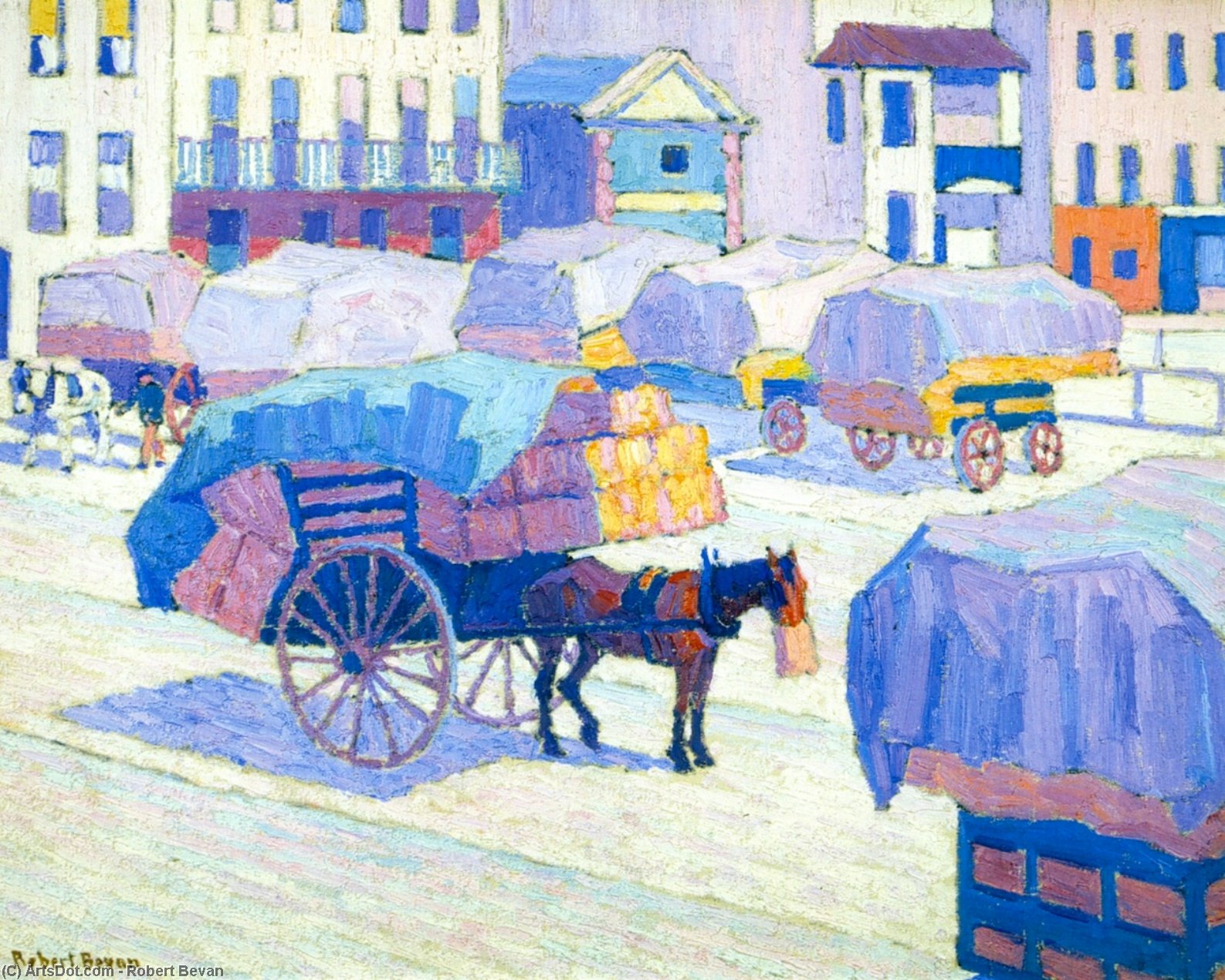
Hay Carts
 Oil On Canvas
- WallArt
- Fauvism
 1915
1915- Modern
 48.0 x 60.0 cm
 Näytä lisää
Käsinmaalattu öljykopio
Käsinmaalattu öljyväri kankaalle haluamassasi koossa ja kehyksissä, taiteilijoidemme valmistamana tilauksesta. ( Siirry tulosteeseen Vaihda kuvaksi)




P118B $10

P118H $10

P118W $10

P438Z $10

P508JH $12

P508YH $12

P805H $10

P805Z $10

P919BZ $10

P919G $10

P919XJ $10

P959ZH $10

P968JZ $12

W106C $8

W218G $10

W218JH $8

W218Y $10

W307PJ $10

W316G $10

W316PJ $8

W316Y $10

W398PJ $8

W4111J $10

W500HY $15

W500JH $15

W692G $12

W849H $8

W940BG $15

W953PJ $8




Valitse valmiista mitoistamme sellaiset, jotka vastaavat teoksen alkuperäisiä mittasuhteita.

Voit syöttää omat mitat sopimaan tiettyyn kehykseen tai tilaan. Jos valitsemasi koko ei vastaa alkuperäisen kuvan mittasuhteita, rajaamme taideteoksen tai jatkamme maalausta käsin maalatuilla elementeillä. Digitaalinen esikatselu lähetetään hyväksyttäväksi ennen tuotannon aloittamista.
Huomioithan, että näytöllä oleva esikatselu ei vastaa todellista rajausta tai jatkamista. Vain digitaalinen mallikuva näyttää lopullisen sommittelun tarkasti.
Vaikka mittatilaustyöt ovat mahdollisia, suosittelemme valitsemaan mitan ennalta määritetystä listasta alkuperäisten mittasuhteiden säilyttämiseksi.
Tilauksen jälkeen OriginalUniqueArt.com -tiimi lähettää asiakkaalle ohjeet ja esikatselukuvan.
Maailmanlaajuinen toimitus () 3–4 viikossa tavallisen 5 viikon sijaan. (7 elokuu). Laadusta ei tingitä.

Ilmainen pikatoimitus ympäri maailman

Korkealaatuinen pellavakangas

Kattava kuljetusvakuutus

Tulliveron palautustakuu

Täydellinen värien vastaavuustakuu

60 päivän palautusoikeus (vain valmistusvirheet)

100% rahat takaisin -takuu

Määräalennus tarjous
 Lasivaihtoehto on saatavilla vain alle 110 cm kokoisina teoksina

Hay Carts
Reproduktiotekniikka
Replikaatin koko
-


Kokonaishinta
$ 300
Teoksen kuvaus
A Symphony of Motion: The Vibrant World of Robert Bevan’s Hay Carts
In the heart of 1915, amidst a world undergoing profound transformation, Robert Polhill Bevan captured a fleeting moment of rhythmic vitality in his masterpiece, "Hay Carts." This oil on canvas is far more than a mere depiction of a street scene; it is a sensory experience that invites the viewer to step into a bustling era of transition. The painting presents a lively tableau of horse-drawn carriages and wagons navigating a sunlit thoroughfare, where the heavy labor of the carts meets the casual stride of pedestrians. Through his masterful use of color and composition, Bevan breathes life into the inanimate, turning a routine moment of transport into a dynamic dance of light and movement.
The brilliance of this work lies in its ability to balance the weight of the subject matter with an almost weightless energy. The horses, serving as the focal points of the piece, are rendered with a keen eye for both anatomical presence and spirited character. As they pull their respective loads, there is a palpable sense of momentum that pulls the viewer’s gaze along the road, following the trajectory of the wagons. Bevan utilizes bold, confident brushstrokes that do not merely outline forms but suggest the very vibration of life on a busy street. This technique creates a textured surface where light seems to dance across the canvas, reflecting the shimmering atmosphere of a day in motion.
Modernist Vision and the Art of Everyday Life
As a pioneer of British Modernism and a founding member of the Camden Town Group, Bevan brought a revolutionary perspective to the depiction of everyday life. In "Hay Carts," we see the influence of Fauvism—a movement characterized by its use of intense, non-naturalistic colors to evoke emotion rather than strictly mimic reality. The palette is strikingly vibrant, utilizing rich tones that heighten the sense of warmth and activity. This approach allows the artist to transcend simple documentation, instead offering a psychological landscape where the interaction between humans, animals, and their environment feels deeply interconnected.
For the discerning collector or interior designer, "Hay Carts" offers a unique opportunity to introduce a piece of art history that is both intellectually stimulating and aesthetically pleasing. The painting’s composition—a sophisticated arrangement of diagonal lines and scattered figures—provides a sense of organized chaos that can serve as a captivating centerpiece in any curated space. Whether placed in a contemporary setting to provide a bold pop of color or within a more traditional gallery-style room to evoke a sense of nostalgia, the work radiates an enduring charm. It is a celebration of the beauty found in the mundane, reminding us that even the most routine street scenes hold the potential for profound artistic splendor.
Taiteilijan elämäkerta
A Pioneer of British Modernism: The Life and Art of Robert Polhill Bevan
Robert Polhill Bevan, born in Hove in 1865, occupies a pivotal yet often understated position within the narrative of early 20th-century British art. Emerging from a Quaker background steeped in banking connections – his parents were Richard Alexander Bevan and Laura Maria Polhill – he defied conventional expectations to become a daring innovator, a key figure in the transition from Impressionism towards more radical explorations of color and form. His journey was one of constant experimentation, absorbing influences from across Europe while forging a distinctly personal artistic vision that would profoundly impact the development of modern art in Britain. Bevan’s early education at Westminster School of Art under Fred Brown provided a solid foundation, but it was his subsequent studies at the Académie Julian in Paris that truly ignited his creative spark. There, he encountered a constellation of rising stars – Paul Sérusier, Pierre Bonnard, Édouard Vuillard, and Maurice Denis – artists who were challenging academic conventions and embracing new approaches to painting. These encounters proved formative, exposing Bevan to the principles of synthetism and laying the groundwork for his future explorations.Brittany, Fauvism, and the Search for Pure Color
The impact of Brittany on Bevan’s artistic development cannot be overstated. Two significant journeys in 1890 and 1891 immersed him in the atmosphere of Pont-Aven, a small coastal town that had become a magnet for artists seeking an alternative to Parisian salon culture. The bold colors and simplified forms championed by artists like Gauguin resonated deeply with Bevan, influencing his early drawings and prints. He was particularly captivated by the luminous landscapes of Breton coastlines, where the interplay of light and color offered unparalleled opportunities for artistic expression. This fascination fueled his experimentation with pure color – a decisive step away from Impressionistic realism – anticipating the emergence of Fauvism on the continent. His painting “Courtyard” stands as a remarkable example of this proto-Fauvist approach, demonstrating a willingness to abandon naturalistic representation in favor of expressive chromatic intensity – a boldness that set him apart from many of his British contemporaries. This exploration didn’t remain static; Bevan subsequently adopted a divisionist or pointillist technique, evident in works like “Ploughing on the Downs” and “The Turn-Rice Plough,” showcasing his commitment to exploring different methods of applying color and capturing light. The influence of masters such as Velázquez and Goya remained palpable, alongside more immediate guidance from Renoir regarding the depiction of horses – a testament to Bevan’s broad artistic curiosity and willingness to learn from diverse sources.Collective Visions: The Camden Town Group and Beyond
Bevan was not an artist who worked in isolation. He actively sought connection with like-minded individuals, playing a crucial role in the formation of several influential art groups. As a founding member of the Camden Town Group, he joined forces with artists determined to depict modern urban life and challenge established artistic norms. This collective spirit extended to his involvement with the London Group and the Cumberland Market Group, further demonstrating his commitment to progressive artistic movements. The group’s ambition was to capture the dynamism of London's industrial landscape and its inhabitants—a task Bevan tackled with unwavering conviction. He collaborated closely with fellow Camden Town artists like Walter Sickert and Frank Auerbach, fostering a stimulating dialogue that propelled their artistic endeavors forward. These affiliations were not merely social; they fostered a dynamic exchange of ideas that shaped Bevan’s artistic trajectory and contributed to the broader evolution of British art.Landscapes, Urban Scenes, and Lasting Legacy
Bevan's oeuvre is characterized by a profound engagement with both rural and urban environments. His landscapes—particularly those depicting Sussex and Brittany—are imbued with an extraordinary sensitivity to light and color, reflecting his unwavering dedication to capturing the essence of nature’s beauty. Paintings such as “In the Downs near Lewes,” “The Chestnut Tree,” and “Landscape in the Blackdown Hills, Devon” exemplify this mastery, showcasing his ability to convey both the physical grandeur and emotional resonance of the natural world. Simultaneously, Bevan documented the realities of modern life through urban scenes—most notably "The Cab Horse"—capturing the textures and moods of industrial Britain with meticulous detail. His artistic vision transcended stylistic trends; he remained steadfast in his pursuit of authentic expression, establishing himself as a cornerstone of British Modernism. Robert Polhill Bevan’s legacy extends far beyond his individual paintings. He is rightfully recognized as a pioneer of modern British art, particularly for his early adoption of Fauvist principles and his fearless experimentation with color. His influence on subsequent generations of painters is undeniable, and his contribution to the Camden Town Group was instrumental in shaping the development of modern art in Britain. A retrospective exhibition at Colnaghi’s in 1961 served as a crucial moment of recognition, solidifying his place in art history and ensuring that his innovative spirit continues to inspire artists today. He remains a vital figure for understanding the complex evolution of British painting in the early twentieth century.
Robert Polhill Bevan
1865 - 1925 , Yhdistynyt kuningaskunta
Pikatiedot
- Artistic Movement Or Style: Fauvism/Divisionismi
- Artists Or Movements Influenced By This Artist: ['Camden Town Group']
- Artists Who Influenced This Artist:
- Paul Gauguin
- Velázquez
- Goya
- Renoir
- Date Of Birth: 1865
- Full Name: Robert Polhill Bevan
- Nationality: Britanni
- Notable Artworks:
- The Farmhouse
- Ploughing on the Downs
- Queen’s Grove
- The Cab Horse
- Place Of Birth: Hove, United Kingdom
Liittyvät artikkelit
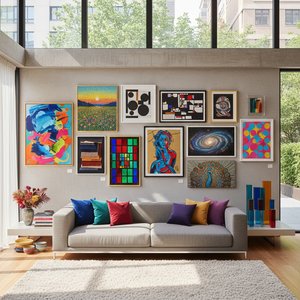
Värien mestarinäytteet: 10 taideteosta, jotka inspiroivat sisustusta
Tutustu 10 ikoniseen taideteokseen, jotka juhlistavat värejä! Löydä Kandinskyn abstraktit mestariteokset, Monet'n impressionismi ja Van Goghin voimakkaat sävyt. Inspiroi sisustusta OriginalUniqueArt.com:in museolaatuisilla reproduktioilla. Tutki kokoelma verkossa!
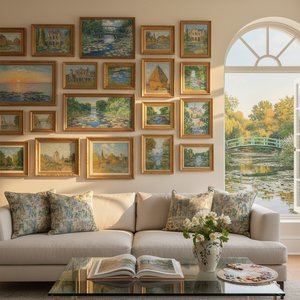
Claude Monet: 25 mestariteosta valokuvauksellisiin sisustuksiin – OriginalUniqueArt.com
Tutustu Claude Monet'n 25 mestariteokseen! Uppoudu impressionismin maailmaan, vesililyistä Rouenin katedraaliin. Löydä taideprintit ja inspiraatiota sisustukseesi OriginalUniqueArt.comista. Tutki kokoelma verkossa!
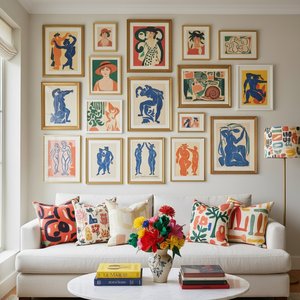
Henri Matissen 25 mestariteosta: Värien ja muodon lumo taidekokoelmissa | OriginalUniqueArt
Tutustu Henri Matissen 25 mestariteokseen – värien ja muodon lumoava maailma! Lue taiteen historiaa, fauvismin syntyä ja löydä inspiraatiota sisustukseesi. Korkealaatuiset taideprintit OriginalUniqueArt.com:ssa.
Chromatic Resonance: Exploring the Psychological & Aesthetic Impact of Vibrant Colors in Art History
Explore the fascinating relationship between color & emotion in art history. Discover how master artists used vibrant hues to evoke feelings, cultural meanings, and psychological responses. A deep dive for classic art enthusiasts.
Chromatic Abundance: Exploring the Psychological Impact of Rich Color Palettes in Painting
Explore the fascinating world of color theory in painting! Discover how Impressionist & Post-Impressionist masters used vibrant hues to evoke emotion and create lasting impact. Expert insights for collectors & art enthusiasts.



