 Esikatselu
 Jaa teos
 Jaa
Jaa
 Tiedot
 Opas
Opas

 Lataa kuva
 Samanlaisia kohteita
 Röntgenkuvaus
 Diaesitys
 Q&A
Q&A Tilastot
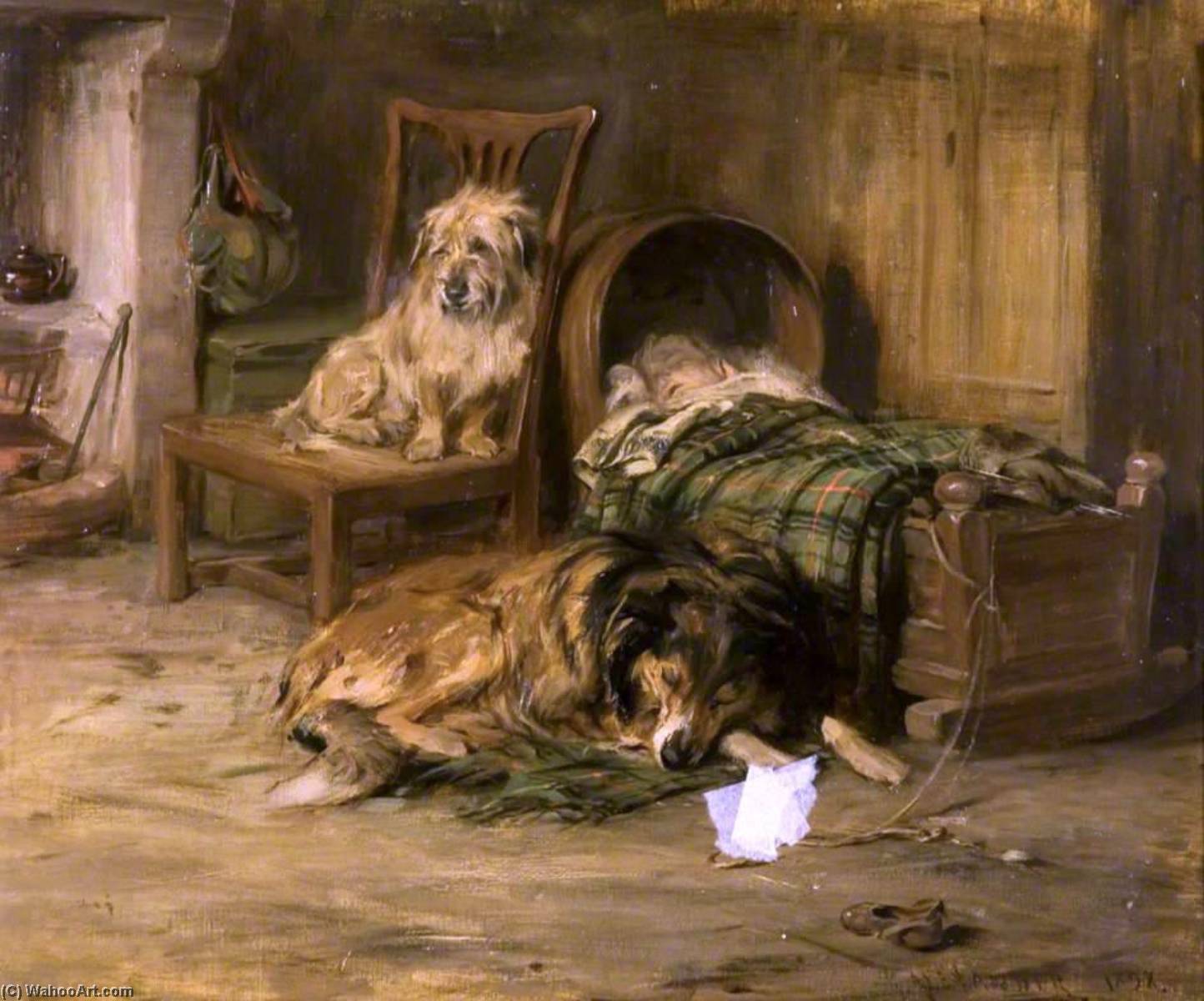
Drowsy Cronies


 Lue lisää
Giclée- ja taideprintit
Museolaatuisia giclée- tai kankaitaulun tulosteita nopealla tuotannolla ja joustavilla viimeistelyvaihtoehdoilla. ( Osta käsinmaalattu taideteos Siirry digitaaliseen kuvaan)




































Valitse valmiista mitoistamme sellaiset, jotka vastaavat teoksen alkuperäisiä mittasuhteita.

Syötä tarvitsemasi leveys ja korkeus, jotta tuloste sopii kehyksiisi tai seinällesi. Tulostetta voidaan vain leikata, sitä ei voida koskaan suurentaa alkuperäistä kuvaa suuremmaksi, joten eri muotoinen koko aiheuttaa osan kuvasta katoamisen. Lähetämme sinulle digitaalisen mallikuvan hyväksyttäväksi ennen kuin aloitamme tulostuksen. Tällä sivulla näkyvä kuva ei näytä lopullista rajausta — vain mallikuva näyttää sen.
Maailmanlaajuinen toimitus () 2 viikossa tavallisen 4–5 viikon sijaan. (1 marraskuu)

Ilmainen pikatoimitus ympäri maailman

Korkealaatuinen pellavakangas

Kattava kuljetusvakuutus

Tulliveron palautustakuu

Takuu täydellisestä värien vastaavuudesta

100 päivän palautusoikeus (vain valmistusvirheet)

100% rahat takaisin -takuu

Määräalennus tarjolla
 Lasivaihtoehto on saatavilla vain alle 110 cm kokoisille teoksille

Drowsy Cronies
Giclée- ja taideprintit
Replikaatin koko
-


Kokonaishinta
€ 71
Artist and Style
Robert L Alexander was a skilled artist known for his attention to detail and ability to capture the essence of everyday life. His use of oil on canvas in Drowsy Cronies adds depth and texture to the painting, making it even more captivating. The artist's style is characterized by his ability to convey a sense of warmth and comfort through his brushwork. Key Features of the painting include:- The two dogs sitting on chairs in front of a bed, creating a sense of intimacy and companionship
- The person lying down in the bed, possibly taking a nap, adding to the cozy atmosphere
- The cat present in the scene, located towards the right side of the painting, adding a touch of playfulness
Location and Availability
The original painting Drowsy Cronies is housed at the Dundee Art Gallery And Museum in Dundee, United Kingdom. However, handmade oil paintings reproductions of this beautiful piece are available for purchase on https://OriginalUniqueArt.com. For more information on the artist and his works, visit https://OriginalUniqueArt.com.The painting Drowsy Cronies by Robert L Alexander is a must-see for art lovers and those who appreciate the beauty of everyday life. With its warm and inviting atmosphere, this piece is sure to captivate audiences and inspire a sense of comfort and companionship.
Kysymykset ja vastaukset
Mikä on teoksen Robert L Alexander:n "Drowsy Cronies" luminanssi?
Teoksen "Drowsy Cronies" värit heijastavat Soft Shadow luminanssia.
Kenen teokseksi "Drowsy Cronies" on merkitty?
Teoksen "Drowsy Cronies" taiteilija on Robert L Alexander. Teos on luetteloitu Robert L Alexander nimellä.
Mistä voin ostaa digitaalisen kuvan teoksesta Robert L Alexander:n "Drowsy Cronies"?
"Drowsy Cronies" on saatavilla muodossa korkearesoluutioinen digitaalinen kuvalataus, ja sen voi ostaa suoraan sivulta Digitaalinen teos.
Taiteilijan elämäkerta
A Life Immersed in the Scottish Countryside: The World of Robert Alexander
Robert Alexander, born in 1840 in the small village of Dalgarven near Kilwinning in Ayrshire, Scotland, was an artist whose work became synonymous with the gentle warmth of domestic life and the rugged beauty of his homeland. His path to becoming a celebrated painter wasn’t conventional; rather than formal art schooling, Alexander began as an apprentice to a house-painter in Irvine, learning the fundamentals of landscape painting alongside more practical skills. This early grounding instilled in him not only technical proficiency but also a keen observation of light and form that would later characterize his distinctive style. He subsequently found employment with the Royal Scottish Museum in Edinburgh, further honing his abilities before dedicating himself fully to easel painting around 1868 – the year he first exhibited at the prestigious Royal Scottish Academy.Capturing the Essence of Animals: A Rising Star
Alexander quickly distinguished himself by focusing on animal subjects, particularly dogs and horses. He didn’t merely *depict* these creatures; he sought to capture their personalities, their inherent dignity, and their connection to the rural world around them. His work resonated with a growing Victorian audience that appreciated both realism and sentimentality. He possessed an exceptional skill for portraying expressive eyes and textured coats, bringing his subjects vividly to life on canvas. This talent led to consistent exhibitions at the RSA – over 125 works were displayed throughout his lifetime – establishing him as a prominent figure in Scottish art circles. His election as an Associate of the Royal Scottish Academy (ARSA) in 1878 and then as a full Royal Scottish Academician (RSA) in 1888 solidified his position within the artistic establishment.Impressionistic Touches and Pastoral Charm
While firmly rooted in realism, Alexander’s work demonstrates a clear influence of Impressionism. This is not to say he abandoned precise detail altogether, but rather that he embraced a looser brushstroke and a more nuanced understanding of light and color. His paintings often evoke a sense of atmosphere, capturing the fleeting moments of everyday life with remarkable sensitivity. Works like “Goat and Kids” exemplify this approach – a serene scene rendered with earthy tones and a delicate play of sunlight. He wasn’t interested in grand historical narratives or dramatic compositions; instead, he found beauty in the simple rhythms of rural existence: feeding horses, quiet moments within barns, and the tender bonds between animals and people. His paintings offer a glimpse into a world where life moved at a slower pace, and nature held a central place.Legacy and Historical Significance
Robert Alexander’s contribution to Scottish animal painting is undeniable. He elevated the genre beyond mere portraiture, infusing his work with both artistic skill and emotional depth. He was not simply recording what he saw; he was interpreting it through a lens of warmth, understanding, and genuine affection. His paintings provide valuable insights into Victorian rural life and the evolving relationship between humans and animals. Furthermore, Alexander’s influence extended to his own family – his son, John Edwin Alexander, also became a successful artist, continuing the legacy of capturing the beauty of the Scottish countryside. Today, Robert Alexander's works are cherished for their charm, realism, and ability to transport viewers to a simpler, more idyllic time. His paintings continue to be exhibited and admired, ensuring that his vision of Scotland’s pastoral heart endures.
Robert L Alexander
1840 - 1923
Pähkinänkuoressa
- Artistic Movement Or Style: Impressionism
- Date Of Birth: 1840
- Date Of Death: 1923
- Full Name: Robert L Alexander
- Nationality: Scottish
- Notable Artworks:
- Head of a Deerhound
- Feeding the Horse
- Goat and Kids
- Place Of Birth: Kilwinning, Scotland