Katso seinällä
 Lähetä
 Jaa
Jaa
 Tarkemmat tiedot
 Opas
Opas

 Lataa kuva
 Samanlaisia kohteita
 Röntgenkuvaus
 Diaesitys
 Tilastot
La Grande Guerre


 Lue lisää
Tällä sivulla esitettyä taideteosta suojaa tekijänoikeuslaki, mikä tarkoittaa, ettemme voi laillisesti luoda tai myydä täsmälleen samanlaista jäljennöstä. Tämä suoja toteutetaan kansainvälisten sopimusten, kuten esimerkiksi Berne-konventio ja kansallisilla laeilla, mukaan lukien niillä määritellyt Yhdysvaltain tekijänoikeuslaki – Luku 17. Kaikki oikeudet pidätetään. Luvaton kopiointi tai jäljittely on kielletty.
Tämä menetelmä noudattaa täysin tekijänoikeussäännöksiä, sillä se ei sisällä suojatun taideteoksen kopioimista tai jäljentämistä. Sen sijaan kyseessä on luova uudelleentulkinta – uusi maalaus, joka ammentaa vaikutteita alkuperäisestä, mutta ei ole sen identtinen kopio.
Giclée- ja taideprintit
Museolaatuisia giclée- tai kankaitaulun tulosteita nopealla tuotannolla ja joustavilla viimeistelyvaihtoehdoilla. ( Tilaa käsinmaalattu jäljennös Siirry digitaaliseen kuvaan)




P118B €10

P118H €10

P118W €10

P438Z €10

P508JH €12

P508YH €12

P805H €10

P805Z €10

P919BZ €10

P919G €10

P919XJ €10

P959ZH €10

P968JZ €12

W106C €8

W218G €10

W218JH €8

W218Y €10

W307PJ €10

W316G €10

W316PJ €8

W316Y €10

W398PJ €8

W4111J €10

W500HY €15

W500JH €15

W692G €12

W849H €8

W940BG €15

W953PJ €8




Valitse valmiista mitoistamme sellaiset, jotka vastaavat teoksen alkuperäisiä mittasuhteita.

Kirjoita tarvitsemasi leveys ja korkeus, jotta tuloste sopii kehyskokoon tai seinällesi. Tulostetta voidaan vain leikata, sitä ei voi koskaan tehdä suuremmaksi kuin alkuperäinen kuva, joten eri muotoinen koko aiheuttaa osan kuvasta katoamisen. Lähetämme sinulle digitaalisen mallikuvan hyväksyttäväksi ennen kuin aloitamme tulostuksen. Tällä sivulla näkyvä kuva ei näytä lopullista leikkausta — vain mallikuva näyttää sen.
Maailmanlaajuinen toimitus () 2 viikossa tavallisen 4–5 viikon sijaan. (24 lokakuu)

Ilmainen pikatoimitus ympäri maailman

Korkealaatuinen pellavakangas

Kattava kuljetusvakuutus

Tulliveron palautustakuu

Takuu täydellisestä värien vastaavuudesta

100 päivän palautusoikeus valmistusvirhetapauksissa

100% rahat takaisin -takuu

Määräalennus saatavilla
 Lasivaihtoehto on saatavilla vain alle 110 cm kokoisille teoksille

La Grande Guerre
Giclée- ja taideprintit
Replikaatin koko
-


Kokonaishinta
€ 70
A Dream Obscured: Delving into Magritte’s ‘The Great War’
René Magritte's 1964 painting, *The Great War*, is a quintessential example of Surrealist artistry – a work that simultaneously captivates and unsettles. It presents a formally dressed man, complete with bowler hat and dark suit, but crucially, his face is entirely concealed by a vibrant green apple. Above the apple float several delicate leaves against a backdrop of softly rendered clouds. This seemingly simple composition unlocks layers of symbolic meaning and psychological intrigue.- Style & Technique: Magritte masterfully employs the hallmarks of his signature style in *The Great War*. His technique is rooted in traditional oil painting, characterized by meticulous detail and smooth application – a deliberate contrast to the chaotic energy often associated with Surrealism. Geometric lines define the man’s attire, sharply contrasting with the organic forms of the apple and leaves. The color palette is restrained, dominated by blacks and greys that amplify the startling vibrancy of the green apple. This calculated use of color draws immediate attention to the central symbol. Perspective is flattened, contributing to the dreamlike quality and a sense of spatial ambiguity.
- Symbolism & Interpretation: The symbolism within *The Great War* is rich and open to interpretation. The apple, a recurring motif in Magritte’s work, often represents temptation, hidden knowledge, or even innocence. Here, obscuring the face, it suggests an obstruction of identity or perception. Is this a commentary on how war conceals individual humanity? Or perhaps a representation of societal conformity – the bowler hat and suit signifying adherence to norms that mask true selfhood? The leaves above the apple could symbolize fleeting life or lost memories. Given the title, “The Great War,” it’s reasonable to interpret the work as a meditation on the obscuring effects of conflict—how war hides individual stories and distorts reality.
- Historical Context: Created two decades after the end of World War II, *The Great War* reflects a lingering sense of trauma and disillusionment. While Magritte wasn’t directly involved in depicting battlefield scenes, his work often grapples with themes of anxiety, alienation, and the fragility of existence – sentiments deeply felt in the post-war era. His Surrealist approach allowed him to explore these complex emotions through symbolic imagery rather than direct representation. The painting stands as a quiet yet powerful statement about the psychological impact of large-scale conflict.
- Emotional Impact & Aesthetic Appeal: *The Great War* evokes a profound sense of unease and mystery. The juxtaposition of familiar elements – a well-dressed man, an apple – with their illogical arrangement creates a disquieting effect. The painting isn’t overtly dramatic; its power lies in its subtle psychological tension. It invites contemplation
- Collecting & Reproduction: As an iconic work by one of the 20th century's most influential artists, *The Great War* is highly sought after by collectors. High-quality reproductions allow art enthusiasts to experience Magritte’s vision in their own homes. When selecting a reproduction, consider canvas quality and color accuracy to best capture the nuances of the original painting. This piece serves as a powerful statement piece, sparking conversation and adding depth to any environment.
Photo Description: --Overall Impression-- The artwork is a surrealist portrait by René Magritte, titled “The Great War.” It depicts a man in a formal black suit and bowler hat, his face obscured by a large green apple. Above the apple are several leaves. The background is a cloudy sky rendered in soft, muted tones. The composition is centered on the figure, drawing immediate attention to the unsettling juxtaposition of the familiar (a gentleman) with the unexpected (the apple). There’s a strong sense of dreamlike ambiguity and psychological tension. Lines are primarily straight and geometric, defining the suit and hat, contrasting with the organic forms of the apple and leaves. The color palette is dominated by dark blacks and greys, punctuated by the vibrant green of the apple. Texture appears smooth, suggesting oil paint applied in layers. Lighting is soft and diffused, creating a gentle glow across the scene without harsh shadows. Perspective is relatively flat, typical of Magritte’s style, contributing to the surreal effect. Depth is minimal; the background blends seamlessly with the figure. The subject matter is symbolic – the apple represents innocence or perhaps the consequences of war, while the bowler hat and suit evoke a sense of societal conformity. Emotionally, the image evokes feelings of unease, mystery, and contemplation.
Size: Unknown
Date: 1964
Kysymykset ja vastaukset
Mistä kansallisuudesta "La Grande Guerre"-teoksen Surrealism kumpuaa?
"La Grande Guerre" yhdistää Surrealism-suuntauksen Belgia-maahan teoksen luojan syntymämaan kautta.
Milloin "La Grande Guerre" on tehty?
"La Grande Guerre" on peräisin vuodelta 1964. Teos sijoittuu René Magritte uran ja aikakauden kontekstiin.
Mikä on teoksen René Magritte:n "La Grande Guerre" tekniikka ja valmistumisvuosi?
"La Grande Guerre" on valmistettu vuonna 1964 käyttäen Öljyväri kankaalle-tekniikkaa. Materiaali ja päivämäärä kertovat, miten ja milloin alkuperäisteos on tehty.
Taiteilijan elämäkerta
Early Life and the Seeds of Surrealism
René Magritte, syntynyt November 21, 1898, Lessinesissä, Belgiassa, astui maailmaan, joka muokkaisi syvästi hänen salaperäistä taiteellista näkemystään. Hänen varhaiset vuotensa olivat merkittyjä järkyttävällä tapahtumalla – äitinsä itsemurhalla, kun hän oli vasta kolmetoistavuotiaana. Äidin ruumiin löytämiskuva Sambre-joen rannasta, jossa hänen vaatteensa peittivät kasvonsa, muuttui painajaiseksi motiiviksi, joka hienovaraisesti läpäisi myöhempää taidettaan, ilmentyen naamioituneissa hahmoissa ja jatkuvassa tutkimuksessa piilossa olevista todellisuuksista. Tämä varhainen trauma herätti hänessä mysteerin, menetyksen ja näkymättömän voiman hämmennyksessä. Vaikka hänen lapsuutensa yksityiskohdat ovat osittain epämääräisiä, on selvää, että tämä muotoileva kokemus loi pohjan hänen elinikäiselle kyseenalaistamiselleen havainto- ja esitystavoista. Hän alkoi opetella piirtämistä jo kymmenen vuoden ikään, paljastaen sisällään luontaisen taipumuksen visuaaliseen ilmaisuun, mutta tutki aluksi impressionismia ennen kuin hän lähti polulle, joka johti hänet yhdeksi surrealismin merkittävimmistä hahmoista.
Artistic Development and Influences
Magritten taiteellinen matka ei ollut välitön tai suoraviivainen. Hän opiskeli Académie Royale des Beaux-Arts -taideakatemiassa Brysselissä, mutta sen perinteiset menetelmät olivat hänelle tukahduttavia. Hänen varhaisensa teoksensa kokeilivat futurismia ja kubismia, omaksuttaen näiden avantgarde-liikkeiden elementtejä, mutta lopulta hylkäsivät niiden puhtaasti muodollisia huolenaiheita. Ei ollut ennen kuin hän kohtasi Giorgio de Chiricon maalauksen *The Song of Love* vuonna 1922, että Magritte löysi resonanssin, joka muutti hänen taiteellista polkuaan peruuttamattomasti. De Chiricon uneliaat maisemat ja häiritsevät asettelut avasivat Magrittelle uuden tavan nähdä – maailman, jossa tuttu voi olla outo ja tavallinen täynnä syvää mysteeriä. Tämä kohtaaminen synnytti hänen sitoutumisensa surrealismiin, vaikka hän usein säilytti siitä ainutlaatuisen etäisyyden.
The Heart of Surrealism: Challenging Reality
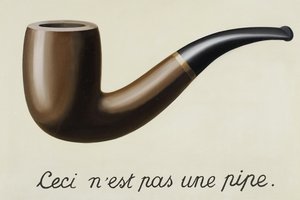
Vuonna 1926 Magritte oli täysin omaksunut surrealististen periaatteiden. Hän loi *Le Jockey Perdu (The Lost Jockey)* -maalauksen, jota laajalti pidetään hänen ensimmäisenä aidosti surrealistisena teoksenaan. Kuitenkin hänen brändinsä surrealismi ei ollut yksinkertainen. Hän ei ollut kiinnostunut tutkimaan alitajuntaa vapaalla assosiaatiolla tai unelmamerkillä kuten jotkut hänen aikansa kollegoistaan. Sen sijaan Magritte pyrki haastamaan katsojien havaintoja todellisuudesta esittämällä tavallisia esineitä odottamattomissa yhteyksissä, pakottaen heidät kyseenalaistamaan oletuksiaan maailmasta ympärillään. Ikoniset teokset kuten *The Treachery of Images (This is not a pipe)* (1929) hajottavat yksinkertaisesti kuvan ja esineen suhdetta, muistuttaen meitä siitä, että esitys ei koskaan ole itse asia. *Les Amants (The Lovers)* (1927-1928), jonka naamioidut hahmot heijastavat äitinsä itsemurhan traumoja samalla kun ne tutkivat salaisuuden ja intiimyyden teemoja. *Time Transfixed* (1938) esittää junan, joka tunkeutuu tiiliseinään, häiriten meidän käsitystämme tilasta ja ajasta. Ja *The Human Condition* (1933), canvas sisällä canvas, hämärtää esityksen ja todellisuuden rajat, kannustaen meitä pohtimaan, miten havaitsemme ja tulkitsemme maailmaa.
Later Life, Recognition, and Enduring Legacy
Alkuperäisen tunnustuksen puutteen jälkeen Magritten teokset saavuttivat vähitellen tunnettuutta, erityisesti Yhdysvalloissa näyttelyiden kautta New Yorkissa 1936 ja myöhemmin retrospektiivisten näyttelyjen kautta Museum of Modern Artissa (1965) ja Metropolitan Museum of Artissa (1992). Hän pysyi poliittisesti aktiivisena koko elämänsä ajan, puolustaen taiteellista autonomiaa. Hän hienosääti tunnusomaisen tyylinsä, tutki toistoa, illuusiota ja kielen voimaa maalauksissa, jotka ovat sekä älyllisesti stimuloivia että visuaalisesti lumoavia. Magritte kuoli elokuun 15 päivänä vuonna 1967, jättäen jälkeensä teoksen, joka jatkaa vakuuttamaan ja haastamaan katsojia ympäri maailmaa. Hänen vaikutuksensa ulottuu taiteen rajojen ulkopuolelle, vaikuttamalla pop-arttiin, minimalistiseen taiteeseen, konseptaaliseen taiteeseen ja jopa mainontaan ja elokuviin. Nykyään hänen maalauksensa säilytetään suurissa museokokoelmissa ympäri maailmaa, mukaan lukien Brysselissä sijaitseva Musées royaux des beaux-arts de Belgique, jossa on Magritten museo – joka omistuu kokonaan hänen teoksilleen ja jonka kokoelma sisältää maailman suurimman valikoiman hänen luomuksiaan.
- Museokokoelmat: Musées royaux des beaux-arts de Belgique, Bryssel; Magritte Museum.
Magritten elinikäinen perintö perustuu kykyynsä tehdä meistä näkemään tutun uudelleen, kyseenalaistamaan oletuksiamme todellisuudesta ja arvostamaan taiteen voimaa herättämään ajatuksia ja inspiroimaan ihmetystä. Hän ei vain maalannut kuvia; hän loi visuaalisia paradokseja, jotka jatkavat resonointiaan katsojien keskuudessa vuosikymmenten jälkeen luomiskertonsa. Hänen tyylinsä on yhdistelmä tarkkaa havainto- ja tulkintakykyä.
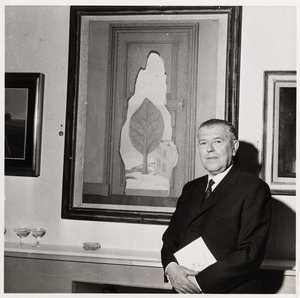
René Magritte
1898 - 1967 , Belgia
Tietoa taiteilijasta
- Artistic Movement Or Style: Surrealismi
- Artists Or Movements Influenced By This Artist:
- Pop art
- Minimalist art
- Artists Who Influenced This Artist: ['Giorgio de Chirico']
- Date Of Birth: 21. marraskuuta 1898
- Date Of Death: 15. elokuuta 1967
- Full Name: René François Ghislain Magritte
- Nationality: Belgialainen
- Notable Artworks:
- Les Amants
- The Treachery of Images
- Time Transfixed
- Place Of Birth: Lessines, Belgia
Aiheeseen liittyvät artikkelit
The Treachery of Images: Decoding René Magritte’s Surrealist Philosophy and the Paradox of Representation
Explore the profound mystery of René Magritte’s 'The Treachery of Images.' Dive into an expert analysis of his Surrealist philosophy, the paradox of representation, and how he challenged reality through the interplay of language and visual perception.
Surrealismin mestariteokset: 10 taideteosta, jotka muuttivat maailmaa – OriginalUniqueArt.fi
Uppoudu surrealismin maailmaan! Tutustu 10 ikoniseen taideteokseen Dalín, Magritten ja Mirón mestareilta. Taiteen historiaa, tekniikoita & inspiraatiota sisustukseen. Laadukkaat taideprintit OriginalUniqueArt.com:ssa – löydä unelmien maalauksesi!
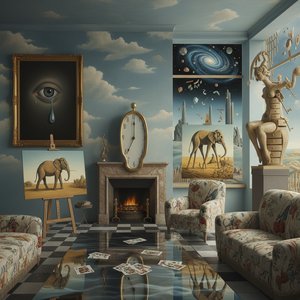
Surrealismin mestariteokset: 10 taideteosta, jotka muuttivat maailmaa – OriginalUniqueArt.com
Uppoudu surrealismin maailmaan! Tutustu 10 ikoniseen taideteokseen Dalín, Magritten ja Mirón mestariteoksista. Inspiroivaa sisustusta ja korkealaatuisia taideprinttejä OriginalUniqueArt.com:ssa. Löydä kokoelma verkossa!
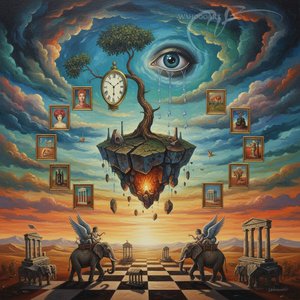
Surrealismin mestariteokset: 10 taideteosta, jotka muuttivat maailmaa – OriginalUniqueArt.com
Uppoudu surrealismin maailmaan! Tutustu 10 ikoniseen taideteokseen Dalín, Magritten ja Mirón mestariteoksista. Inspiroi kotisi modernilla taiteella – löydä korkealaatuiset taideprintit OriginalUniqueArt.com:sta.

The Treachery of Images: Decoding René Magritte’s Surrealist Vision and the Paradox of Representation
Delve into the profound mysteries of René Magritte’s Surrealism. Explore an expert analysis of 'The Treachery of Images,' decoding the philosophical paradoxes and visual subversions that redefined modern art history for collectors and connoisseurs alike.