

 Katso seinällä
 Lähetä
 Jaa
Jaa
 Tarkemmat tiedot
 Opas
Opas

 Lataa kuva
 Samanlaisia kohteita
 Röntgenkuvaus
 Diaesitys
 Tilastot
Deux Children Sitting,


 Lue lisää
Käsinmaalattu öljyvärinen jäljennös
Käsinmaalattu öljyväri kankaalle haluamassasi koossa ja kehyksissä, taiteilijoidemme valmistamana tilauksesta. ( Vaihda tulosteeseen Siirry digitaaliseen kuvaan)




P118B €10

P118H €10

P118W €10

P438Z €10

P508JH €12

P508YH €12

P805H €10

P805Z €10

P919BZ €10

P919G €10

P919XJ €10

P959ZH €10

P968JZ €12

W106C €8

W218G €10

W218JH €8

W218Y €10

W307PJ €10

W316G €10

W316PJ €8

W316Y €10

W398PJ €8

W4111J €10

W500HY €15

W500JH €15

W692G €12

W849H €8

W940BG €15

W953PJ €8




Valitse valmiista mitoistamme sellaiset, jotka vastaavat teoksen alkuperäisiä mittasuhteita.

Kirjoita tarvitsemasi leveys ja korkeus, jotta teos sopii kehyskehyksiisi tai seinällesi. Koska kyseessä on käsinmaalattu teos, taiteilija voi maalata hieman enemmän kuvan ympärille tai rajata sitä hieman, jos haluat eri muotoisen koon — valinta on sinun. Lähetämme sinulle digitaalisen mallikuvan hyväksyttäväksi ennen kuin maalaus alkaa. Tällä sivulla näkyvä kuva ei vastaa lopullista tulosta — vain mallikuva näyttää sen.
Tilauksen jälkeen OriginalUniqueArt.com -tiimi lähettää asiakkaalle sähköpostitse ohjeet ja esikatselukuvan.
Maailmanlaajuinen toimitus () 3–4 viikossa tavallisen 5 viikon sijaan. (23 lokakuu). Laadusta ei tingitä.

Ilmainen pikatoimitus ympäri maailman

Korkealaatuinen pellavakangas

Kattava kuljetusvakuutus

Tulliveron palautustakuu

Takuu täydellisestä värien vastaavuudesta

100 päivän palautusoikeus valmistusvirhetapauksissa

100% rahat takaisin -takuu

Määräalennus saatavilla
 Lasivaihtoehto on saatavilla vain alle 110 cm kokoisille teoksille

Deux Children Sitting,
Reproduktiotapa
Replikaatin koko
-


Kokonaishinta
€ 264
The Enigmatic Grace of Pinturicchio: A Renaissance Master
Bernardino di Betto, universally known as Pinturicchio – a nickname affectionately bestowed upon him for his diminutive stature – stands as a captivating figure within the vibrant tapestry of 15th-century Italian art. Born in Perugia in 1454, Pinturicchio’s life unfolded during a period of profound artistic transformation, the High Renaissance blossoming across Italy while he carved out a unique and enduring legacy. Unlike the monumental ambition of giants like Leonardo da Vinci or the dramatic realism of Michelangelo, Pinturicchio cultivated a style defined by refined grace, intricate detail, and a luminous, decorative sensibility – a testament to his exceptional skill in transforming established forms into something uniquely captivating.
His early training remains somewhat shrouded in mystery, likely nurtured within the workshops of lesser-known Perugian painters. However, it’s clear that Pinturicchio absorbed the essence of the Umbrian School of Painting, inheriting its characteristic elegance and a deep appreciation for color. This foundation would later inform his work across various commissions, from the opulent Borgia Apartments in Rome to the serene beauty of the Piccolomini Library in Siena. His career wasn’t one of revolutionary upheaval, but rather a meticulous refinement – a testament to his mastery of technique and his ability to imbue even seemingly simple subjects with profound emotional resonance.
“Deux Children Sitting”: A Study in Innocence and Connection
"Deux Children Sitting" is a captivating depiction of two young children nestled together on the ground, their hands clasped in a gesture of quiet contemplation. Painted in 1513 by Pinturicchio, this work transcends mere representation; it’s an exploration of innocence, vulnerability, and the profound connection between human beings. The scene unfolds with remarkable intimacy – the children are positioned close to one another, bathed in soft light that suggests a timeless serenity. Their nakedness is not presented as provocative but rather as a symbol of purity and unburdened joy, highlighting their inherent beauty and innocence.
The composition itself is remarkably balanced, with the figures occupying the central space and creating a sense of harmonious unity. The surrounding details – the scattered smaller figures, the suggestion of a landscape beyond – contribute to a feeling of quiet contemplation and invite the viewer to share in the children’s peaceful moment. Pinturicchio's masterful use of color—muted earth tones punctuated by subtle highlights—further enhances the work’s sense of tranquility and understated beauty.
A Master at Work: Technique and Context
Pinturicchio was renowned for his meticulous technique, a hallmark of his style. He employed tempera on panel, a medium that allowed him to achieve remarkable detail and luminosity. His brushwork is incredibly delicate, with subtle gradations of color creating a sense of depth and texture. The artist’s attention to anatomical accuracy is evident in the children's forms, yet he avoids the rigid formality often associated with Renaissance portraiture, instead favoring a more fluid and expressive approach.
Furthermore, understanding Pinturicchio requires acknowledging his historical context. He worked during a period of immense artistic innovation, influenced by Perugino, Luca Signorelli, and other masters of the Umbrian School. Yet, he maintained a distinct voice, prioritizing grace and decorative elegance over dramatic grandeur. His work reflects the humanist ideals of the Renaissance, celebrating human beauty and fostering a sense of connection between individuals and the natural world.
Rediscovering Pinturicchio: Reproductions for Today
Today, “Deux Children Sitting” is available as a stunning hand-painted reproduction by OriginalUniqueArt.com, offering art lovers the opportunity to bring this timeless masterpiece into their homes or offices. The meticulous attention to detail and vibrant colors of the original are faithfully reproduced using traditional techniques, ensuring that every piece captures the essence of Pinturicchio’s artistic vision. Whether you're an admirer of Renaissance art, a collector seeking unique pieces, or simply someone who appreciates beauty and tranquility, this reproduction offers a captivating glimpse into the world of one of Italy’s most enigmatic masters.
Kysymykset ja vastaukset
Onko Pinturicchio teos "Deux Children Sitting," tekijänoikeudeltaan vapaa (public domain), ja miksi?
Teoksen "Deux Children Sitting," tekijänoikeustilanne - tekijänoikeusvapaa – sen tekijänoikeussuoja on päättynyt - perustuu taiteilijan kuolinvuoteen 1513.
Minkä kokoisena minun kannattaisi tulostaa "Deux Children Sitting," huoneeseeni?
Living Room-tilaan "Deux Children Sitting,"-teokselle suositellaan Medium-kokoista tulostetta.
Mikä on teoksen Pinturicchio:n "Deux Children Sitting," luminanssi?
Teoksella Pinturicchio:n "Deux Children Sitting," on Gentle Luminance luminanssi. Luminanssi kuvaa sitä, kuinka paljon värit näyttävät heijastavan valoa.
Taiteilijan elämäkerta
Pinturicchion arvoituksellinen sielukku: Renessanssin mestari
Bernardino di Betto, maailmalta nimellä Pinturicchio tunnettu – lempinimi, joka hänelle annettiin hellästi hänen pienikokoisuudestaan johtuen – nousi esiin Perugian taiteellisesta sydämestä vuonna 1454. Hänen elämänsä kietoutui valtavan kulttuurisen murroksen aikaan, jolloin korkearenessanssi kukoisti ympäri Italiaa, mutta Pinturicchio löysi itselleen ainutlaatuisen polun. Hän yhdisti goottilaisten perinteiden viipyilevän eleganssin aikakauden nouseviin innovaatioihin. Vaikka jättiläiset kuten Leonardo da Vinci ja Michelangelo tavoittelivat anatomista täydellisyyttä ja dramaattista realismia, Pinturicchio vaali tyyliä, jota leimasivat hienostunut sulavuus, monimutkainen yksityiskohtaisuus ja eläväinen, koristeellinen herkkyys. Hänen matkansa ei ollut vallankumouksellinen mullistus, vaan pikemminkin äärimmäistä hienostuneisuutta – todiste hänen taidostaan muuttaa vakiintuneet muodot joksikin ainutlaatuminen lumoavaksi.Umbrialaisista työpajoista paavillisiin tilauksiin
Pinturicchion varhaiset opinnot pysyvät osittain mysteerin peitossa, vaikka uskotaan hänen hioneen taitojaan vähemmän tunnettujen perugialaisten mestareiden, kuten Bonfiglin ja Fiorenzo di Lorenzon, johdolla. Ratkaiseva hetki koitti, kun hän pääsi osaksi Pietro Perugino, umbrialaisen koulukunnan johtohahmon, vaikutuspiiriä. Giorgio Vasarin mukaan Pinturicchio toimi Perugino avustajana, mikä muokkasi kiistatta hänen taiteellista kehitystään. Tämä yhteys osoittautui ratkaisevaksi Rooman Sistini kappelin työn saamiseksi 1500-luvun alussa. Työskenneltyään aikansa kuuluisimpien taiteilijoiden, kuten Botticellin, Ghirlandain ja Signorellin rinnalla, Pinturicchio osallistui tähän monumentaaliseen projektiin, vaikka hänen freskonsa myöhemmin tuhottiinkin Michelangelon Viimeinen tuomio -teoksen tieltä. Tämä kokemus toimi kuitenkin tärkeänä ponnahduslautana, joka altisti hänet uusille vaikutteille ja vakiinnutti hänen mainettaan.Hedelmällinen kausi: Rooma ja Borgia-huoneet
Vuodet 1484 ja 1492 merkitsivät Pinturicchiolle intensiivisen tuottavuuden aikaa, joka keskittyi pääasiassa Roomaan. Hän sai tilauksia arvostetuilta suvuilta, kuten Della Roverelta, koristellen Santa Maria del Popolon kirkon kappeleita omintakeisella tyylillään. Nämä teokset osoittivat hänen freskotekniikkansa mestaruuden, jolle olivat tyypillisiä herkät hahmot, rikkaasti koristellut taustat ja taipumus monimutkaisiin koristeaiheisiin. Kuitenkin juuri työ paavi Aleksanteri VI:n – Rodrigo Borgian – puolesta sinetöi hänen paikkansa taidehistoriassa. Pyytäessään häntä koristelemaan Vatikaanin palatsin Borgia-huoneet vuosien 1492 ja 1494 välillä, paavi antoi Pinturicchiolle mahdollisuuden luoda huonekokonaisuus, joka oli loistokkaasti koristeltu mytologisilla kohtauksilla, muotokuvilla ja allegorisilla esityksillä. Nämä huoneet, vaikka ne ovatkin kiistanalaisia yhteydessään kuuluisaan Borgia-sukuun, seisovat renessanssin koristeellisen taiteen upeana esimerkkinä paljastaen Pinturicchion kyvyn yhdistää klassiset aiheet omaan ainutlaatuiseen esteettiseen herkkyyteensä. Kullan käyttö, eloisat värit ja illuusiotekniikat loivat ylellisyyden tuntua, joka heijasti paavillisen hovin valtaa ja kunnianhimoa.Perintö ja kestävä vaikutus
Pinturicchion taiteellinen perintö on hienostunutta eleganssia ja huolellista käsityötä. Vaikka hän ei ehkä saavuttanut samaa kuuluisuuden astetta kuin jotkut aikalaisensa, hänen vaikutuksensa myöhempiin taiteilansauluksiin on kiistaton. Hänen ainutlaatuinen tyylinsä – goottilaisen sulavuuden ja renessanssin innovaatioiden harmoninen liitto – puhutteli niitä, jotka arvostivat hienovaraisuutta ja yksityiskohtia. Hän osoitti poikkeuksellista kykyä luoda visuaalisesti häikäiseviä kokonaisuuksia, jotka olivat sekä esteettisesti miellyttäviä että älyllisesti stimuloivia. Hänen työnsä Sienan Piccolomini-kirjastossa, joka valmistui pian ennen hänen kuolemaansa vuonna 1513, on todistus hänen kestävästä lahjakkuudestaan. Paavi Pius II:n elämää esittävät freskot osoittavat muodon ja värin selkeyttä, joka ennakoi korkearenessanssin tyyliä. Pinturicchion taide jatkaa lumoamista katsojia vielä tänäkin päivänä tarjoten ikkunan kauneuden, hienostuneisuuden ja taiteellisen mestaruuden maailmaan – maailmaan, jossa "pienen maalarin" herkkä kosketus jätti peruuttamattoman jäljen italialaisen renessanssitaiteen maisemaan.- Merkittäviä teoksia: Sistini kappelin freskot (tuhoutuneet), Borgia-huoneet Vatikaanissa, Piccolomini-kirjasto Sienassa.
- Vaikutteet: Perugino, umbrialainen maalauskoulu, goottilaiset perinteet.
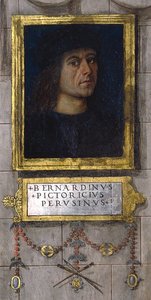
Pinturicchio
1454 - 1513 , Italia
Tietoa taiteilijasta
- Artistic Movement Or Style: Umbrian School Painting
- Artists Who Influenced This Artist:
- Pietro Perugino
- Bonfigli
- Fiorenzo di Lorenzo
- Date Of Birth: 1454 Perugia
- Date Of Death: 1513 Siena
- Full Name: Bernardino di Betto
- Nationality: Italian
- Notable Artworks:
- Sistine Chapel frescoes
- Borgia Apartments decor.
- Saint Augustine
- Place Of Birth: Perugia Italy
Aiheeseen liittyvät artikkelit

Fresko perinnön vartijana: Maalaa sukuhistoriasi seinille
Elävöitä sukuhistoriasi upeilla freskoilla! Opas seinämaalausten suunnitteluun, symboliikkaan ja toteutukseen. Inspiraatiota ja vinkkejä perintösi vaalimiseen.

The Enduring Legacy of Fresco: Technique, History & Artistic Expression Across Cultures
Explore the rich history & enduring legacy of fresco painting! Discover ancient techniques, Giotto's masterpieces, and modern applications. Expert insights for art lovers & professionals.

The Enduring Legacy of Fresco Painting: Techniques, History & Contemporary Relevance
Explore the rich history & enduring artistry of fresco painting – from Giotto to Michelangelo! Discover techniques, conservation efforts, & modern applications. Learn how OriginalUniqueArt brings this timeless art form to your home.

The Enduring Legacy of Fresco: Technique, History & Artistic Expression
Explore the rich history & enduring artistry of fresco painting. Discover techniques from Giotto to Michelangelo, conservation efforts, & modern applications. Learn how OriginalUniqueArt brings this timeless art form to your home.

Taide, joka elää kanssasi: Räätälöidyn sisäfreskon emotionaalinen voima
Tutustu freskon emotionaaliseen voimaan ja sen kykyyn kertoa tarinoita kodissasi. Räätälöidyt seinämaalaukset luovat ainutlaatuisen tunnelman. Lue asiantuntija-artikkelimme!