
 Esikatselu
 Jaa teos
 Jaa
Jaa
 Tiedot
 Opas
Opas

 Lataa kuva
 Samanlaisia kohteita
 Röntgenkuvaus
 Diaesitys
 Q&A
Q&A Tilastot
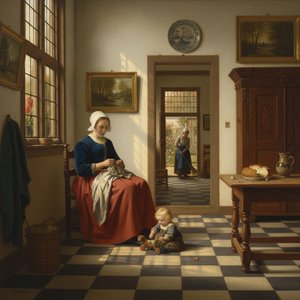
The Visit

- 68.0 x 58.0 cm


 Lue lisää
Giclée- ja taideprintit
Museolaatuisia giclée- tai kankaitaulun tulosteita nopealla tuotannolla ja joustavilla viimeistelyvaihtoehdoilla. ( Osta käsinmaalattu taideteos Siirry digitaaliseen kuvaan)




P118B €10

P118H €10

P118W €10

P438Z €10

P508JH €12

P508YH €12

P805H €10

P805Z €10

P919BZ €10

P919G €10

P919XJ €10

P959ZH €10

P968JZ €12

W106C €8

W218G €10

W218JH €8

W218Y €10

W307PJ €10

W316G €10

W316PJ €8

W316Y €10

W398PJ €8

W4111J €10

W500HY €15

W500JH €15

W692G €12

W849H €8

W940BG €15

W953PJ €8




Valitse valmiista mitoistamme sellaiset, jotka vastaavat teoksen alkuperäisiä mittasuhteita.

Syötä tarvitsemasi leveys ja korkeus, jotta tuloste sopii kehyksiisi tai seinällesi. Tulostetta voidaan vain leikata, sitä ei voida koskaan suurentaa alkuperäistä kuvaa suuremmaksi, joten eri muotoinen koko aiheuttaa osan kuvasta katoamisen. Lähetämme sinulle digitaalisen mallikuvan hyväksyttäväksi ennen kuin aloitamme tulostuksen. Tällä sivulla näkyvä kuva ei näytä lopullista rajausta — vain mallikuva näyttää sen.
Maailmanlaajuinen toimitus () 2 viikossa tavallisen 4–5 viikon sijaan. (1 marraskuu)

Ilmainen pikatoimitus ympäri maailman

Korkealaatuinen pellavakangas

Kattava kuljetusvakuutus

Tulliveron palautustakuu

Takuu täydellisestä värien vastaavuudesta

100 päivän palautusoikeus (vain valmistusvirheet)

100% rahat takaisin -takuu

Määräalennus tarjolla
 Lasivaihtoehto on saatavilla vain alle 110 cm kokoisille teoksille

The Visit
Giclée- ja taideprintit
Replikaatin koko
-


Kokonaishinta
€ 71
A Moment Frozen in Delft Light
In the quiet, sun-drenched interiors of the seventeenth century, moments of profound connection were often found in the most mundane settings. Pieter de Hooch's "The Visit," painted in 1657, stands as a quintessential emblem of Dutch Baroque artistry—a deceptively simple tableau that speaks volumes about the social fabric and artistic sensibilities of its era. Captured in muted tones of ochre, ivory, and charcoal gray, this masterpiece transports us back to Delft during the zenith of the Dutch Golden Age, offering an intimate glimpse into the daily life of a bourgeois household. The painting’s enduring appeal lies not merely in its visual beauty but also in its masterful execution and subtle symbolic resonance, inviting viewers to step through a doorway into a world of domestic tranquility.
The scene unfolds with a palpable sense of realism, as de Hooch captures a group of individuals gathered around a dining table. There is a quiet drama in the way the figures are positioned; some stand while others sit, their presence suggesting a convivial conversation and shared enjoyment. The table itself is laden with details that ground the scene in reality—multiple wine glasses catch the light, hinting at a celebratory or social meal, while a book rests near one of the guests, perhaps a remnant of a shared intellectual pursuit before dinner began. Even the subtle inclusion of a clock on the wall serves as a poignant reminder of the passage of time, anchoring this fleeting social interaction within the eternal flow of history.
Mastery of Light and Texture
De Hooch's style embodies the Baroque preoccupation with illusionism and chiaroscuro—the dramatic interplay between light and shadow. Unlike the overtly theatrical compositions of his contemporaries, "The Visit" achieves grandeur through the meticulous observation of natural light filtering into a domestic interior. The artist skillfully renders textures with remarkable accuracy; one can almost feel the grain of the worn wooden bench and the crispness of the linen tablecloth. Through subtle gradations of tone, de Hooch sculpts form and conveys a profound sense of depth, drawing the viewer’s eye into the room's corners and through its architectural layers.
This technical precision makes the work an extraordinary subject for high-quality reproductions. For the art collector or interior designer, the painting offers a sophisticated palette that complements a variety of decor styles. Its monochrome-leaning tones of gray and earth colors provide a neutral yet emotionally resonant anchor for a room, bringing a sense of historical weight and calm sophistication to any space. The way de Hooich utilizes light creates an atmospheric quality that can transform a modern living area into a sanctuary of classical elegance.
A Reflection of Golden Age Prosperity
Beyond its aesthetic brilliance, "The Visit" reflects a pivotal moment in Dutch history—the burgeoning prosperity fueled by global trade and exploration. During this era, Delft was a thriving center for craftsmanship and commerce, attracting affluent families eager to establish their social standing through the cultivation of refined domestic environments. De Hooch’s depiction captures the aspirational ideal of bourgeois comfort: a world where peace, plenty, and companionship are the ultimate markers of success.
To possess a reproduction of this work is to invite the spirit of the Dutch Golden Age into one's home. It serves as more than just decoration; it is a window into a vanished era of stability and grace. Whether placed in a sunlit study or a formal dining room, "The Visit" continues to inspire awe through its ability to find the extraordinary within the ordinary, reminding us that true beauty often resides in the quietest moments of human connection.
Kysymykset ja vastaukset
Miten "The Visit" asettuu osaksi Pieter de Hooch'n muuta tuotantoa?
Pieter de Hooch'n tuotannossa "The Visit" edustaa Baroque-tyyliä ja kytkeytyy baroque realism, domestic tranquility, dutch society, light’s subtle grace, artistic legacy teemoihin.
Miten voin hankkia teoksen Pieter de Hooch:n "The Visit" digitaalisen tiedoston?
Teoksen Pieter de Hooch:n "The Visit" digitaalisen kuvan voi ostaa sen Digitaalinen teos -sivulta: korkearesoluutioinen digitaalinen kuvalataus.
Kuka on teoksen "The Visit" taiteilija?
Teoksen "The Visit" taiteilija on Pieter de Hooch. Teos on luetteloitu Pieter de Hooch nimellä.
Taiteilijan elämäkerta
nuoruus ja taiteellinen koulutus
Pieter de Hooch, hollanninkultakauden merkittävä hahmo, syntyi 20. joulukuuta 1629 Rotterdamiin, Alankomaihin. Hän oli muurari Hendrick Hendricksz de Hoochin ja kätilö Annetje Pietersin viiden lapsen van vanhin. Hänen varhaisvuosistaan tiedetään vain vähän, mutta uskotaan hänen työskennelleen Rotterdamissa, Delftissä ja Amsterdamissa. De Hoochin taiteellinen koulutus tapahtui Haarlemissa maisema-maalari Nicolaes Berchemin ohjauksessa yhdessä Jacob Ochterveltin kanssa. Tämä ajanjakso loi perustan hänen tulevalle menestykselleen hiljaisten, avoimien oviaukkojen täyttämien kotikohtausten maalaajana.taiteellinen tyyli ja teemat
de Hoochin tuotetta leimaa äärimmäinen yksityiskohtien tarkkuus, naturalismi ja valon mestarillinen käyttö. Hänen maalauksensa vangitsivat usein arkipäivän elämää heijastaen nousevan keskiluokan arvoja ja pyrkimyksia. Erinomainen esimerkki tästä tyylistä on "piemen pihapiiri Delftissä" (1658), joka osoittaa hänen kykynsä vangita arkielämän tavalliset mutta lumoavat yksityiskohdat. Vaikka de Hoochin teoksissa on nähtävissä samankaltaisia teemoja ja sommitelmia kuin Emanuel de Wittellä, hänen keskittymisensä ihmisiin ja heidän välisiin suhteisiinsa erottaa hänet muista mestareista. Tämä näkyy selvästi teoksissa "imettävä nainen" (1658) ja "nainen lapsi sylissään" (1658), jotka ilmentävät hänen syvää kiinnostustaan kotielämän intiimeihin hetkiin.merkittävät teokset ja perintö
jotkut de Hoochin tunnetuimmista teoksista sisältävät:- "iloinen juoja" (n. 1650)
- "kortinpelaajia valoisassa huoneessa" (1658)
- "nainen valmistamassa leipää ja voita pojalle" (1661)
museot ja kokoelmat
de Hoochin teoksia löytyy useista museoista, kuten Belgian Antwerpenin Koninklijk Museum voor Schone Kunsten -museosta, joka kätkee sisäänsä valtavan kokoelman eurooppalaista taidetta 1400-luvulta 1900-luvulle. löydä lisää Pieter de Hoochista ja hänen teoksistaan OriginalUniqueArtsta: [https://OriginalUniqueArt.com/@/pieter-de-hooch](https://OriginalUniqueArt.com/@/pieter-de-hooch) /fi/art/show/art-d3b4kt-fi/ (tutustu Belgian Koninklijk Museum voor Schone Kunsten -museon mestariteoksiin)
Pieter de Hooch
1629 - 1694 , Alankomaat
Pähkinänkuoressa
- Artistic Movement Or Style: Delftin koulunkuona
- Artists Or Movements Influenced By This Artist: ['Jan Vermeer']
- Artists Who Influenced This Artist:
- Nicolaes Berchem
- Ludolf de Jongh
- Date Of Birth: 20. joulukuuta 1629 Rotterdam
- Date Of Death: n. 1683 Amsterdam
- Full Name: Pieter Hendricksz. de Hooch
- Nationality: Alankomaalainen
- Notable Artworks:
- The Pantry
- Servant and young Boy in a Courtyard
- Man smoking and Woman drinking in a Courtyard
- Place Of Birth: Rotterdam, Alankomaat
Aiheeseen liittyvät artikkelit

Golden Light & Dutch Skies: The Timeless Magic of Dutch Golden Age Landscapes
Discover the breathtaking beauty of Dutch Golden Age landscapes. Explore the mastery of light, chiaroscuro, and 17th-century realism through an expert art history lens, celebrating the enduring legacy of the Dutch Masters for discerning collectors and art lovers.

Willem van de Velde the Elder: Master of Maritime Painting & Chronicler of the Dutch Golden Age
Discover the captivating maritime paintings of Willem van de Velde the Elder, a master chronicler of the Dutch Golden Age. Explore his unparalleled realism and lasting influence on naval art history.

Mastering Light & Shadow: A Journey Through the Dutch Golden Age's Luminous Legacy
Embark on a cultural journey through the Dutch Golden Age. Explore the masterful interplay of light and shadow in 17th-century masterpieces, from Rembrandt to Vermeer, and discover how this era of profound realism continues to inspire fine art collectors today.
Pieter de Hooch: Illuminating Dutch Domestic Life & Golden Age Charm
Explore the captivating world of Pieter de Hooch, a master of Dutch Golden Age painting. Discover his innovative use of light, intimate domestic scenes, and lasting influence on art history. Learn more at OriginalUniqueArt.

Hollantilaisen kultakauden 10 mestariteosta – Taidetta kotiisi OriginalUniqueArt.com
Uppoudu hollantilaisen kultakauden taiteen maailmaan! Tutustu Rembrandtin, Vermeerin ja muiden mestareiden ikonisiin maalauksiin. Löydä inspiraatiota kotiisi OriginalUniqueArt.com:ista – laadukkaat taidevedokset ja sisustustaulut jokaiseen tilaan. Explore the full collection online!


