
 Esikatselu
 Jaa
Jaa Jaa
Jaa
 Tarkemmat tiedot

 Lataa
Lataa
 Samanlaisia
 Röntgenkuva
 Diaesitys
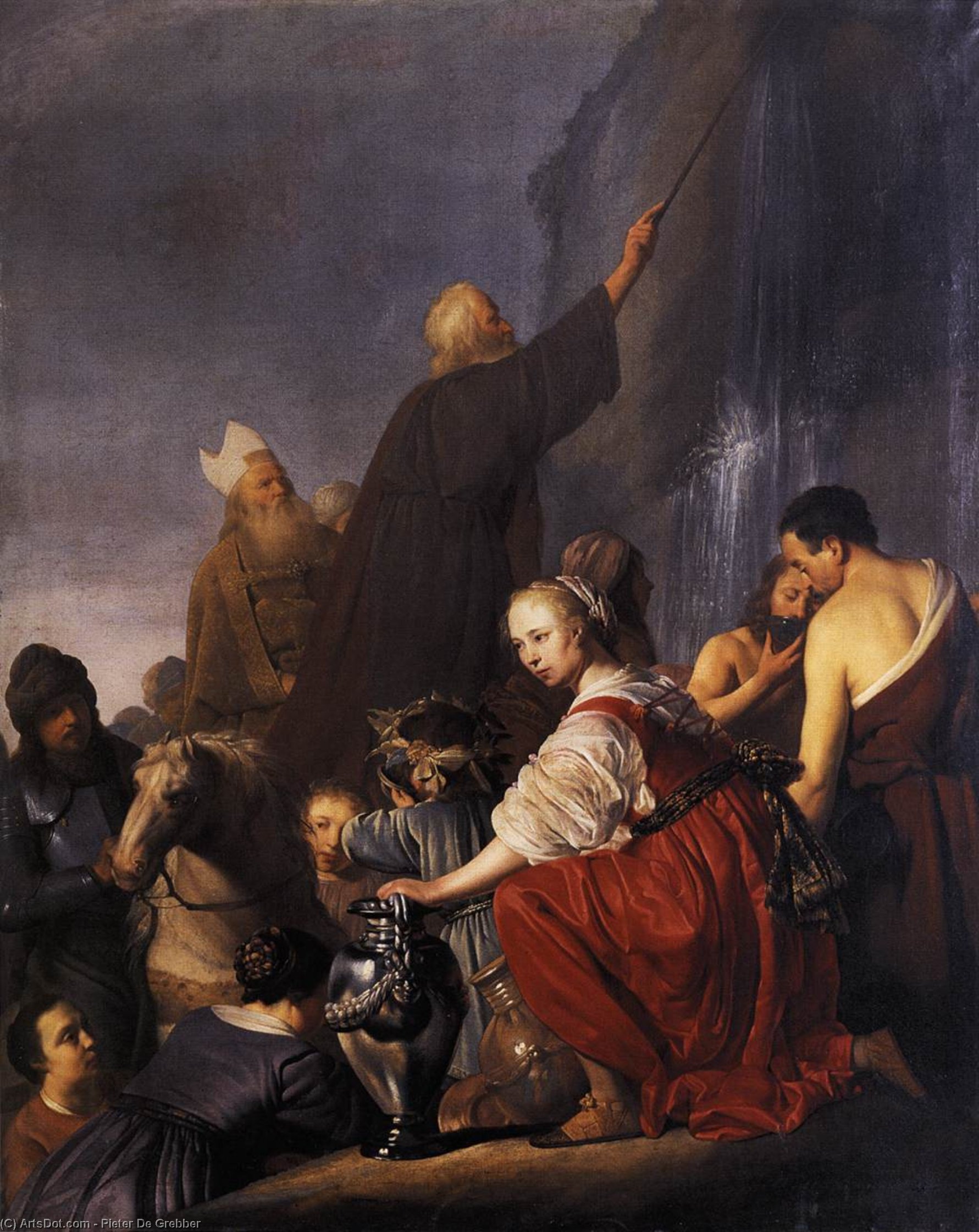
Moses Striking the Rock
 Oil
Oil- WallArt
- Baroque
 1630
1630- Early Modern
 165.0 x 132.0 cm
 Musée Des Beaux
 Näytä lisää
Giclée-printit ja taideprintit
Museolaatuisia giclée- tai kankaitaulun tulosteita nopealla tuotannolla ja joustavilla viimeistelyvaihtoehdoilla. ( Osta käsintehty maalaus Osta kuva)




P118B $10

P118H $10

P118W $10

P438Z $10

P508JH $12

P508YH $12

P805H $10

P805Z $10

P919BZ $10

P919G $10

P919XJ $10

P959ZH $10

P968JZ $12

W106C $8

W218G $10

W218JH $8

W218Y $10

W307PJ $10

W316G $10

W316PJ $8

W316Y $10

W398PJ $8

W4111J $10

W500HY $15

W500JH $15

W692G $12

W849H $8

W940BG $15

W953PJ $8




Valitse valmiista mitoistamme sellaiset, jotka vastaavat teoksen alkuperäisiä mittasuhteita.

Voit syöttää omat mitat sopiaksesi tiettyyn kehykseen tai tilaan. Jos valittu koko ei vastaa alkuperäisen kuvan mittasuhteita, rajaamme teosta tai laajennamme kuvaa peilatulla tai yhtenäisellä reunalla. Digitaalinen mallikuva lähetetään hyväksyttäväksi ennen tuotannon aloittamista.
Huomaathan, että näytöllä näkyvä esikatselu ei vastaa lopullista rajausta tai laajennusta. Vain mallikuva näyttää lopullisen sommittelun tarkasti.
Vaikka räätälöityjä kokoja on saatavilla, suosittelemme valitsemaan mitat valmiista listasta alkuperäisten mittasuhteiden säilyttämiseksi.
Toimitus maailmanlaajuisesti () kahdessa viikossa tavallisen 4–5 viikon sijaan. (21 elokuu)

Ilmainen pikatoimitus ympäri maailman

Korkealaatuinen pellavakangas

Kattava kuljetusvakuutus

Tulliveron palautustakuu

Täydellinen värien vastaavuustakuu

60 päivän palautusoikeus (vain valmistusvirheet)

100% rahat takaisin -takuu

Määräalennus tarjous
 Lasivaihtoehto on saatavilla vain alle 110 cm kokoisina teoksina

Moses Striking the Rock
Giclée-printit ja taideprintit
Replikaatin koko
-


Kokonaishinta
$ 80
Teoksen kuvaus
A Divine Moment Captured in Oil
In the grand tradition of the Dutch Golden Age, Pieter de Grebber’s Moses Striking the Rock stands as a profound testament to the power of biblical narrative and the mastery of light. Painted around 1630, this monumental work transports the viewer directly into the heart of a miraculous event. The scene is one of intense spiritual drama: Moses, positioned with commanding presence on the left, raises his staff to strike the stone, an act that triggers a life-sustaining flow of water for his wandering people. De Grebber does not merely depict a historical or religious milestone; he captures the very tension between human desperation and divine intervention.
The composition is masterfully orchestrated to guide the eye through a landscape of both physical and emotional struggle. As the viewer’s gaze wanders across the canvas, it encounters a diverse assembly of figures—some gathered in close anticipation near the foreground, others receding into the rugged, rocky terrain of the background. The inclusion of horses, positioned strategically within the mid-ground, adds a layer of classical grandeur and movement to the scene, grounding the miraculous event in a tangible, earthly reality. This interplay between the monumental scale of the landscape and the intimate expressions of the onlookers creates a sense of immersive theater.
Mastery of Technique and Light
Pieter de Grebber, a prominent figure in the Haarlem school, utilizes a technique that reflects his deep training under masters like Hendrick Goltzius. The painting is characterized by a sophisticated use of chiaroscuro, where the interplay of light and shadow breathes life into the textures of the rocky terrain and the heavy drapery of the figures' garments. The light does not merely illuminate; it sanctifies, catching the edge of the staff and highlighting the faces of those witnessing the miracle, thereby directing the emotional focus of the piece.
For the discerning collector or interior designer, this work offers a rich tapestry of textures that can serve as a breathtaking focal point in any sophisticated space. The earthy tones of the landscape are balanced by the dramatic highlights, making it a versatile piece that complements both classical and contemporary settings. A high-quality reproduction of this masterpiece allows one to bring the weight of history and the brilliance of 17th-century Dutch artistry into a modern home, providing a conversation piece that speaks of resilience, faith, and the enduring beauty of the human spirit.
A Legacy of Devotion and Artistry
Beyond its visual splendor, Moses Striking the Rock carries the profound weight of its historical context. Born into an artistic lineage in Haarlem, De Grebber was part of a movement that sought to elevate religious themes through a lens of realism and emotional depth. This painting serves as a window into the 1630s, a period when the Dutch Republic was flourishing both economically and artistically. The symbolism of the water flowing from the rock—a symbol of life, purification, and divine grace—remains as potent today as it was centuries ago.
To possess a reproduction of this work is to hold a piece of the Dutch Golden Age. It is an invitation to contemplate the themes of leadership, providence, and the miraculous. Whether placed in a library, a formal dining room, or a curated gallery space, De Grebber’s vision continues to inspire awe, offering a timeless connection to the profound narratives that have shaped Western art history.
Taiteilijan elämäkerta
 Pieter Fransz de Grebber oli hollantilaisen kultakauden mestari.
De Grebber syntyi Haarlemiin, ja hän oli Haarlemissa vaikuttaneen maalarin ja kirjailijan Frans Pietersz de Grebberin (1573–1643) vanhin poika sekä maalaajien Maria ja Albert veli. Hän oppi maalaustaidon isänsä ja Hendrick Goltziuksen johdolla. Hän kuului katoliseen ja taiteelliseen sukuun, ja hänen siskonsa Mariasta tuli myöhemmin Gabriel Metsun anoppi. Taiteilija ystävystyi pappi ja musiikkitieteilijä Jan Albertszoon Banin kanssa, ja hänellä oli jopa runo, jonka Haarlemin säveltäjä Cornelis Padbrué sävelsi musiikiksi.
Vuonna 1ää32 hän liittyi Haarlemin Pyhän Luukkaan kiltaan, vaikka hän oli toiminut maalarina jo kymmenen vuotta. Hänen oppilaitaan olivat Gerbrand Ban, Nicolaes Pietersz Berchem, Egbert van Heemskerck ja Dirck Helmbreeker.
Vuonna 1618 isä ja poika matkustivat Antwerpeniin neuvottelemaan Peter Paul Rubensin kanssa maalauksen "Daniel leijonaluolassa" myynnistä. Teos päätyi lopulta – tasavallan englantilaisen suurlähettilään Sir Dudley Carletonin välityksellä – kuningas Kaarle I:lle. Pieter sai merkittäviä tilauksia paitsi Haarlemista, myös statholder Frederik Hendrikiltä. Tämän seurauksena hän työskenteli koristellessaan Huis Honselaarsdijkiä Naaldwijksissa sekä Paleis Noordeindessä Huis ten Boschissa Haagissa. Hän maalasi alttaritauluja kirkkoihin Flanderissa sekä salaisiin katolisiin kirkkoihin tasavallassa, ja hän on saattanut työskennellä myös tanskalaisille asiakkaille.
Pieter pysyi naimattomana ja asui vuodesta 1634 kuolemaansa saakka Haarlemin béguinage-alueella.
Historiallisten maalausten lisäksi Pieter de Grebber maalasi lukuisia muotokuvia; hänestä on säilynyt myös monia piirroksia ja muutamia etsauksia. Eri vaikutteiden, kuten Utrechtin caravaggilaisuuden, Rubensin ja myös Rembrandtin myötä, hän loi hyvin persoonallisen tyylin. Hän oli yhdessä Salomon de Brayn kanssa "Haarlem-klassismin" koulukunnan edelläkävijä ja sen ensimmäinen huippuvuosi, tuottaen maalauksia, joille oli ominaista hyvin järjestäytynyt selkeys ja vaaleat sävyt.
Vuonna 1649 de Grebber kirjoitti opuksen "Regulen welcke by een goet schilder en teyckenaar geobserveert en achtervolght moeten werden" (Säännöt, joita hyvän maalarin ja piirtämisen mestarin tulisi noudattaa). Tässä asiakirjassa hän selittää yksityiskohtaisesti ne tärkeimmät yhdeksäntoista sääntöä, joiden hän uskoi klassististen maalaajien noudattavan tarkasti. Vaikka klassistit eivät välttämättä vannoneet näiden sääntöjen nimeen, niitä noudatettiin silti aina tiukasti. Lähes kaikki nämä säännöt on otettu Karel van Manderin maneristisesta Schilder-boeck-teoksesta, jossa historiallista maalausta esitettiin lajien hierarkian korkeimpana muotona.
Mediaan liittyviä tietoja Pieter Fransz de Grebberistä Wikimedia Commonsissa
lisää...

Pieter De Grebber
1600 - 1652 , Alankomaat
Pikatiedot
- Koko Nimi: John Testicle
- Kuolinaika: 1652
- Taiteellinen Suuntaus Tai Tyyli: Barokki
- Taiteilijat, Jotka Vaikuttivat Tätä Taiteilijaa:
- Caravaggio
- Rubens
- Maíno
- Hals
- Lan Ying
- Honthorst
Liittyvät artikkelit

Golden Light & Dutch Skies: The Timeless Magic of Dutch Golden Age Landscapes
Discover the breathtaking beauty of Dutch Golden Age landscapes. Explore the mastery of light, chiaroscuro, and 17th-century realism through an expert art history lens, celebrating the enduring legacy of the Dutch Masters for discerning collectors and art lovers.

Hollantilaisen kultakauden 10 mestariteosta – Taidetta kotiisi OriginalUniqueArt.com
Uppoudu hollantilaisen kultakauden taiteen maailmaan! Tutustu Rembrandtin, Vermeerin ja muiden mestareiden ikonisiin maalauksiin. Löydä inspiraatiota kotiisi OriginalUniqueArt.com:ista – laadukkaat taidevedokset ja sisustustaulut jokaiseen tilaan. Explore the full collection online!

Golden Age Reflections: Dutch Baroque Painting & Cultural Innovation
Explore the Dutch Golden Age of painting! Discover key artists like Vermeer & ter Borch, their innovative techniques, and the rich cultural context behind these Baroque masterpieces. Learn about collecting & appreciating this iconic art period.

Mastering Light & Shadow: A Journey Through the Dutch Golden Age's Luminous Legacy
Embark on a cultural journey through the Dutch Golden Age. Explore the masterful interplay of light and shadow in 17th-century masterpieces, from Rembrandt to Vermeer, and discover how this era of profound realism continues to inspire fine art collectors today.

Illuminating Innovation: Exploring the Dutch Golden Age of Painting
Explore the Dutch Golden Age of painting with OriginalUniqueArt. Discover Rembrandt, Vermeer & other Masters. Learn about key characteristics, iconic artworks, and lasting influence. Expert insights for collectors & enthusiasts.

