Text size

() ·

A painting made for you, by hand

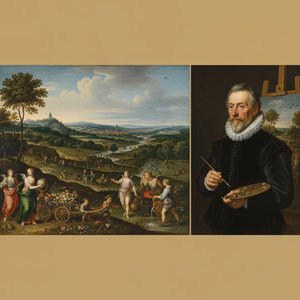
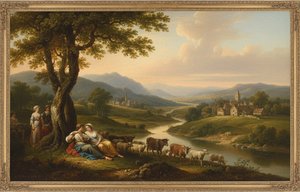
Desidia (Sloth), 1557

Käsinmaalattu öljyvärinen jäljennös

Käsinmaalattu öljyväri kankaalle haluamassasi koossa ja kehyksissä, taiteilijoidemme valmistamana tilauksesta. ( Vaihda tulosteeseen Siirry digitaaliseen kuvaan)

Keräilykohteen kuvaus

A bustling tableau of idle luxury and moralizing chaos unfolds in Pieter Bruegel the Elder's 1557 masterpiece Desidia, inviting you to explore the profound depths of this Renaissance classic for your private collection.

Taiteilijan elämäkerta

Pieter Bruegel vanhempi (1528-1569) oli merkittävä flaamilainen renessanssimaalari, tunnettu maaseutukuvaustensa ja talonpoikaiselämän kuvaamisestaan. Tutustu ikonisiin teoksiin!

from ·

Chapter 1

How large should it be?

Slide to change the size; the picture on the left shows the frame at its real width. The proportions of the original are kept.

Vakiokoko
räätälöity
CM
INCH

Valitse valmiista mitoistamme sellaiset, jotka vastaavat teoksen alkuperäisiä mittasuhteita.

leveys
korkeus

Kirjoita tarvitsemasi leveys ja korkeus, jotta teos sopii kehyksiisi tai seinällesi. Koska kyseessä on käsinmaalattu teos, taiteilija voi maalata hieman enemmän kuvan ympärille tai rajata sitä hieman, jos haluat eri muotoisen koon — valinta on sinun. Lähetämme sinulle digitaalisen mallikuvan hyväksyttäväksi ennen kuin maalaus alkaa. Tällä sivulla näkyvä kuva ei vastaa lopullista tulosta — vain mallikuva näyttää sen.

Chapter 2

How should it arrive?

Choose the edges of the stretched canvas

Choose your frame

Corner sample of the WhiteWrap canvas edge finish, stretched on massiivipuu bars
White €1
Corner sample of the BlurSideWrap canvas edge finish, stretched on massiivipuu bars
Blurside €1
Corner sample of the ExtendedWrap canvas edge finish, stretched on massiivipuu bars
Extended €1
Corner sample of the P118B picture frame: valettu polystyreeni, 5 cm wide and 3 cm thick
P118B €10
Corner sample of the P118H picture frame: valettu polystyreeni, 5 cm wide and 3 cm thick
P118H €10
Corner sample of the P118W picture frame: valettu polystyreeni, 5 cm wide and 3 cm thick
P118W €10
Corner sample of the P438Z picture frame: valettu polystyreeni, 5.5 cm wide and 3.5 cm thick
P438Z €10
Corner sample of the P508JH picture frame: valettu polystyreeni, 7 cm wide and 3.5 cm thick
P508JH €12
Corner sample of the P508YH picture frame: valettu polystyreeni, 7 cm wide and 3.5 cm thick
P508YH €12
Corner sample of the P805H picture frame: valettu polystyreeni, 5 cm wide and 3.5 cm thick
P805H €10
Corner sample of the P805Z picture frame: valettu polystyreeni, 5 cm wide and 3.5 cm thick
P805Z €10
Corner sample of the P919BZ picture frame: valettu polystyreeni, 7 cm wide and 3.5 cm thick
P919BZ €10
Corner sample of the P919G picture frame: valettu polystyreeni, 7 cm wide and 3.5 cm thick
P919G €10
Corner sample of the P919XJ picture frame: valettu polystyreeni, 7 cm wide and 3.5 cm thick
P919XJ €10
Corner sample of the P959ZH picture frame: valettu polystyreeni, 5 cm wide and 3 cm thick
P959ZH €10
Corner sample of the P968JZ picture frame: valettu polystyreeni, 6 cm wide and 4 cm thick
P968JZ €12
Corner sample of the W106C picture frame: massiivipuu, 5 cm wide and 3 cm thick
W106C €8
Corner sample of the W218G picture frame: massiivipuu, 5 cm wide and 3 cm thick
W218G €10
Corner sample of the W218JH picture frame: massiivipuu, 5 cm wide and 3 cm thick
W218JH €8
Corner sample of the W218Y picture frame: massiivipuu, 5 cm wide and 3 cm thick
W218Y €10
Corner sample of the W307PJ picture frame: massiivipuu, 6 cm wide and 3 cm thick
W307PJ €10
Corner sample of the W316G picture frame: massiivipuu, 6 cm wide and 3 cm thick
W316G €10
Corner sample of the W316PJ picture frame: massiivipuu, 6 cm wide and 3 cm thick
W316PJ €8
Corner sample of the W316Y picture frame: massiivipuu, 6 cm wide and 3 cm thick
W316Y €10
Corner sample of the W398PJ picture frame: massiivipuu, 5 cm wide and 3 cm thick
W398PJ €8
Corner sample of the W4111J picture frame: massiivipuu, 6.5 cm wide and 3.5 cm thick
W4111J €10
Corner sample of the W500HY picture frame: massiivipuu, 7 cm wide and 5 cm thick
W500HY €15
Corner sample of the W500JH picture frame: massiivipuu, 7 cm wide and 5 cm thick
W500JH €15
Corner sample of the W692G picture frame: massiivipuu, 8 cm wide and 4 cm thick
W692G €12
Corner sample of the W849H picture frame: massiivipuu, 5 cm wide and 3 cm thick
W849H €8
Corner sample of the W940BG picture frame: massiivipuu, 7.5 cm wide and 4.5 cm thick
W940BG €15
Corner sample of the W953PJ picture frame: massiivipuu, 6 cm wide and 3.5 cm thick
W953PJ €8
Corner sample of the H24-GOLD picture frame: kaiverrettua puuta ja gessoa, 10 cm wide and 6 cm thick
H24-GOLD €30
Corner sample of the H24-SILVER picture frame: kaiverrettua puuta ja gessoa, 10 cm wide and 6 cm thick
H24-SILVER €30
Corner sample of the H36-GOLD picture frame: kaiverrettua puuta ja gessoa, 15 cm wide and 6.5 cm thick
H36-GOLD €45
Corner sample of the H36-SILVER picture frame: kaiverrettua puuta ja gessoa, 15 cm wide and 6.5 cm thick
H36-SILVER €45
Kehyksen esikatselu
Kehystetty

Moulding: . Overall size with the frame: .

Chapter 3

Who paints it, and should anything change?

Examples of what can be changed: Replace face with customer photo; Add pet (e.g., replace cat with dog); Include hidden message in background; Change background landscape or elements.
After order, OriginalUniqueArt.com team will email client for instructions and provide a mockup preview

Maailmanlaajuinen toimitus () 3–4 viikossa tavallisen 5 viikon sijaan. (2 marraskuu). Laadusta ei tingitä.

Chapter 4

The finishing touches

A nameplate, as in a museum?

Kaiverretun pronssilaatan tiedot

This elegant plaque features the artist's name and the title of the artwork, finely engraved for a timeless presentation.

It is made from bronze with a refined, elegant finish. The text is precisely laser-engraved for a sharp and permanent result. Measuring 9x2 cm, the plaque is compact yet easy to read. It's built to be durable and scratch-resistant, offering a professional, museum-quality look. Mounting is simple thanks to the included adhesive backing.

Läpinäkyvän akryylilaatan tiedot

The plaque includes essential engraved details such as the artist's name, the title of the artwork, the date it was created, the type of media used-like oil on canvas or watercolor-a brief description of the piece, and a QR code that links to the complete artwork information.

It is crafted from clear acrylic, offering a sleek, modern appearance. The text is UV-engraved in black to ensure strong visual contrast. With a size of 10x15 cm, it ensures optimal readability. It comes equipped with two metal hooks for secure wall mounting. The plaque is designed to be weather-resistant, making it suitable for various environments, and it includes interactive features that work seamlessly with smartphone scanning.

Mustan akryylilaatan tiedot

This elegant plaque includes engraved information such as the artist's name, the title of the artwork, the date it was created, the type of media used (like oil on canvas or watercolor), a short description of the artwork, and a QR code for quick access to more information.

The plaque itself is made from refined black acrylic with a premium finish. The text is laser-engraved in white for high contrast and readability. Its size is 10x15 cm, designed to be easy to read. It comes with two metal hooks for professional mounting. The design is sleek and fits any interior style. It is also weather-resistant and durable, with built-in digital integration for mobile compatibility.

A protective varnish?

When do you need it?

Chapter 5

Your painting, as you ordered it

Desidia (Sloth), 1557

Reproduktiotekniikka

Replikaatin koko

-

Kokenut huipputaiteilija

Lisää yksityiskohtia, hienostuneisuutta ja enemmän aikaa tuotantoon

-

Reproduktion kehystysvaihtoehdot

-

-

Teoksille tai reproduktioille, joiden mikä tahansa sivu on suurempi kuin 105 cm (noin 41 tuumaa), kehys toimitetaan osina purettuna sarjana. Tämä menetelmä varmistaa turvallisen toimituksen ja ehkäisee vaurioita kuljetuksen aikana.

Vaatii ammattimaista kokoamista – kyseessä ei ole tee-se-itse-tuote.
Sarja on koottava ja kangas kiristettävä kokeneen kehystysammattilaisen toimesta käyttäen puuliimaa (ei sisälly pakkaukseen), kangaspinnetteitä ja puristimia, jotta kehyksen kulmat pysyvät suorina liiman kuivuessa. Virheellinen kokoaminen tai epätasainen kankaan kiristys voi vaurioittaa teosta pysyvästi, eikä tällaiset vauriot ala takuun piiriin.

  • Kaikki massiivipuupalat sisältyvät, tarkasti mittojen mukaan leikattuina.

  • Kootaan mukana tulevilla ruuveilla sekä kulmaliitoksia varten tarvittavalla puuliimalla, jota ei toimiteta, joten se on hankittava kehystäjältä.

  • Vaatii ammattilaisvälineitä, jotka eivät sisälly pakkaukseen: kankaan venytyspihdit (kiristin) ja puristimet, joilla pidetään kehyksen puut suorassa liiman kuivuessa.

Tärkeää:
Kulmaliitoksissa tarvitaan puuliimaa, kehyksien osat on pidettävä puristimilla, kunnes liima on täysin kuivunut, ja koottuun kehykseen jännitettävän kankaan kiristämiseen tarvitaan kangaspenssipihti. Mikään näistä ei sisälly pakkaukseen. Suosittelemme varmistamaan kokeneen kehystäjän saatavuuden ennen tämän kokoisen kehyksen tilaamista.

Nimilaatta

-

-

Suojalakkaus

Kiiltävä lakka (syventää värejä, suojaa valolta ja kosteudelta)

-

Mukauta taideteokseni

Esimerkkejä muokattavista asioista: Vaihda kasvot asiakkaan omaan valokuvaan; Lisää lemmikki (esim. vaihda kissa koiraan); Lisää taustalle piilotettu viesti; Muuta taustan maisemaa tai elementtejä.

-

Pikatoimitus

Maailmanlaajuinen toimitus () 3–4 viikossa tavallisen 5 viikon sijaan. (2 marraskuu). Laadusta ei tingitä.

-

Pikatoimitus

Maailmanlaajuinen toimitus () 5 viikon kuluessa. (9 marraskuu).

Sisältyy hintaan

Kokonaishinta

€ 267

Kokonaishinta € 267

Lasivaihtoehto on saatavilla vain alle 110 cm kokoisille teoksille

Included with every order

  • Ilmainen pikatoimitus ympäri maailman
  • Korkealaatuinen pellavakangas
  • Kattava kuljetusvakuutus
  • Tulliveron palautustakuu
  • Takuu täydellisestä värien vastaavuudesta
  • 100 päivän palautusoikeus (vain valmistusvirheet)
  • 100% rahat takaisin -takuu
  • Määräalennus tarjolla

A Tapestry of Inertia: The World Within Bruegel’s Desidia

In the vast, swirling landscape of Pieter Bruegel the Elder’s 1557 masterpiece, Desidia (Sloth), the viewer is not merely presented with a painting, but rather invited into a profound psychological state. At first glance, the composition appears to be a bustling tableau of Northern Renaissance life, yet beneath the surface of this lively scene lies a biting critique of human stagnation. Bruegel, a master of capturing the intricate dance between the mundane and the moral, utilizes a sprawling landscape to house a multitude of figures—men, women, animals, and even aquatic life—all caught in various states of aimless existence. It is a world where movement exists without purpose, and activity serves only to mask a deeper, more unsettling stillness.

The technique employed by Bruegel is nothing short of miraculous, showcasing a meticulous attention to detail that draws the eye through an endless labyrinth of narrative threads. Every brushstroke contributes to a sense of overwhelming abundance; one might find themselves mesmerized by the texture of a distant boat laden with goods or the subtle, weary expression on a figure lost in thought. This level of precision creates a sensory experience that is both immersive and exhausting, mirroring the very concept of sloth—a heavy, inescapable weight that settles over the landscape. For the collector or designer, this complexity offers an unparalleled depth, as the artwork reveals new secrets upon every subsequent viewing.

Symbolism and the Weight of the Human Condition

To gaze upon Desidia is to engage with the intellectual ferment of the mid-16th century. Created during a period where the High Renaissance was transitioning into the more stylized Mannerism, Bruegel’s work stands as a humanist observation of vice and virtue. The painting serves as a moralizing mirror, reflecting the anxieties of a society grappling with newfound wealth and the temptations of material luxury. The central personification of Sloth—often depicted through dozing figures or sluggish animals like the iconic donkey—acts as a focal point for a broader commentary on the loss of spiritual and civic purpose. Bruegel masterfully weaves visual proverbs into the scenery, where even a man stuck in a house or a group of gamblers at a tavern becomes a symbol of the soul's inertia.

There is an undeniable emotional resonance in how Bruegel balances the grotesque with the beautiful. He does not shy away from portraying the unpolished or the unsightly, yet he imbues the entire composition with a rhythmic, almost musical quality. This duality makes the piece particularly compelling for modern interiors; it possesses the gravitas of a historical document while maintaining a vibrant, living energy. It is an artwork that demands contemplation, challenging the viewer to reflect on their own relationship with ambition, productivity, and the quiet, often dangerous, allure of doing nothing at all.

An Eternal Masterpiece for the Discerning Eye

For those seeking to curate a space with profound narrative power, a high-quality reproduction of Desidia offers more than just decoration; it provides a window into the Renaissance mind. The painting’s ability to anchor a room with its historical weight and intricate storytelling makes it an ideal centerpiece for libraries, studies, or sophisticated living areas. It is a piece that speaks to the intellect and stirs the imagination, bridging the gap between the 16th-century Flemish landscape and the contemporary aesthetic of thoughtful, curated living.

Owning a tribute to Bruegel’s genius allows one to preserve the legacy of Northern European expression. Whether viewed as a study in Renaissance technique or as a profound philosophical statement on the nature of human behavior, Desidia remains an enduring icon of art history—a timeless reminder that even in our most idle moments, there is a complex and beautiful story unfolding.

Kysymykset ja vastaukset

Onko Pieter Bruegel vanhempi:n "Desidia (Sloth), 1557" valoisa vai tumma teos?

Kokonaisuudessaan teoksen "Desidia (Sloth), 1557" kirkkaus on kirjattu arvoon brilliant. Koettu kirkkaus kuvaa sitä, kuinka vaaleana tai tummana teos vaikuttaa.

Voinko tutkia teosta "Desidia (Sloth), 1557" yksityiskohtaisemmin?

Pieter Bruegel vanhempi:n "Desidia (Sloth), 1557"-teoksen röntgennäkymä löytyy teoksen Röntgentutkimus-sivulta: interaktiivinen tutkimusmatka kuvaan yhdenentoista optisen kerroksen läpi.

Mikä on "Desidia (Sloth), 1557" hallitseva sävy?

Ochre to Sepia sävy läpi koko teoksen Pieter Bruegel vanhempi:n "Desidia (Sloth), 1557".

More about this painting

Esikatselu Esikatsele AR-tilassa Vaihda tulosteeseen Siirry digitaaliseen kuvaan Jaa teos
Tiedot Opas Lisää suosikkeihin Lataa kuva Samanlaisia kohteita Röntgenkuvaus Diaesitys Q&A Tilastot

In numbers

  • 1557the year it was painted
  • 29frames to choose from
  • standard sizes, in its own proportions
  • 5weeks to paint and deliver it
Pieter Bruegel vanhempi

Pieter Bruegel vanhempi

1525 - 1569, Alankomaat

Quick facts about Pieter Bruegel vanhempi

  • Artistic Movement Or Style: Renessanssin maalauksen
  • Artists Or Movements Influenced By This Artist: ['Hollantilainen kultakausi']
  • Artists Who Influenced This Artist: ['Hieronymus Bosch']
  • Date Of Birth: c. 1525–1530
  • Date Of Death: 1569
  • Full Name: Pieter Bruegel vanhempi
  • Nationality: Flemish
  • Notable Artworks:
    • Maaseudun elämää
    • Kuoleman voitto
    • Viljankorjuu
  • Place Of Birth: Breda, Alankomaat

Taiteilijan elämäkerta

A Life Rooted in Renaissance Transformation

Pieter Bruegel the Elder nousi synnykkään 1525 tai 1530, todennäköisesti Bredassa, joka nykyisin kuuluu Alankomaihin. Hänen alkuperäisestä elämästään on kuitenkin vähän tietoa, ja tarkkaa syntymäpaikkaa ei ole varmasti tiedossa – se on edelleen keskustelun alla. Bruegelin varhaiset vuodet olivat aikaa, jolloin Euroopan taiteellinen maisema oli muuttumassa Italian renessanssin ihanteista kohti Pohjois-Euroopan kasvavaa ilmaisun monimutkaisuutta. Hän aloitti taiteelliselle polulleen noin 1545, kun hänestä tuli Pieter Coecke van Aelstin oppipoika Antwerpenissa. Tämä harjoitus antoi Bruegelille vankan pohjan öljyvärien ja piirustuksen tekniikoille, mutta tärkeintä oli, että se altisti hänet humanismin virtoille, jotka alkoivat levitä akateemisissa piireissä. Van Aelstin työpaja ei ollut pelkästään koulutuspaikka; se oli uusiin ideoihin ja perinteisten tekniikoiden yhdistämisen paikka, joka muokkasi Bruegelin tulevaa näkemystä. Coecke oli arvostettu taiteilija, joka tunnettiin sekä taiteestaan että tapettujen seinien suunnittelusta.

Wanderings and the Forging of a Unique Vision

Bruegel aloitti matkustamisen 1551–1553 välillä, ja nämä matkat muovasivat hänen taiteellista kehitystään merkittävästi. Hän vieraili Ranskassa, Sveitsissä ja Italiassa, piirtäen maisemia ja uppoutuen monikulttuuriseen ympäristöön. Nämä eivät olleet vain turvamatkoja; ne olivat havainto- ja oppimiskampanjoita. Italiassa Bruegel kohtasi renessanssin mestareita, mutta hänen taiteellinen luonteensa pysyi Pohjois-Eurooppalaiseksi. Hän ei ainoastaan omaksunut italialaisia tyylejä, vaan suodatti ne oman ainutlaatuisen tunteensa läpi. Alpit, niiden dramaattiset huiput ja laaksot, jättivät jälkensä hänen kompositiostaan ​​ja ilmakehän perspektiivistänsä, jotka näkyvät monissa myöhemmissä maisemamaalauksissaan. Palattuani Antwerpeniin vuonna 1553 hän hyväksyttiin Luuksen maalarikiltaan, mikä osoitti hänen ammatillista itsenäisyyttään ja vahvisti hänet samalla tunnetuksi taiteilijaksi kaupungin vilkkaassa taideyhteisössä. Bruegelin matkat Italiaan olivat erityisen merkittäviä. Hän vieraili Roomassa, jossa hän työskenteli miniatyyrimaalari Giulio Clovion kanssa. Tämä kokemus vaikutti hänen tyyliinsä ja hänen kykyynsä luoda monimutkaisia ​​kompositioita. Hän oppi myös arvostamaan italialaista maisemamaalausta, joka oli erittäin suosittua tuohon aikaan.

Beyond Myth and Religion: A New Focus for Art

Bruegelin todellinen innovaatio piirtyi hänen aihevalikoimaansa. Hän poikkesi rohkeasti renessanssitaiteen vakiintuneista konventioista, jotka keskittyivät usein uskonnollisiin tarinoihin tai klassiseen mytologiaan. Sen sijaan hän kääntyi katselemaan tavallisten ihmisten elämää – maanviljelijöitä kentillä, kyläläisiä juhlimassa, metsästäjiä lumisissa maisemissa. Tämä ei ollut uskomatonta teemoja vastaan ​​ottoa, vaan tavallisen elämän nostaminen taiteelliseksi mestariluokkaan. Hänen maisemansa eivät olleet vain taustamaisia; ne olivat aktiivisia osallistujia tarinaan, usein täynnä symboliikkaa ja ymmärrystä luonnon voimasta ja kauneudesta. *Kuoleman Triumphi* on synkkä ja apokalyptinen näkemys ihmiskunnan kuolemasta, täynnä groteskeja kuvia ja tuomion tunnetta, kun taas maalaukset kuten *Viljelijöiden häät* tarjoavat uskomattoman yksityiskohtaisia ​​ja vivahteikkaasti esitettyjä kuvauksia maaseudun elämästä ilman sentimentalista idealisointia. Hän hallitsi mestarillisesti chiaroscuroa – valon ja varjon dramaattista leikkiä – luodakseen syvyyttä, realismia ja tunteellista resonanssia komposiitonsa kautta. Hänen kuvansa eivät olleet välttämättä kriittisiä; ne olivat rehellisiä havaintoja, jotka vangitsivat sekä huumorin että vaikeudet, joita ihmiselämä sisälsi.

Notable Works and Enduring Themes

  • Landscape with the Flight into Egypt: Rauhallinen mutta hienovaraisesti symbolinen kuvaus Pojan ja Neitsyt matkasta, joka osoittaa Bruegelin mestaruutta ilmakehän perspektiivissä.
  • The Triumph of Death: Synkkä ja apokalyptinen näkemys ihmiskunnan kuolemasta, täynnä groteskeja kuvia ja tuomion tunnetta.
  • Peasant Wedding: Elävä ja yksityiskohtainen kuvaus maaseudun elämästä, joka vangitsee kylän vilkkaat tavat ja sosiaalisen energian.
  • Hunters in the Snow: Osa vuodenajan maalauksista, tämä ikoninen maalaus on tunnettu lumoavasta kauneudestaan ​​ja realistisesta esityksestä talvimaisemista.
  • The Tower of Babel: Valtava teos ihmisen kunnianhimosta ja jumalallisesta tuomiosta, joka osoittaa Bruegelin taitoa luoda monimutkaisia ​​kompositioita hienovaraisilla yksityiskohdilla.
Bruegelin taide ei ollut pelkästään kuvien esittäminen; se oli maailman tulkinta hänen omasta näkökulmastaan. Hän loi teoksiaan käyttäen humanistin ajattelua ja taiteellista innovaatiota. Hänen vaikutuksensa myöhemmän sukupolven taiteilijoihin on kiistaton. Hän loi pohjan hollantilaiselle kultasuikaleelle, inspiroi taiteilijoita kuten Isaac van Ostadea ja Adriaen Brouwleriä hänen realististen esitystensä avulla. Hänen innovatiivinen lähestymistapansa maisemamaalaukseen avasi myös tietä myöhemmille kehityksille genressä, mikä vaikutti taiteilijoihin, jotka halusivat vangita luonnon kauneuden ja ihmeen. Bruegelin teokset ovat edelleen kiinnostavia nykyisille katsojille, ja niitä käytetään elokuvissa kuten Andrei Tarkovskiin tekemässä *Solaris* (1972) ja Lars von Trierissä *Melancholia* (2011), mikä osoittaa hänen kuvansa kestävyyden. Hänen maalauksensa tarjoavat ajattoman heijastuksen ihmisen olemuksesta – suhdetta luontoon, kamppailua kuolemasta ja kykyä sekä iloon että suruun. Hän kuoli Brysselissä vuonna 1569, melko nuorena iässä, jättäen jälkeensä teosten kokoelman, joka vangitsee edelleen katsojien huomion ja inspiroi heitä.

Historical Significance

Bruegelin taide on merkittävä osa eurooppalaista taidetta 1500-luvulla. Hän oli yksi ensimmäisistä taiteilijoista, joka kuvasi tavallisten ihmisten elämää ja kokemuksia, mikä erotti hänet monista hänen aikansa renessanssimaalareista, jotka keskittyivät usein uskonnollisiin tai myyttisiin aiheisiin. Hänen maalauksensa ovat arvokkaita historiallisia lähteitä, jotka antavat näkymän 1600-luvun hollantilaiseen yhteiskuntaan ja kulttuuriin. Bruegelin taiteen vaikutus on edelleen havaittavissa nykyään, ja hänen teoksiaan käytetään usein esimerkkeinä ihmisluonnon

Pikaista tietoa

  • Subject or theme: Idle Behavior
  • Influences: Renaissance Humanism
  • Notable elements or techniques: Detailed depiction of human activity
  • Artist: Pieter Bruegel the Elder
  • Medium: Oil on canvas

Taidevisat

Jokaisessa kysymyksessä on vain yksi oikea vastaus.

Kysymys 1:
What artistic movement is Pieter Bruegel the Elder primarily associated with?
Kysymys 2:
The image depicts a scene featuring numerous animals and people. What overarching theme does this imagery convey?
Kysymys 3:
Pieter Bruegel the Elder’s apprenticeship with Pieter Coecke van Aelst significantly influenced his artistic style. What was a key characteristic of Van Aelst's work?
Kysymys 4:
What technique is Bruegel known for utilizing in 'Desidia'?
Kysymys 5:
Considering the historical context of 1557, what broader societal commentary might Bruegel be attempting to make through his depiction of everyday life?