Baroque
Self portrait Marble (Pierre Puget)
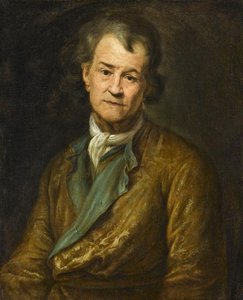
Pierre Puget (1620–1694) on luonut teoksen Self portrait Marble. Se kuuluu Baroque-liikkeeseen. Se on valmistettu materiaalilla Stone.
- Stone

 Käsinmaalattu öljymaalaus
 Jaa teos
 Jaa
 Teostiedot


 Lataa kuva
 Samanlaisia kohteita
 Diaesitys
 Kysymykset ja vastaukset

 Tilastot
Self portrait Marble lyhyesti
- Teoksen nimi
- Self portrait Marble
- Taiteilija
- Pierre Puget (1620–1694)
- Taiteilijan syntymäpaikka
- Marseille, Ranska
- Tekniikka
- Stone
- Taidesuuntaus
- Baroque
- Aikakausi
- Early Modern
- Aihe
- portrait, sculpture, elderly, marble, baroque, classicism
Mitä Self portrait Marble esittää?
Identification of the Self portrait Marble
The Self portrait Marble by Pierre Puget presents a quiet confrontation with the passage of time. This work is a photographic reproduction of a sculpted portrait, capturing the likeness of an older man in the stillness of stone. The subject is a bust, focusing on the head and shoulders to anchor the viewer in a singular, unmoving gaze.
In this representation, the artist Pierre Puget turns the chisel toward his own changing features. The sculpture acts as a vessel for human aging and experience, recording the weight of years through the physical presence of the subject. It is a portrait of a man, stripped of movement, existing only in the permanence of his own likeness.
The image holds a steady, frontal view. It captures a moment of stillness that feels heavy and fixed. The stone carries the memory of the face it once held.
Visual Composition and Subject Matter
The composition centers on the head and shoulders of an elderly man, captured in a black and white bust. A simple frontal view meets the eye, stripped of unnecessary distraction. The perspective remains direct, focusing entirely on the subject's presence. Because of the photographic nature of the image, the depth remains limited, pulling the viewer into a shallow space where only the immediate form exists.
Lines define the topography of the face, tracing the paths of wrinkles and the individual strands of hair. These contours map the history of a life through the texture of the skin. Organic shapes dominate the work, following the natural, soft curves of the human head and its features. The light settles into the hollows, emphasizing the physical reality of the subject.
A shallow depth of field isolates the man, blurring the world beyond his immediate silhouette. This focus sharpens the details of the face, making the texture of the sculpture feel tangible. The subject remains still, a quiet study of aging and the weight of experience. The stone holds a steady, silent gaze.
Technique and Material Properties
The original work is a classical sculpture carved from stone, likely marble. This heavy, pale medium captures the weight of the subject's features. The surface is not smooth; instead, the texture appears rough and uneven. Shading and modeling techniques emphasize this tactile quality, pulling light across the ridges of the face and the deep recesses of the hair. Every line is a physical groove in the stone.
This image is a photographic reproduction of that sculpted form. The lens translates the three-dimensional carving into a two-dimensional plane of light and shadow. The technique relies on the interplay of dark and light to define the contours of the head and shoulders. It is a study of how light meets a hard, unyielding surface. The result is a sense of solemnity. The stone holds its stillness.
Self portrait Marble korkearesoluutioiset kuvat
Tekijänoikeudet: teos on vapaasti käytettävissä, taiteilija kuoli vuonna 1694.
Pierre Puget, Self portrait Marble. Tekijänoikeudet vapaat.
Kysymyksiä teoksesta Self portrait Marble ja vastauksia niihin
Mitä tekniikkaa Pierre Puget:n "Self portrait Marble" on käytetty?
Teoksen Pierre Puget:n "Self portrait Marble" tekniikka on Stone. Vedosten tavoitteena on jäljitellä tämän tekniikan ulkoasua.
Mitä "Self portrait Marble" esittää?
Teoksen "Self portrait Marble" aiheina ovat portrait, sculpture, elderly, marble, baroque, classicism, time, memory.
Onko teos "Self portrait Marble" tekijänoikeusvapaa?
Tekijänoikeustiedot teokselle Pierre Puget:n "Self portrait Marble": teos on vapaasti käytettävissä – tekijänoikeussuoja on päättynyt. Tämä määrittää, voidaanko kuvasta tehdä vapaasti jäljennöksiä.
Kuka on teoksen "Self portrait Marble" taiteilija?
Teos "Self portrait Marble" on yhdistetty Pierre Puget.
Mihin taidesuuntaukseen Pierre Puget:n "Self portrait Marble" kuuluu?
Teoksen Pierre Puget:n "Self portrait Marble" tyylisuunta on Baroque. Tämä luokittelu sijoittaa teoksen muiden samankaltaisten taiteilijoiden ja teosten joukkoon.
Mihin vaiheeseen Pierre Pugetin kehityksestä "Self portrait Marble" edustaa?
"Self portrait Marble" kuuluu Pierre Puget uran Mature Period-vaiheeseen. Tämä luokittelu yhdistää teoksen taiteilijan kehitysvaiheeseen.
Mikä selittää teoksen Pierre Puget:n "Self portrait Marble" tekijänoikeustilanteen?
Pierre Puget:n "Self portrait Marble" on vapaasti käytettävissä – tekijänoikeussuoja on päättynyt. Tekijänoikeuden voimassaolo lasketaan taiteilijan kuolinvuodesta, joka oli 1694.
Miten teos "Self portrait Marble" sijoittuu osaksi Pierre Puget'n tuotantoa?
Pierre Puget'n tuotannossa "Self portrait Marble" edustaa Baroque-tyyliä ja kytkeytyy classical ideals, roman influence, baroque drama, emotional depth, portraiture tradition, realism, ageing, mortality teemoihin.
Miten "Self portrait Marble" sijoittuu Pierre Puget'n toistuvien aiheiden joukkoon?
"Self portrait Marble" esittää aiheita portrait, sculpture, elderly, marble, baroque, classicism, time, memory, kun taas Pierre Puget tunnetaan teemoistaan classical ideals, roman influence, baroque drama, emotional depth, portraiture tradition, realism, ageing, mortality. Näiden kahden vertaaminen osoittaa, miten teos liittyy taiteilijan tavallisiin aiheisiin.
Tietoa taiteilijasta, Pierre Puget
1620–1694, Ranska
Pierre Puget
Pierre Puget: Elämä taiteen ja tekniikan risteyskohdassa Syntynyt: Marseille, Ranska (1620) Kuollut: 1694 Nuoruus ja italialaiset vaikutteet Oppipoikavuodet: Puget aloitti uransa jo neljätoistavuotiaana kaivertaen koristeita Marseillessa rakennettuihin galereihin. Tämä varhainen kosketus käsityötaitoon loi perustan hänen myöhemmille taiteellisille pyrkimyksilleen. Matka Italiaan (1640): Etsiessään uusia mahdollisuuksia hän matkusti Italiaan, ensin Livornoon ja myöhemmin Firenzeen, missä hän hioi taitojaan puunveistäjänä ja maalarina. Rooma ja Pietro da Cortona: Käänteentekevä hetki koitti, kun hänet otettiin Pietro da Cortonan siipiensä suojaan Roomassa.
Tietoa taiteilijasta Pierre Puget Pierre Pugetn merkittävimmät teokset
Myös Pierre Puget -teoksia
 Aleksanteri Suuren ja Diokleenes Kohtaaminen1671
 Krotonilainen Milo1671
 The Meeting of Alexander the Great and Diogenes1671
 Itseläätö1668
Esseitä teoksesta Self portrait Marble
 Eternal Stone: The History, Artistry, and Mastery of Marble SculptureExplore the profound history and technical mastery of marble sculpture. From Ancient Greek perfection to Baroque drama, discover how master…
 Masterpieces of Hans Baldung Grien: The Top 25 Essential ArtworksExplore 25 iconic works by Hans Baldung Grien. Discover German Renaissance masterpieces on OriginalUniqueArt.com.
 Pierre Puget: 25 Dynamic Sculptures and Paintings of the French Baroque EraExplore 25 iconic Pierre Puget works from the French Baroque. Discover museum-quality art and curated ideas on OriginalUniqueArt.com.