

 Katso seinällä
 Lähetä
 Jaa
Jaa
 Tarkemmat tiedot
 Opas
Opas

 Lataa kuva
 Samanlaisia kohteita
 Röntgenkuvaus
 Diaesitys
 Tilastot
Bacchus und Ariadne
 Oil On Canvas
- WallArt
- Baroque
 1740
1740- Early Modern
 72.0 x 95.0 cm
 Sanssoucin palatsi
 Lue lisää
Giclée- ja taideprintit
Museolaatuisia giclée- tai kankaitaulun tulosteita nopealla tuotannolla ja joustavilla viimeistelyvaihtoehdoilla. ( Tilaa käsinmaalattu jäljennös Siirry digitaaliseen kuvaan)




P118B €10

P118H €10

P118W €10

P438Z €10

P508JH €12

P508YH €12

P805H €10

P805Z €10

P919BZ €10

P919G €10

P919XJ €10

P959ZH €10

P968JZ €12

W106C €8

W218G €10

W218JH €8

W218Y €10

W307PJ €10

W316G €10

W316PJ €8

W316Y €10

W398PJ €8

W4111J €10

W500HY €15

W500JH €15

W692G €12

W849H €8

W940BG €15

W953PJ €8




Valitse valmiista mitoistamme sellaiset, jotka vastaavat teoksen alkuperäisiä mittasuhteita.

Kirjoita tarvitsemasi leveys ja korkeus, jotta tuloste sopii kehyskokoon tai seinällesi. Tulostetta voidaan vain leikata, sitä ei voi koskaan tehdä suuremmaksi kuin alkuperäinen kuva, joten eri muotoinen koko aiheuttaa osan kuvasta katoamisen. Lähetämme sinulle digitaalisen mallikuvan hyväksyttäväksi ennen kuin aloitamme tulostuksen. Tällä sivulla näkyvä kuva ei näytä lopullista leikkausta — vain mallikuva näyttää sen.
Maailmanlaajuinen toimitus () 2 viikossa tavallisen 4–5 viikon sijaan. (26 lokakuu)

Ilmainen pikatoimitus ympäri maailman

Korkealaatuinen pellavakangas

Kattava kuljetusvakuutus

Tulliveron palautustakuu

Takuu täydellisestä värien vastaavuudesta

100 päivän palautusoikeus valmistusvirhetapauksissa

100% rahat takaisin -takuu

Määräalennus saatavilla
 Lasivaihtoehto on saatavilla vain alle 110 cm kokoisille teoksille

Bacchus und Ariadne
Giclée- ja taideprintit
Replikaatin koko
-


Kokonaishinta
€ 70
A Baroque Rhapsody: Cazes’s “Bacchus und Ariadne”
Pierre-Jacques Cazes's "Bacchus und Ariadne," painted around 1740, is more than just a depiction of a classical myth; it’s a vibrant explosion of color and movement, a testament to the flourishing Baroque style in 18th-century France. The painting transports us to the sun-drenched shores of Naxos, where the god Bacchus, pursued by Cupid's fateful arrow, dramatically claims the abandoned Ariadne. Cazes masterfully captures the intoxicating energy of this pivotal moment, weaving together elements of drama, sensuality, and divine intervention into a single, unforgettable scene.
The composition itself is a carefully orchestrated dance of figures. Ariadne, positioned on the left, gestures towards the departing ship of Theseus, a poignant reminder of her abandonment and a subtle foreshadowing of the tragic romance to come. Bacchus, resplendent in flowing robes and a confident stride, dominates the center, his hand outstretched as if inviting her into his ecstatic world. The backdrop—a stylized seascape hinting at the island’s rugged coastline—provides a dramatic stage for this mythological encounter. Beyond the immediate narrative, Cazes employs a dynamic diagonal thrust that pulls the viewer's eye through the crowded scene, creating a sense of perpetual motion and heightened emotion.
A Masterclass in Baroque Technique
Cazes’s skill as a painter is immediately evident in his masterful use of oil paint on canvas. The texture is rich and layered, achieved through impasto techniques – visible brushstrokes that build up the forms and create a palpable sense of volume. The colors are intensely saturated, particularly the reds and golds used to depict Bacchus’s garments and the shimmering light reflecting off the sea. Notice how he expertly blends warm hues with cooler blues in the background, establishing depth and creating an atmospheric perspective that draws us into the scene.
Furthermore, Cazes demonstrates a keen understanding of chiaroscuro – the dramatic interplay of light and shadow. Strong contrasts highlight key figures like Bacchus and Ariadne, while softer lighting envelops the surrounding revelers, contributing to the painting’s overall sense of drama and theatricality. The meticulous detail evident in each figure's drapery, facial expression, and even the expressions on the faces of the Bacchantin adds a remarkable level of realism and engagement.
Symbolism Woven into Myth
“Bacchus und Ariadne” is replete with symbolic elements that enrich its narrative beyond a simple retelling of the myth. The laurel tree, prominently featured in the background, represents Daphne’s transformation – a crucial element of the story where she becomes immortalized as the constellation Corona Borealis after being pursued by Apollo. The presence of Hymenaios, the god of marriage, descending with his torch signifies the union between Bacchus and Ariadne, promising a future filled with abundance and celebration. Even the drunken Silen on the donkey, a symbol of excess and revelry, underscores the intoxicating nature of Bacchus’s world.
The inclusion of numerous figures – Bacchantins dancing wildly, playful Genies, and a slumbering tiger – further amplifies the painting's themes of fertility, intoxication, and the wildness of the divine. These elements contribute to a vibrant tapestry of imagery that speaks to the core values of the Baroque period: exuberance, emotion, and an embrace of the sensual.
A Legacy of Artistic Influence
Originally commissioned by King Friedrich II of Prussia, “Bacchus und Ariadne” reflects the artistic tastes of the European elite. The painting’s opulent style and dramatic composition were highly valued during this era, serving as a symbol of royal power and refined taste. Cazes's work exemplifies the academic tradition of French art, emphasizing historical and mythological subjects rendered with meticulous detail and a strong sense of realism. His influence can be seen in the works of subsequent generations of artists, cementing his place as a pivotal figure in the development of French Baroque painting.
Today, reproductions of “Bacchus und Ariadne” continue to captivate audiences with their vibrant colors, dynamic composition, and evocative storytelling. It remains a powerful example of Baroque artistry—a timeless celebration of myth, passion, and the intoxicating allure of the divine.
Kysymykset ja vastaukset
Mikä tekniikka ja tyyli luonnehtivat teosta Pierre Jacques Cazes:n "Bacchus und Ariadne"?
Teoksessa "Bacchus und Ariadne" Oil On Canvas-tekniikka kohtaa Baroque-suuntauksen.
Onko "Bacchus und Ariadne" tyypillinen esimerkki siitä, mitä Pierre Jacques Cazes yleensä loi?
Pierre Jacques Cazes:n toistuvia teemoja ovat baroque drama & grandeur, classical mythology's allure, religious allegory – divine love", royal patronage & prestige, "teaching artist, stylistic guide", french courtly art tradition, mythological narratives popular; "Bacchus und Ariadne" keskittyy aiheisiin mythological scene, classical mythology, bacchus and ariadne, greek gods, naxos island, baroque drama, ecstatic figures.
Miltä historialliselta aikakaudelta Pierre Jacques Cazes:n "Bacchus und Ariadne" on peräisin?
Teoksen Pierre Jacques Cazes:n "Bacchus und Ariadne" historiallinen aikakausi on Early Modern. Tämä luokitus sijoittaa teoksen taidehistoriaan.
Aiheeseen liittyvät artikkelit

Echoes of Olympus: Mythological Narratives in Western Art Through the Ages
Explore the captivating history of mythological narratives in Western art! From ancient Greece to modern masterpieces, discover iconic artworks & symbolism. Expert analysis and high-quality reproductions at OriginalUniqueArt.
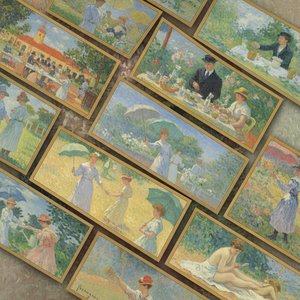
Pierre-Auguste Renoirin 25 mestariteosta: Valoa ja elämää taidemaalauksissa | OriginalUniqueArt
Tutustu Pierre-Auguste Renoirin 25 lumoavinta mestariteosta! Uppoudu impressionismin maailmaan, valon ja värien leikkiin. Taidehistoriaa, tekniikoita ja inspiraatiota sisustukseen OriginalUniqueArt.comissa. Tutki kokoelma verkossa!

Barokin mestariteokset: Taidetta ja loistoa kotiisi – OriginalUniqueArt.com
Uppoudu barokin loistokkuuteen! Tutustu Caravaggion, Rembrandtin ja Vermeerin kaltaisten mestareiden tunnetuimpiin teoksiin. Taidehistoriaa kotiisi – löydä upeat taidetulosteet ja canvas-taulut OriginalUniqueArt.comista.

Barokin loisto: Kuinka tuoda ylellisyyttä ja tunnetta nykyaikaiseen sisustukseen
Tutustu barokki sisustuksen loistoon! Opi luomaan ylellistä ja tunnelmallista kotia historiallisen tyylin inspiroimana. Vinkkejä, esimerkkejä ja in apua.

The Dramatic Flourish: Exploring the Baroque Movement's Enduring Legacy in Art History
Explore the dramatic world of Baroque art! Discover iconic artists like Caravaggio & Rubens, defining techniques, and its lasting impact on art history. Expert insights for collectors & enthusiasts at OriginalUniqueArt.