Post-Impressionism · 1925
The Windows (Pierre Bonnard, 1925)
Pierre Bonnard (1867–1947) on luonut teoksen The Windows. Se on peräisin vuodelta 1925. Se kuuluu Post-Impressionism-liikkeeseen. Se on valmistettu materiaalilla Oil On Canvas.
- 1925
- Oil On Canvas

 Esikatselu

 Käsinmaalattu öljymaalaus
 Jaa teos
 Jaa
 Teostiedot


 Lataa kuva
 Samanlaisia kohteita
 Röntgenkuvaus
 Diaesitys
 Kysymykset ja vastaukset

 Tilastot
The Windows lyhyesti
- Teoksen nimi
- The Windows
- Taiteilija
- Pierre Bonnard (1867–1947)
- Taiteilijan syntymäpaikka
- Fontenay-aux-Roses, Ranska
- Päivämäärä
- 1925
- Tekniikka
- Oil On Canvas
- Taidesuuntaus
- Post-Impressionism
- Aikakausi
- 19th Century
- Aihe
- mediterranean view, interior landscape, window composition, post-impressionism art, light and shadow, domestic scene
Mitä The Windows esittää?
A Window on Memory: Pierre Bonnard’s ‘The Windows’
Pierre Bonnard's “The Windows,” painted in 1925, is more than just a still life; it’s an intimate meditation on light, memory, and the quiet beauty of domesticity. The artwork immediately draws the viewer into a warmly lit interior space, a room imbued with a palpable sense of tranquility. Through the open window, a vibrant Mediterranean town unfolds – a distant echo of warmth and color that subtly shapes the mood of the scene. Bonnard’s masterful use of perspective creates a layered composition, guiding our eye from the tangible objects within the room—a book titled ‘Marie,’ a paintbrush, an inkwell—to the expansive vista beyond, blurring the boundaries between the personal and the universal.
- Post-Impressionist Vision: “The Windows” firmly establishes Bonnard’s place within the Post-Impressionist movement. Influenced heavily by Paul Gauguin's bold color palettes and flattened perspective, Bonnard rejects strict realism in favor of a subjective interpretation of reality. The visible brushstrokes, applied with a confident hand, contribute to a richly textured surface that invites close inspection.
- Technique & Materials: Executed in oil paints on canvas, the artwork showcases Bonnard’s signature impasto technique – thick layers of paint built up to create a tactile and luminous effect. This is particularly evident in the window frame and the book cover, where the paint seems to shimmer with reflected light.
- Color as Emotion: Bonnard's color choices are deliberately emotive, eschewing naturalistic representation for hues that evoke specific feelings. The warm yellows, oranges, and reds of the interior contrast dramatically with the cooler blues and greens of the distant landscape, creating a dynamic visual tension.
Decoding the Symbolism
Beyond its technical brilliance, “The Windows” is rich in symbolic potential. The inclusion of ‘Marie,’ a book bearing this name, has been interpreted as representing love or memory – perhaps a cherished recollection brought to life through the artist’s gaze. The window itself acts as a portal, not just to a physical location but also to a realm of contemplation and introspection. The simplified shapes and organic forms throughout the composition suggest a desire to capture the essence of things rather than their precise details, aligning with Bonnard's broader artistic philosophy.
- The Mediterranean Landscape: The distant town, rendered in atmospheric perspective – paler colors and less detail for objects further away – symbolizes escape, longing, or perhaps a nostalgic yearning for the sun-drenched landscapes of Southern France, where Bonnard spent much of his life.
- Domestic Objects as Vessels of Memory: The carefully arranged objects within the room—the book, paintbrush, inkwell—are not merely props; they are imbued with personal significance, suggesting a connection to Bonnard’s own experiences and emotions.
Historical Context & Artistic Legacy
Painted in 1925, “The Windows” reflects the evolving artistic landscape of early 20th-century France. Bonnard was working at a pivotal moment, navigating between the traditions of Impressionism and the radical experimentation of Cubism and other avant-garde movements. His work, though rooted in observation, is profoundly subjective, prioritizing emotional resonance over objective representation. This approach anticipated many of the developments that would shape modern art.
Artist Information: Pierre Bonnard (1867-1947) was a prominent figure in the Post-Impressionist movement, renowned for his evocative depictions of domestic interiors and landscapes. His distinctive style, characterized by bold color choices, loose brushwork, and a focus on capturing light and atmosphere, continues to captivate audiences today.The Windows korkearesoluutioiset kuvat

Tekijänoikeudet: teos on vapaasti käytettävissä, taiteilija kuoli vuonna 1947.
Muut koot, rajaukset ja viittaukset →Pierre Bonnard, The Windows (1925). Tekijänoikeudet vapaat.
Kysymyksiä teoksesta The Windows ja vastauksia niihin
Milloin teos Pierre Bonnard:n "The Windows" on luotu?
"The Windows" on peräisin vuodelta 1925. Teoksen valmistumisajankohta sijoittaa sen Pierre Bonnard uran ja aikakauden kontekstiin.
Mitä tekniikkaa Pierre Bonnard:n "The Windows" on käytetty?
Pierre Bonnard käytti teoksessa "The Windows" Oil On Canvas-tekniikkaa. Tekniikka määrittelee alkuperäisen teoksen materiaalisen luonteen.
Mitä Pierre Bonnard:n "The Windows" esittää?
Teoksen Pierre Bonnard:n "The Windows" teemoihin kuuluvat mediterranean view, interior landscape, window composition, post-impressionism art, light and shadow, domestic scene, color palette study. Yhdessä ne tiivistävät teoksen aiheen.
Onko teos "The Windows" tekijänoikeusvapaa?
Pierre Bonnard:n "The Windows" on vapaasti käytettävissä – tekijänoikeussuoja on päättynyt. Tämä tila määrittää, miten teoksen kuvaa saa käyttää uudelleen.
Kenen teokseksi "The Windows" on merkitty?
"The Windows" on Pierre Bonnard:n luoma teos. Tällä sivulla olevat tiedot kuvaavat Pierre Bonnard:n alkuperäistä työtä.
Mihin taidesuuntaukseen Pierre Bonnard:n "The Windows" kuuluu?
Teoksen Pierre Bonnard:n "The Windows" tyylisuunta on Post-Impressionism. Tämä luokittelu sijoittaa teoksen muiden samankaltaisten taiteilijoiden ja teosten joukkoon.
Mihin kohtaan Pierre Bonnard uraa teos "The Windows" sijoittuu?
"The Windows" kuuluu Pierre Bonnard uran Mature Period-vaiheeseen. Tämä luokittelu yhdistää teoksen taiteilijan kehitysvaiheeseen.
Kuinka vanha Pierre Bonnard oli luodessaan "The Windows" vuonna 1925?
Pierre Bonnard loi teoksen "The Windows" ollessaan 58 vuotias. Taiteilija on syntynyt vuonna 1867 ja teos on ajoitettu vuodelle 1925.
Mikä selittää teoksen Pierre Bonnard:n "The Windows" tekijänoikeustilanteen?
Pierre Bonnardn teos "The Windows" on vapaasti käytettävissä – tekijänoikeussuoja on päättynyt. Tekijänoikeusajat lasketaan taiteilijan kuolinvuodesta, ja Pierre Bonnard kuoli vuonna 1947.
Tietoa taiteilijasta, Pierre Bonnard
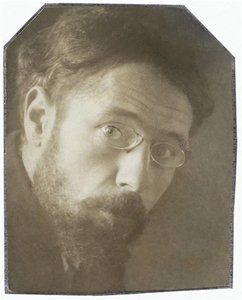
1867–1947, Ranska
Pierre Bonnard
Varhaisluonnos, perhe ja taiteellinen kasvu Pierre Bonnard saapui maailmaan 3. lokakuuta 1867 Fontenay-aux-Rosesin kylässä, Ranskan Hauts-de-Seinessä. Hän syntyi perheeseen, jota leimasi selkeä odotusarvojen ja rakenteiden maailma; hänen isänsä, Eugène Bonnard, toimi korkeassa asemassa Ranskan sodaministeriössä. Vaikka hänen sukujuurensa olivat ankkuroituneet valtion hallinnolliseen vakauteen, Pierre’n kotitalouden pehmeämpi puoli sai muotonsa äidin, Alsacen alueelta kotoisin olevan Élisabeth Mertzdorffin, kautta.
Tietoa taiteilijasta Pierre Bonnard Pierre Bonnardn merkittävimmät teokset
Myös Pierre Bonnard -teoksia
 Nainen kylpyhuoneessa1920
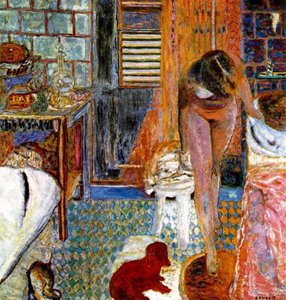 La toilette, ca Private1932
 The almond tree in blossom
 Le placard rouge (The Red Cupboard),1939

Esseitä teoksesta The Windows
 Top 10 Impressionistia: Taidemaailman mullistajat ja mestariteokset kotiisi – OriginalUniqueArtTutustu 10 impressionismin mestariteokseen – Monet'n vesiliilat, Renoir'n tanssijat ja muut ikonit! Taidemaalausten tarinat, tekniikat & in…
 Capturing Emotion: The Enchanting World of Romantic Illustration and the Art of Visual PoeticsExplore the evocative beauty of Romantic illustration. From Art Nouveau to Victorian classics, discover how master illustrators capture pro…
 Chasing the Sun: The Ethereal Magic of Window Light in Impressionist MasterpiecesDiscover the ethereal beauty of window light in Impressionist masterpieces. Explore a visual journey through Monet, Bonnard, and Van Gogh, …