 Esikatselu
 Jaa teos
 Jaa
Jaa
 Tiedot
 Opas
Opas

 Lataa kuva
 Samanlaisia kohteita
 Röntgenkuvaus
 Diaesitys
 Q&A
Q&A Tilastot
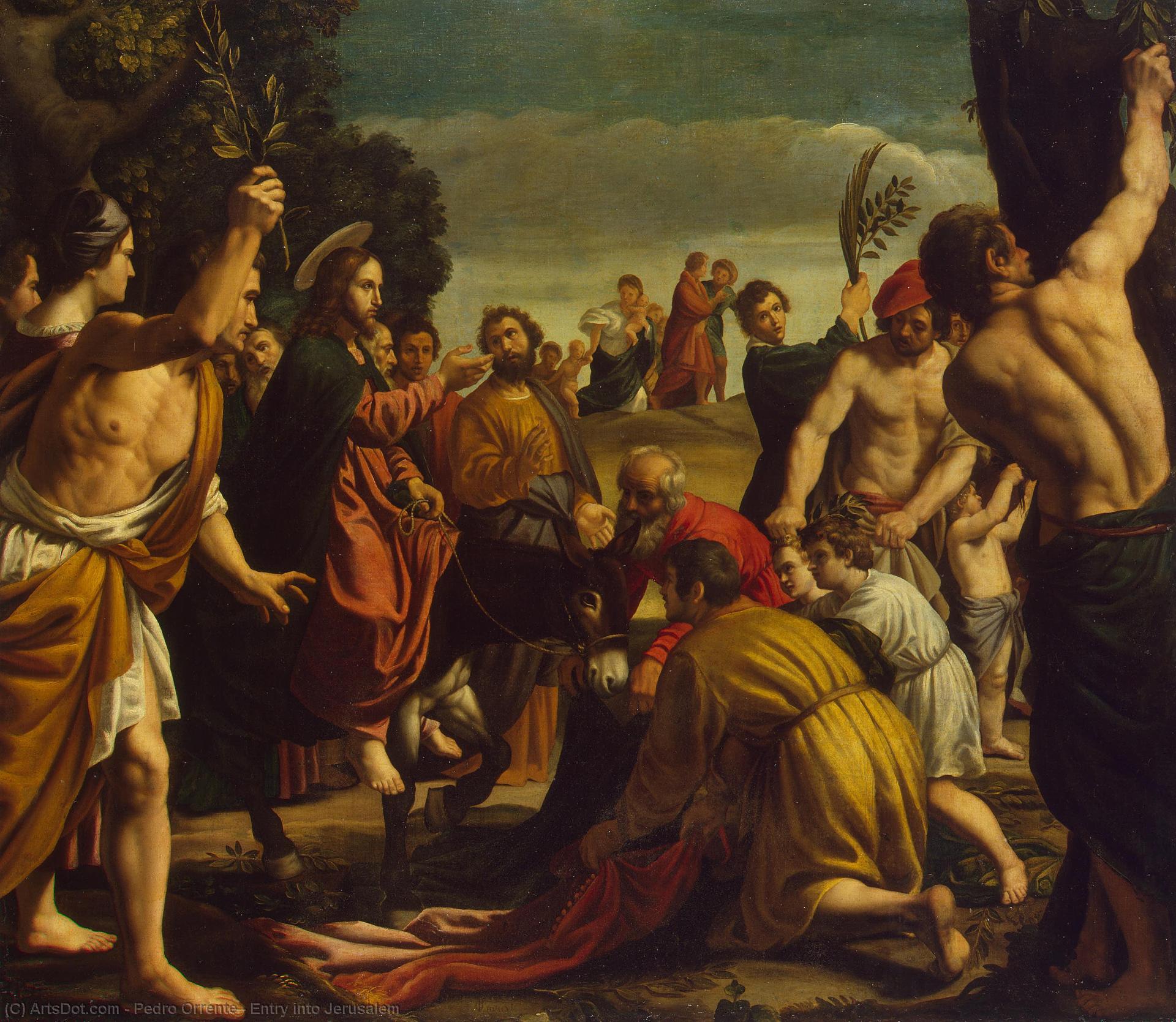
Jeesuksen Jerusalemiin astuminen

- 112.0 x 127.0 cm


 Lue lisää
Giclée- ja taideprintit
Museolaatuisia giclée- tai kankaitaulun tulosteita nopealla tuotannolla ja joustavilla viimeistelyvaihtoehdoilla. ( Osta käsinmaalattu taideteos Siirry digitaaliseen kuvaan)




P118B €10

P118H €10

P118W €10

P438Z €10

P508JH €12

P508YH €12

P805H €10

P805Z €10

P919BZ €10

P919G €10

P919XJ €10

P959ZH €10

P968JZ €12

W106C €8

W218G €10

W218JH €8

W218Y €10

W307PJ €10

W316G €10

W316PJ €8

W316Y €10

W398PJ €8

W4111J €10

W500HY €15

W500JH €15

W692G €12

W849H €8

W940BG €15

W953PJ €8




Valitse valmiista mitoistamme sellaiset, jotka vastaavat teoksen alkuperäisiä mittasuhteita.

Syötä tarvitsemasi leveys ja korkeus, jotta tuloste sopii kehyksiisi tai seinällesi. Tulostetta voidaan vain leikata, sitä ei voida koskaan suurentaa alkuperäistä kuvaa suuremmaksi, joten eri muotoinen koko aiheuttaa osan kuvasta katoamisen. Lähetämme sinulle digitaalisen mallikuvan hyväksyttäväksi ennen kuin aloitamme tulostuksen. Tällä sivulla näkyvä kuva ei näytä lopullista rajausta — vain mallikuva näyttää sen.
Maailmanlaajuinen toimitus () 2 viikossa tavallisen 4–5 viikon sijaan. (3 marraskuu)

Ilmainen pikatoimitus ympäri maailman

Korkealaatuinen pellavakangas

Kattava kuljetusvakuutus

Tulliveron palautustakuu

Takuu täydellisestä värien vastaavuudesta

100 päivän palautusoikeus (vain valmistusvirheet)

100% rahat takaisin -takuu

Määräalennus tarjolla
 Lasivaihtoehto on saatavilla vain alle 110 cm kokoisille teoksille

Jeesuksen Jerusalemiin astuminen
Giclée- ja taideprintit
Replikaatin koko
-


Kokonaishinta
€ 71
Johdatus Pyhään Jeruteen Sanomiseen
Pedro Orrente, 1620 valmistunut teos "Pyhän Jeruteen Sanominen" (Entry into Jerusalem), on enemmän kuin pelkkä uskonnollinen kuvaus. Se on hetki, joka vangitsee sekä uskonnon että luonnonvoimien kohtaamisen – dramaattinen ja samalla hiljainen hetki, joka heijastaa 17-luvun Espanjan taiteen ytimiä. Orrente ei ole vain jäljentänyt tapahtumaa; hän on pyrkivyt luomaan tunteen, että katsoja on todella läsnä Jeruteen portilla, aivan kuin olisi osa näkyvää joukkoa, joka odottaa Messiaan saapumista.
Teoksen keskiössä on Jeesus, jonka asento ja ympäröivän kansan reaktiot luovat vahvan tunteen kunnioituksesta ja ihailusta. Orrente on taitavasti käyttänyt valoa ja varjoa luodakseen syvyyttä ja dramaattisuutta, korostaen Jeesuksen hahmoa ja samalla luoden tunnelman, joka on sekä pyhä että ihmismäinen. Kuvan väripaletti on maanläheinen, mutta silti rikas – ruskeat, punaiset ja keltaiset sävyt tuovat mieleen auringonvaloa ja maaperän, mikä vahvistaa kuvaa maan päällä tapahtuvasta tapahtumasta.
Barokki-ajan Luomakunnan Kuvaus
Orrente oli merkittävä hahmo Espanjan taiteessa, joka siirtyi barokkityylistä luontorealistiseen lähestymistapaan. Hänen teoksensa ovat tunnettuja niiden tarkkuudesta ja yksityiskohtaisuudesta, mutta myös niiden kyvystä välittää vahvoja tunteita. "Pyhän Jeruteen Sanominen" on täydellinen esimerkki tästä – Orrente ei ole vain piirtänyt ihmisiä ja eläimiä, vaan hän on pyrkinyt vangitsemaan heidän tunteensa ja kokemuksensa. Hänen taiteessaan näkyy vahva vaikutus italialaisesta barokkista, erityisesti Caravaggion realistisesta valon ja varjon käytöstä.
Kuvan tekninen toteutus on huomionarvoinen. Orrente käytti öljyvärejä karkealla pensselillä, mikä antaa teokseen pintapinnan, joka on täynnä tekstuureja ja hienoja yksityiskohtia. Tämä tekniikka korostaa kuvan kolmiulotteisuutta ja luo tunteen, että katsoja voi koskettaa teosta sormillaan. Kuvan koko, 112 x 127 cm, on sopiva mittakaava, joka mahdollistaa yksityiskohtien tarkastelun ja samalla luo vaikuttavan kokonaisuuden.
Symboliikka ja Merkitys
Teoksen symboliikka on monitasoinen. Jeesuksen ratsastus donkeenin selässä symboloi nöyrää Messiaan saapumista, vastakohtana roomalaisten kuninkaalliseen kruunaukseen. Palmikirjat ovat voiton ja kunnian symboleja, jotka osoittavat kansan hyväksynnän Jeesukselle. Kaksitoistolintu taivaalla on toivoa ja uuden alun merkki – se viittaa siihen, että Jumala on kuunnellut Jeruteen kansan rukousten.
Kuvan keskellä oleva mies, joka pitää ylpeänä ristin, edustaa Jeesuksen uhrausta. Hänen asento ja katse kertovat siitä, että hän on valmis antamaan elämänsä ihmiskunnan puolesta. "Pyhän Jeruteen Sanomisen" teoksen symboliikka ei ole vain uskonnollinen, vaan myös filosofinen – se käsittelee teemoja nöyryyttä, uhrautumista ja toivoa.
Kuvituksen ja Reproduktion Arvo
OriginalUniqueArt tarjoaa huolellisesti käsinmaalattuja reproduktioita Pedro Orrenten "Pyhän Jeruteen Sanomisen" teoksesta. Nämä reproduktiot ovat täydellinen tapa kokea taiteen kauneus ja merkitys ilman alkuperäisen teoksen rajoituksia. Jokainen reproduktio on maalattu käyttämällä samoja tekniikoita ja materiaaleja kuin Orrente itse, mikä takaa autenttisuuden ja laadun. Tämä teos sopii täydellisesti sisustukseen, joka vaatii hienostuneen ja tunteellisen kosketuksen – se on sekä kaunis että merkityksellinen taideteos, joka tuo huoneeseen uskonnon, historian ja luonnonvoimien yhdistelmän.
Kysymykset ja vastaukset
Kuinka vanha Pedro Orrente oli tehdessään "Jeesuksen Jerusalemiin astuminen"?
Pedro Orrente loi teoksen "Jeesuksen Jerusalemiin astuminen" ollessaan 40 vuotias. Taiteilija on syntynyt vuonna 1580 ja teos on ajoitettu vuodelle 1620.
Onko teos "Jeesuksen Jerusalemiin astuminen" säilytyksessä tekijänsä kotimaassa?
Ei - teos sijaitsee ulkomailla. Pedro Orrente syntyi maassa Spain, ja alkuperäinen teos "Jeesuksen Jerusalemiin astuminen" on osa Russia museon kokoelmaa.
Miten teos "Jeesuksen Jerusalemiin astuminen" on valmistettu ja mitkä ovat sen mitat?
Teoksen Pedro Orrente:n "Jeesuksen Jerusalemiin astuminen" tekniikka on Öljyväri, ja sen mitat ovat 112 x 127 cm.
Taiteilijan elämäkerta
The Spanish Bassano: The Life and Legacy of Pedro Orrente
In the vibrant tapestry of the Spanish Golden Age, few threads are as intricately woven yet subtly colored as those left by Pedro Orrente. Born in Murcia in 1580, Orrente emerged during a transformative era when the dramatic tensions of the Baroque were beginning to coalesce with a burgeoning interest in naturalism. While history often shines its brightest spotlight on more flamboyant figures like El Greco, Orrente carved out a profound niche by bridging these two worlds. His life was one of movement and adaptation, traveling from his native Murcia to the artistic hubs of Toledo and eventually settling in Valencia, where he would pass away in 1645. This nomadic existence allowed him to absorb the diverse artistic currents of Spain, creating a body of work that feels both deeply rooted in Spanish tradition and breathlessly connected to the broader European landscape.
The foundations of Orrente’s mastery were laid in his early years, likely under the tutelage of the Murcia painter Juan de Arizmendi. However, it was his time in Toledo around 1600 that truly ignited his professional ascent. It was here that he encountered Jorge Manuel Theotocóp_uli, the son of El Greco, a friendship that undoubtedly exposed him to the lingering echoes of Mannerism. Yet, Orrente’s true artistic soul found its resonance elsewhere. His travels took him to Venice, where the influence of the Bassano family became an indelible part of his visual vocabulary. Often referred to as "the Spanish Bassano," Orrente adopted their unique ability to transform biblical narratives into dynamic genre scenes. He learned to populate his canvases with lively figures set against lush, detailed landscapes, moving away from stiff, idealized compositions toward a more visceral, human experience of the divine.
A Mastery of Naturalism and Dramatic Light
Orrente’s technical prowess is most evident in his ability to manipulate light and shadow to evoke profound emotional responses. He was a pioneer of naturalism within the Spanish Baroque framework, prioritizing an accurate, almost tactile representation of the world around him. In masterpieces such as "The Sacrifice of Isaac" (1616), one can witness this tension between the sacred and the earthly. The composition is charged with an urgent, palpable anxiety, where the intervention of the angel provides a moment of divine grace amidst the raw, human terror of the scene. His use of chiaroscuro—the dramatic interplay of light and dark—serves not merely as a stylistic flourish but as a narrative tool to anchor the viewer’s eye to the most poignant emotional beats of his stories.
This skill is further illuminated in works like "Entry into Jerusalem" (c. 1620), where the biblical event is stripped of distant abstraction and rendered as a vibrant, crowded tableau. Through his brush, Jesus does not arrive merely as a theological icon but as a figure moving through a real, breathing world, surrounded by a diverse crowd of worshippers, skeptics, and onlookers. Orrente had a remarkable gift for detail; whether it was the texture of a donkey's coat, the fluttering of birds in a vast sky, or the subtle expressions of devotion on a disciple's face, his work invites a slow, meditative gaze that rewards the observer with endless layers of meaning.
Historical Significance and Artistic Triumph
The enduring significance of Pedro Orrente lies in his role as a transitional architect of Spanish art. He stood at the crossroads of eras, helping to steer the Spanish aesthetic away from the elongated, spiritualized forms of the late Renaissance toward the grounded, dramatic realism that would define much of the 17th century. His ability to synthesize the Venetian approach to landscape and genre with the intense religious fervor of Spain created a unique visual language that resonated across the regions where he worked.
Reflecting on his contributions, several key elements define his artistic triumph:
- Pioneering Naturalism: He was among the first in his region to prioritize realistic, human-centric representations within religious subjects.
- The Venetian Connection: His successful integration of the Bassano family's style allowed him to introduce a new sense of landscape and movement to Spanish altarpieces.
- Emotional Depth: Through masterful use of light and composition, he transformed static biblical stories into living, breathing dramas.
- Cultural Bridge: His work served as a vital link between the fading influence of El Greco's Mannerism and the rising tide of the Baroque.
Though his name may not always command the immediate recognition of the most famous masters, the impact of Pedro Orrente is felt in every shadow and every sun-drenched landscape of his canvases. He remains a vital figure for any student of art history, representing a moment of profound change where the divine was brought down to earth through the lens of breathtaking realism.

Pedro Orrente
1580 - 1645 , Spain
Pähkinänkuoressa
- Full Name: Pedro de Orrente
- Nationality: Spanish
- Date Of Birth: 1580
- Date Of Death: 1645
- Place Of Birth: Murcia, Spain
- Notable Artworks:
- The Sacrifice of Isaac
- El bateig de Crist
- Saint Leocadia
- Artistic Movement Or Style: Baroque
- Artists Who Influenced This Artist: ['El Greco']
- Artists Or Movements Influenced By This Artist:
- Esteban March
- Valencian art
Aiheeseen liittyvät artikkelit

Barokin loisto: Kuinka tuoda ylellisyyttä ja tunnetta nykyaikaiseen sisustukseen
Tutustu barokki sisustuksen loistoon! Opi luomaan ylellistä ja tunnelmallista kotia historiallisen tyylin inspiroimana. Vinkkejä, esimerkkejä ja in apua.

Baroque Classicism: The Grandeur of Order and Drama in 17th-Century Art History
Explore the profound elegance of Baroque Classicism. Discover how 17th-century masters synthesized dramatic emotion with classical order through the lens of the Counter-Reformation and the works of legends like Carlo Maratta and Andrea Sacchi.

The Visceral Stage: Exploring Dramatic Narratives & Emotional Intensity in Baroque Art
Explore the dramatic world of Baroque art! Discover iconic masters like Caravaggio & Rembrandt, their techniques, and the movement's lasting impact. Expert insights for collectors & enthusiasts at OriginalUniqueArt.

The Dramatic Flourish: Exploring the Baroque Movement's Enduring Legacy in Art History
Explore the dramatic world of Baroque art! Discover iconic artists like Caravaggio & Rubens, defining techniques, and its lasting impact on art history. Expert insights for collectors & enthusiasts at OriginalUniqueArt.

Barokin mestariteokset: Taidetta ja loistoa kotiisi – OriginalUniqueArt.com
Uppoudu barokin loistokkuuteen! Tutustu Caravaggion, Rembrandtin ja Vermeerin kaltaisten mestareiden tunnetuimpiin teoksiin. Taidehistoriaa kotiisi – löydä upeat taidetulosteet ja canvas-taulut OriginalUniqueArt.comista.