

 Esikatselu
 Jaa
Jaa Jaa
Jaa
 Tarkemmat tiedot

 Lataa
Lataa
 Samanlaisia
 Röntgenkuva
 Diaesitys
Ilmoitus


 Näytä lisää
Giclée-printit ja taideprintit
Museolaatuisia giclée- tai kankaitaulun tulosteita nopealla tuotannolla ja joustavilla viimeistelyvaihtoehdoilla. ( Osta käsintehty maalaus Osta kuva)




P118B $10

P118H $10

P118W $10

P438Z $10

P508JH $12

P508YH $12

P805H $10

P805Z $10

P919BZ $10

P919G $10

P919XJ $10

P959ZH $10

P968JZ $12

W106C $8

W218G $10

W218JH $8

W218Y $10

W307PJ $10

W316G $10

W316PJ $8

W316Y $10

W398PJ $8

W4111J $10

W500HY $15

W500JH $15

W692G $12

W849H $8

W940BG $15

W953PJ $8




Valitse valmiista mitoistamme sellaiset, jotka vastaavat teoksen alkuperäisiä mittasuhteita.

Voit syöttää omat mitat sopiaksesi tiettyyn kehykseen tai tilaan. Jos valittu koko ei vastaa alkuperäisen kuvan mittasuhteita, rajaamme teosta tai laajennamme kuvaa peilatulla tai yhtenäisellä reunalla. Digitaalinen mallikuva lähetetään hyväksyttäväksi ennen tuotannon aloittamista.
Huomaathan, että näytöllä näkyvä esikatselu ei vastaa lopullista rajausta tai laajennusta. Vain mallikuva näyttää lopullisen sommittelun tarkasti.
Vaikka räätälöityjä kokoja on saatavilla, suosittelemme valitsemaan mitat valmiista listasta alkuperäisten mittasuhteiden säilyttämiseksi.
Toimitus maailmanlaajuisesti () kahdessa viikossa tavallisen 4–5 viikon sijaan. (20 elokuu)

Ilmainen pikatoimitus ympäri maailman

Korkealaatuinen pellavakangas

Kattava kuljetusvakuutus

Tulliveron palautustakuu

Täydellinen värien vastaavuustakuu

60 päivän palautusoikeus (vain valmistusvirheet)

100% rahat takaisin -takuu

Määräalennus tarjous
 Lasivaihtoehto on saatavilla vain alle 110 cm kokoisina teoksina

Ilmoitus
Giclée-printit ja taideprintit
Replikaatin koko
-


Kokonaishinta
$ 80
Teoksen kuvaus
Pedro de Cordoba: Annunciation – Een Symbool van Hoop en Gebed
Pedro de Cordoba’s “Annunciation” is een kunstwerk dat niet alleen prachtige kleuren en gedetailleerde compositie biedt, maar ook een diepe historische en symbolische lading draagt. Het schilderij, geschreven rond het jaar 1475, vertegenwoordigt een essentieel moment in de christelijke geschiedenis – het bezoek van het Laatste Avondsmaal aan Maria Magdalena, waarbij de Archangel Gabriel haar aankondigt dat zij een zoon zal voortbrengen die Jezus Christus zal worden.
Het werk behoort tot de hoogtijdensperiode van de Late Gotische kunstvorm en is uitgevoerd in tempera op houtpaneel. Deze techniek, gebruikelijk voor religieuze kunststukken van deze tijd, vereiste een hoge mate van precisie en aandacht voor detail. De kunstenaar gebruikte kleurrijke pigmenten – rood, blauw, goud en wit – om de emotionele kracht van het onderwerp weer te geven en een gevoel van glorie en transcendentie aan te kaarten.
- Stijl: Laat Gotiek
- Techniek: Tempera op houtpaneel
- Materiaal: Hout, tempera pigmenten
De compositie is zorgvuldig gepland om de aandacht van de kijker naar het centrum van het beeld te leiden – Maria Magdalena en Gabriel. Maria wordt afgebeeld als een jonge vrouw die nederig knielt in gebed, terwijl Gabriel staat voor haar met een lys (lelie) in zijn hand, een symbool van zuiverheid en onschuld. Deze eenvoudige maar krachtige pose onderstreept de thema’s van vertrouwen en verwachting die centraal staan in het verhaal.
De achtergrond biedt een prachtige weergave van een kerkelijke ruimte, met een altaar waarop religieuze figuren zijn geplaatst. De gedetailleerde architectuur en de gouden versieringen onderstrepen de schoonheid en grandeur van de tijd waarin het schilderij ontstond – een periode gekenmerkt door intense religieuze devotie en artistieke innovatie.
“Annunciation” is meer dan alleen een kunstwerk; het is een visuele uitdrukking van een belangrijke gebeurtenis in de christelijke geloofsdriehoek. De kleuren, de compositie en de stijl werken samen om een gevoel van hoop, liefde en transcendentie op te roepen – kwaliteiten die nog steeds relevant zijn voor kunstenaars en verzamelaars wereldwijd.
Taiteilijan elämäkerta
A New York Vision of the Old Masters: The Life and Art of Pedro de Cordoba
Pedro de Cordoba, born in New York City in 1881, occupies a fascinating, if somewhat elusive, position within the landscape of early 20th-century American art. While biographical details remain sparse—a common fate for artists whose work didn’t immediately capture widespread critical attention during their lifetime—his paintings offer compelling evidence of a deeply cultivated artistic sensibility and a remarkable technical skill rooted in the traditions of European Old Masters, particularly those of Spain's Golden Age. Cordoba wasn’t merely copying past styles; he was engaging in a dialogue with them, reinterpreting religious iconography and classical composition through a distinctly American lens. His most celebrated work, “Annunciation,” exemplifies this beautifully—a scene steeped in the devotional fervor of Renaissance painting yet imbued with a quiet intimacy that feels uniquely modern.Early Influences and Artistic Training
The precise nature of Cordoba’s artistic training remains largely undocumented. However, given his eventual mastery of tempera on wood panel – a technique favored by artists from centuries past—it is reasonable to assume he sought out instruction in traditional methods. New York City at the turn of the century was a burgeoning art center, offering access to a diverse range of influences. The Metropolitan Museum of Art, founded in 1870, would have been an invaluable resource for studying European masterpieces firsthand. It’s plausible that Cordoba also benefited from private lessons or workshops focused on historical painting techniques. His work reveals a clear understanding of composition, light and shadow, and the meticulous detail characteristic of artists like Fra Angelico and Jan van Eyck. The influence of Spanish religious art is particularly pronounced, suggesting a possible fascination with the works of masters such as Zurbarán and Murillo—artists who imbued their sacred subjects with profound emotional depth and dramatic realism.The Evocative Power of “Annunciation”
“Annunciation,” Cordoba’s most recognizable painting, stands as a testament to his artistic vision. The scene depicts the Virgin Mary kneeling in prayer as the Angel Gabriel announces her impending motherhood. What sets this work apart is not simply its technical brilliance—the delicate rendering of fabrics, the luminous quality of the tempera paint, and the intricate details of the church interior—but also its emotional resonance. Unlike many depictions of the Annunciation that emphasize grandeur and divine spectacle, Cordoba’s version feels intimate and personal. Mary's expression is one of quiet contemplation rather than awe or fear, creating a sense of profound humility and grace. The use of gold leaf adds to the painting’s ethereal quality, evoking the sacred atmosphere of medieval icons. It’s a work that invites viewers to contemplate the mystery of faith and the power of divine revelation.A Legacy in Religious Painting
While Cordoba may not have achieved widespread fame during his lifetime, his paintings continue to captivate audiences with their beauty and emotional depth. His legacy lies primarily in his ability to seamlessly blend traditional techniques with a modern sensibility, creating works that are both reverent and deeply personal. He represents a fascinating intersection of artistic influences—a New York-born artist who found inspiration in the Old Masters yet forged his own unique path within the world of religious painting. Though information about his life remains limited, the enduring power of paintings like “Annunciation” ensures that Pedro de Cordoba’s work will continue to be appreciated for generations to come. His artistic style is a testament to the timeless appeal of classical composition and the evocative power of faith-based imagery.Historical Significance & Rediscovery
Pedro de Cordoba passed away in 1950, leaving behind a body of work that gradually gained recognition in the latter half of the 20th century. His paintings are now sought after by collectors and art enthusiasts who appreciate their unique blend of technical skill and emotional depth. The rediscovery of his work highlights the importance of looking beyond established narratives to uncover hidden gems within American art history. Cordoba’s story serves as a reminder that artistic talent can flourish in unexpected places, and that even artists whose names are not widely known can leave behind a lasting legacy through their dedication to craft and vision. His paintings offer a glimpse into a world where tradition and modernity coexist—a testament to the enduring power of art to transcend time and cultural boundaries. The OriginalUniqueArt, OriginalUniqueArt and other platforms dedicated to reproducing fine art have played a crucial role in bringing his work to a wider audience.
Pedro de Cordoba
1881 - 1950 , United States of America
Pikatiedot
- Artistic Movement Or Style: Cubism, Surrealism
- Artists Or Movements Influenced By This Artist: ['Surrealism']
- Artists Who Influenced This Artist:
- Paul Cézanne
- Georges Braque
- Date Of Birth: October 25, 1881
- Date Of Death: April 8, 1973
- Full Name: Pablo Diego José Francisco de Paula Juan Nepomuceno María de los Remedios Cipriano de la Santísima Trinidad Ruiz y Picasso
- Nationality: Spanish
- Notable Artworks:
- Guernica
- Les Demoiselles d’Avignon
- The Weeping Woman
- Three Musicians
- Place Of Birth: Málaga, Spain
Liittyvät artikkelit

Dante Gabriel Rossettin 25 mestariteosta: Taidetta ja inspiraatiota kotiisi | OriginalUniqueArt
Tutustu Dante Gabriel Rossettin 25 lumoavinta mestariteosta! Uppoudu viktoriaanisen ajan symbolismiin ja Pre-Raphaelite taiteen maailmaan. Löydä inspiraatiota sisustukseesi ja hanki korkealaatuisia taideprinttejä OriginalUniqueArt.comista. Tutki kokoelma verkossa!

Gothic Vibes: From Dark Shadows to Bold Modern Edge | The Ultimate Trend Forecast
Explore the evolution of Gothic vibes, from historical shadows to bold modern edge. Discover how dark aesthetics, noir interiors, and contemporary subcultures are redefining modern design through a high-impact, trend-focused lens.
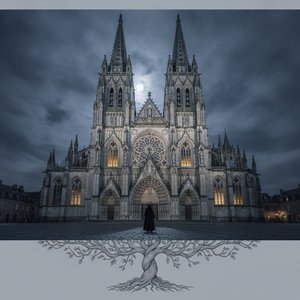
Shadows & Splendor: A Journey Through the Soul of Gothic Art and Architectural Grandeur
Embark on a profound journey through the spiritual intensity of Gothic art. Explore the architectural marvels, luminous stained glass, and sacred sculptures that define this era of grandeur and human devotion.
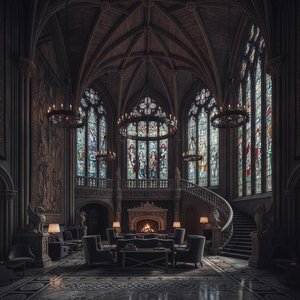
Gothic Art Guide for Hotel Designers: Leveraging Dramatic Shadows and Architectural Grandeur in Luxury Interiors
Elevate hospitality interiors with our expert guide to Gothic art. Discover how to leverage dramatic shadows, architectural grandeur, and high-end reproductions to create sophisticated, atmospheric hotel spaces that captivate guests.
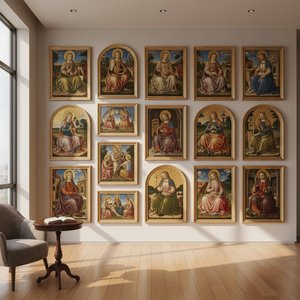
Fra Angelicon 25 mestariteosta: Taidetta ja hengellisyyttä kotiisi – OriginalUniqueArt.com
Tutustu Fra Angelicon 25 mestariteokseen – varhaisen renessanssin lumoavia freskoja ja alttaritauluja. Uppoudu italialaisen taidemaalarin hengelliseen maailmaan OriginalUniqueArt.comissa! Taidekopiokuvia ja sisustusideoita.


