Katso seinällä
 Lähetä
 Jaa
Jaa
 Tarkemmat tiedot
 Opas
Opas

 Lataa kuva
 Samanlaisia kohteita
 Röntgenkuvaus
 Diaesitys
 Tilastot
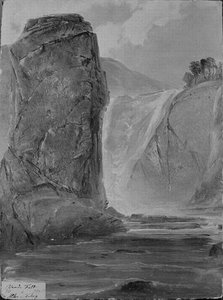
VUE DU PRESBYTERE D'EIDSVOLD


 Lue lisää
Giclée- ja taideprintit
Museolaatuisia giclée- tai kankaitaulun tulosteita nopealla tuotannolla ja joustavilla viimeistelyvaihtoehdoilla. ( Tilaa käsinmaalattu jäljennös Siirry digitaaliseen kuvaan)




P118B €10

P118H €10

P118W €10

P438Z €10

P508JH €12

P508YH €12

P805H €10

P805Z €10

P919BZ €10

P919G €10

P919XJ €10

P959ZH €10

P968JZ €12

W106C €8

W218G €10

W218JH €8

W218Y €10

W307PJ €10

W316G €10

W316PJ €8

W316Y €10

W398PJ €8

W4111J €10

W500HY €15

W500JH €15

W692G €12

W849H €8

W940BG €15

W953PJ €8




Valitse valmiista mitoistamme sellaiset, jotka vastaavat teoksen alkuperäisiä mittasuhteita.

Kirjoita tarvitsemasi leveys ja korkeus, jotta tuloste sopii kehyskokoon tai seinällesi. Tulostetta voidaan vain leikata, sitä ei voi koskaan tehdä suuremmaksi kuin alkuperäinen kuva, joten eri muotoinen koko aiheuttaa osan kuvasta katoamisen. Lähetämme sinulle digitaalisen mallikuvan hyväksyttäväksi ennen kuin aloitamme tulostuksen. Tällä sivulla näkyvä kuva ei näytä lopullista leikkausta — vain mallikuva näyttää sen.
Maailmanlaajuinen toimitus () 2 viikossa tavallisen 4–5 viikon sijaan. (24 lokakuu)

Ilmainen pikatoimitus ympäri maailman

Korkealaatuinen pellavakangas

Kattava kuljetusvakuutus

Tulliveron palautustakuu

Takuu täydellisestä värien vastaavuudesta

100 päivän palautusoikeus valmistusvirhetapauksissa

100% rahat takaisin -takuu

Määräalennus saatavilla
 Lasivaihtoehto on saatavilla vain alle 110 cm kokoisille teoksille

VUE DU PRESBYTERE D'EIDSVOLD
Giclée- ja taideprintit
Replikaatin koko
-


Kokonaishinta
€ 70
A Haunting Beauty: Peder Balke’s “Vue du Presbytère d’Eidsvold”
Peder Balke's "Vue du Presbytère d’Eidsvold" isn’t merely a landscape painting; it’s a distilled moment of Northern Norwegian melancholy, rendered with an almost unsettling intimacy. Completed around 1849, this work—a cornerstone of the Romantic tradition and a testament to Balke’s unique vision—captures not just a physical scene but also the profound emotional resonance of the natural world. The painting depicts the modest presbytery of Eidsvold, nestled within a landscape dominated by muted greys, blues, and browns – colors that speak less of vibrant life and more of quiet contemplation and the enduring power of time.
Romantic Luminism: Light, Atmosphere, and Feeling
Balke’s style defies easy categorization. He’s often associated with Romanticism, yet his approach diverges significantly from the grand, heroic landscapes favored by some contemporaries. Instead, he embraced a more subtle, introspective mode—a technique he termed “luminism.” This isn't about sharp detail or dramatic contrasts; it’s about capturing the *feeling* of light and atmosphere. Notice how the overcast sky diffuses the light, creating an ethereal haze that softens every edge and blurs the boundaries between land and water. The brushstrokes are loose and expressive, layering color to build depth and suggest movement—a gentle breeze rustling through the trees, the subtle shimmer on the water’s surface. This deliberate lack of precision isn't a flaw; it’s precisely what imbues the scene with its haunting beauty.
A Story in Layers: Technique and Materials
Balke employed a distinctive technique, utilizing thin washes of oil paint applied to cardboard or canvas. This layering creates a remarkable sense of depth and atmospheric perspective – distant elements appear paler and less defined, drawing the viewer’s eye into the heart of the scene. The use of muted colors—primarily greys, browns, and blues—further enhances this effect, evoking the cool, damp air characteristic of the Norwegian coast. The artist's meticulous attention to detail is evident in the subtle variations within each color tone, creating a rich tapestry of textures and values. It’s a testament to his mastery of light and color that he can evoke such profound emotion with such seemingly simple means.
Symbolism and Emotional Resonance: A Landscape of Solitude
Beyond its purely visual qualities, “Vue du Presbytère d’Eidsvold” carries a potent symbolic weight. The isolated presbytery, set against the vastness of the Norwegian landscape, speaks to themes of solitude, faith, and the enduring connection between humanity and nature. The muted colors and hazy atmosphere contribute to a sense of melancholy—a feeling that lingers long after viewing the painting. Some scholars interpret the scene as reflecting Balke’s own personal struggles with isolation and his deep reverence for the natural world. The church spire, rising above the landscape, can be seen as a symbol of hope amidst the quiet contemplation, suggesting a connection between earthly existence and something greater.
Reproductions of this work offer a remarkable opportunity to bring Balke’s evocative vision into any space. Whether adorning a study or a living room, “Vue du Presbytère d’Eidsvold” invites viewers to pause, reflect, and connect with the timeless beauty of the Norwegian landscape—a testament to one artist's ability to capture not just a scene, but an entire mood.
Kysymykset ja vastaukset
Mihin osaan kotia "VUE DU PRESBYTERE D'EIDSVOLD"-teoksen reproduktio sopisi hyvin?
Suositeltu tila teokselle Peder Balke:n "VUE DU PRESBYTERE D'EIDSVOLD" on Living Room. Suositusta voidaan tietysti mukauttaa sisustukseesi sopivaksi.
Sallitaanko Peder Balke:n "VUE DU PRESBYTERE D'EIDSVOLD" -teoksen tekijänoikeuksien perusteella sen jäljentäminen?
Teos Peder Balke:n "VUE DU PRESBYTERE D'EIDSVOLD", joka kuuluu Louvren museo kokoelmiin, on tekijänoikeusvapaa – sen tekijänoikeussuoja on päättynyt. Tämä tila määrittää, voidaanko kuvasta tehdä jäljennöksiä.
Mistä "VUE DU PRESBYTERE D'EIDSVOLD" kertoo?
Peder Balke:n "VUE DU PRESBYTERE D'EIDSVOLD" esittää: landscape, norway, church, bridge, water, atmosphere, peder balke.
Taiteilijan elämäkerta
A Norwegian Romantic Visionary: The Life and Art of Peder Balke
Peder Andersen Balke, syntynyt 4. marraskuuta 1804 Helgøyassa Ringsakerin läänissä Norjassa, nousi 19-luvun maisema-taiteen keskuuteen poikkeuksellisena ääneltä. Hänen elämänsä on tarina taiteellisen pyrkimyksen päättäväisyydestä luonnon haastavan kauneuden ja yhteiskunnallisten rajoitusten keskellä. Luomukeskusteluun, jossa hän kasvoi Norjan karuudessa, syvästi juurtunut yhteyden tunne luontoon muotosi hänen teoksensa keskeiseksi piirteeksi. Vaikka hän syntyi maanviljelijöiden perheeseen, hänen lahaksensa tunnustettiin yhteisön toimesta, joka varansi resursseja taiteelliseen koulutukseen – todiste siitä, että luovuudelle asetetaan arvostusta jopa pienissä merkeissä. Tämä varhainen kannustus veti hänet muodolliseen koulutukseen, ensin Heinrich August Groschin ja Jacob Munchin johdolla, sitten syventymään taiteeseen laajemmassa eurooppalaisessa perinteessä opiskelemalla Kuninkaallisessa Ruotsin Taideakatemian Tukholmassa Carl Johan Fahlcrantz’in alaisuudessa ja myöhemmin hienosäätämällä taitojaan Johan Christian Dahlin rinnalla.
The Shaping of a Unique Style
Balken taiteellinen kehitys oli merkitty epäsäännölliseksi tutkimukseksi tekniikasta ja ilmaisusta. Hän ei ollut tyytyväinen yksinkertaisesti luomaan visuaalista maailmaa; hän pyrki vangitsemaan sen tunteen, sen yliluonnollisen voiman. Hänen maalauksensa ovat heti tunnistettavissa dramaattisella valaistuksella, usein kuvaten kohtia eeveeloisessa loisteessa tai hämärässä tunnelmassa. Tämä valon intohimoinen tavoittelu – erityisesti kuunvalon ja auringonlaskun väliaikaiset vaikutukset – muuttui hänen tyylinsä tunnusmerkiksi. Hän kehitti ainutlaatuisen sivellintekniikan, joka oli tekstuurisia viivoja ja epätavallista värien käyttöä, luoden unenomaisen laadun, joka erottaa hänen teoksensa perinteisemmistä romanttisista maisemista. Näyttää siltä kuin hän ei maalannut vain sitä, mitä *näki*, vaan pikemminkin sitä, mitä hän *tuli tuntemaan* luonnon läsnäolossa.
Landscapes of Norway: A National Identity on Canvas
Balke tunnetaan parhaiten herättävistä kuvauksistaan Norjan maisemasta, aiheesta, johon hän palasi toistuvasti uransa aikana. Teokset kuten Vue de Christiania (aujourd'hui Oslo), maalattu vuonna 1872, tarjoavat vakuuttavan kuvan Norjan pääkaupungin elämästä, mutta jopa tässä luonto hallitsee suurta osaa maisemaa, kehyttäen kaupunkia ja muistuttaen katsojia sen yhteydestä ympäröivään villiin luontoon. The Harbor at Skjervøy (1846) esittelee hänen huolellista yksityiskohtien tarkasteluaan yhdistettynä kykyyn vangita vilkkaan sataman energia. Old Trees (1840), jossa on karu talviskena ja voimakas valaistus, on esimerkki hänen mestariteoksestaan tunnelman ja ilmapiirin luomisessa. Seascape (1845) ja The North Cape by Moonlight (1848) osoittavat hänen kykyään välittää Norjan karua kauneutta ja villiä henkeä rannikolla ja pohjoisilla alueilla. Nämä eivät olleet yksinkertaisesti viehättäviä näkymiä; ne olivat lausuntoja kansallisesta identiteetistä, juhlaa Norjan ainutlaatuisen luonnon perinnöstä.
Beyond the Canvas: A Social Conscience
Peder Balke oli enemmän kuin pelkkä taiteilija; hän oli sitoutunut sosiaalinen uudistaja, joka osallistui aktiivisesti ajankohdan painaviin ongelmiin. Hän uskoi käyttävänsä resurssejaan ja vaikutustaan muiden elämän parantamiseen, erityisesti Balkeby-projektin kautta – uusi kaupunginosa Oslossa, jonka tarkoituksena oli tarjota kunnollisia asumisoloja työntekijöille. Hän myöntää lainoja ja pakottaa tiukkoja rakennusmääräyksiä, osoittaen käytännöllistä sitoutumista sosiaaliseen oikeudenmukaisuuteen. Lisäksi Balke puolusti vapaasti taiteilijoille tarkoitettujen varojen tukemista, argumentoiden apurahoista ja eläkkeitä sekä miehille että naisille, tunnustaen luovuuden keskeisen roolin yhteiskunnassa. Tämä omistautuminen sosiaalisille syyille paljastaa myötätuntoisen ja edistyksellisen yksilön, joka näki taiteen sisäisesti sidoksissa ihmisten hyvinvointiin.
Rediscovery and Legacy
Vaikka hänen merkittävät panoksensa olivatkin huomionarvoisia, Balke’n teokset jäivät suhteellisen huomaamattomiksi vuosien jälkeen hänen kuolemansa vuonna 1887. Vain myöhäisessä 20- ja varhaisessa 21-vuosisadalla uudelleenarviointi hänen ainutlaatuisesta näkemyksestään alkoi nousta esiin. Merkittäviä näyttelyitä arvostetuissa instituutioissa, kuten Kansallisgalleriassa Lontoossa (2014–2015) ja Metropolitan Museum of Artissa (2017), toi hänen maalauksensa laajemman yleisön tietoisuuteen, herättäen kriittistä arviota ja akateemista kiinnostusta. Tänään Peder Balke tunnustetaan keskeiseksi hahmoon Norjan taiteen historiassa, taiteilijaksi, jonka dramaattiset maisemat ja tunteellinen syvyys resonoivat edelleen katsojien kanssa. Hänen vaikutuksensa näkyy myöhemmän pohjoismaisten taiteilijoiden teoksissa, vahvistaen hänen paikkansa todellisena visionäärinä, joka vangitsi Norjan sielun kankaalle.
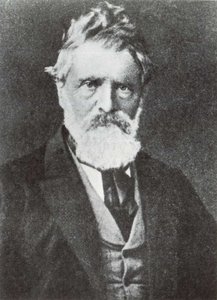
Peder Balke
1804 - 1887 , Norja
Tietoa taiteilijasta
- Artistic Movement Or Style: Romanttinen maisema
- Artists Or Movements Influenced By This Artist: ['Nordmainen taide']
- Artists Who Influenced This Artist:
- Heinrich Grosch
- Jacob Munch
- Date Of Birth: 1804
- Date Of Death: 1887
- Full Name: Peder Andersen Balke
- Nationality: Norjalainen
- Notable Artworks:
- Vue Christiania
- Satama Skjervøy
- Place Of Birth: Hegøy, Norja
Aiheeseen liittyvät artikkelit

John Constablein 25 mestariteosta: Taidetta ja tunnelmaa kotiisi – OriginalUniqueArt.com
Tutustu John Constable'n 25 mestariteokseen – romanttisia maisemamaalauksia, jotka vangitsevat englantilaisen luonnon tunnelman. Taidehistoriaa ja inspiraatiota kotiisi OriginalUniqueArt.com:ssa. Löydä kaikki taideteokset verkossa!

Romanttisen maisemamaalauksen mestariteokset: Taidetta ja inspiraatiota kotiin
Uppoudu romanttisen maisemamaalauksen maailmaan! Tutustu Caspar David Friedrichin, Turnerin ja muiden mestareiden ikonisiin teoksiin. Löydä inspiraatiota kotiisi taiteen avulla OriginalUniqueArt.comista – laadukkaat taideprintit ja sisustusideoita.

Luminism: The Mastery of Ethereal Light and Atmospheric Tranquility in American Landscape Painting
Journey through the luminous era of American landscape art. Uncover the history, techniques, and masters of Luminism, from Kensett to Lane. Elevate your collection with our museum-grade, hand-painted oil reproductions of these ethereal masterpieces.

Evocations of Place: A Historical Journey Through Landscape Art
Explore the rich history of landscape art with OriginalUniqueArt. Discover renowned artists, movements like Impressionism & Romanticism, and expert guidance for collecting timeless pieces. Find your perfect serene escape today!
Capturing Stillness: A Curated Exploration of the Most Iconic Lake Landscapes in Art History
Journey through art history's most serene lake landscapes. From Romantic vistas to light-drenched Impressionist waters, discover the stories behind these iconic masterpieces and find museum-quality, hand-painted oil reproductions for your private collection.