
 Esikatselu
 Jaa
Jaa Jaa
Jaa
 Tarkemmat tiedot

 Lataa
Lataa
 Samanlaisia
 Röntgenkuva
 Diaesitys
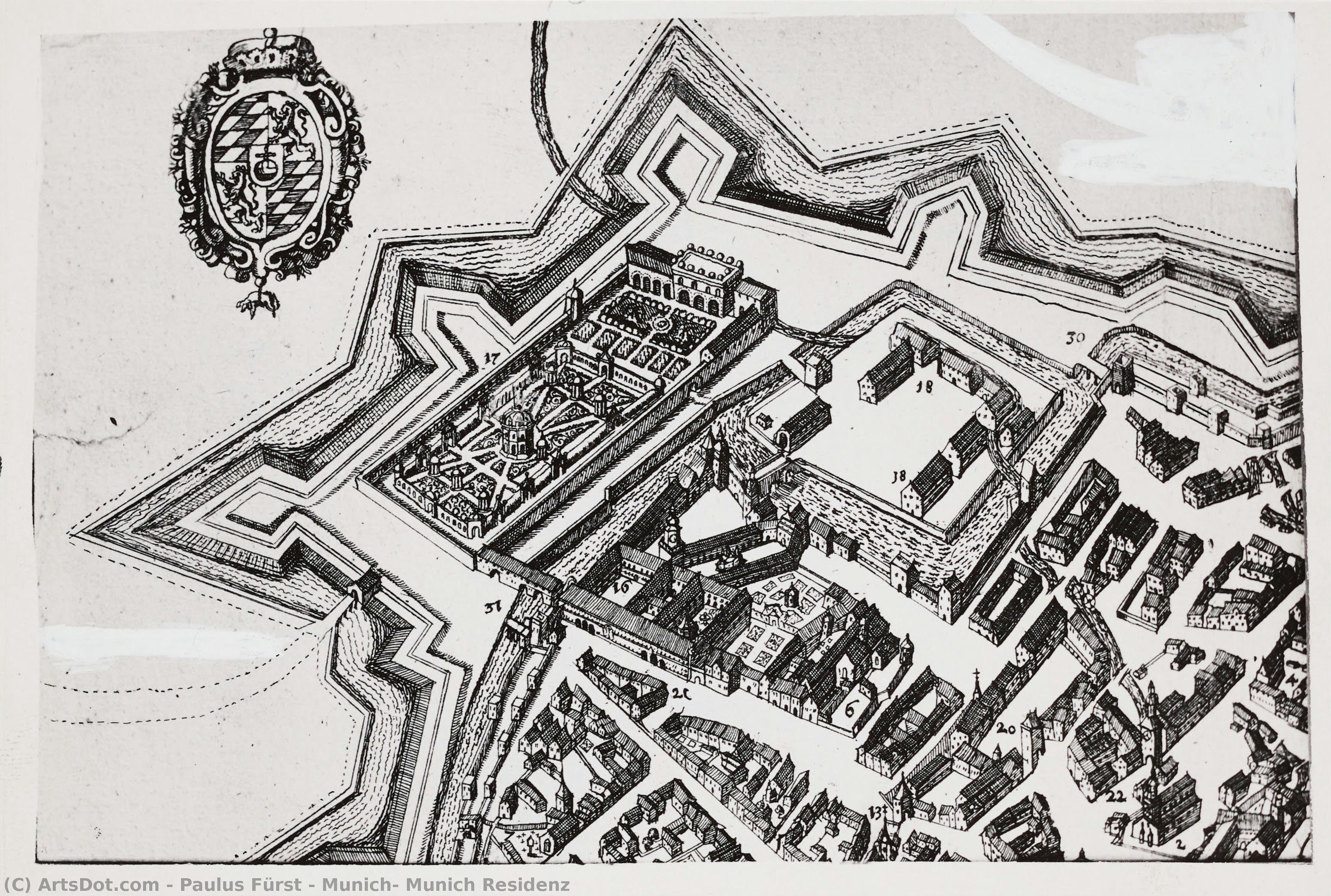
Munich: Munich Residenz


 Näytä lisää
Käsinmaalattu öljykopio
Käsinmaalattu öljyväri kankaalle haluamassasi koossa ja kehyksissä, taiteilijoidemme valmistamana tilauksesta. ( Osta printti Osta kuva)




































Valitse valmiista mitoistamme sellaiset, jotka vastaavat teoksen alkuperäisiä mittasuhteita.

Voit syöttää omat mitat sopimaan tiettyyn kehykseen tai tilaan. Jos valitsemasi koko ei vastaa alkuperäisen kuvan mittasuhteita, rajaamme taideteoksen tai jatkamme maalausta käsin maalatuilla elementeillä. Digitaalinen esikatselu lähetetään hyväksyttäväksi ennen tuotannon aloittamista.
Huomioithan, että näytöllä oleva esikatselu ei vastaa todellista rajausta tai jatkamista. Vain digitaalinen mallikuva näyttää lopullisen sommittelun tarkasti.
Vaikka mittatilaustyöt ovat mahdollisia, suosittelemme valitsemaan mitan ennalta määritetystä listasta alkuperäisten mittasuhteiden säilyttämiseksi.
Tilauksen jälkeen OriginalUniqueArt.com -tiimi lähettää asiakkaalle ohjeet ja esikatselukuvan.
Maailmanlaajuinen toimitus () 3–4 viikossa tavallisen 5 viikon sijaan. (20 elokuu). Laadusta ei tingitä.

Ilmainen pikatoimitus ympäri maailman

Korkealaatuinen pellavakangas

Kattava kuljetusvakuutus

Tulliveron palautustakuu

Täydellinen värien vastaavuustakuu

60 päivän palautusoikeus (vain valmistusvirheet)

100% rahat takaisin -takuu

Määräalennus tarjous
 Lasivaihtoehto on saatavilla vain alle 110 cm kokoisina teoksina

Munich: Munich Residenz
Reproduktiotekniikka
Replikaatin koko
-


Kokonaishinta
$ 300
Teoksen kuvaus
Taiteilijan elämäkerta
A Life Etched in Detail: Paulus Fürst and the Golden Age of Engraving
Paulus Fürst, a name perhaps less celebrated than some of his Baroque contemporaries, nevertheless occupies a significant position within the history of 17th-century printmaking. Born in Nuremberg in 1590, Fürst wasn’t merely an artist; he was a pivotal figure in the dissemination of visual culture during a period of immense social and political upheaval. His life unfolded against the backdrop of the Thirty Years' War, a conflict that profoundly impacted Europe and, indirectly, shaped the demand for accessible imagery – a demand Fürst expertly catered to. He inherited his wife’s grandfather’s business in 1637, transforming it into a highly successful publishing house specializing in copper engravings, pamphlets, and art collections. This wasn't simply about commerce; it was about providing a window onto the world for an increasingly literate public hungry for both information and aesthetic pleasure. Fürst understood that images weren’t merely decorative additions to texts but essential components of their appeal.From Workshop to Wide Dissemination: The Scope of Fürst’s Enterprise
Fürst's success stemmed from a shrewd understanding of the market and a willingness to collaborate. While he was a skilled engraver in his own right, producing detailed landscapes, city views, and architectural studies, he also recognized the value of working with other artists, notably Lucas Schweitzer. This collaborative approach allowed him to offer a diverse catalog of works, appealing to a broad range of tastes. His company became renowned for its accurate representations of various subjects, from meticulously rendered maps and portraits to dramatic scenes inspired by historical events and biblical narratives. The sheer volume of prints produced under the Fürst name is testament to his organizational skills and business acumen. He wasn’t simply creating art; he was building a brand, establishing a network of artists and distributors that extended beyond the confines of Nuremberg.The Art of Observation: Style and Technique
Fürst's engravings are characterized by their remarkable precision and attention to detail. His landscapes, in particular, reveal a keen eye for topographical accuracy, capturing the nuances of light and shadow with impressive skill. He favored a Baroque aesthetic, employing strong contrasts and dynamic compositions to create visually arresting images. While not known for groundbreaking innovation in engraving technique, Fürst excelled at mastering existing methods, producing prints that were both technically proficient and aesthetically pleasing. His city views, such as his depiction of Nuremberg itself, are particularly valuable today as historical records, offering a glimpse into the urban landscapes of 17th-century Germany. The careful rendering of architectural structures and bustling street scenes provides invaluable insights into daily life during this period.A Legacy Beyond the Image: Fürst’s Impact on Print Culture
Paulus Fürst's contribution extends beyond his individual artworks. He played a crucial role in democratizing access to art, making images available to a wider audience than ever before. In an era before mass reproduction techniques, engraved prints were relatively affordable and easily disseminated, allowing people from all walks of life to engage with visual culture. His company’s success also stimulated the growth of the print trade in Nuremberg, fostering a vibrant artistic community and contributing to the city's reputation as a center for engraving. Although he tragically took his own life in 1666, his wife continued the business, ensuring its legacy endured, eventually passing it on to her son and son-in-law.Rediscovering Fürst: A Continuing Appreciation
Today, Paulus Fürst’s works are increasingly recognized for their historical significance and artistic merit. Collections like those at the Victoria & Albert Museum in London preserve examples of his engravings, offering scholars and art enthusiasts a glimpse into the world he so meticulously documented. His prints serve as valuable primary sources for understanding 17th-century urban life, architectural styles, and social customs. While perhaps not a household name, Paulus Fürst remains an important figure in the history of printmaking – a testament to the power of observation, collaboration, and the enduring appeal of finely crafted imagery.
paulus fürst
1590 - 1666 , Germany
Pikatiedot
- Artistic Movement Or Style: Baroque engraving
- Date Of Birth: 1590
- Date Of Death: 1666
- Full Name: Paulus Fürst
- Nationality: German
- Notable Artworks:
- City views
- Landscapes
- Architectural structures
- Place Of Birth: Nuremberg, Germany

