 Vaihda tulosteeseen
 Lue lisää







































 Teoksille tai reproduktioille, joiden mikä tahansa sivu on suurempi kuin 105 cm (noin 41 tuumaa), kehys toimitetaan osina purettuna sarjana. Tämä menetelmä varmistaa turvallisen toimituksen ja ehkäisee vaurioita kuljetuksen aikana.


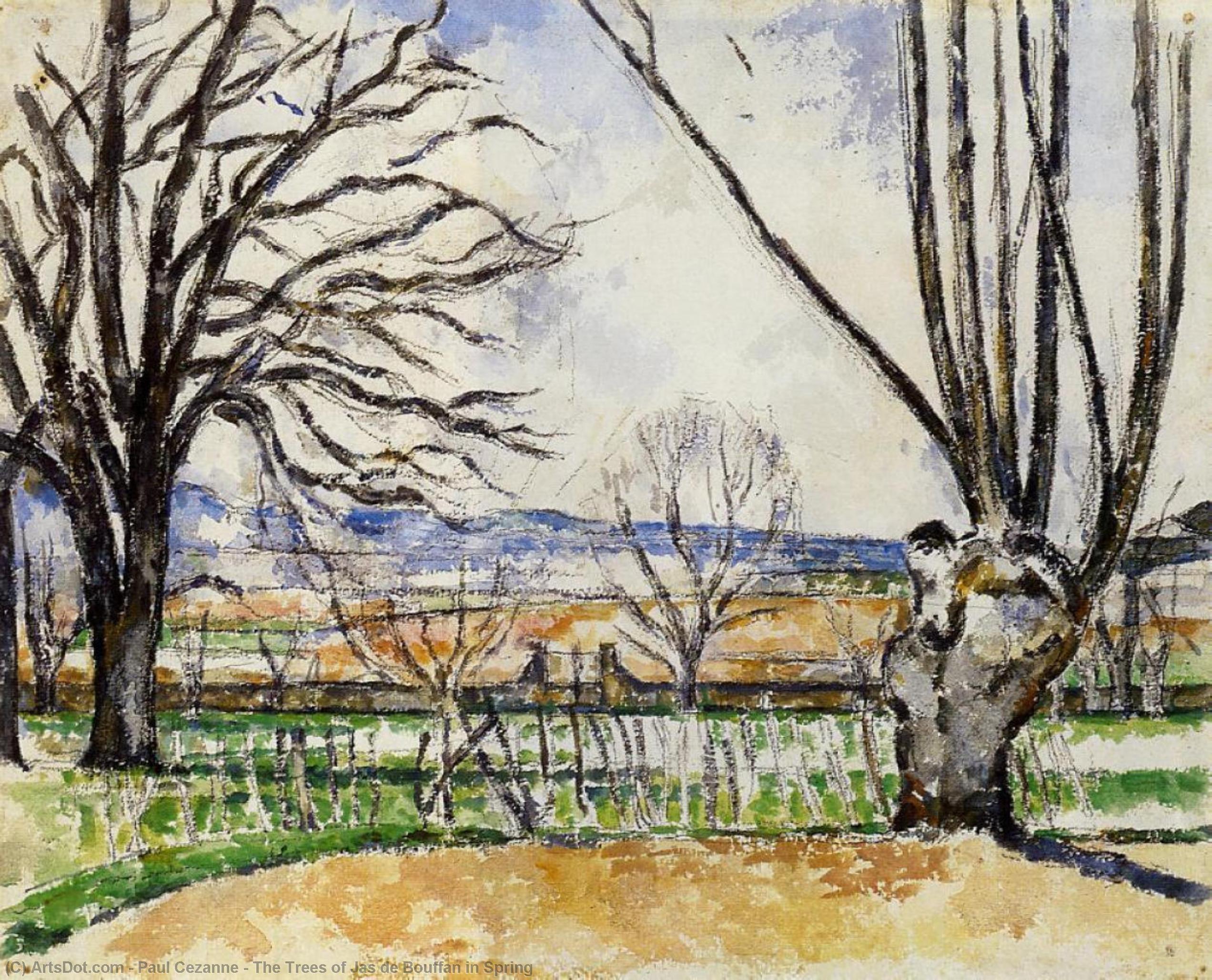
The Trees of Jas de Bouffan in Spring: A Window into Cézanne’s Vision
Paul Cézanne, a name synonymous with revolutionizing the very language of painting, gifted us with an extraordinary series of works that bridged the gap between the fleeting impressions of Impressionism and the nascent explorations of Cubism. Among these treasures, “The Trees of Jas de Bouffan in Spring” stands as a particularly poignant example – a watercolor imbued with not just observation but profound emotional resonance. Painted in 1880 during his time at his beloved country estate near Aix-en-Provence, this piece isn’t merely a depiction of a landscape; it's an intimate meditation on nature, form, and the artist’s own evolving perception of reality. The scene unfolds within the tranquil confines of Jas de Bouffan, a place that held immense significance for Cézanne, serving as both a personal sanctuary and a constant source of artistic inspiration. The painting captures a moment of vibrant springtime – a time of renewal and burgeoning life – reflected in the lush greens of the trees and the promise held within their outstretched branches.Artistic Style and Technique: A Post-Impressionist Masterpiece
Cézanne’s approach to watercolor, often considered a less favored medium than oil, is brilliantly showcased here. He masterfully utilizes its delicate transparency to build layers of color, creating an astonishingly rich and textured surface. The brushstrokes are bold yet controlled – not the loose, ephemeral washes of Impressionism, but deliberate marks that define form and volume. Notice how he employs a technique known as “broken color,” applying small, separate strokes of pigment side-by-side rather than blending them together. This creates an effect of shimmering light and atmospheric depth, capturing the dappled sunlight filtering through the branches. The composition itself is deceptively simple: several trees dominate the foreground, their forms rendered with a remarkable sense of solidity and weight. The background features a hazy mountain range, painted in muted browns and grays that provide a grounding contrast to the vibrant greens of the foliage. This careful balance between light and shadow, color and texture, is characteristic of Cézanne’s unique vision – a desire to represent not just what he *saw*, but how he *felt* about what he saw.Subject Matter: Beyond Representation – A Study in Form
While the painting undeniably depicts a beautiful springtime landscape, it's crucial to recognize that Cézanne wasn’t simply aiming for realistic representation. He was intensely interested in exploring the underlying geometric structure of nature—the way trees grow, how light interacts with form, and how these elements can be translated onto canvas. The two horses grazing near the center are not incidental; they contribute to the overall sense of space and movement within the composition. The presence of the Jas de Bouffan country house in the distance subtly anchors the scene, reminding us that this is a place deeply connected to Cézanne’s personal history and artistic identity. The trees themselves become almost sculptural forms—studies in volume and perspective—inviting the viewer to contemplate their individual shapes and relationships to one another. It's a deliberate departure from traditional landscape painting, prioritizing the exploration of form over mere visual accuracy.Artistic Influence and Legacy: A Foundation for Modern Art
Cézanne’s work exerted an unparalleled influence on the course of modern art. His innovative use of color, his emphasis on geometric forms, and his rejection of conventional perspective paved the way for artists like Henri Matisse and Pablo Picasso—who famously declared him “the father of us all.” Cézanne's exploration of multiple viewpoints within a single painting – presenting different perspectives simultaneously – challenged the established rules of pictorial space and profoundly impacted how artists approached composition. “The Trees of Jas de Bouffan in Spring” exemplifies this revolutionary approach, demonstrating his ability to capture not just a fleeting moment in time but also the essence of a subject’s underlying structure. This painting isn't simply a beautiful landscape; it’s a pivotal work that fundamentally altered the trajectory of art history.At OriginalUniqueArt.com, we are proud to offer meticulously crafted oil painting reproductions of this iconic masterpiece. Our artisans painstakingly recreate Cézanne's delicate brushwork and vibrant colors, ensuring that you can experience the beauty and emotional depth of “The Trees of Jas de Bouffan in Spring” in your own home. Explore our collection of Paul Cézanne reproductions today: The Trees of Jas de Bouffan in Spring
- The Trees of Jas de Bouffan in Spring by Paul Cézanne
- Paul Cézanne on Wikipedia
- Blue Flowerpot by Paul Cézanne
- Well by the Winding Road in the Park of Chateau Noir by Paul Cézanne
- Mountains at Collioure by André Derain
Kysymykset ja vastaukset
Onko Paul Cézanne:n "Puiden Jas de Bouffan keväällä" vaalea vai tumma teos?
Teoksen Paul Cézanne:n "Puiden Jas de Bouffan keväällä" mitatut arvot ovat: kirkkaus kirkas, luminanssi Kirkas tasapaino.
Kuinka voimakas kontrasti teoksessa Paul Cézanne:n "Puiden Jas de Bouffan keväällä" on?
Teoksen "Puiden Jas de Bouffan keväällä" valoisuus- ja varjokontrasti on Lausunto. Kontrasti kuvaa, kuinka voimakkaasti vaaleat ja tummat alueet eroavat toisistaan.
Mikä on teoksen Paul Cézanne:n "Puiden Jas de Bouffan keväällä" valmistumisvuosi ja tyylisuunta?
Paul Cézanne:n "Puiden Jas de Bouffan keväällä" on peräisin vuodelta 1880 ja edustaa tyylisuuntaa Post-Impressionism.
 Esikatselu
 Jaa teos
 Jaa
Jaa
 Tiedot
 Opas
Opas

 Lataa kuva
 Samanlaisia kohteita
 Röntgenkuvaus
 Diaesitys
 Q&A
Q&A Tilastot