Valikko
Text size

() ·

A painting made for you, by hand

Käsinmaalattu öljyvärinen jäljennös

Käsinmaalattu öljyväri kankaalle haluamassasi koossa ja kehyksissä, taiteilijoidemme valmistamana tilauksesta. ( Vaihda tulosteeseen Siirry digitaaliseen kuvaan)

Keräilykohteen kuvaus

Taiteilijan elämäkerta

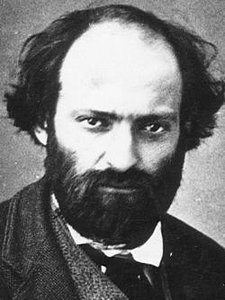
Paul Cézanne: Post-impressionismin pioneeri, joka yhdisti impressionismin kubismiin. Tutustu geometrisiin muotoihin ja taiteen vallankumoukselliseen visioon! #Cézanne

from ·

Chapter 1

How large should it be?

Slide to change the size; the wall on the left shows it at its real scale. The proportions of the original are kept.

Vakiokoko
räätälöity
CM
INCH

Valitse valmiista mitoistamme sellaiset, jotka vastaavat teoksen alkuperäisiä mittasuhteita.

leveys
korkeus

Kirjoita tarvitsemasi leveys ja korkeus, jotta teos sopii kehyksiisi tai seinällesi. Koska kyseessä on käsinmaalattu teos, taiteilija voi maalata hieman enemmän kuvan ympärille tai rajata sitä hieman, jos haluat eri muotoisen koon — valinta on sinun. Lähetämme sinulle digitaalisen mallikuvan hyväksyttäväksi ennen kuin maalaus alkaa. Tällä sivulla näkyvä kuva ei vastaa lopullista tulosta — vain mallikuva näyttää sen.

Chapter 2

How should it arrive?

Choose the edges of the stretched canvas

Choose your frame

Corner sample of the WhiteWrap canvas edge finish, stretched on massiivipuu bars
White €1
Corner sample of the BlurSideWrap canvas edge finish, stretched on massiivipuu bars
Blurside €1
Corner sample of the ExtendedWrap canvas edge finish, stretched on massiivipuu bars
Extended €1
Corner sample of the P118B picture frame: valettu polystyreeni, 5 cm wide and 3 cm thick
P118B €10
Corner sample of the P118H picture frame: valettu polystyreeni, 5 cm wide and 3 cm thick
P118H €10
Corner sample of the P118W picture frame: valettu polystyreeni, 5 cm wide and 3 cm thick
P118W €10
Corner sample of the P438Z picture frame: valettu polystyreeni, 5.5 cm wide and 3.5 cm thick
P438Z €10
Corner sample of the P508JH picture frame: valettu polystyreeni, 7 cm wide and 3.5 cm thick
P508JH €12
Corner sample of the P508YH picture frame: valettu polystyreeni, 7 cm wide and 3.5 cm thick
P508YH €12
Corner sample of the P805H picture frame: valettu polystyreeni, 5 cm wide and 3.5 cm thick
P805H €10
Corner sample of the P805Z picture frame: valettu polystyreeni, 5 cm wide and 3.5 cm thick
P805Z €10
Corner sample of the P919BZ picture frame: valettu polystyreeni, 7 cm wide and 3.5 cm thick
P919BZ €10
Corner sample of the P919G picture frame: valettu polystyreeni, 7 cm wide and 3.5 cm thick
P919G €10
Corner sample of the P919XJ picture frame: valettu polystyreeni, 7 cm wide and 3.5 cm thick
P919XJ €10
Corner sample of the P959ZH picture frame: valettu polystyreeni, 5 cm wide and 3 cm thick
P959ZH €10
Corner sample of the P968JZ picture frame: valettu polystyreeni, 6 cm wide and 4 cm thick
P968JZ €12
Corner sample of the W106C picture frame: massiivipuu, 5 cm wide and 3 cm thick
W106C €8
Corner sample of the W218G picture frame: massiivipuu, 5 cm wide and 3 cm thick
W218G €10
Corner sample of the W218JH picture frame: massiivipuu, 5 cm wide and 3 cm thick
W218JH €8
Corner sample of the W218Y picture frame: massiivipuu, 5 cm wide and 3 cm thick
W218Y €10
Corner sample of the W307PJ picture frame: massiivipuu, 6 cm wide and 3 cm thick
W307PJ €10
Corner sample of the W316G picture frame: massiivipuu, 6 cm wide and 3 cm thick
W316G €10
Corner sample of the W316PJ picture frame: massiivipuu, 6 cm wide and 3 cm thick
W316PJ €8
Corner sample of the W316Y picture frame: massiivipuu, 6 cm wide and 3 cm thick
W316Y €10
Corner sample of the W398PJ picture frame: massiivipuu, 5 cm wide and 3 cm thick
W398PJ €8
Corner sample of the W4111J picture frame: massiivipuu, 6.5 cm wide and 3.5 cm thick
W4111J €10
Corner sample of the W500HY picture frame: massiivipuu, 7 cm wide and 5 cm thick
W500HY €15
Corner sample of the W500JH picture frame: massiivipuu, 7 cm wide and 5 cm thick
W500JH €15
Corner sample of the W692G picture frame: massiivipuu, 8 cm wide and 4 cm thick
W692G €12
Corner sample of the W849H picture frame: massiivipuu, 5 cm wide and 3 cm thick
W849H €8
Corner sample of the W940BG picture frame: massiivipuu, 7.5 cm wide and 4.5 cm thick
W940BG €15
Corner sample of the W953PJ picture frame: massiivipuu, 6 cm wide and 3.5 cm thick
W953PJ €8
Corner sample of the H24-GOLD picture frame: kaiverrettua puuta ja gessoa, 10 cm wide and 6 cm thick
H24-GOLD €30
Corner sample of the H24-SILVER picture frame: kaiverrettua puuta ja gessoa, 10 cm wide and 6 cm thick
H24-SILVER €30
Corner sample of the H36-GOLD picture frame: kaiverrettua puuta ja gessoa, 15 cm wide and 6.5 cm thick
H36-GOLD €45
Corner sample of the H36-SILVER picture frame: kaiverrettua puuta ja gessoa, 15 cm wide and 6.5 cm thick
H36-SILVER €45
Kehyksen esikatselu
Kehystetty

Moulding: . Overall size with the frame: .

Chapter 3

Who paints it, and should anything change?

Examples of what can be changed: Replace face with customer photo; Add pet (e.g., replace cat with dog); Include hidden message in background; Change background landscape or elements.
After order, OriginalUniqueArt.com team will email client for instructions and provide a mockup preview

Maailmanlaajuinen toimitus () 3–4 viikossa tavallisen 5 viikon sijaan. (29 lokakuu). Laadusta ei tingitä.

Chapter 4

The finishing touches

A nameplate, as in a museum?

Kaiverretun pronssilaatan tiedot

This elegant plaque features the artist's name and the title of the artwork, finely engraved for a timeless presentation.

It is made from bronze with a refined, elegant finish. The text is precisely laser-engraved for a sharp and permanent result. Measuring 9x2 cm, the plaque is compact yet easy to read. It's built to be durable and scratch-resistant, offering a professional, museum-quality look. Mounting is simple thanks to the included adhesive backing.

Läpinäkyvän akryylilaatan tiedot

The plaque includes essential engraved details such as the artist's name, the title of the artwork, the date it was created, the type of media used-like oil on canvas or watercolor-a brief description of the piece, and a QR code that links to the complete artwork information.

It is crafted from clear acrylic, offering a sleek, modern appearance. The text is UV-engraved in black to ensure strong visual contrast. With a size of 10x15 cm, it ensures optimal readability. It comes equipped with two metal hooks for secure wall mounting. The plaque is designed to be weather-resistant, making it suitable for various environments, and it includes interactive features that work seamlessly with smartphone scanning.

Mustan akryylilaatan tiedot

This elegant plaque includes engraved information such as the artist's name, the title of the artwork, the date it was created, the type of media used (like oil on canvas or watercolor), a short description of the artwork, and a QR code for quick access to more information.

The plaque itself is made from refined black acrylic with a premium finish. The text is laser-engraved in white for high contrast and readability. Its size is 10x15 cm, designed to be easy to read. It comes with two metal hooks for professional mounting. The design is sleek and fits any interior style. It is also weather-resistant and durable, with built-in digital integration for mobile compatibility.

A protective varnish?

When do you need it?

Chapter 5

Your painting, as you ordered it

Bather and Rocks

Reproduktiotekniikka

Replikaatin koko

-

Kokenut huipputaiteilija

Lisää yksityiskohtia, hienostuneisuutta ja enemmän aikaa tuotantoon

-

Reproduktion kehystysvaihtoehdot

-

-

Teoksille tai reproduktioille, joiden mikä tahansa sivu on suurempi kuin 105 cm (noin 41 tuumaa), kehys toimitetaan osina purettuna sarjana. Tämä menetelmä varmistaa turvallisen toimituksen ja ehkäisee vaurioita kuljetuksen aikana.

Vaatii ammattimaista kokoamista – kyseessä ei ole tee-se-itse-tuote.
Sarja on koottava ja kangas kiristettävä kokeneen kehystysammattilaisen toimesta käyttäen puuliimaa (ei sisälly pakkaukseen), kangaspinnetteitä ja puristimia, jotta kehyksen kulmat pysyvät suorina liiman kuivuessa. Virheellinen kokoaminen tai epätasainen kankaan kiristys voi vaurioittaa teosta pysyvästi, eikä tällaiset vauriot ala takuun piiriin.

  • Kaikki massiivipuupalat sisältyvät, tarkasti mittojen mukaan leikattuina.

  • Kootaan mukana tulevilla ruuveilla sekä kulmaliitoksia varten tarvittavalla puuliimalla, jota ei toimiteta, joten se on hankittava kehystäjältä.

  • Vaatii ammattilaisvälineitä, jotka eivät sisälly pakkaukseen: kankaan venytyspihdit (kiristin) ja puristimet, joilla pidetään kehyksen puut suorassa liiman kuivuessa.

Tärkeää:
Kulmaliitoksissa tarvitaan puuliimaa, kehyksien osat on pidettävä puristimilla, kunnes liima on täysin kuivunut, ja koottuun kehykseen jännitettävän kankaan kiristämiseen tarvitaan kangaspenssipihti. Mikään näistä ei sisälly pakkaukseen. Suosittelemme varmistamaan kokeneen kehystäjän saatavuuden ennen tämän kokoisen kehyksen tilaamista.

Nimilaatta

-

-

Suojalakkaus

Kiiltävä lakka (syventää värejä, suojaa valolta ja kosteudelta)

-

Mukauta taideteokseni

Esimerkkejä muokattavista asioista: Vaihda kasvot asiakkaan omaan valokuvaan; Lisää lemmikki (esim. vaihda kissa koiraan); Lisää taustalle piilotettu viesti; Muuta taustan maisemaa tai elementtejä.

-

Pikatoimitus

Maailmanlaajuinen toimitus () 3–4 viikossa tavallisen 5 viikon sijaan. (29 lokakuu). Laadusta ei tingitä.

-

Pikatoimitus

Maailmanlaajuinen toimitus () 5 viikon kuluessa. (5 marraskuu).

Sisältyy hintaan

Kokonaishinta

€ 265

Kokonaishinta € 265

Lasivaihtoehto on saatavilla vain alle 110 cm kokoisille teoksille

Included with every order

  • Ilmainen pikatoimitus ympäri maailman
  • Korkealaatuinen pellavakangas
  • Kattava kuljetusvakuutus
  • Tulliveron palautustakuu
  • Takuu täydellisestä värien vastaavuudesta
  • 100 päivän palautusoikeus (vain valmistusvirheet)
  • 100% rahat takaisin -takuu
  • Määräalennus tarjolla

A Moment of Contemplation: Unpacking the Power of Cézanne’s “Bather and Rocks”

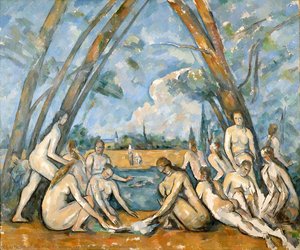
Paul Cézanne's "Bather and Rocks," a captivating fragment from a larger mural conceived during his time in southern France, is far more than just a depiction of a nude figure by water. It’s a profound exploration of form, space, and the very essence of observation – a cornerstone of Cézanne’s revolutionary approach to painting that would irrevocably influence generations of artists. The year 1866 marks not only the creation of this particular section but also a pivotal moment in Cézanne's artistic development; he was beginning to wrestle with capturing the solidity and weight of objects, moving away from the fleeting impressions of Impressionism towards a more structured, geometric language.

The scene itself is deceptively simple. A solitary male figure, powerfully built and undeniably masculine, stands poised on a rocky outcrop, his gaze directed downwards toward the churning water. He’s not engaged in action; rather, he embodies a state of quiet contemplation, almost as if bracing himself against an unseen force. The composition immediately draws the eye to the massive rock dominating the center of the canvas – a monumental presence that seems to defy gravity and anchor the entire scene. Notice how Cézanne doesn’t render this rock with photographic realism; instead, he breaks it down into fundamental geometric shapes—cubes, cylinders, cones—a technique he would later refine in his studio paintings. This deliberate simplification allows him to explore the underlying structure of the landscape, revealing its inherent solidity and volume.

The Language of Form: Cézanne’s Revolutionary Technique

Cézanne's mastery lies not just in what he depicts but *how* he depicts it. He employed a technique that can be described as “structured observation.” He meticulously studied the way light and shadow interacted with objects, not to create an illusion of depth through atmospheric perspective (as was common in earlier painting), but to define their form and volume. The brushstrokes are thick and deliberate, often applied directly from the tube – a characteristic of his style that lends a tactile quality to the surface of the canvas. Observe how he uses color—a restrained palette of blues, greens, and ochres—to subtly suggest the texture of the rock and the movement of the water. The colors aren’t blended; they are juxtaposed, creating a vibrant interplay of tones that adds to the painting's dynamism.

  • Emphasis on Geometric Forms: Cézanne deconstructed natural forms into their basic geometric components.
  • Direct Painting Technique: He applied paint directly from the tube, resulting in visible brushstrokes and a textured surface.
  • Restrained Color Palette: A muted palette of blues, greens, and ochres enhances the painting’s sense of solidity.

Historical Context and Symbolic Resonance

“Bather and Rocks” was conceived during a period of intense experimentation for Cézanne. He was living in an 18th-century mansion, transforming its grand salon into a personal studio and gallery. This mural project represented a deliberate attempt to integrate landscape painting with architecture – a concept that would become increasingly central to his artistic vision. The figure’s posture suggests a connection to the ancient world, evoking images of Greek sculpture and mythology. The act of facing the water, seemingly holding it back, can be interpreted as a metaphor for confronting the forces of nature or perhaps even the challenges of life itself. It's a quiet assertion of strength amidst an overwhelming environment.

A Fragment of Genius: Bringing Cézanne to Your Space

Despite being a fragment of a larger work, “Bather and Rocks” retains a remarkable power and immediacy. OriginalUniqueArt offers meticulously crafted hand-painted reproductions that capture the essence of this iconic painting, allowing you to experience its beauty and complexity in your own home or office. Our reproductions faithfully recreate Cézanne’s distinctive brushwork, color palette, and compositional balance, ensuring an authentic representation of this pivotal work. Whether you are a seasoned art collector, an interior designer seeking a touch of timeless elegance, or simply an admirer of Cézanne's genius, our reproduction of “Bather and Rocks” is a stunning addition to any collection – a window into the mind of one of modern art’s most influential figures.

Kysymykset ja vastaukset

Mihin tyylisuuntaan "Bather and Rocks" kuuluu?

Teoksen Paul Cézanne:n "Bather and Rocks" tyylisuunta on Post-Impressionism. Tämä luokittelu sijoittaa teoksen muiden samankaltaisten taiteilijoiden ja teosten joukkoon.

Onko teos "Bather and Rocks" yleisvaikutelmaltaan enemmän vaalea vai tumma?

Teoksen Paul Cézanne:n "Bather and Rocks" kirkkaus on shadow ja luminanssi Dark.

Milloin ja millä tekniikalla "Bather and Rocks" on tehty?

"Bather and Rocks" on valmistettu vuonna 1866 käyttäen Acrylic On Canvas-tekniikkaa. Materiaali ja päivämäärä kertovat, miten ja milloin alkuperäisteos on tehty.

In numbers

  • 1866the year it was painted
  • 29frames to choose from
  • standard sizes, in its own proportions
  • 5weeks to paint and deliver it
Paul Cézanne

Paul Cézanne

1839 - 1906, Ranska

Pähkinänkuoressa

  • Artistic Movement Or Style: Postimpressionismi
  • Artists Or Movements Influenced By This Artist:
    • Kubismi
    • Fauvismi
  • Artists Who Influenced This Artist:
    • Romantiikka
    • Barbizonin koulu
  • Date Of Birth: 19. tammikuuta 1839
  • Date Of Death: 22. lokakuuta 1906
  • Full Name: Paul Cézanne
  • Nationality: Ranskalainen
  • Notable Artworks:
    • Jas de Bouffanin lampi
    • Émile Zolan muotokuva
    • Mont Sainte-Victoire
  • Place Of Birth: Aix-en-Provence, Ranska

Taiteilijan elämäkerta

Paul Cézannen vallankumouksellinen visio: Elämä ja taide

Paul Cézanne, syntynyt Aix-en-Provencessa vuonna 1839, on monumentaalinen hahmo, joka yhdistää impressionismin ohikiitävät vaikutelmat kubismin fragmentoituneisiin muotoihin. Hänen matkansa ei ollut välitön menestys; se oli pikemminkin taiteellisen tutkimuksen hidossa kyteytymistä, jota leimasivat epäilyksen ja kriittisen hylkäyksen ajanjaksot, jotka lopulta huipentuivat perintöön, joka muutti modernin taiteen kulun peruuttamattomasti. Cézanne syntyi varakkaaseen perheeseen – hänen isänsä oli aluksi hattutekijä ja myöhemmin pankkiiri – ja hän nautti epätavallista taloudellista turvallisuutta kunnianhimoisille taiteilijoille, mikä antoi hänelle vapauden omistautua intohimolleen ilman välittömiä kaupallisen menestyksen paineita. Vaikka hänen isänsä pyrkimykset ohjasivat hänet alun perin lakimiehen uralle, taiteellinen ilmaisu osoittautui liian vahvaksi ja hän lopulta hylkäsi lain maalauksen hyväksi, mikä määritti hänen elämänsä. Varhaisiin vaikutteisiin sisältyi nuoruudessa vallitseva romantiikka ja Barbizon-koulukunnan omistautuminen maisemalle, mutta juuri kohtaamiset taiteilijoiden Paul Gauguinin ja Georges Seuratin kanssa sekä heidän innovatiiviset lähestymistapansa väriin ja muotoon saivat Cézannen luomaan oman erottuvan polkunsa.

Varhaisista varjoista rakenteeseen: Tyylin kehitys

Cézannen varhainen työ kuvasti usein romanttisen maalauksen dramaattisia, tunteellisesti latautuneita teemoja – tummat väripaletit ja ilmeikäs siveltö hallitsivat hänen kankaitaan. Tämä alkuvaihe oli kuitenkin vain askel kohti paljon analyyttisempää ja uraauurtavampaa lähestymistapaa. Tyytymätön pelkästään valon ohikiitävien vaikutelmien vangitsemiseen, kuten impressionistit suosivat, Cézanne aloitti pyrkimyksen ymmärtää ja esittää itse esineiden perusrakenne. Hän ei etsinyt vain *mitä* hän näki, vaan *kuinka* hän havaitsi todellisuuden muodostavat perustavanlaatuiset muodot. Tämä johti hänet hajottamaan luonnolliset muodot geometrisiksi vastineikseen – kartioiksi, sylintereiksi, palloiksi – ennakoiden kubistista vallankumousta vuosikymmeniä ennen sen toteutumista. Hänen tekniikkansa tunnettiin pienistä, toistuvista siveltöviivoista, jotka kerrostettiin huolellisesti rakentamaan monimutkaisia värikenttiä ja tekstuureja, luoden aiemmin näkemätöntä kiinteyttä ja syvyyttä maalauksissa. Hän ei ollut kiinnostunut illuusionomaisesta tilasta; sen sijaan hän esitti usein esineitä useista näkökulmista samanaikaisesti, haastaen perinteiset perspektiivikäsitykset ja pakottaen katsojan osallistumaan aktiivisesti hänen sompailujensa rakennettuun luonteeseen. Tämä tahallinen vääristymä ei ollut mielivaltainen vaan yritys välittää täydellisempi käsitys muodosta, joka esitti ei vain hetkeä ajassa vaan havainnon synteesiä.

Maisemat, asetelmat ja ihmishahmo: Keskeiset teokset ja toistuvat motiivit

Cézannen tuotanto on huomattavan monipuolinen, kattaen maisemia, asetelmia, muotokuvia ja kylpijöiden kuvauksia, mutta kaikki yhdistyvät hänen ainutlaatuiseen lähestymistapaansa muotoon ja väriin. Jas de Bouffanin lampi, joka on maalattu vuonna 1880, edustaa hänen maisematyötään ja osoittaa hänen kykynsä vangita luonnon olemus huolellisella muotojen ja sävyjen järjestelyllä. Émile Zolan muotokuva, joka on luotu vuonna 1866, paljastaa hänen kehittyvän tyylinsä ja tarjoaa vakuuttavan välähdyksen läheisen ystävänsä ja kirjailijan älylliseen intensiteettiin. Hänen asetelmansa, kuten omenoiden ja muiden hedelmien esitykset, eivät ole pelkästään esineiden kuvauksia vaan tutkimuksia volyymista, valosta ja tilasuhteista. Mont Sainte-Victoire -sarjasta tuli Cézannelle pakkomielle, toistuva motiivi, jonka avulla hän pystyi tutkimaan väsymättä muotoa ja perspektiiviä vuosikymmenien ajan. Nämä maalaukset eivät ole pelkästään vuoren kuvauksia; ne ovat tutkimuksia siitä, kuinka me havaitsemme syvyyttä, volyymiä ja valon ja varjon leikkiä. Lopuksi hänen Kylpijöidensä sarjansa, jotka kuvaavat alastomia hahmoja idyllisissä maisemissa, edustaa syvällistä ihmishahmon tutkimusta ja sen yhteyttä luontoon, joka on usein täynnä ajattomuuden ja hiljaisen pohdiskelun tunnetta.

Innovaatioon taottu perintö: Cézannen vaikutus moderniin taiteeseen

Paul Cézannen vaikutus myöhemmille sukupolville taiteilijoita on mittaamaton. Häntä pidetään laajalti "modernin taiteen isänä" hänen uraauurtavien panostensa vuoksi kuvakieleen, jotka tasoittivat tietä monille 2000-luvun merkittäville taidesuuntauksille. Pablo Picasso ja Georges Braque olivat syvästi velkaa Cézannen painotukselle geometrisille muodoille ja useille näkökulmille, joista tuli kubismin keskeisiä periaatteita. Hänen rohkea värienkäyttönsä inspiroi myös fauvistiliikettä, jonka johtajat, kuten Henri Matisse, omaksuivat eloisia, epäluonnollisia sävyjä. Jopa surrealistiset taiteilijat löysivät resonanssia Cézannen subjektiivisen havainnon ja psykologisen syvyyden tutkimuksesta. Erityisten liikkeiden lisäksi Cézannen vaatiminen artistin henkilökohtaisesta visiosta ja perinteisten akateemisten rajoitusten hylkääminen vapautti sukupolvien maalarit tutkimaan uusia ilmaisumuotoja. Hän haastoi itse representaation määritelmän, siirtäen painopisteen todellisuuden jäljittelystä visuaalisen kokemuksen rakentamiseen perustavanlaatuisen rakenteen ja subjektiivisen havainnon pohjalta. Hänen kuolemansa vuonna 1906 ei merkinnyt loppua vaan alkua – uuden aikakauden sarastusta taiteen historiassa, jota hänen vallankumouksellinen visionsa syvästi muokkasi.

Pikaista tietoa

  • Artistic style: Landscapes, Nude figures
  • Dimensions: 167 x 105 cm
  • Artist: Paul Cézanne
  • Notable elements: Fragmented forms
  • Movement: Post-Impressionism
  • Subject or theme: Coastal scene, Nature

Taidevisat

Jokaisessa kysymyksessä on vain yksi oikea vastaus.

Kysymys 1:
What is the significance of ‘Bather and Rocks’ being a fragment of a larger mural?
Kysymys 2:
According to the description, what is the man in ‘Bather and Rocks’ doing?
Kysymys 3:
In what year was ‘Bather and Rocks’ created, based on the provided information?
Kysymys 4:
What artistic movement did Paul Cézanne bridge with his work, as described in the artist's biography?
Kysymys 5:
The description suggests that ‘Bather and Rocks’ is painted with a particular energy. What does this imply about Cézanne's approach?

More about this painting

Esikatselu Esikatsele AR-tilassa Vaihda tulosteeseen Siirry digitaaliseen kuvaan Jaa teos
Tiedot Opas Lisää suosikkeihin Lataa kuva Samanlaisia kohteita Röntgenkuvaus Diaesitys Q&A Tilastot