

 Esikatselu
 Jaa
Jaa Jaa
Jaa
 Tarkemmat tiedot

 Lataa
Lataa
 Samanlaisia
 Röntgenkuva
 Diaesitys
Morphine Addicts
 Acrylic On Canvas
- WallArt
- Impressionism
 1887
1887 24.0 x 37.0 cm
 Metropolitanin museo
 Näytä lisää
Osta korkearesoluutioinen, parannettu digitaalikuva, joka on laadultaan huomattavasti parempi kuin verkkosivuston esikatselu.
Jokainen tiedosto valmistellaan huolellisesti omien asiantuntijoidemme toimesta käyttäen edistyneitä työkaluja ja ammattitaitoista manuaalista retusointia. Varmistamme, että jokaisessa kuvassa on poikkeuksellinen selkeys, tarkka värintoisto ja hienovaraiset yksityiskohdat.
Lopputiedosto toimitetaan sähköpostitse 72 tunnin kuluessa, ja se on optimoitu välittömään käyttöön ammattimaisissa, toimituksellisissa ja painoympäristöissä. Laatu on sama, johon huipputason suunnittelustudiot, kustantajat ja galleriat luottavat.
Digitaalinen kuva
Lataa korkearesoluutioinen tiedosto henkilökohtaiseen näyttelyyn, tulostamiseen ja luoviin projekteihin. ( Osta printti Osta käsintehty maalaus)
Sisältyy jokaiseen digitaalisen kuvan tilaukseen
Asiantunteva digitaalinen toimitus, taattuun laatuun
Kun valitset OriginalUniqueArt.com-palvelun, et saa vain kuvaa – saat ammattimaisesti parannetun digitaalisen taideteoksen, joka on luotu tarkkuudella ja jonka takaa tulee tyytyväisyystakuu. Tässä on kaikki, mitä tilauksesi sisältää, automaattisesti:

Nopea digitaalinen toimitus
Korkearesoluutioinen digitaalinen kuvatiedostosi lähetetään sähköpostiisi 72 tunnin kuluessa tilauksesta – valmiina käytettäväksi välittömästi.

Tekoälyllä parannettu digitaalinen tiedosto
Taiteilijasi teos on optimoitu ammattimaisesti edistyneiden tekoälytyökalujen ja manuaalisen muokkauksen avulla, mikä takaa maksimaalisen yksityiskohtaisuuden, selkeyden ja väritarkkuuden.

Ilmainen elinikäinen uudelleenlähetyspalvelu
Oletko vahingossa poistanut tai kadottanut tiedostosi? Ei hätää – lähetämme sen sinulle uudelleen milloin tahansa täysin maksutta.

Ei tuontimaksuja – koskaan
Nauti taiteestasi välittömästi ilman tulleja, veroja tai toimitusmaksuja – digitaaliset lataukset ovat aina verovapaita.

Värintoiston tarkkuustakuu
Varmistamme, että digitaalinen kuvasi vastaa alkuperäisiä värejä mahdollisimman tarkasti käyttämällä ammattilaistason työkaluja ja värinhallintaa.

100 päivän tyytyväisyystakuu
Jos et ole tyytyväinen digitaaliseen kuvaasi, muokkaamme sitä tai palautamme 100% hinnan 100 päivän kuluessa – kysymystä ei esitetä.

100% Rahat takaisin -takuu
Et ole tyytyväinen? Saat täyden hyvityksen 100 päivän kuluessa digitaalisen tiedostosi vastaanottamisesta – kysymystä ei esitetä.

Suurtilaaja-alennukset
Osta 3 kuvaa, säästä 10% - Osta 5, säästä 15% - Osta 10+, säästä 20%. Erinomainen valinta luoviin projekteihin, gallerioille ja toimistoille.
Paul Albert Besnard - Morphine Addicts
Paul Albert Besnard (1849-1934) stands as a singular figure in French art of the late nineteenth and early twentieth centuries—a painter who stubbornly resisted categorization while simultaneously achieving remarkable success across diverse artistic mediums. Born in Paris, he possessed an innate talent nurtured by formal training at the École des Beaux-Arts under Jean Bremond and profoundly shaped by the pioneering spirit of Alexandre Cabanel, whose meticulous realism served as a cornerstone for Besnard’s initial artistic explorations. His academic grounding provided a disciplined foundation upon which he would later forge his own distinctive path, one characterized by an unwavering fascination with color and light—concepts championed by the Impressionists. Despite eschewing the overtly dramatic aesthetic favored by his contemporaries, Besnard skillfully adapted Impressionistic techniques to monumental decorative pro Besnard’s oeuvre is marked by a profound sensitivity to human emotion and psychological nuance, particularly evident in his portraits of women – figures rendered with exquisite detail and imbued with an aura of melancholy. “Morphine Addicts,” completed in 1887, exemplifies this artistic approach, presenting two women presented in a starkly lit laboratory setting—a juxtaposition that immediately invites contemplation on themes of illness, addiction, and the complexities of human experience. The artist’s masterful command of etching technique contributes significantly to the artwork's expressive power, capturing subtle tonal variations and textural nuances with remarkable precision. The composition itself is deliberately restrained, focusing intently on the faces and upper bodies of the subjects—a stylistic choice that underscores Besnard’s commitment to realism while simultaneously conveying a sense of intimacy. The figures are positioned slightly off-center, creating visual balance and drawing the viewer's gaze towards their expressive eyes. A table laden with scientific glassware serves as a grounding element, anchoring the scene within its clinical context and subtly hinting at the underlying narrative. Besnard’s meticulous hatching and crosshatching techniques—inherited from Cabanel’s influence—are employed to build up areas of shadow, enhancing depth and creating an atmosphere of quiet contemplation. Color plays a crucial role in conveying emotion, though Besnard eschews vibrant hues characteristic of Impressionism, opting instead for a monochrome palette dominated by shades of grey and white. This tonal scheme amplifies the artwork’s melancholic mood, emphasizing the vulnerability of the subjects and fostering a connection with the viewer on an emotional level. The artist skillfully utilizes light and shadow to sculpt the forms of the women's faces, highlighting their expressions and conveying subtle nuances of emotion—a testament to Besnard’s artistic prowess. Ultimately, “Morphine Addicts” transcends mere visual representation; it functions as a poignant meditation on human suffering and resilience. Besnard’s stylistic blend of academic realism with Impressionistic sensibilities captures the essence of his era—a period marked by intellectual curiosity and an exploration of psychological states. The artwork's enduring appeal lies in its ability to provoke reflection on themes of addiction, vulnerability, and the profound beauty found within moments of quiet introspection. It remains a compelling example of Besnard’s artistic vision and a testament to the power of art to communicate complex emotions with grace and subtlety.Taiteilijan elämäkerta
Paul Albert Besnardin valoisa perintö
Paul Albert Besnard (1849–1934) seisoo ainutlaatuisena hahmona ranskalaisen taiteen kudelmassa, maalari, joka navigoi 1800-luvun lopun ja 1900-luvun alun muuttuvissa virtauksissa ainutlaatuisella, luokittelemattomalla sulavuudella. Pariisissa syntynyt taiteellinen matka sai alkunsa École des Beaux-Arts -akatemian tiukoissa raameissa, missä hän opiskeli Jean Bremondin alaisuudessa. Hänen varhaista kehitystään muovasi syvästi Alexandre Cabanelin huolellinen realismi, vaikutus, joka antoi Besnardille kurinalaisen akateemisen perustan. Silti tämän klassisen koulutuksen alla sykki modernisoijan sydän – sellaisen, joka lopulta siirtyisi perinteen jäykistä rajoista syleilemään valon ja ilmakehän katoavaista kauneutta.
Uran kypsyessä Besnard alkoi kuroa umpeen kuilua akateemisen maalaustaiteen rakenteellisen maailman ja impressionismin eloisien, aistillisten tutkimusten välillä. Vaikka hän ei hylännyt muotoa kokonaan puhtaan abstraktion tähden, hänestä tuli värin mestari, käyttäen palettia, joka tuntui sekä valoisalta että syvästi emotionaaliselta. Hänen työtään leimaa järkkymätön lumoutuminan siitä, miten valo vuorovaikuttaa pintojen kanssa, olipa kyseessä sitten muotokuvan herkkä iho tai hänen suurimpien tilaustensa avarat arkkitehtoniset ulottuvuudet. Tämä kyky yhdistää monumentaalinen ja intiimi antoi hänelle mahdollisuuden ylittää aikansa leimat ja luoda tyyli, joka tuntui yhtä aikaa ajattomalta ja hämmästyttävän nykyaikaiselta.
Mittakaavan ja hengen mestari
Besnardin todellinen nero näkyi kenties parhaiten hänen kykymysssään kääntää modernit tuntemukset suureen, koristeelliseen mittakaavaan. Hän ei ainoastaan maalannut kuvia; hän muutti tiloja. Hänen kunnianhimaiset freskonsa, jotka koristavat joitakin Ranskan arvostetuimmista instituutioista, toimivat todistuksena hänen visiostaan taiteesta julkisena, upottavana kokemuksena. Nämä teokset löytyvät muun muassa seuraavista paikoista:
- Sorbonne, missä hänen siveltimenvetonsa puhaltavat eloa akateemiseen loistoon.
- École de Pharmacie, joka esittelee hänen kykynsä integroida taide toiminnalliseen arkkitehtuuriin.
- Comédie Françaisen Salle des Sciences, koristeellisen tarinankerronnan voitto.
- Hôtel de Ville, joka heijastaa Pariisin kansalaisylpeyttä ja esteettistä hienostuneisuutta.
- Berckin sairaalan kappeli, missä hänen Ristintien pääasemat uudelmoivat uskonnollista ikonografiaa modernin, humanistisen linssin läpi.
Näissä valtavissa ponnistuksissa Besnard vältti monia aikalaistensa suosimia liian dramaattisia tai teatraalisia estetiikoita. Sen sijaan hän käytti hienovaraisempaa, tunnelmallista lähestymistapaa, joka antoi valon ohjata katsojan silmää varmistaen, että jopa massiivisimmat sommitelmat säilyttivät runollisen intiimiyden ja hengellisen syvyyden tunnun.
Muotokuvaus ja muodon läheisyys
Freskojen avarakatseisten näkymien takana Besnard oli myös paljon henkilökohtaisempien teosten runsas luoja. Hänellä oli poikkeuksellinen kyky vangita kohteidensa psykologinen olemus öljyn, vesivärin, pastellin ja etsauksen avulla. Hänen muotokuviaan juhlitaan paitsi teknisen tarkkuuden, myös niiden syvän emotionaalisen resonanssin vuoksi. Hänen kuvauksessaan Madame Georges Rodenbachista löytyy rohkea kauneuden tutkimusmatka, joka haastaa perinteiset normit ja osoittaa hänen kykynsä kuvata tekstuuria ja luonnetta yhtä intohimoisella voimalla.
Hänen monipuolisuutensa grafiikan ja piirtämisen parissa antoi hänelle mahdollisuuden kokeilla varjon ja valon vuoropuhelua paljon herkemmällä asteikolla. Olipa kyseessä sitten Belgian kuninkaan ja kuningattaren kuninkaallinen läsnäolo tai maiseman hiljaisuus, Besnardin työ pysyy ankkuroituna vaikutteeseen, joka tuo mieleen Thomas Gainsboroughn – tietyn eleganssin ja rytmisen virtauksen, joka kohottaa aihetta. Lopulta Paul Albert Besnardin merkitys piilee juuri tässä dualismissa: hän oli taiteilija, joka kykeni hallitsemaan Ranskan suurimpia saleja samalla kun hän vangitsi valon kaikkein ohimenevimmät, herkimmät kuiskaukset.
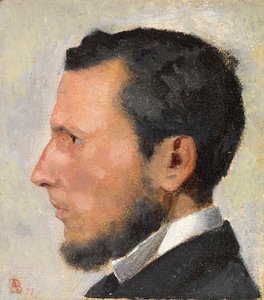
Paul Albert Besnard
1849 - 1934 , Ranska
Lyhyesti esiteltynä
- Artistic Movement Or Style: Impressionismi
- Artists Or Movements Influenced By This Artist: ['Akateeminen maalaus']
- Artists Who Influenced This Artist:
- Alexandre Cabanel
- Thomas Gainsborough
- Date Of Birth: Pariisi, Ranska (1849)
- Date Of Death: 1934
- Full Name: Paul Albert Besnard
- Nationality: Ranskalainen
- Notable Artworks:
- Timophanesin kuolema
- Rauha sovittelun kautta
- Portrait de Madame Georges Rodenbach
- Place Of Birth: Pariisi