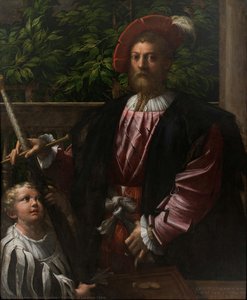
Esikatselu
 Jaa teos
 Jaa
Jaa
 Tiedot
 Opas
Opas

 Lataa kuva
 Samanlaisia kohteita
 Röntgenkuvaus
 Diaesitys
 Kysymykset ja vastaukset
 Tilastot
Deposition

- 331.0 x 240.0 cm


 Lue lisää
Giclée- ja taideprintit
Museolaatuisia giclée- tai kankaitaulun tulosteita nopealla tuotannolla ja joustavilla viimeistelyvaihtoehdoilla. ( Osta käsinmaalattu taideteos Siirry digitaaliseen kuvaan)




P118B €10

P118H €10

P118W €10

P438Z €10

P508JH €12

P508YH €12

P805H €10

P805Z €10

P919BZ €10

P919G €10

P919XJ €10

P959ZH €10

P968JZ €12

W106C €8

W218G €10

W218JH €8

W218Y €10

W307PJ €10

W316G €10

W316PJ €8

W316Y €10

W398PJ €8

W4111J €10

W500HY €15

W500JH €15

W692G €12

W849H €8

W940BG €15

W953PJ €8




Valitse valmiista mitoistamme sellaiset, jotka vastaavat teoksen alkuperäisiä mittasuhteita.

Syötä tarvitsemasi leveys ja korkeus, jotta tuloste sopii kehyksiisi tai seinällesi. Tulostetta voidaan vain leikata, sitä ei voida koskaan suurentaa alkuperäistä kuvaa suuremmaksi, joten eri muotoinen koko aiheuttaa osan kuvasta katoamisen. Lähetämme sinulle digitaalisen mallikuvan hyväksyttäväksi ennen kuin aloitamme tulostuksen. Tällä sivulla näkyvä kuva ei näytä lopullista rajausta — vain mallikuva näyttää sen.
Maailmanlaajuinen toimitus () 2 viikossa tavallisen 4–5 viikon sijaan. (7 marraskuu)

Ilmainen pikatoimitus ympäri maailman

Korkealaatuinen pellavakangas

Kattava kuljetusvakuutus

Tulliveron palautustakuu

Takuu täydellisestä värien vastaavuudesta

100 päivän palautusoikeus (vain valmistusvirheet)

100% rahat takaisin -takuu

Määräalennus tarjolla
 Lasivaihtoehto on saatavilla vain alle 110 cm kokoisille teoksille

Deposition
Giclée- ja taideprintit
Replikaatin koko
-


Kokonaishinta
€ 72
A Moment of Profound Sorrow: Unveiling Parmigianino’s “Deposition”
Parmigianino's "Deposition," a haunting etching from around 1540, isn’t merely a depiction of a biblical scene; it’s an exquisitely rendered meditation on grief, loss, and the profound weight of human suffering. Created during the tumultuous transition between the High Renaissance and Mannerism, this work embodies the stylistic shift towards heightened emotion, elongated forms, and a deliberate distortion of reality that would define the era. The piece immediately draws the viewer into a scene saturated with sorrow – a palpable atmosphere of mourning hangs heavy over the figures arranged within its tightly constructed composition.
The subject itself—the removal of Christ’s body from the cross—is one steeped in religious significance, yet Parmigianino elevates it beyond simple narrative. He doesn't offer a triumphant resurrection or a heroic sacrifice; instead, he presents a raw and vulnerable portrayal of the immediate aftermath. The figures surrounding the prone form of Jesus are not idealized saints but ordinary individuals – mourners, family members, and witnesses to this devastating event—each etched with expressions of profound grief. Their postures, subtly elongated and deliberately unbalanced, reflect the instability and emotional turmoil at the heart of the scene.
The Language of Mannerism: Line, Shadow, and Distortion
Parmigianino’s mastery lies in his command of etching technique. The intricate network of fine lines, meticulously rendered with astonishing precision, creates a remarkable sense of texture and depth. Cross-hatching is employed liberally to build up areas of shadow, lending the scene an almost sculptural quality. Notice how the artist uses varying line weights – bold strokes defining the contours of clothing and faces, delicate tracings suggesting the folds of fabric and the fragility of human form. This deliberate manipulation of line isn’t about realistic representation; it's about conveying emotion and atmosphere through a carefully orchestrated visual language.
- Elongated Proportions: Parmigianino’s signature Mannerist trait is evident in the subtly distorted proportions of the figures. Limbs are stretched, faces are elongated, and bodies are rendered with an unsettling grace that defies naturalism.
- Dynamic Composition: The arrangement of figures creates a sense of controlled chaos—a deliberate imbalance that mirrors the emotional turmoil of the scene.
- Monochromatic Palette: The absence of color amplifies the drama, focusing attention on the interplay of light and shadow and the expressive power of line.
Symbolism and Emotional Resonance
Beyond its technical brilliance, “Deposition” is rich in symbolic meaning. The cloudy sky above—a recurring motif in Parmigianino’s work—evokes a sense of foreboding and impending doom. The landscape below, rendered with stark simplicity, provides a desolate backdrop to the scene of mourning. The figures themselves are not simply witnesses; they represent humanity's shared experience of loss and vulnerability. The overall effect is profoundly moving, inviting viewers to contemplate the nature of grief, faith, and mortality.
A Timeless Masterpiece: Reproduction and Legacy
“Deposition” stands as a testament to Parmigianino’s artistic genius and his pivotal role in shaping the course of Mannerist painting. Reproductions offer an accessible way to experience this extraordinary work, allowing its beauty and emotional depth to be appreciated by a wider audience. When selecting a reproduction, consider the quality of the print – archival materials and meticulous attention to detail are essential to faithfully capturing the nuances of Parmigianino’s original etching. This piece remains a powerful reminder of the enduring capacity of art to evoke profound emotions and illuminate the complexities of the human condition.
Kysymykset ja vastaukset
Mitä "Deposition" esittää ja millainen tunnelma siinä on?
"Deposition" esittää aiheita christianity, deposition, grief, sorrow, mannerism, italy, renaissance, ja sen tunnelmaksi on tallennettu Dramatic.
Käyttääkö teos Parmigianino:n "Deposition" voimakkaita kontrasteja vai pehmeitä harmonioita?
Teoksen Parmigianino:n "Deposition" värianalyysi paljastaa Statement kontrastin ja Unified Palette harmonian.
Miten voin löytää teoksia, jotka muistuttavat teosta Parmigianino:n "Deposition"?
Teoksen Parmigianino:n "Deposition" Samankaltaisia teoksia -sivu esittelee samankaltaisia teoksia.
Taiteilijan elämäkerta
A Refined Sensibility: Parmigianino’s Elämä ja Taide
Girolamo Francesco Maria Mazzola, joka tunnetaan paremmin nimellä Parmigianino – ”Pikku parmesaania” Parman kaupungista – astui esiin korkean renessanssin aikakaudella, mutta nousi nopeasti keskeiseksi hahmoksi nousevassa manierismissa. Hän syntyi Parmassa 11. tammikuuta 1503, ja hänen varhaisia vuosiaan varjosti perheellinen suru; hänen isänsä Filippo Mazzola kuoli kun Girolamo oli vasta kaksivuotias. Hänen serkunsa Michele ja Pier Ilario, molemmat vaatimattomia taiteilijoita itsekin, kasvattivat nuoren Parmigianinon ja antoivat hänelle ensimmäisen taideopetuksensa. Tämä perusta osoittautui kuitenkin vain ponnahduslaudaksi poikkeukselliselle lahjakkuudelle, joka pian ylitti jopa hänen mentoreitaan. Jo kahdeksantoista vuoden iässä hän oli saanut valmiiksi Bardi-alttaritaulun, teoksen, joka osoitti kypsyyttä ja hienostuneisuutta, joka ylitti hänen ikänsä, merkkinä todella poikkeuksellisen taiteilijan syntymästä.Firenze, Rooma ja Manierismin Näkemysten Muovaaminen
Parmigianinon taiteellinen matka johti hänet Firenzeen noin vuonna 1524, jossa hän omaksui mestareiden kuten Raphaelin ja Leonardon vaikutteita, mutta alkoi nopeasti luoda omaa erottuvaa polkuaan. Hän esitteli paavi Clement VII:lle kolme maalausta, joista yksi oli silmiinpistävä itsemuotokuva kuperassa peilissä – todiste hänen teknisestä taidostaan ja kasvavasta itsetietoisuudestaan. Tämä teko varmisti hänelle tehtäviä Roomassa, mutta kaupungin taiteellinen maisema järkyttyi pian vuonna 1527 tapahtuneesta Rooman ryöstöstä. Pakoon joutunut Parmigianino etsi turvaa Bolognaan, jossa hän maalasi yhden tunnetuimmista teoksistaan, *Pyhä perhe*. Juuri tällä ajanjaksolla hänen tunnusomainen tyylinsä kiteytyi: pitkät muodot, sulavat asennot ja hienostunut sensuaalisuus tulivat taiteensa tunnusmerkeiksi. Hän ei ainoastaan kuvannut todellisuutta; hän kuvitteli sen uudelleen eleganssin ja idealisoidun kauneuden linssin läpi. Tämä poikkeaminen korkean renessanssin luonnollisuuteen korosti häntä keskeisenä Mannerismin innovaattorina, taiteellisena liikkeenä, jolle oli ominaista keinotekoisuus, hienostuneisuus ja klassisten muotojen tarkoituksellinen vääristely.Pitkän Kaulan Madonna ja Muut Mestareteokset
Parmigianinon perintö perustuu suhteellisen pieneen mutta syvälti vaikuttavaan teoskokonaisuuteen. *Madonna pitkäkaulainen* (1534) on ehkä hänen ikonisimmaksi luokiteltu luomuksensa. Sen levoton, mutta kiehtova kompositio, jossa esiintyy pitkillä kauloilla ja raajoilla varustettuja hahmoja, kyseenalaistaa perinteiset käsitykset kauneudesta ja mittasuhteista. Tämä tarkoituksellinen vääristymä ei ole pelkästään tyylillistä; se välittää henkisen kaipuun tunteen ja maanpällisestä erottuvan suloisuuden. Samoin *Pyhän Hieronymuksen näky* (1527), joka valmistui hänen Rooman aikaansa, osoittaa hänen anatomian ja perspektiivin hallintansa samalla kun se omaksuu manieristisen taipumuksen dramaattisiin kompositioihin ja emotionaaliseen intensiteettiin. Näiden tunnettujen maalauksien lisäksi Parmigianinon piirustukset paljastavat poikkeuksellisen taitotason ja herkkyyden. Hahmojen, draaperioiden ja arkkitehtonisten elementtien tutkimukset osoittavat huolellista yksityiskohtien huomiota ja syvää ymmärrystä muodosta. Jopa hänen vähemmän tunnetut teoksensa, kuten *Jousen veistäjä Amor*, paljastavat saman hienostuneen herkkyyden ja teknisen virtuoosismin, jotka määrittelevät hänen tuotantonsa.Elämä Katkeaa: Parmigianinon Viimeiset Vuodet
Tragisesti Parmigianinon lupaava ura katkesi hänen ennenaikaisessa kuolemassa Casalmagioressa vuonna 1540, vain kolmekymmentäseitsemän vuoden iässä. Hänen kuolemansa olosuhteet ovat edelleen hieman salaperäisiä; jotkut kertomukset viittaavat siihen, että hän sairastui kuumeeseen, kun taas toiset vihjaavat komplikaatioihin kaatumisesta. Lyhyestä elämästään huolimatta Parmigianino jätti pysyvän jäljen italialaiseen renessanssitaiteeseen. Hän on yksi Italian manierismin tärkeimmistä edustajista, ja hänen tyylinsä ja innovatiivinen lähestymistapansa muotoon ja kompositioon ovat vaikuttaneet sukupolviin taiteilijoita. Hänen työnsä kiehtoo katsojia vielä tänään, tarjoten kurkistuksen maailmaan, jossa kauneutta ei ainoastaan havaita vaan luodaan aktiivisesti – todiste taiteellisen vision kestävästä voimasta. Parmaan ja Fontanellatoon jättämät keskeneräiset freskonsa ovat surullisia muistutuksia siitä, mitä olisi saattanut olla, mutta jopa valmiusasteensa ulkopuolella ne paljastavat mestarin loiston, jonka perintö kaikui vuosisatojen ajan.
Parmigianino
1503 - 1540 , Italia
Pähkinänkuoressa
- Artistic Movement Or Style: Manierismi
- Artists Or Movements Influenced By This Artist: ['Italialainen renessanssitaide']
- Artists Who Influenced This Artist:
- Raphael
- Leonardo da Vinci
- Date Of Birth: 11. tammikuuta 1503
- Date Of Death: 1540
- Full Name: Girolamo Francesco Maria Mazzola
- Nationality: Italialainen
- Notable Artworks:
- Pitkäkaulainen Madonna
- Pyhän Hieronymoksen näky
- Muotokuva peilissä
- Pyhä perhe
- The Circumcision
- Bow-carving Amor
- Place Of Birth: Parma, Italia
Aiheeseen liittyvät artikkelit
Beyond Perfection: The Dramatic Elegance and Intellectual Tension of Renaissance Mannerism
Explore the captivating world of Renaissance Mannerism. Discover how artists moved beyond High Renaissance harmony into a realm of elegant distortion, psychological tension, and dramatic beauty that bridged the gap to the Baroque era.

The Intricate World of Etching: A Historical Survey of Technique, Aesthetic Evolution, and Enduring Artistic Impact
Explore the rich history of etching, from its origins to modern practice. Discover techniques, key artists like Rembrandt, and insights for collectors. A comprehensive guide by OriginalUniqueArt.
10 legendaarista etsausta: Taidehistrian mullistajat – OriginalUniqueArt.com
Tutustu 10 legendaariseen etsaukseen – Rembrandtin, Goyan ja Picasson mestariteoksiin! Taidehistorian mullistajat inspiroivat sisustusta. Laadukkaat taidekopiot OriginalUniqueArt.com:ssa. Löydä kokoelma verkossa!

Fra Angelicon 25 mestariteosta: Taidetta ja hengellisyyttä kotiisi – OriginalUniqueArt.com
Tutustu Fra Angelicon 25 mestariteokseen – varhaisen renessanssin lumoavia freskoja ja alttaritauluja. Uppoudu italialaisen taidemaalarin hengelliseen maailmaan OriginalUniqueArt.comissa! Taidekopiokuvia ja sisustusideoita.

Etching: A Historical Survey of Technique, Aesthetic Qualities & Enduring Artistic Significance
Explore the rich history of etching, from its origins to Rembrandt's masterful innovations. Discover the technique, aesthetic qualities & enduring legacy of this captivating art form. Expert insights for collectors and enthusiasts.