
 Esikatselu
 Jaa teos
 Jaa
Jaa
 Tiedot
 Opas
Opas

 Lataa kuva
 Samanlaisia kohteita
 Röntgenkuvaus
 Diaesitys
 Kysymykset ja vastaukset
 Tilastot
The Hunt in the Forest

- 73.0 x 177.0 cm


 Lue lisää
Giclée- ja taideprintit
Museolaatuisia giclée- tai kankaitaulun tulosteita nopealla tuotannolla ja joustavilla viimeistelyvaihtoehdoilla. ( Osta käsinmaalattu taideteos Siirry digitaaliseen kuvaan)




P118B €10

P118H €10

P118W €10

P438Z €10

P508JH €12

P508YH €12

P805H €10

P805Z €10

P919BZ €10

P919G €10

P919XJ €10

P959ZH €10

P968JZ €12

W106C €8

W218G €10

W218JH €8

W218Y €10

W307PJ €10

W316G €10

W316PJ €8

W316Y €10

W398PJ €8

W4111J €10

W500HY €15

W500JH €15

W692G €12

W849H €8

W940BG €15

W953PJ €8




Valitse valmiista mitoistamme sellaiset, jotka vastaavat teoksen alkuperäisiä mittasuhteita.

Syötä tarvitsemasi leveys ja korkeus, jotta tuloste sopii kehyksiisi tai seinällesi. Tulostetta voidaan vain leikata, sitä ei voida koskaan suurentaa alkuperäistä kuvaa suuremmaksi, joten eri muotoinen koko aiheuttaa osan kuvasta katoamisen. Lähetämme sinulle digitaalisen mallikuvan hyväksyttäväksi ennen kuin aloitamme tulostuksen. Tällä sivulla näkyvä kuva ei näytä lopullista rajausta — vain mallikuva näyttää sen.
Maailmanlaajuinen toimitus () 2 viikossa tavallisen 4–5 viikon sijaan. (4 marraskuu)

Ilmainen pikatoimitus ympäri maailman

Korkealaatuinen pellavakangas

Kattava kuljetusvakuutus

Tulliveron palautustakuu

Takuu täydellisestä värien vastaavuudesta

100 päivän palautusoikeus (vain valmistusvirheet)

100% rahat takaisin -takuu

Määräalennus tarjolla
 Lasivaihtoehto on saatavilla vain alle 110 cm kokoisille teoksille

The Hunt in the Forest
Giclée- ja taideprintit
Replikaatin koko
-


Kokonaishinta
€ 72
A Symphony of Shadow and Light: The Magic of Uccello’s Forest
Step into a world where the boundaries between reality and mathematical illusion dissolve. Paolo Uccello’s “The Hunt in the Forest,” painted around 1470, is not merely a depiction of a noble pastime; it is a breathtaking window into the soul of the Early Renaissance. As you gaze upon this masterpiece, you are immediately swept into a nocturnal landscape that feels both dreamlike and intensely structured. The scene captures the exhilarating energy of a hunting party moving through a dense, mysterious woodland, where the flickering light plays across the armor of riders and the muscular tension of horses. It is a visual symphony orchestrated with meticulous precision, designed to pull the viewer deep into the heart of the thicket, making one feel less like an observer and more like a silent participant in the chase.
The atmosphere of the painting is thick with the palpable excitement of the hunt. Uccello masterfully uses light and shadow to create a sense of drama that resonates through the centuries. There is a rhythmic movement to the composition, as figures on foot and riders on horseback weave through the trees, their weapons glinting faintly in the dim light. For the collector or interior designer, this piece offers a profound emotional depth; it possesses a quiet intensity that can anchor a room, providing a focal point that invites long periods of contemplation and discovery.
The Architect of Perspective: Mastering the Illusion of Depth
What truly sets this work apart is Uccello’s obsessive devotion to the science of linear perspective. Often described as a mathematician of the canvas, Uccello was captivated by the challenge of translating a three-dimensional world onto a flat surface. In “The Hunt in the Forest,” he employs converging lines and carefully calculated spatial arrangements to create an unprecedented sense of depth. This was a revolutionary departure from the flatter, more decorative styles of the preceding Gothic era. By utilizing these mathematical advancements, Uccello does not just paint a forest; he constructs a believable reality.
Every element, from the placement of the furthest trees to the foreshortening of the figures in the foreground, serves the greater goal of spatial illusion. This technical brilliance creates a sense of immersion that is rare even in the greatest works of the Renaissance. For those seeking a high-quality reproduction, this structural complexity translates into a stunning visual texture. The way the eye is drawn inward by the geometric arrangement of the landscape provides a dynamic energy that breathes life into any sophisticated interior space, offering a sense of architectural grandeur and intellectual rigor.
A Legacy of Florentine Innovation
To understand the weight of this painting, one must look to the golden age of Florence. Created during an era of immense humanist growth, the work reflects the intellectual curiosity that defined the period. Uccello’s ability to blend the decorative elegance of his predecessors with the new, scientific realism of his contemporaries makes this piece a bridge between two worlds. The painting likely served as a spalliera—a decorative panel intended to be viewed at shoulder height, perhaps as part of a grand chest or the elegant wood paneling of a noble Florentine residence.
Owning a reproduction of such a significant historical artifact is an opportunity to bring a piece of the Renaissance spirit into the modern home. It represents a time when art and science were inextricably linked, and when every brushstroke was an attempt to decode the mysteries of the natural world. Whether placed in a library, a study, or a grand living area, “The Hunt in the Forest” serves as a testament to human ingenuity, offering timeless inspiration through its perfect balance of movement, mathematics, and mystery.
Kysymykset ja vastaukset
Mistä "The Hunt in the Forest" on tehty ja millä tyylillä?
"The Hunt in the Forest" on toteutettu Tempera On Panel-tekniikalla ja edustaa Renaissance Perspective Innovation-tyyliä.
Kuinka vanha Paavo Uccello oli, kun "The Hunt in the Forest" luotiin?
Kun "The Hunt in the Forest" luotiin vuonna 1470, Paavo Uccello (syntynyt 1397) oli 73 vuotias.
Onko teoksesta Paavo Uccello:n "The Hunt in the Forest" saatavilla diashow-esitystä?
Katso kuvagalleria: Paavo Uccello:n "The Hunt in the Forest" -teoksen Diaesitys -sivu.
Taiteilijan elämäkerta
A Florentine Visionary: The Life and Art of Paolo Uccello
Paolo di Dono, tunnetummin nimellä Paolo Uccello, syntyi 1397 Pratovecchion kylässä lähellä Firenzea – paikka, joka on edelleen tunnettu kauniista maisemistaan. Hänen taiteellinen polkunsa oli yhtä monimutkainen ja kiehtova kuin hänen elämänsä, ja hänestä tuli yksi varhaisen renessanssin merkittävimmistä, mutta samalla salaperäisimmistä taiteilijoista. Uccello ei ollut pelkästään maalari; hän oli visionääri, matemaatikko kankaalla, pyrkimys ymmärtämään visuaalisen tilan salaisuuksia ja ilmaisemaan ne upeiksi teoksiksi. Hänen isänsä, Dono di Paolo, harjoitti sekä parturi-kirurgin että taiteilijan ammattia, mikä saattoi olla vaikuttanut nuoren Paulon monipuoliseen luonteeseen. Hänen äitinsä, Antonia, oli puolestaan peräisin arvostetusta florentilaisesta aatelisperheestä – linja, joka todennäköisesti antoi Paulolle sekä käytännöllisen ymmärryksen että hienostuneen estetiikan arvostuksen.- Varhaiset vuodet ja Ghibertin vaikutus: Uccellon varhaiset vuosikymmenet (1412-1416) viettivät Lorenzo Ghibertin työpajassa, joka oli tuohon aikaan Florentian taiteen keskus. Ghibertin työskentelyssä hän oppi Gothic-tyylin hienostuneesta narratiivisuudesta ja koristeellisista elementeistä, mutta samalla hän tunsi vahvan halun ylittää nämä perinteet.
- Matemaattinen mieli: Uccellon taiteellinen kehitys ei ollut pelkästään tekniikan hallintaa; se oli syvällistä uteliaisuutta, joka liittyi havaintojen periaatteisiin. Hän uppoutui matematiikkaan, erityisesti geometriaan ja perspektiiviin, ei abstraktteina tieteenaloina, vaan työkaluina todellisuuden totuudellisemman esittämisen saavuttamiseksi.
Perspektiivin tavoittelu: Matemaattinen mieli taiteessa
Uccello oli yksi ensimmäisistä, joka systemaattisesti sovelsi perspektiiviä maalaustekniikkaan. Hän laskeli tarkasti näkökulmapainikkeita ja kohtisuoria viivoja luodakseen syvyyden illuusion, jota aiemmin ei ollut saavutettu yhtä tehokkaasti. Tämä ei ollut vain teknistä tarkkuutta; Uccellolle perspektiivi oli tapa rakentaa tarinaa, korostaa draamaa ja antaa teoksiin järjestyksen ja älyllisen syvyyden. Hänen intohimonsa oli niin voimakas, että Giorgio Vasari kuvasikin sitä, että taiteilijat "joivat perspektiiviä niin paljon, että heidän maalauksensa muuttuivat kuiviksi ja kulmikkaiksi". Tämä omistautuminen mullisti maalaustekniikan ja loi pohjan tuleville taiteilijoille.- Brunelleschin perintö: Vaikka Filippo Brunelleschi tunnetaan usein ensimmäisenä, joka löysi lineaarisen perspektiivin, Uccello oli yksi ensimmäisistä, joka sovelsi sitä maalaustekniikkaan systemaattisesti.
- Geometrian ja laskennan käyttö: Uccello ei vain piirtänyt perspektiiviä; hän myös laskeli tarkasti sen periaatteet ja sovelsi niitä teoksiinsa.
Merkittävimmät teokset ja tyylilliset piirteet
Uccellon tuotanto, vaikka se onkin suhteellisen pieni, on tunnettu omaleimaisesta tyylistään, joka yhdistää Gothic-hienostuneisuutta renessanssin innovaatioita. San Romanon taistelut, kolmen panelin sarja, jotka tilattiin florentilaisen voiton muistoksi, ovat ehkä hänen kuuluisimpia teoksiaan. Nämä maalaukset eivät ole pelkkiä sodan kuvauksia; ne ovat dynaamisia komposiitioita, täynnä pyöriviä hahmoja, sirpaloituja panssareita ja dramaattisesti lyhennettyjä kilpiä – kaikki maalattu eloisissa väreissä ja järjestetty tarkkaan laskettuun perspektiiviin. Neitsaan syntymä osoittaa Uccellon taitoa lineaariseen perspektiiviin, luoden vakuuttavan syvyyden illuusion rajallisessa tilassa. Hänen Pyhän Jeesuksen ja Marian maalauksensa ovat tunnettuja rohkeasta värikkäydestään ja tyyliteltyjen muotojensa ansiosta.- Värien käyttö: Uccello käytti voimakkaita, eloisia värejä teoksissaan.
- Perspektiivin soveltaminen: Hän pakotti perspektiiviä usein äärirajoillemme dramaattisen efektin saavuttamiseksi.
- Tyyliteltyjen hahmojen käyttö: Hänen maalauksissaan on tyyliteltyjä hahmoja ja koristeellisia kuvioita, jotka muistuttavat Gothic-taidetta.
Perintö ja vaikutus: Kestävä vaikutus taiteen historiaan
Paolo Uccellon panos renessanssiin ulottuu hänen yksittäisten maalauksensa ulkopuolelle. Hänen näennäisesti mullistavansa perspektiivin lähestymistapansa muutti taiteen historian kulkua ja inspiroi lukemattomia seuraajiaan. Albrecht Dürer, tunnettu saksalainen printtitaiteilija ja maalaaja, oli syvästi vaikuttunut Uccellon teoksista ja omistautui perspektiivin opiskeluun ja sen periaatteiden soveltamiseen omiin taideteoksiinsa. Vaikka Uccellon tyyli pysyi hieman omaperäisenä koko uransa ajan, hänen uraauurtava lähestymistapansa tilaan ja muotoon varmisti hänen paikkansa merkittävänä hahmona länsimaiseen taiteeseen. Hän kuoli Firenzessä vuonna 1475 jättäen jälkeensä ei vain kauniita maalauksia, vaan myös älyllistä uteliaisuutta ja taiteellista rohkeutta. Hänen työnsä inspiroi edelleen ihailua ja arvostusta, muistuttaen meitä siitä, että todellinen taide ei ole pelkästään sitä, mitä näkee, vaan sitä, miten ymmärrämme, miten näemme.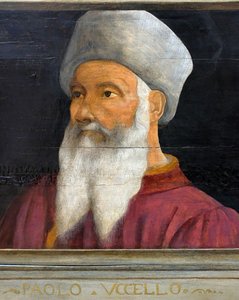
Paavo Uccello
1397 - 1475 , Italia
Pähkinänkuoressa
- Artistic Movement Or Style: Varhainen renessanssi
- Artists Or Movements Influenced By This Artist: ['Albrecht Dürer']
- Artists Who Influenced This Artist:
- Lorenzo Ghiberti
- Donatello
- Date Of Birth: 1397
- Date Of Death: 1475
- Full Name: Paolo di Dono
- Nationality: Italian
- Notable Artworks:
- San Romano - taistelut
- Pyhä syntymä
- Pyhä George ja lohikäärme
- Place Of Birth: Pratovecchio, Italia
Aiheeseen liittyvät artikkelit

Paul Cézannen 25 mestariteosta: Taidetta kotiisi – OriginalUniqueArt.com
Tutustu Paul Cézannen 25 vaikuttavinta mestariteosta! Postimpressionismin huipputeoksia, still life -maalauksia ja ikonisia maisemia. Löydä taiteen tarinat ja inspiroi kotisi sisustusta OriginalUniqueArt.com:ssa. Tutki kokoelma verkossa!

John Constablein 25 mestariteosta: Taidetta ja tunnelmaa kotiisi – OriginalUniqueArt.com
Tutustu John Constable'n 25 mestariteokseen – romanttisia maisemamaalauksia, jotka vangitsevat englantilaisen luonnon tunnelman. Taidehistoriaa ja inspiraatiota kotiisi OriginalUniqueArt.com:ssa. Löydä kaikki taideteokset verkossa!

Evocations of Place: A Historical Journey Through Landscape Art
Explore the rich history of landscape art with OriginalUniqueArt. Discover renowned artists, movements like Impressionism & Romanticism, and expert guidance for collecting timeless pieces. Find your perfect serene escape today!
Capturing Stillness: A Curated Exploration of the Most Iconic Lake Landscapes in Art History
Journey through art history's most serene lake landscapes. From Romantic vistas to light-drenched Impressionist waters, discover the stories behind these iconic masterpieces and find museum-quality, hand-painted oil reproductions for your private collection.

Romanttisen maisemamaalauksen mestariteokset: Taidetta ja inspiraatiota kotiin
Uppoudu romanttisen maisemamaalauksen maailmaan! Tutustu Caspar David Friedrichin, Turnerin ja muiden mestareiden ikonisiin teoksiin. Löydä inspiraatiota kotiisi taiteen avulla OriginalUniqueArt.comista – laadukkaat taideprintit ja sisustusideoita.


