

 Katso seinällä
 Lähetä
 Jaa
Jaa
 Tarkemmat tiedot
 Opas
Opas

 Lataa kuva
 Samanlaisia kohteita
 Röntgenkuvaus
 Diaesitys
 Tilastot
Profeetan pää


 Lue lisää
Giclée- ja taideprintit
Museolaatuisia giclée- tai kankaitaulun tulosteita nopealla tuotannolla ja joustavilla viimeistelyvaihtoehdoilla. ( Tilaa käsinmaalattu jäljennös Siirry digitaaliseen kuvaan)




P118B €10

P118H €10

P118W €10

P438Z €10

P508JH €12

P508YH €12

P805H €10

P805Z €10

P919BZ €10

P919G €10

P919XJ €10

P959ZH €10

P968JZ €12

W106C €8

W218G €10

W218JH €8

W218Y €10

W307PJ €10

W316G €10

W316PJ €8

W316Y €10

W398PJ €8

W4111J €10

W500HY €15

W500JH €15

W692G €12

W849H €8

W940BG €15

W953PJ €8




Valitse valmiista mitoistamme sellaiset, jotka vastaavat teoksen alkuperäisiä mittasuhteita.

Voit syöttää omat mitat sopiaksesi tiettyyn kehykseen tai tilaan. Jos valittu koko ei vastaa alkuperäisen kuvan mittasuhteita, rajaamme teosta tai laajennamme kuvaa peilatulla tai yhtenäisellä reunalla. Digitaalinen mallikuva lähetetään hyväksyttäväksi ennen tuotannon aloittamista.
Huomaathan, että näytöllä näkyvä esikatselu ei vastaa lopullista rajausta tai laajennusta. Vain mallikuva näyttää lopullisen sommittelun tarkasti.
Vaikka räätälöityjä kokoja on saatavilla, suosittelemme valitsemaan mitat valmiista listasta alkuperäisten mittasuhteiden säilyttämiseksi.
Maailmanlaajuinen toimitus () 2 viikossa tavallisen 4–5 viikon sijaan. (10 lokakuu)

Ilmainen pikatoimitus ympäri maailman

Korkealaatuinen pellavakangas

Kattava kuljetusvakuutus

Tulliveron palautustakuu

Takuu täydellisestä värien vastaavuudesta

100 päivän palautusoikeus valmistusvirhetapauksissa

100% rahat takaisin -takuu

Määräalennus saatavilla
 Lasivaihtoehto on saatavilla vain alle 110 cm kokoisille teoksille

Profeetan pää
Giclée- ja taideprintit
Replikaatin koko
-


Kokonaishinta
€ 69
A Window into Renaissance Contemplation: Paolo Uccello’s *Head of Prophet* (1443)
This captivating portrait, created in 1443 by Florentine master Paolo Uccello, offers a deeply intimate glimpse into the world of Early Renaissance religious art. Often identified as Saint Augustine, the subject's serene expression and dignified presence invite quiet contemplation – a hallmark of Uccello’s unique artistic vision.Style & Technique: Pioneering Perspective and Luminous Glazing
Uccello was at the forefront of experimentation with perspective during this period, and while not overtly dramatic here due to the close-up composition, his understanding of spatial relationships is subtly present in the carefully constructed circular framing. The head appears almost haloed, not just by divine association but also through Uccello’s masterful use of light and shadow. The technique employed is characteristic of the Early Renaissance: meticulous layering of oil paint – glazing – to achieve a remarkable luminosity and depth of color. Notice how the artist builds up tones to create incredibly realistic skin textures, subtle fabric folds, and the gentle sheen on the subject’s beard. The limited palette, dominated by warm earth tones contrasted with muted greens in the background, further enhances the figure's prominence.Historical Context: Florence & the Rise of Humanism
Paolo Uccello lived during a pivotal moment in Florentine history – a period witnessing the burgeoning Renaissance and the rediscovery of classical learning. He trained under Lorenzo Ghiberti, whose work on the Baptistery doors instilled in him an appreciation for detail and refined craftsmanship. The 15th century also saw the rise of Humanism, which emphasized human intellect and potential alongside religious faith. This is reflected in Uccello’s portraits; they are not merely iconic representations but seem to capture a sense of individual personality and inner life. The Spedale di San Paolo, where this work resides, was itself undergoing transformations during this era, reflecting the broader cultural shifts.Symbolism & Iconography: Divine Wisdom Embodied
The subject’s identity as Saint Augustine is strongly suggested by his aged features and contemplative gaze. Augustine, a prominent philosopher and theologian, represents intellectual rigor and spiritual insight. The circular composition itself can be interpreted symbolically – representing eternity or the divine realm. The halo, though partially obscured, signifies sanctity and grace. Uccello doesn’t present Augustine as an aloof figure but rather as a relatable human being imbued with profound wisdom.Emotional Impact & Interior Design Considerations
This *Head of Prophet* evokes a sense of peaceful contemplation and quiet dignity. Its restrained palette and intimate scale make it suitable for a variety of interior settings, from traditional libraries to modern living spaces.- Its warm tones would complement neutral color schemes.
- The portrait’s circular format lends itself well to gallery walls or as a focal point above a fireplace.
- As a high-quality reproduction, it offers an accessible way to bring the beauty and intellectual depth of the Early Renaissance into your home.
Kysymykset ja vastaukset
Mikä on teoksen Paavo Uccello:n "Profeetan pää" värimaailma?
Paavo Uccello:n "Profeetan pää" -teoksen väri-identiteetti: Maanläheinen paletti, jota hallitsee Pähkinä (#6f5639).
Milloin "Profeetan pää" on tehty?
Teos Paavo Uccello:n "Profeetan pää" on valmistunut vuonna 1443.
Missä museossa alkuperäinen "Profeetan pää" on esillä?
Voit nähdä alkuperäisteoksen "Profeetan pää" kohteessa Duomo Firenze, Firenze, Italia.
Miten voin esikatsella teoksen Paavo Uccello:n "Profeetan pää" reproduktiota?
Esikatselu teoksesta Paavo Uccello:n "Profeetan pää" on saatavilla teoksen Esikatselu -sivulla.
Kuka on luonut "Profeetan pää"?
"Profeetan pää" on Paavo Uccello:n luoma teos. Tällä sivulla olevat tiedot kuvaavat Paavo Uccello:n alkuperäistä työtä.
Kuinka vanha Paavo Uccello oli tehdessään "Profeetan pää"?
Kun "Profeetan pää" luotiin vuonna 1443, Paavo Uccello (syntynyt 1397) oli 46 vuotias.
Onko "Profeetan pää" tunnettu Varhaisrenessanssi-tyylisuunnan teos?
"Profeetan pää" on luokiteltu Ikoninen tasolle luettelon Varhaisrenessanssi teosten joukossa.
Taiteilijan elämäkerta
A Florentine Visionary: The Life and Art of Paolo Uccello
Paolo di Dono, tunnetummin nimellä Paolo Uccello, syntyi 1397 Pratovecchion kylässä lähellä Firenzea – paikka, joka on edelleen tunnettu kauniista maisemistaan. Hänen taiteellinen polkunsa oli yhtä monimutkainen ja kiehtova kuin hänen elämänsä, ja hänestä tuli yksi varhaisen renessanssin merkittävimmistä, mutta samalla salaperäisimmistä taiteilijoista. Uccello ei ollut pelkästään maalari; hän oli visionääri, matemaatikko kankaalla, pyrkimys ymmärtämään visuaalisen tilan salaisuuksia ja ilmaisemaan ne upeiksi teoksiksi. Hänen isänsä, Dono di Paolo, harjoitti sekä parturi-kirurgin että taiteilijan ammattia, mikä saattoi olla vaikuttanut nuoren Paulon monipuoliseen luonteeseen. Hänen äitinsä, Antonia, oli puolestaan peräisin arvostetusta florentilaisesta aatelisperheestä – linja, joka todennäköisesti antoi Paulolle sekä käytännöllisen ymmärryksen että hienostuneen estetiikan arvostuksen.- Varhaiset vuodet ja Ghibertin vaikutus: Uccellon varhaiset vuosikymmenet (1412-1416) viettivät Lorenzo Ghibertin työpajassa, joka oli tuohon aikaan Florentian taiteen keskus. Ghibertin työskentelyssä hän oppi Gothic-tyylin hienostuneesta narratiivisuudesta ja koristeellisista elementeistä, mutta samalla hän tunsi vahvan halun ylittää nämä perinteet.
- Matemaattinen mieli: Uccellon taiteellinen kehitys ei ollut pelkästään tekniikan hallintaa; se oli syvällistä uteliaisuutta, joka liittyi havaintojen periaatteisiin. Hän uppoutui matematiikkaan, erityisesti geometriaan ja perspektiiviin, ei abstraktteina tieteenaloina, vaan työkaluina todellisuuden totuudellisemman esittämisen saavuttamiseksi.
Perspektiivin tavoittelu: Matemaattinen mieli taiteessa
Uccello oli yksi ensimmäisistä, joka systemaattisesti sovelsi perspektiiviä maalaustekniikkaan. Hän laskeli tarkasti näkökulmapainikkeita ja kohtisuoria viivoja luodakseen syvyyden illuusion, jota aiemmin ei ollut saavutettu yhtä tehokkaasti. Tämä ei ollut vain teknistä tarkkuutta; Uccellolle perspektiivi oli tapa rakentaa tarinaa, korostaa draamaa ja antaa teoksiin järjestyksen ja älyllisen syvyyden. Hänen intohimonsa oli niin voimakas, että Giorgio Vasari kuvasikin sitä, että taiteilijat "joivat perspektiiviä niin paljon, että heidän maalauksensa muuttuivat kuiviksi ja kulmikkaiksi". Tämä omistautuminen mullisti maalaustekniikan ja loi pohjan tuleville taiteilijoille.- Brunelleschin perintö: Vaikka Filippo Brunelleschi tunnetaan usein ensimmäisenä, joka löysi lineaarisen perspektiivin, Uccello oli yksi ensimmäisistä, joka sovelsi sitä maalaustekniikkaan systemaattisesti.
- Geometrian ja laskennan käyttö: Uccello ei vain piirtänyt perspektiiviä; hän myös laskeli tarkasti sen periaatteet ja sovelsi niitä teoksiinsa.
Merkittävimmät teokset ja tyylilliset piirteet
Uccellon tuotanto, vaikka se onkin suhteellisen pieni, on tunnettu omaleimaisesta tyylistään, joka yhdistää Gothic-hienostuneisuutta renessanssin innovaatioita. San Romanon taistelut, kolmen panelin sarja, jotka tilattiin florentilaisen voiton muistoksi, ovat ehkä hänen kuuluisimpia teoksiaan. Nämä maalaukset eivät ole pelkkiä sodan kuvauksia; ne ovat dynaamisia komposiitioita, täynnä pyöriviä hahmoja, sirpaloituja panssareita ja dramaattisesti lyhennettyjä kilpiä – kaikki maalattu eloisissa väreissä ja järjestetty tarkkaan laskettuun perspektiiviin. Neitsaan syntymä osoittaa Uccellon taitoa lineaariseen perspektiiviin, luoden vakuuttavan syvyyden illuusion rajallisessa tilassa. Hänen Pyhän Jeesuksen ja Marian maalauksensa ovat tunnettuja rohkeasta värikkäydestään ja tyyliteltyjen muotojensa ansiosta.- Värien käyttö: Uccello käytti voimakkaita, eloisia värejä teoksissaan.
- Perspektiivin soveltaminen: Hän pakotti perspektiiviä usein äärirajoillemme dramaattisen efektin saavuttamiseksi.
- Tyyliteltyjen hahmojen käyttö: Hänen maalauksissaan on tyyliteltyjä hahmoja ja koristeellisia kuvioita, jotka muistuttavat Gothic-taidetta.
Perintö ja vaikutus: Kestävä vaikutus taiteen historiaan
Paolo Uccellon panos renessanssiin ulottuu hänen yksittäisten maalauksensa ulkopuolelle. Hänen näennäisesti mullistavansa perspektiivin lähestymistapansa muutti taiteen historian kulkua ja inspiroi lukemattomia seuraajiaan. Albrecht Dürer, tunnettu saksalainen printtitaiteilija ja maalaaja, oli syvästi vaikuttunut Uccellon teoksista ja omistautui perspektiivin opiskeluun ja sen periaatteiden soveltamiseen omiin taideteoksiinsa. Vaikka Uccellon tyyli pysyi hieman omaperäisenä koko uransa ajan, hänen uraauurtava lähestymistapansa tilaan ja muotoon varmisti hänen paikkansa merkittävänä hahmona länsimaiseen taiteeseen. Hän kuoli Firenzessä vuonna 1475 jättäen jälkeensä ei vain kauniita maalauksia, vaan myös älyllistä uteliaisuutta ja taiteellista rohkeutta. Hänen työnsä inspiroi edelleen ihailua ja arvostusta, muistuttaen meitä siitä, että todellinen taide ei ole pelkästään sitä, mitä näkee, vaan sitä, miten ymmärrämme, miten näemme.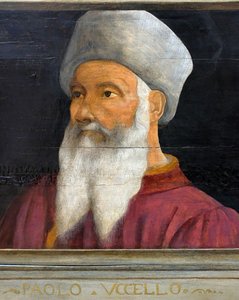
Paavo Uccello
1397 - 1475 , Italia
Tietoa taiteilijasta
- Artistic Movement Or Style: Varhainen renessanssi
- Artists Or Movements Influenced By This Artist: ['Albrecht Dürer']
- Artists Who Influenced This Artist:
- Lorenzo Ghiberti
- Donatello
- Date Of Birth: 1397
- Date Of Death: 1475
- Full Name: Paolo di Dono
- Nationality: Italian
- Notable Artworks:
- San Romano - taistelut
- Pyhä syntymä
- Pyhä George ja lohikäärme
- Place Of Birth: Pratovecchio, Italia
Aiheeseen liittyvät artikkelit

Mastering Devotion: The Most Iconic Depictions of Saint Jerome in Art History
Explore the profound iconography of Saint Jerome through art history's most iconic masterpieces. From Renaissance serenity to Baroque drama, discover how legendary painters captured divine devotion in breathtaking oil paintings and fine art reproductions.
Divine Masterpieces: Exploring the Power and Beauty of Saint Artworks
Discover the profound beauty of Saint Artworks. Explore the history, symbolism, and luminous mastery of Renaissance religious masterpieces through an expert art-historical lens.
Paolo Veronese: A Renaissance Master of Color, Composition, and Venetian Splendor
Explore the vibrant world of Paolo Veronese, a Renaissance master renowned for his opulent compositions, masterful use of color, and dramatic Venetian scenes. Discover key artworks & legacy.
Martin Johnson Heade: Luminism, American Identity & the Poetic Still Life
Explore the captivating world of Martin Johnson Heade, a master of Luminism. Discover his serene landscapes, vibrant still lifes & profound connection to American identity. Learn about his techniques and legacy.
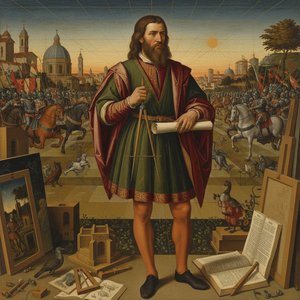
Paolo Uccello: Pioneering Perspective & the Renaissance Pursuit of Visual Truth
Explore the revolutionary art of Paolo Uccello, a Florentine Renaissance master who pioneered perspective. Discover his iconic paintings like 'St. George & The Dragon' and learn about his lasting influence on art history.


