 Preview
 Tilaa painos Osta kuva
 Jaa
Jaa
 Jaa
Jaa
 Tarkemmat tiedot
 Lisää suosikkeihin

 Lataa
Lataa
 Samanlaisia
 Röntgenkuva
 Diaesitys
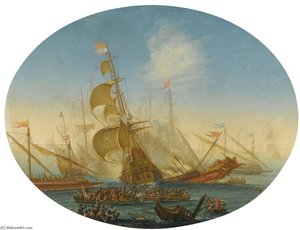
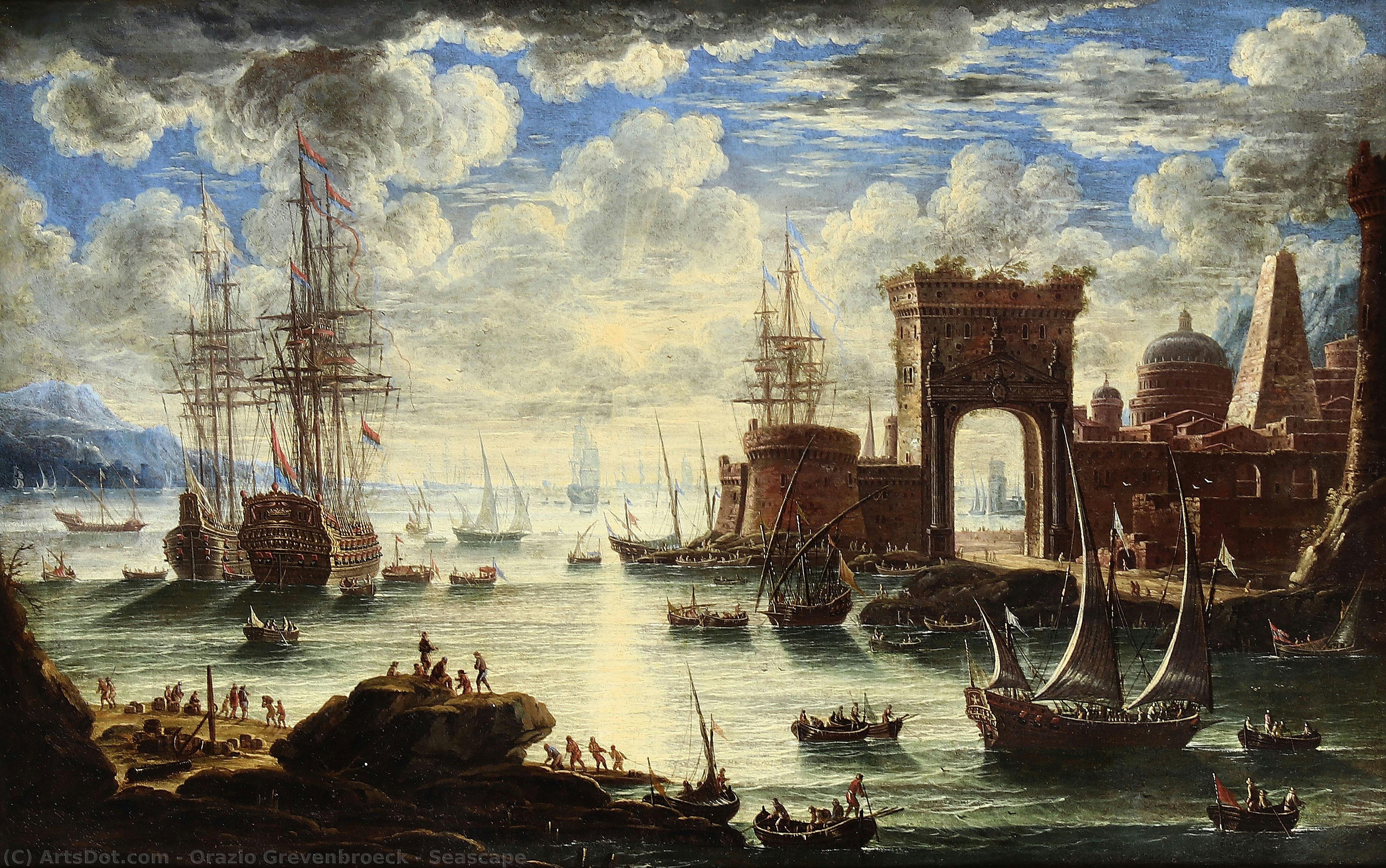
Seascape

 Näytä lisää
Käsinmaalattu öljykopio
Käsinmaalattu öljyväri kankaalle haluamassasi koossa ja kehyksissä, taiteilijoidemme valmistamana tilauksesta.




































Valitse valmiista mitoistamme sellaiset, jotka vastaavat teoksen alkuperäisiä mittasuhteita.

Voit syöttää omat mitat sopimaan tiettyyn kehykseen tai tilaan. Jos valitsemasi koko ei vastaa alkuperäisen kuvan mittasuhteita, rajaamme taideteoksen tai jatkamme maalausta käsin maalatuilla elementeillä. Digitaalinen esikatselu lähetetään hyväksyttäväksi ennen tuotannon aloittamista.
Huomioithan, että näytöllä oleva esikatselu ei vastaa todellista rajausta tai jatkamista. Vain digitaalinen mallikuva näyttää lopullisen sommittelun tarkasti.
Vaikka mittatilaustyöt ovat mahdollisia, suosittelemme valitsemaan mitan ennalta määritetystä listasta alkuperäisten mittasuhteiden säilyttämiseksi.
Tilauksen jälkeen OriginalUniqueArt.com -tiimi lähettää asiakkaalle ohjeet ja esikatselukuvan.
Maailmanlaajuinen toimitus () 3–4 viikossa tavallisen 5 viikon sijaan. (23 heinäkuu). Laadusta ei tingitä.

Ilmainen pikatoimitus ympäri maailman

Korkealaatuinen pellavakangas

Kattava kuljetusvakuutus

Tulliveron palautustakuu

Täydellinen värien vastaavuustakuu

60 päivän palautusoikeus (vain valmistusvirheet)

100% rahat takaisin -takuu

Määräalennus tarjous
 Lasivaihtoehto on saatavilla vain alle 110 cm kokoisina teoksina

Seascape
Reproduktiotekniikka
Replikaatin koko
-


Kokonaishinta
-
Teoksen kuvaus
Taiteilijan elämäkerta
The Tempestuous World of Orazio Grevenbroeck: A Master of Maritime Drama
Orazio Grevenbroeck, a name resonating within the annals of maritime art, stands as a compelling figure whose canvases capture not merely scenes of harbors and battleships, but the very soul of the sea itself. While biographical details surrounding his life remain somewhat elusive – a common trait for artists operating in the vibrant yet often undocumented workshops of their time – the power and emotional depth of his work speak volumes. Emerging from an artistic lineage steeped in Dutch Golden Age traditions, Grevenbroeck carved a niche for himself specializing in dramatic seascapes and naval engagements, becoming a sought-after chronicler of maritime life and conflict. His paintings are not simply representations; they are immersive experiences, transporting the viewer to the heart of crashing waves, billowing sails, and the intense human drama unfolding upon the water’s surface.Early Influences & Artistic Development
Grevenbroeck's artistic journey likely began within the bustling art centers of the Low Countries. The Dutch Golden Age (roughly the 17th century) was a period of unprecedented prosperity and cultural flourishing, particularly in painting. Artists like Simon de Vlieger and Jan Porcellis were pioneering realistic seascape depictions, focusing on accurate ship rendering and atmospheric effects. It is within this tradition that Grevenbroeck found his foundation. However, he wasn’t merely an imitator. While inheriting the meticulous detail of Dutch marine painters, he infused his work with a distinctly Italianate sensibility – a heightened sense of drama, bolder compositions, and a more romanticized approach to light and shadow. This fusion suggests possible training or exposure to Italian art, perhaps through engravings or direct travel. His early works demonstrate a commitment to precise naval architecture, showcasing detailed renderings of various ship types prevalent during the 17th and 18th centuries. Over time, his focus shifted towards capturing the emotional impact of maritime events, moving beyond technical accuracy to convey the raw power of nature and the vulnerability of human endeavor.Themes & Techniques: Painting the Fury of the Ocean
The core of Grevenbroeck’s oeuvre lies in his depictions of the sea – not as a placid backdrop, but as an active protagonist. His canvases are populated with turbulent storms, towering waves threatening to engulf vessels, and harbors teeming with activity. Naval battles form a significant portion of his work, often portraying historical engagements with meticulous detail, yet always emphasizing the chaos and human cost of conflict. He masterfully employed techniques to convey this sense of drama. His brushwork is dynamic and expressive, particularly in rendering water – utilizing layers of impasto to create texture and movement. Light plays a crucial role, often contrasting sharply between illuminated crests of waves and the dark shadows engulfing ships and distant shores. He was adept at creating atmospheric perspective, using subtle gradations of color to suggest depth and distance. Furthermore, Grevenbroeck’s compositions are carefully constructed to draw the viewer's eye towards focal points – a struggling ship battling a storm, or the clash of opposing fleets in the midst of battle. The inclusion of smaller figures on deck adds a human element, emphasizing the scale of the ocean and the precariousness of life at sea.Historical Significance & Legacy
Orazio Grevenbroeck’s work provides valuable insight into the maritime world of the 17th and 18th centuries. His paintings serve as historical records, documenting ship designs, naval tactics, and harbor landscapes with remarkable accuracy. However, his significance extends beyond mere documentation. He captured a specific moment in history – an era of intense naval power, global exploration, and burgeoning trade.- His dramatic style resonated with collectors seeking evocative depictions of maritime life.
- He bridged the gap between Dutch realism and Italianate romanticism, influencing subsequent generations of marine painters.
- Grevenbroeck’s paintings offer a powerful visual representation of humanity's relationship with the sea – a blend of awe, respect, and vulnerability.