
 Esikatselu
 Jaa
Jaa Jaa
Jaa
 Tarkemmat tiedot

 Lataa
Lataa
 Samanlaisia
 Röntgenkuva
 Diaesitys
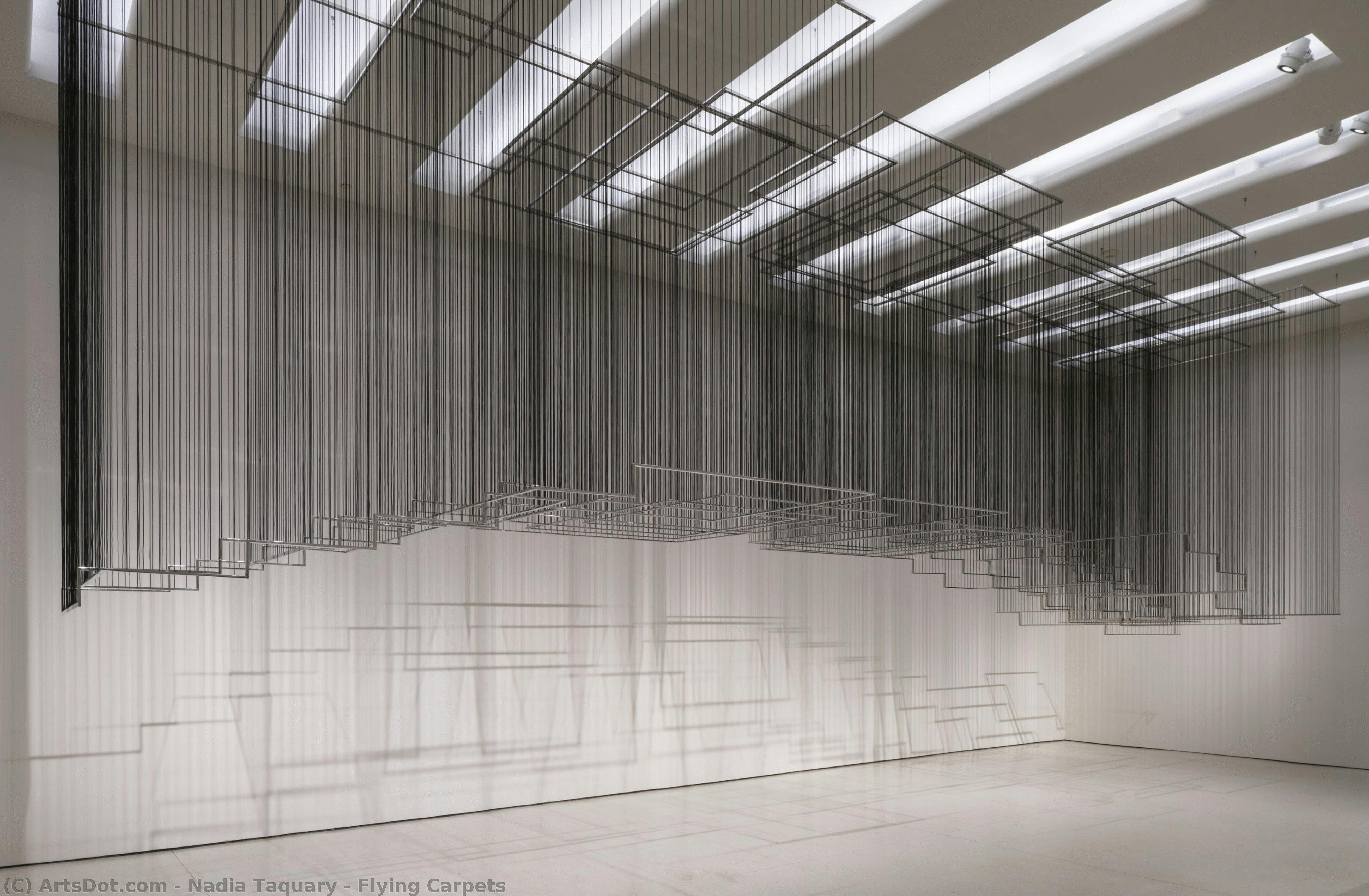
Flying Carpets

 Näytä lisää
Osta korkearesoluutioinen, parannettu digitaalikuva, joka on laadultaan huomattavasti parempi kuin verkkosivuston esikatselu.
Jokainen tiedosto valmistellaan huolellisesti omien asiantuntijoidemme toimesta käyttäen edistyneitä työkaluja ja ammattitaitoista manuaalista retusointia. Varmistamme, että jokaisessa kuvassa on poikkeuksellinen selkeys, tarkka värintoisto ja hienovaraiset yksityiskohdat.
Lopputiedosto toimitetaan sähköpostitse 72 tunnin kuluessa, ja se on optimoitu välittömään käyttöön ammattimaisissa, toimituksellisissa ja painoympäristöissä. Laatu on sama, johon huipputason suunnittelustudiot, kustantajat ja galleriat luottavat.
Digitaalinen kuva
Lataa korkearesoluutioinen tiedosto henkilökohtaiseen näyttelyyn, tulostamiseen ja luoviin projekteihin. ( Osta printti Osta käsintehty maalaus)
Sisältyy jokaiseen digitaalisen kuvan tilaukseen
Asiantunteva digitaalinen toimitus, taattuun laatuun
Kun valitset OriginalUniqueArt.com-palvelun, et saa vain kuvaa – saat ammattimaisesti parannetun digitaalisen taideteoksen, joka on luotu tarkkuudella ja jonka takaa tulee tyytyväisyystakuu. Tässä on kaikki, mitä tilauksesi sisältää, automaattisesti:

Nopea digitaalinen toimitus
Korkearesoluutioinen digitaalinen kuvatiedostosi lähetetään sähköpostiisi 72 tunnin kuluessa tilauksesta – valmiina käytettäväksi välittömästi.

Tekoälyllä parannettu digitaalinen tiedosto
Taiteilijasi teos on optimoitu ammattimaisesti edistyneiden tekoälytyökalujen ja manuaalisen muokkauksen avulla, mikä takaa maksimaalisen yksityiskohtaisuuden, selkeyden ja väritarkkuuden.

Ilmainen elinikäinen uudelleenlähetyspalvelu
Oletko vahingossa poistanut tai kadottanut tiedostosi? Ei hätää – lähetämme sen sinulle uudelleen milloin tahansa täysin maksutta.

Ei tuontimaksuja – koskaan
Nauti taiteestasi välittömästi ilman tulleja, veroja tai toimitusmaksuja – digitaaliset lataukset ovat aina verovapaita.

Värintoiston tarkkuustakuu
Varmistamme, että digitaalinen kuvasi vastaa alkuperäisiä värejä mahdollisimman tarkasti käyttämällä ammattilaistason työkaluja ja värinhallintaa.

60 päivän tyytyväisyystakuu
Jos et ole tyytyväinen digitaaliseen kuvaasi, muokkaamme sitä tai palautamme 100% takaisin 60 päivän kuluessa – ilman kysymyksiä.

100% Rahat takaisin -takuu
Etkö ole tyytyväinen? Saat täyden hyvityksen 60 päivän kuluessa digitaalisen tiedostosi vastaanottamisesta – ilman kyselyitä.

Suurtilaaja-alennukset
Osta 3 kuvaa, säästä 10% - Osta 5, säästä 15% - Osta 10+, säästä 20%. Erinomainen valinta luoviin projekteihin, gallerioille ja toimistoille.
Keräilykohteen kuvaus
Taiteilijan elämäkerta
Nádia Taquary: Echoes of the Sacred and Ancestral
Born in Salvador, Brazil, in 1967, Nádia Taquary’s artistic journey is deeply rooted in her Afro-Brazilian heritage. Her upbringing within Bahia, a region pulsating with the legacy of African traditions and colonial history, profoundly shaped her creative vision. Initially pursuing studies in literature and education – a seemingly disparate path that ultimately converged to inform her unique approach – Taquary's artistic practice emerged from a profound engagement with the sacred, ancestral narratives, and the enduring strength of Black women within Brazilian culture.
Taquary’s formal training included a postgraduate degree in Education, Aesthetics, Semiotics, and Culture from the Universidade Federal da Bahia (UFBA), providing her with a sophisticated theoretical framework for exploring the complex intersections of identity, religion, and artistic expression. This academic grounding, combined with her lived experience within Salvador's vibrant cultural landscape—a city renowned for its rich Afro-Brazilian traditions, including Candomblé religion and the legacy of enslaved Africans—forms the bedrock of her work.
The Language of Form: Materials and Symbolism
Taquary’s artistic language is characterized by a deliberate and evocative use of materials. She frequently employs bronze casting, drawing upon ancient African metalworking techniques while simultaneously imbuing her sculptures with a contemporary sensibility. Alongside bronze, she incorporates elements such as gold, silver, shells, straw, beads, and repurposed wood – often salvaged from demolished colonial structures—each carrying layers of historical and cultural significance. These materials aren’t merely chosen for their aesthetic qualities; they are carefully selected to resonate with the narratives she seeks to convey.
Central to Taquary's work is a deep engagement with symbolism, particularly that derived from Afro-Brazilian religious traditions, specifically Candomblé. She frequently references *orixás* – the deities of Yoruba origin—and their associated iconography. Her sculptures often depict these divine figures in dynamic poses, imbued with power and grace, while simultaneously referencing traditional adornments like *balangandãs*, elaborate waist ornaments worn by Black women during the colonial period. These pieces served as symbols of strength, fertility, and spiritual connection, reflecting the agency and resilience of enslaved African women.
Exploring Afro-Brazilian Heritage & Ancestral Connections
Taquary’s artistic exploration extends beyond mere representation; it's a deliberate act of reclamation and reinterpretation. Her work seeks to honor the often-silenced histories of Black women within Brazilian society, highlighting their pivotal roles in shaping religious traditions, preserving cultural knowledge, and maintaining spiritual connections to ancestral roots. She investigates the complex interplay between African cosmology and Brazilian syncretism, revealing how these diverse influences have converged to create a uniquely vibrant artistic and spiritual landscape.
Influenced by her family’s heritage—specifically the jewelry inherited from her grandmother—Taquary began researching the history of Afro-Brazilian adornments. This research led her to delve into the semiotics of West African and Brazilian religious culture, as well as Diaspora aesthetics, agency, and *orixá* legends. Her work speaks to a profound understanding of cultural memory, challenging colonial narratives and celebrating the enduring strength of Black identity.
Recognition & Legacy
Nádia Taquary’s artistic vision has garnered significant recognition both within Brazil and internationally. Her works have been exhibited in prestigious galleries and museums such as Galeria Leme and Galerie Agnès Monplaisir, solidifying her position as a leading voice in contemporary Afro-Brazilian art. Notably, her pieces are permanently held in the collections of institutions like the Museum of Modern Art of Bahia (MAM-BA), the Pinacoteca de São Paulo, Pérez Art Museum Miami – PAAM, and the Rio Art Museum – MAR, demonstrating the enduring value and impact of her artistic contributions.
Recent exhibitions further underscore Taquary’s continued engagement with her subject matter. She was featured in the 24th Sydney Biennial (2024), presented a solo exhibition “Ònà Irin: caminho de ferro” at the Rio Art Museum (MAR) in 2024, and continues to be recognized for her powerful exploration of Afro-Brazilian sacred traditions and ancestral heritage. Her work serves as a vital reminder of the richness and complexity of Brazilian culture, honoring its past while simultaneously forging a path toward a more equitable and inclusive future.

nadia taquary
1967 - , Brazil
Lyhyesti esiteltynä
- Artistic Movement Or Style: Afro-Brazilian art
- Date Of Birth: 1967
- Full Name: Nádia Taquary
- Nationality: Brazilian
- Notable Artworks:
- Roque José Florêncio...
- Flying Carpets
- Place Of Birth: Salvador, Brazil

