

 Katso seinällä
 Lähetä
 Jaa
Jaa
 Tarkemmat tiedot
 Opas
Opas

 Lataa kuva
 Samanlaisia kohteita
 Röntgenkuvaus
 Diaesitys
 Tilastot
Gerda Ahlborn
 Oil On Canvas
- WallArt
- Impressionism
 1890
1890- 19th Century
 34.0 x 31.0 cm
 Skagens Museum
 Lue lisää
Giclée- ja taideprintit
Museolaatuisia giclée- tai kankaitaulun tulosteita nopealla tuotannolla ja joustavilla viimeistelyvaihtoehdoilla. ( Tilaa käsinmaalattu jäljennös Siirry digitaaliseen kuvaan)




P118B $10

P118H $10

P118W $10

P438Z $10

P508JH $12

P508YH $12

P805H $10

P805Z $10

P919BZ $10

P919G $10

P919XJ $10

P959ZH $10

P968JZ $12

W106C $8

W218G $10

W218JH $8

W218Y $10

W307PJ $10

W316G $10

W316PJ $8

W316Y $10

W398PJ $8

W4111J $10

W500HY $15

W500JH $15

W692G $12

W849H $8

W940BG $15

W953PJ $8




Valitse valmiista mitoistamme sellaiset, jotka vastaavat teoksen alkuperäisiä mittasuhteita.

Voit syöttää omat mitat sopiaksesi tiettyyn kehykseen tai tilaan. Jos valittu koko ei vastaa alkuperäisen kuvan mittasuhteita, rajaamme teosta tai laajennamme kuvaa peilatulla tai yhtenäisellä reunalla. Digitaalinen mallikuva lähetetään hyväksyttäväksi ennen tuotannon aloittamista.
Huomaathan, että näytöllä näkyvä esikatselu ei vastaa lopullista rajausta tai laajennusta. Vain mallikuva näyttää lopullisen sommittelun tarkasti.
Vaikka räätälöityjä kokoja on saatavilla, suosittelemme valitsemaan mitat valmiista listasta alkuperäisten mittasuhteiden säilyttämiseksi.
Maailmanlaajuinen toimitus () 2 viikossa tavallisen 4–5 viikon sijaan. (26 syyskuu)

Ilmainen pikatoimitus ympäri maailman

Korkealaatuinen pellavakangas

Kattava kuljetusvakuutus

Tulliveron palautustakuu

Takuu täydellisestä värien vastaavuudesta

100 päivän palautusoikeus valmistusvirhetapauksissa

100% rahat takaisin -takuu

Määräalennus saatavilla
 Lasivaihtoehto on saatavilla vain alle 110 cm kokoisille teoksille

Gerda Ahlborn
Giclée- ja taideprintit
Replikaatin koko
-


Kokonaishinta
$ 80
A Moment Frozen in Light: The Impressionistic Grace of Gerda Ahlborn
In the quiet, evocative realm of late nineteenth-century Danish painting, few works capture the fleeting essence of a single moment as intimately as Michael Peter Ancher’s 1890 portrait, Gerda Ahlborn. This small, square oil painting serves as a breathtaking window into the soul of the Skagen era, moving away from the rugged, salt-sprayed realism for which Ancher is most famous to embrace a more delicate, impressionistic lyricism. The subject, captured in profile, wears a wide-brimmed white hat that dominates the upper composition, acting as a canvas for the play of natural light. Through his masterful use of light and shadow, Ancher does not merely depict a woman; he captures the very atmosphere of a sun-drenched afternoon, inviting the viewer to step into a world of quiet elegance and soft, luminous textures.
The technique employed in this piece is nothing short of visceral. Eschewing precise, clinical outlines, Ancher utilizes a thick, impasto-like application of oil paint that lends the work a remarkable three-dimensional quality. The brushstrokes are loose and expressive, creating a sense of immediacy and movement that suggests the artist was working with great speed to catch a shifting light. This textured approach is particularly evident in the brilliant whites and creams of the subject's hat, where layers of paint build up to create physical depth. These broken lines and simplified shapes allow the viewer's eye to complete the form, fostering a deeper psychological connection to the subject. The palette, though predominantly monochromatic in its use of whites and creams, is enriched by subtle, darker tones in the shadows that define the contours of the face, providing a structural weight to an otherwise ethereal composition.
Beyond its technical brilliance, Gerda Ahlborn carries a profound emotional resonance that makes it a timeless choice for discerning collectors and interior designers alike. While Ancher is often celebrated for his unflinching portrayals of the hardy Skagen fishermen, this portrait reveals his ability to capture the softer, more refined side of coastal life. The wide-brimmed hat serves as a subtle symbol of social grace and quiet sophistication, yet the sketch-like quality of the work maintains an air of raw, unpretentious honesty. For those looking to adorn a space with art, this piece offers a sense of serene movement and light. It is a work that does not demand attention through loud colors, but rather commands it through its ability to transform a room with its luminous, atmospheric presence, making it an exquisite centerpiece for any collection focused on the beauty of the Impressionist tradition.
Taiteilijan elämäkerta
The Soul of Skagen: The Life and Legacy of Michael Peter Ancher
Michael Peter Ancher stands as one of Denmark’s most celebrated realist painters, a master whose brushstrokes are inextricably linked to the artistic fervor of Skagen. This remote fishing village, nestled where the Baltic and North Seas converge in Jutland’s far north, served as more than just a subject for Ancher; it was the very heartbeat of his creative existence. His canvases pulsate with an immediacy that captures not merely visual likeness but also the visceral essence of human experience against the backdrop of rugged coastal landscapes. Through his eyes, we witness the quiet dignity of a community defined by its struggle and its harmony with the unpredictable forces of nature.
Born on June 9th, 1849, in Rutsker, Bornholm, Ancher’s early life was shaped by modest circumstances. While his father’s mercantile struggles curtailed much of his formal schooling, a profound artistic inclination began to emerge within him. This innate talent was nurtured by the keen eyes of fellow painters Theodor Philipsen and Vilhelm Groth, who recognized his potential during their expeditions to Skagen. Though he eventually enrolled at the Royal Danish Academy of Art in Copenhagen, Ancher’s spirit was too restless for the confines of strict academic formality. He chose to depart prematurely, prioritizing the raw, lived experience of his subjects over the polished requirements of graduation, a decision that would ultimately define his authentic approach to realism.
The Painter Colony and the Light of the North
Ancher’s formative years coincided with the rise of the Skagen Painter colony, an influential gathering of artists drawn to the village’s dramatic light and atmospheric shifts. This group, spearheaded by figures like Philipsen, fostered a spirit of collaboration and experimentation that profoundly shaped Ancher’s vision. Alongside his close friend Karl Madsen, Ancher helped cement a movement dedicated to capturing the unique spirit of the North. His life was also deeply intertwined with the social fabric of Skagen; in 1880, he married Anna Brøndum, a fellow artist and daughter of the proprietor of Brøndums Hotel. This union not only connected him to the heart of the local community but also placed him at the center of an artistic hub where creativity and daily life were indistinguishable.
The work of Ancher is characterized by an unflinching portrayal of Skagen’s fishermen—men who embodied courage, resilience, and a profound connection to their ancestral traditions. His technique avoids mere sentimentality, opting instead for a rugged realism that honors the grit and salt of the maritime life. In his paintings, one can almost feel the spray of the sea and the weight of the nets. He possessed a singular ability to render the textures of weathered skin, heavy wool, and the shifting sands of the coast, creating works that serve as both historical documents and emotional portraits of a vanishing way of life.
Historical Significance and Artistic Triumph
The enduring significance of Michael Peter Ancher lies in his ability to elevate the mundane struggles of a small fishing village into the realm of high art. He did not merely paint landscapes; he painted the soul of a people. His major achievements reside in his capacity to capture the tension between human vulnerability and the immense power of the sea. By focusing on the dignity of labor and the quiet moments of repose among the fishing families, he created a visual legacy that remains a cornerstone of Danish national identity.
Today, Ancher’s work continues to resonate with viewers who seek a connection to the authentic and the elemental. His contribution to the Skagen movement ensured that the light and life of Northern Jutland would be preserved for eternity. Through his mastery of light and shadow, he transformed the fleeting moments of coastal existence into timeless monuments of human endurance, securing his place as a titan of 19th-century realism.

michael peter ancher
1849 - 1927
Tietoa taiteilijasta
- Artistic Movement Or Style: Realism
- Artists Or Movements Influenced By This Artist: ['Skagen Painters']
- Artists Who Influenced This Artist:
- Wilhelm Groth
- Theodor Philipsen
- Date Of Birth: June 9, 1849
- Date Of Death: September 19, 1927
- Full Name: Michael Peter Ancher
- Nationality: Danish
- Notable Artworks:
- Will he round the point?
- The Drowned Fisherman
- The Lifeboat is Taken through the Dunes
- Place Of Birth: Rutsker, Bornholm Island
Aiheeseen liittyvät artikkelit

The Enduring Legacy of Oil on Canvas: Technique, History & Aesthetic Impact
Explore the rich history & techniques of oil painting – from Renaissance masters to Impressionism. Discover pigments, layering methods, and why this timeless medium endures. Expert insights for artists & art enthusiasts.

Oil on Canvas: A Historical & Technical Exploration of a Timeless Artistic Medium
Explore the rich history & enduring techniques of oil painting on canvas. Discover the science behind its longevity, conservation practices, and contemporary relevance. Expert insights for art enthusiasts.
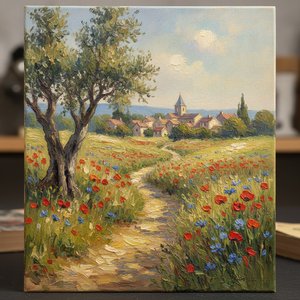
The Timeless Beauty of Oil on Panel: Capturing Light and Texture through the Impressionist Lens
Discover the exquisite depth of oil on panel. Explore how Impressionist masters captured light and texture through tactile brushwork, and learn how to bring these museum-quality, hand-painted masterpieces into your home with expert curation.

The Enduring Power of Painting: A Historical & Contemporary Exploration of Form and Emotion
Explore the rich history & enduring techniques of oil painting with OriginalUniqueArt. Discover masterpieces, learn about art collecting, and find authentic handmade reproductions crafted by skilled artists.

Anna Ancher: Capturing Light & Domesticity in the Skagen Tradition
Discover Anna Ancher (1859-1935), a leading figure of the Skagen Painters. Explore her captivating depictions of domestic life, masterful use of light, and lasting legacy in Danish Impressionism. Learn more at OriginalUniqueArt.