
 Esikatselu
 Jaa teos
 Jaa
Jaa
 Tiedot
 Opas
Opas

 Lataa kuva
 Samanlaisia kohteita
 Röntgenkuvaus
 Diaesitys
 Kysymykset ja vastaukset
 Tilastot
Rautasilta (Frankfurtin näkymä)

- 42.0 x 25.0 cm


 Lue lisää
Giclée- ja taideprintit
Museolaatuisia giclée- tai kankaitaulun tulosteita nopealla tuotannolla ja joustavilla viimeistelyvaihtoehdoilla. ( Osta käsinmaalattu taideteos Siirry digitaaliseen kuvaan)




P118B €10

P118H €10

P118W €10

P438Z €10

P508JH €12

P508YH €12

P805H €10

P805Z €10

P919BZ €10

P919G €10

P919XJ €10

P959ZH €10

P968JZ €12

W106C €8

W218G €10

W218JH €8

W218Y €10

W307PJ €10

W316G €10

W316PJ €8

W316Y €10

W398PJ €8

W4111J €10

W500HY €15

W500JH €15

W692G €12

W849H €8

W940BG €15

W953PJ €8




Valitse valmiista mitoistamme sellaiset, jotka vastaavat teoksen alkuperäisiä mittasuhteita.

Syötä tarvitsemasi leveys ja korkeus, jotta tuloste sopii kehyksiisi tai seinällesi. Tulostetta voidaan vain leikata, sitä ei voida koskaan suurentaa alkuperäistä kuvaa suuremmaksi, joten eri muotoinen koko aiheuttaa osan kuvasta katoamisen. Lähetämme sinulle digitaalisen mallikuvan hyväksyttäväksi ennen kuin aloitamme tulostuksen. Tällä sivulla näkyvä kuva ei näytä lopullista rajausta — vain mallikuva näyttää sen.
Maailmanlaajuinen toimitus () 2 viikossa tavallisen 4–5 viikon sijaan. (7 marraskuu)

Ilmainen pikatoimitus ympäri maailman

Korkealaatuinen pellavakangas

Kattava kuljetusvakuutus

Tulliveron palautustakuu

Takuu täydellisestä värien vastaavuudesta

100 päivän palautusoikeus (vain valmistusvirheet)

100% rahat takaisin -takuu

Määräalennus tarjolla
 Lasivaihtoehto on saatavilla vain alle 110 cm kokoisille teoksille

Rautasilta (Frankfurtin näkymä)
Giclée- ja taideprintit
Replikaatin koko
-


Kokonaishinta
€ 72
Der Dynamische Stadtbild Blick auf Frankfurt
Max Beckmanns „Der eiserne Steg“ (Die Eisenbrücke), entstanden 1922, ist ein beeindruckendes Werk der deutschen Expressionismus und bietet einen einzigartigen Einblick in die Atmosphäre einer Industriestadt im frühen 20. Jahrhundert. Das Gemälde fängt eine lebendige Szene ein, dominiert von einer imposanten Brückenkonstruktion, die sich durch das gesamte Bild zieht und somit einen zentralen Fokus bildet.
Beckmanns unverwechselbarer Stil vereint detaillierte Beobachtungsgabe mit kraftvollen Ausdrucksbewegungen – eine Kombination, die seinen besonderen Blick auf urbane Lebensbedingungen widerspiegelt. Er gilt als einer der wichtigsten Vertreter des deutschen Expressionismus und dessen Fähigkeit, Emotionen und subjektive Erfahrungen künstlerisch zu erfassen.
Expressionistische Meisterhaftigkeit und Farbgebung
Das Gemälde zeichnet sich durch eine außergewöhnliche Farbpalette aus, die warme Erdtoni mit kühlen Blau- und Grüntönen kontrastiert. Besonders auffällig ist die Darstellung der Brücke selbst, eingefärbt in Grautöne und Weiß, die einen starken Kontrast zum Hintergrund bildet und somit ein zentrales Element der Komposition darstellt. Beckmanns Verwendung von lebhaften Farben und dynamischen Linien vermittelt ein Gefühl von Bewegung und Energie und lässt das Stadtbild zum Leben erwachen.
Die Technik ist geprägt von einer beeindruckenden Impasto-Beschichtung, bei der die Farbe direkt auf die Leinwand aufgetragen wird und somit eine hohe Textur erzeugt. Diese Beschichtung betont zusätzlich die Ausdruckskraft der einzelnen Pinselstriche und verleiht dem Gemälde eine besondere Wärme und Tiefe.
Historischer Kontext und Symbolische Bedeutung
„Der eiserne Steg“ wurde nach den Ereignissen des Ersten Weltkriegs geschaffen und spiegelt Beckmanns neue Sichtweise auf die Menschheit und das Stadtleben wider. Die Brückenkonstruktion symbolisiert Verbindung und Fortschritt, während die industrielle Umgebung – dargestellt durch Fabrikschlachten und Rauchfahnen – eine kritische Reflexion über die Folgen der Industrialisierung darstellt.
Das Gemälde ist ein beeindruckendes Beispiel für Kunstgeschichte und zeigt nicht nur die künstlerischen Entwicklungen seiner Zeit auf, sondern auch die gesellschaftlichen Herausforderungen und Ängste einer Epoche. Es erinnert daran, dass Kunst eine Möglichkeit bietet, historische Ereignisse und kulturelle Werte zu interpretieren und zu reflektieren.
Ein Blick auf die Technik und Komposition
Die Komposition ist komplex und vielschichtig gestaltet und lenkt den Blick des Betrachters durch das gesamte Bild. Eine diagonale Linie zieht sich von oben nach unten entlang der Brücke und betont ihre zentrale Rolle im Gesamtbild. Beckmann verwendet eine Kombination aus geometrischen Formen und perspektivischen Perspektiven, um die Struktur der Stadt und insbesondere die Wirkung der Brücke zu verstärken.
Die Verwendung von großen Flächen und dynamischen Linien verleiht dem Gemälde einen besonderen Ausdrucksstärke und trägt dazu bei, dass es den Betrachter unmittelbar in die Szene hineinzieht. „Der eiserne Steg“ ist ein Meisterwerk der deutschen Expressionismus und eine beeindruckende Darstellung eines Stadtbildes im Kontext seiner Zeit.
Kysymykset ja vastaukset
Mihin käyttöön Max Beckmann:n "Rautasilta (Frankfurtin näkymä)" -teoksen reproduktio soveltuu?
Teoksen "Rautasilta (Frankfurtin näkymä)" painosteelle suositeltu käyttötapa on Seloste.
Onko Max Beckmann:n "Rautasilta (Frankfurtin näkymä)" yksi kysytyimmistä Cubist Cityscape -tyylin teoksista?
Cubist Cityscape-suuntauksen sisällä teoksella "Rautasilta (Frankfurtin näkymä)" on Tunnustettu suosio.
Millaista tunnelmaa "Rautasilta (Frankfurtin näkymä)" toisi tilaan?
Dramaattinen-tunnelmansa ansiosta "Rautasilta (Frankfurtin näkymä)" sopii erinomaisesti tilaan Olohuone.
Taiteilijan elämäkerta
early life and artistic development
Max Carl Friedrich Beckmann, a german painter, draftsman, printmaker, sculptor, and writer, was born on february 12, 1884, in leipzig, saxony. His artistic journey began with academically correct depictions—a reflection of the prevailing artistic sensibilities of his time—which later transformed into distorted figures and spaces. This dramatic shift wasn’t merely stylistic; it mirrored Beckmann's profound psychological reckoning following his service as a medical orderly during world war i, an experience that indelibly scarred him and fundamentally altered his perception of humanity. The trauma of the conflict fueled a desire to express the darker aspects of human existence—a preoccupation that would characterize much of his oeuvre.artistic style and influences
Beckmann’s distinctive artistic style emerged from a deep engagement with medieval stained glass imagery, absorbing its symbolic richness and expressive power. However, he wasn't solely bound by tradition; he actively sought inspiration from prominent artists who had shaped the visual landscape of his era. Georges Seurat’s meticulous observation of light and color served as a counterpoint to Vincent van Gogh’s emotionally charged brushstrokes—a dialogue between precision and passion that informed Beckmann’s artistic vision. Furthermore, he drew heavily from the works of Rembrandt, Bosch, Bruegel, and Rubens, artists who excelled in portraying human suffering and spiritual contemplation. These influences instilled in him a commitment to conveying complex emotions through visual language.notable works and exhibitions
Beckmann's artistic output is marked by several seminal pieces that exemplify his stylistic innovations and thematic concerns. “The Bark,” acquired by the national gallery in berlin, stands as a testament to his ability to capture the desolate beauty of nature—a motif recurring throughout his paintings. Equally compelling is “Self-Portrait in Tuxedo,” purchased in 1928, which offers an intimate glimpse into Beckmann’s inner life and artistic introspection. His retrospectives at the städtische kunsthalle mannheim (1928) and in basle and zurich (1930) cemented his reputation as a leading figure of German Expressionism and showcased the breadth of his artistic exploration.later life and exile
Beckmann’s personal trajectory took an abrupt turn with the ascendancy of Adolf Hitler, resulting in his dismissal from the art school in frankfurt—a devastating blow to his ambitions—and the confiscation of over 500 of his artworks by the nazis. Forced into self-imposed exile in amsterdam for ten years, Beckmann wrestled tirelessly for a visa to emigrate to the united states, a pursuit that ultimately proved unsuccessful. Despite these hardships, he continued to produce significant works during his exile period, demonstrating unwavering artistic dedication.legacy
Beckmann’s influence extends beyond his own lifetime, shaping subsequent generations of artists and contributing to the ongoing dialogue about art's role in confronting existential anxieties. He taught at the art schools of washington university in st. louis and the brooklyn museum—passing on his knowledge and fostering a new cohort of talent. His first retrospective in the united states took place in 1948 at the city art museum, saint louis—a pivotal moment recognizing his enduring artistic legacy. Max-slevogt galerie, germany continues to champion Beckmann’s oeuvre, ensuring that his powerful imagery remains accessible to audiences worldwide.
Max Beckmann
1884 - 1950 , Saksa
Pähkinänkuoressa
- Artistic Movement Or Style: Expressionismi
- Artists Or Movements Influenced By This Artist: ['Rembrandt']
- Artists Who Influenced This Artist:
- Georges Seurat
- Vincent van Gogh
- Date Of Birth: Helmikuu 12, 1884
- Date Of Death: Joulukuu 27, 1950
- Full Name: Max Carl Friedrich Beckmann
- Nationality: Saksa
- Notable Artworks:
- The Bark
- Itselättö
- Place Of Birth: Leipzig, Saksa
Aiheeseen liittyvät artikkelit

Max Beckmann: Navigating Trauma & Modernity Through a Distorted Lens
Explore the powerful world of Max Beckmann's art – a journey through trauma, modernity & distortion. Discover his key works, influences, and lasting legacy with expert analysis.

Saksan ekspressionismin 10 mestariteosta: Taidetta ja tunnetta kotiisi
Uppoudu Saksan ekspressionismin maailmaan! Tutustu 10 mestariteokseen – Kirchnerin voimakkaista väreistä Munchin tunteisiin. Löydä taidemaalauksien tarinat ja inspiroi sisustusta OriginalUniqueArt.com:ssa. Explore the full collection online!
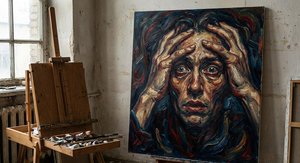
Figurative Expressionism: Emotional Intensity & Subjective Reality in 20th-Century Art
Explore the powerful world of Figurative Expressionism with OriginalUniqueArt. Discover key artists like Kirchner & Beckmann, understand its emotional depth, and learn how to collect this influential 20th-century art movement.
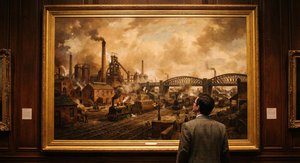
Teollisuuden tunnelmaa taiteessa: 10 mestariteosta kotiisi – OriginalUniqueArt.com
Tutustu 10 mestariteokseen, jotka vangitsevat teollisuuden tunnelman! Impressionismista kubismiin – taidemaalausten tarinat ja inspiraatio sisustukseen. Löydä täydellinen seinätaulu kotiisi OriginalUniqueArt.com:sta. Tutki kokoelma verkossa!

Max Ernstin 25 mestariteosta: Surrealismin syvyydet ja taidekodin inspiraatio
Tutustu Max Ernstin 25 vaikuttavimpaan mestariteokseen! Uppoudu surrealismin maailmaan, dadaismin juuriin ja taiteilijan psykologisiin visioihin. Löydä inspiraatiota kotiisi OriginalUniqueArt.com:sta – laadukkaat taideprintit ja julisteet.


