 Esikatselu
 Jaa teos
 Jaa
Jaa
 Tiedot
 Opas
Opas

 Lataa kuva
 Samanlaisia kohteita
 Röntgenkuvaus
 Diaesitys
 Kysymykset ja vastaukset
 Tilastot
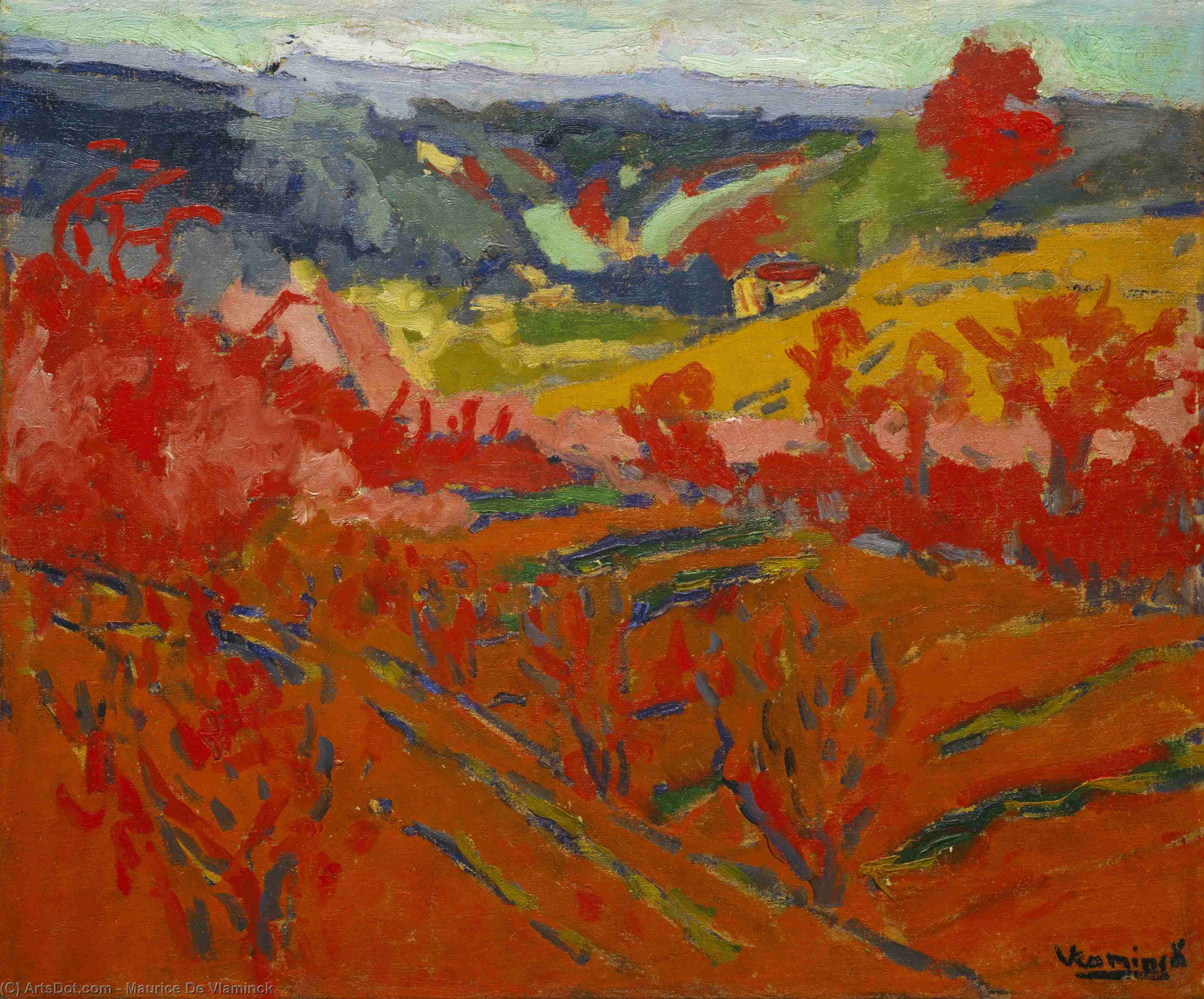
Autumn Landscape


 Lue lisää
Tällä sivulla esitettyä taideteosta suojaa tekijänoikeuslaki, mikä tarkoittaa, ettemme voi laillisesti luoda tai myydä täsmälleen samanlaista jäljennöstä. Tämä suoja toteutetaan kansainvälisten sopimusten, kuten esimerkiksi Berne-konventio ja kansallisilla laeilla, mukaan lukien niillä määritellyt Yhdysvaltain tekijänoikeuslaki – Luku 17. Kaikki oikeudet pidätetään. Luvaton kopiointi tai jäljittely on kielletty.
Tämä menetelmä noudattaa täysin tekijänoikeussäännöksiä, sillä se ei sisällä suojatun taideteoksen kopioimista tai jäljentämistä. Sen sijaan kyseessä on luova uudelleentulkinta – uusi maalaus, joka ammentaa vaikutteita alkuperäisestä, mutta ei ole sen identtinen kopio.
Giclée- ja taideprintit
Museolaatuisia giclée- tai kankaitaulun tulosteita nopealla tuotannolla ja joustavilla viimeistelyvaihtoehdoilla. ( Osta käsinmaalattu taideteos Siirry digitaaliseen kuvaan)




P118B €10

P118H €10

P118W €10

P438Z €10

P508JH €12

P508YH €12

P805H €10

P805Z €10

P919BZ €10

P919G €10

P919XJ €10

P959ZH €10

P968JZ €12

W106C €8

W218G €10

W218JH €8

W218Y €10

W307PJ €10

W316G €10

W316PJ €8

W316Y €10

W398PJ €8

W4111J €10

W500HY €15

W500JH €15

W692G €12

W849H €8

W940BG €15

W953PJ €8




Valitse valmiista mitoistamme sellaiset, jotka vastaavat teoksen alkuperäisiä mittasuhteita.

Syötä tarvitsemasi leveys ja korkeus, jotta tuloste sopii kehyksiisi tai seinällesi. Tulostetta voidaan vain leikata, sitä ei voida koskaan suurentaa alkuperäistä kuvaa suuremmaksi, joten eri muotoinen koko aiheuttaa osan kuvasta katoamisen. Lähetämme sinulle digitaalisen mallikuvan hyväksyttäväksi ennen kuin aloitamme tulostuksen. Tällä sivulla näkyvä kuva ei näytä lopullista rajausta — vain mallikuva näyttää sen.
Maailmanlaajuinen toimitus () 2 viikossa tavallisen 4–5 viikon sijaan. (7 marraskuu)

Ilmainen pikatoimitus ympäri maailman

Korkealaatuinen pellavakangas

Kattava kuljetusvakuutus

Tulliveron palautustakuu

Takuu täydellisestä värien vastaavuudesta

100 päivän palautusoikeus (vain valmistusvirheet)

100% rahat takaisin -takuu

Määräalennus tarjolla
 Lasivaihtoehto on saatavilla vain alle 110 cm kokoisille teoksille

Autumn Landscape
Giclée- ja taideprintit
Replikaatin koko
-


Kokonaishinta
€ 72
The Composition of Color and Form
In this 1905 oil on canvas, the landscape is constructed through distinct patches of saturated pigment. The foreground contains several scarlet tree shapes that appear as bright, vertical marks against a muddy brown field arranged in orderly rows. A pink road cuts through the lower portion of the scene, leading the eye toward an ochre yellow hillside. In the distance, two patches of electric blue are visible against the background. The application of paint is thick and visible, utilizing heavy brushstrokes that create a sense of movement across the surface. These strokes do not seek to replicate fine textures but instead use color to define the essential shapes of the trees, the earth, and the sky.
Fauvism and the Expression of Subjectivity
Created during the height of the Fauve movement, this work reflects a departure from the naturalistic light studies of Impressionism. The palette relies on non-naturalistic color choices to convey an emotional state rather than a literal representation of a French autumn. While the subject is a landscape, the use of a pink road and electric blue patches demonstrates the artist's intent to prioritize personal subjectivity over optical accuracy. This approach, characterized by intense color and simplified forms, aligns with the radical shifts seen in the 1905 Salon d'Automne exhibition. The technique relies on the tension between the heavy, spontaneous application of paint and the structured, almost geometric arrangement of the landscape elements.
Kysymykset ja vastaukset
Kenelle Maurice de Vlaminck:n "Autumn Landscape" sopii lahjaksi?
Lahjaksi Maurice de Vlaminck:n "Autumn Landscape" on suositeltava Seasonal Gift. Se sopii hyvin myös muihin tilaisuuksiin.
Milloin ja millä tekniikalla "Autumn Landscape" on tehty?
"Autumn Landscape" on valmistettu vuonna 1905 käyttäen Oil On Canvas-tekniikkaa. Materiaali ja päivämäärä kertovat, miten ja milloin alkuperäisteos on tehty.
Mihin kohtaan taidehistoriaa Maurice de Vlaminck:n "Autumn Landscape" sijoittuu?
Maurice de Vlaminck:n "Autumn Landscape" kuuluu Fauvism-suuntaukseen Modern-aikakaudella. Yhdessä ne antavat teokselle sen paikan taidehistoriassa.
Taiteilijan elämäkerta
Early Life and Career
Maurice de Vlaminck was born April 4th, 1876, in Paris, France – a city steeped in artistic tradition that would profoundly shape his creative journey. His father, Edmond Julien, instilled in him a love for music through violin instruction, while his mother from Lorraine nurtured his musical sensibilities with piano lessons. This early exposure to the arts cultivated within him an instinctive and passionate approach to visual expression, setting the stage for his remarkable artistic development. He began painting around the age of twenty, embarking on a path that would ultimately redefine Fauvist art. Initially self-taught, Vlaminck honed his skills through tireless experimentation and observation—a characteristic that permeated throughout his entire oeuvre.The Fauvist Movement and Artistic Style
Maurice de Vlaminck stands as one of the cornerstone figures of the Fauvist movement (1904–1908), a revolutionary artistic endeavor that irrevocably altered the landscape of early 20th-century painting. Alongside André Derain and Henri Matisse, he formed an influential trio who challenged the conventions of Impressionism and Academic art alike. The Fauves—meaning “wild beasts”—rejected naturalistic representation in favor of bold color palettes and simplified forms—a daring decision that shocked Parisian audiences at the time. Vlaminck’s artistic style is instantly recognizable by its distinctive features:- Bold Color Choices: He eschewed muted tones, opting instead for vibrant hues – crimson reds, sapphire blues, lemon yellows – to convey emotion and psychological depth rather than mirroring reality accurately. These colors weren't merely decorative; they pulsed with an inner vitality that mirrored Vlaminck’s own fervent spirit.
- Energetic Brushwork: Thick, visible brushstrokes dominated his canvases—a technique born from a desire to capture movement and spontaneity. Each stroke seemed imbued with palpable energy, conveying the artist's immediate response to his subject matter.
- Simplified Forms: Vlaminck reduced landscapes and objects to their essential shapes, prioritizing expressive power over meticulous detail. This stylistic choice allowed him to distill the essence of a scene—its mood and atmosphere—into its purest form.
Influences and Artistic Development
Vlaminck’s artistic vision was undeniably shaped by the legacy of Impressionism—particularly Monet’s exploration of light and atmosphere—but he found an even deeper inspiration in Vincent van Gogh. A visit to a Van Gogh exhibition ignited within him an ardent admiration for the artist's expressive brushwork and profound emotional intensity. This influence is palpable throughout Vlaminck’s paintings, where swirling textures and emotionally charged colors echo Van Gogh’s stylistic hallmarks. Cézanne’s geometric simplification of form also exerted considerable sway over Vlaminck’s artistic sensibilities—particularly after 1908—leading him to adopt a more monochromatic palette reminiscent of Cézanne's explorations of tonal harmony.Major Achievements and Historical Significance
Vlaminck’s participation in the Salon des Refusés (1905) – where his paintings were rejected by the official jury – solidified his position as a champion of artistic rebellion and cemented Fauvism’s place within the broader context of modern art. His canvases—such as “Bougival” and “The Bridge at Chatou”—became emblems of this groundbreaking movement, capturing the dynamism of rural landscapes with unparalleled vibrancy. Vlaminck's work continues to resonate today because it embodies a rare blend of spontaneity, passion, and technical mastery—a testament to his enduring contribution to artistic history. He bridged the gap between Impressionism and Expressionism, propelling art forward into uncharted territories.Legacy and Available Works
Today, Maurice de Vlaminck’s paintings reside in prestigious museums across Europe and North America – a tangible reminder of his indelible mark on the art world. His canvases—characterized by their bold colors and energetic brushstrokes—remain highly sought after by collectors eager to experience the visceral power of Fauvist art. OriginalUniqueArt offers a curated selection of Vlaminck’s masterpieces, allowing visitors to immerse themselves in the captivating beauty of his artistic vision.
Maurice de Vlaminck
1876 - 1958 , Ranska
Pähkinänkuoressa
- Artistic Movement Or Style: Fauvismi
- Artists Who Influenced This Artist: ['Vincent van Gogh']
- Date Of Birth: 4. huhtikuuta 1876
- Date Of Death: 11. lokakuuta 1958
- Full Name: Maurice de Vlaminck
- Nationality: Ranskalainen
- Notable Artworks:
- Sur le zinc
- L'homme à la pipe
- Place Of Birth: Pariisi, Ranska
Aiheeseen liittyvät artikkelit

Golden Hues & Crimson Leaves: Capturing the Magic of Autumn Colors in Fine Art
Embark on a visual journey through the golden hues of autumn fine art. Discover how masters like Van Gogh capture seasonal magic through vibrant oil landscapes and explore expert tips for collecting timeless autumnal masterpieces.
Top 10 mestariteosta sienisävyissä – Taidetta kotiisi OriginalUniqueArt.com
Uppoudu 10 tunnetuimman maalauksen maailmaan, joita hallitsevat sienisävyt! Tutustu Van Goghin, Monetin ja Cézannen mestariteoksiin. Löydä inspiraatiota kodin sisustukseen OriginalUniqueArt.com – taideprinttejä museo-laadulla.

John Constablein 25 mestariteosta: Taidetta ja tunnelmaa kotiisi – OriginalUniqueArt.com
Tutustu John Constable'n 25 mestariteokseen – romanttisia maisemamaalauksia, jotka vangitsevat englantilaisen luonnon tunnelman. Taidehistoriaa ja inspiraatiota kotiisi OriginalUniqueArt.com:ssa. Löydä kaikki taideteokset verkossa!

Evocations of Place: A Historical Journey Through Landscape Art
Explore the rich history of landscape art with OriginalUniqueArt. Discover renowned artists, movements like Impressionism & Romanticism, and expert guidance for collecting timeless pieces. Find your perfect serene escape today!

Romanttisen maisemamaalauksen mestariteokset: Taidetta ja inspiraatiota kotiin
Uppoudu romanttisen maisemamaalauksen maailmaan! Tutustu Caspar David Friedrichin, Turnerin ja muiden mestareiden ikonisiin teoksiin. Löydä inspiraatiota kotiisi taiteen avulla OriginalUniqueArt.comista – laadukkaat taideprintit ja sisustusideoita.