

 Esikatselu
 Jaa teos
 Jaa
Jaa
 Tiedot
 Opas
Opas

 Lataa kuva
 Samanlaisia kohteita
 Röntgenkuvaus
 Diaesitys
 Q&A
Q&A Tilastot
Wedding at Cana
 Acrylic On Canvas
- WallArt
- Baroque
 1655
1655 203.0 x 226.0 cm
 National Gallery
 Lue lisää
Saat tulostusvalmiin tiedoston, jonka laatu ylittää verkkonäkymän huomattavasti. Jokainen myymämme digitaalinen kuva on peräisin arkistomme korkearesoluutioisesta mestariteoksesta — yleensä 5 000–15 000 pikselin levyisenä — joten voit tulostaa suuria kokoja, rajata tiukasti tai toistaa hienovaraiset yksityiskohdat luottavaisin mielin.
Mikään tiedosto ei lähde studiostamme muuttamatta. Digitaalinen asiantuntija vertaa värejä alkuperäiseen maalaukseen ja korjaa niitä tarvittaessa, minkä jälkeen hän parantaa kuvan selkeyttä ja yksityiskohtia ammattimaisilla retusointityökaluilla — säilyttäen aina uskollisena taiteilijan siveltimenjäljen ja tyylin. Lopputuloksena on kuva, joka näyttää maalaukselta, eikä suodatetulta skannaukselta.
Hyväksyt työn ennen valmistumistaan: asiantuntijamme lähettää kuvan tarkistettavaksi sähköpostitse 72 tunnin kuluessa. Etkö ole tyytyväinen? Pyydä parannuksia tai korjauksia, tai pyydä hyvitystä, mikäli laatu ei vastaa odotuksia.
Tämä on laatua, johon kustantamot, design-studiot, galleriat ja painotalot luottavat.
Digitaalinen kuva
Lataa korkearesoluutioinen tiedosto henkilökohtaiseen näyttelyyn, tulostamiseen ja luoviin projekteihin. ( Vaihda tulosteeseen Osta käsinmaalattu taideteos)
Sisältyy jokaiseen digitaalisen kuvan tilaukseen
Asiantunteva digitaalinen toimitus, laatu taattu
Kun valitset OriginalUniqueArt.com-palvelun, et saa vain kuvaa – saat ammattimaisesti viimeistellyn digitaalisen taideteoksen, joka on luotu tarkkuudella ja jonka takaa tulee tyytyväisyystakuu. Tässä on kaikki, mitä tilauksesi sisältää, automaattisesti:

Nopea sähköpostitoimitus
Saat korkearesoluutioisen digitaalisen kuvatiedostosi sähköpostiisi 72 tunnin kuluessa tilauksesta – valmiina käytettäväksi välittömästi.

Tekoälyllä parannettu digitaalinen tiedosto
Teoksesi on optimoitu ammattimaisesti edistyneiden tekoälytyökalujen ja manuaalisen jälkikäsittelyn avulla, mikä takaa maksimaalisen yksityiskohtaisuuden, selkeyden ja väritarkkuuden.

Ilmainen uudelleenlähetys elinikäisesti
Oletko vahingossa poistanut tai kadottanut tiedostosi? Ei hätää – lähetämme sen sinulle uudelleen milloin tahansa täysin maksutta.

Ei tuontimaksuja – koskaan
Nauti taiteestasi välittömästi ilman tullimaksuja, veroja tai toimituskuluja – digitaaliset lataukset ovat aina verovapaita.

Värintoiston tarkkuustakuu
Varmistamme, että digitaalinen kuvasi vastaa alkuperäisiä värejä mahdollisimman tarkasti käyttämällä ammattilaistason työkaluja ja värinhallintaa.

100 päivän tyytyväisyystakuu
Jos et ole tyytyväinen digitaaliseen kuvaasi, muokkaamme sitä tai palautamme 100% hinnan 100 päivän kuluessa – kysymystä ei esitetä.

100% Rahat takaisin -takuu
Et ole tyytyväinen? Saat täyden hyvityksen 100 päivän kuluessa digitaalisen tiedostosi vastaanottamisesta – kysymystä ei esitetä.

Määräalennukset
Osta 3 kuvaa, säästä 10% - Osta 5, säästä 15% - Osta 10+, säästä 20%. Erinomainen valinta luoviin projekteihin, gallerioille ja toimistoille.
Mattia Preti’s Wedding at Cana: A Testament to Divine Grace
The painting “Wedding at Cana” by Mattia Preti, completed in 1655-60, transcends mere depiction; it embodies the profound spiritual significance of Baroque art and serves as a poignant reminder of faith's transformative power. Executed during Preti’s prolific period in Malta—a nation deeply invested in Catholic piety—this monumental canvas captures a pivotal biblical narrative with breathtaking realism and masterful compositional artistry. The artwork resides within The National Gallery, London, offering visitors an unparalleled opportunity to experience the artist’s genius firsthand.A Dramatic Encounter Between Tradition and Revelation
Mattia Preti's artistic journey began under Giovanni Battista Caracciolo, immersing him in the influential Caravaggist style characterized by dramatic chiaroscuro—the masterful manipulation of light and shadow—a technique that would permeate his entire oeuvre. Before relocating to Rome in 1630, he honed his skills alongside fellow artists, absorbing the stylistic innovations championed by Caravaggio and Guercino, figures who fundamentally reshaped artistic expression during their time. This formative experience instilled within Preti an unwavering dedication to portraying human emotion with unflinching honesty and conveying spiritual truths through visual grandeur.Technical Brilliance: Baroque Composition and Color Palette
The painting’s execution showcases Preti's exceptional technical prowess. Employing oil on canvas, he meticulously rendered the scene with painstaking detail, capturing the textures of fabrics, faces, and foliage alike. The artist skillfully utilized a rich color palette—dominated by warm reds and golds—to illuminate the festive atmosphere and emphasize the central miracle. Furthermore, Preti’s masterful compositional arrangement guides the viewer's gaze towards the focal point: Jesus transforming water into wine, symbolizing divine grace overcoming earthly limitations. Careful attention to perspective contributes to the illusion of depth, immersing the spectator in the immediacy of the biblical event.Symbolism Rooted in Christian Theology
Beyond its aesthetic beauty, “Wedding at Cana” resonates with profound theological symbolism. The wedding feast itself represents the sacrament of marriage—a cornerstone of Christian faith—and symbolizes the divine blessing bestowed upon humankind. Jesus’ intervention underscores God's compassion and his willingness to intervene in human affairs to fulfill promises made millennia ago. The miracle serves as an allegory for overcoming adversity and achieving spiritual fulfillment, mirroring the broader narrative arc of salvation history. As interpreted by Bishop Fulton J. Sheen, Preti’s depiction captures a moment of grace—a foreshadowing of Christ's ultimate triumph over death—making it a timeless emblem of faith’s transformative potential.Emotional Resonance: Capturing Joyful Celebration and Divine Wonder
The painting’s emotional impact is undeniable. The artist skillfully conveys the palpable joy of the wedding guests, their expressions reflecting delight and amazement at the miraculous transformation unfolding before their eyes. Preti's portrayal captures not merely a visual spectacle but also the spiritual fervor associated with encountering God’s divine presence—a feeling that continues to inspire viewers centuries later. “Wedding at Cana” stands as an enduring testament to Baroque art’s ability to evoke profound emotion and illuminate the deepest truths of Christian belief.Kysymykset ja vastaukset
Kuinka tunnettu on Mattia Pretin teos "Wedding at Cana"?
"Wedding at Cana" on luokiteltu kategoriaan Iconic.
Mikä sijoittelu sopii teoksen Mattia Preti:n "Wedding at Cana" formaattiin?
Muoto (Landscape) ja suositeltu tila (Hotel Lobby) ovat teokselle Mattia Preti:n "Wedding at Cana" ilmoitetut sijoittelutiedot.
Mihin vaiheeseen Mattia Pretiin uraa teos "Wedding at Cana" (1655) kuuluu?
Vuosiluku 1655 sijoittaa teoksen "Wedding at Cana" Mattia Preti:n kehityksen Mature Baroque-vaiheeseen.
Taiteilijan esittely
Mattia Preti (1613 – 1699): The Calabrian Knight of the Baroque
Mattia Preti, known as *Il Cavalier Calabrese* – the Calabrian Knight – stands as a monumental figure in 17th-century Italian Baroque painting. Born in Taverna, Calabria, on February 24, 1613, his artistic journey was one of remarkable transformation and evolution, absorbing diverse influences and culminating in a uniquely expressive style that profoundly impacted the art world, particularly in Malta where he spent much of his later life. Preti’s early training began under Giovanni Battista Caracciolo, a painter deeply rooted in the Caravaggist movement – a lineage that would forever shape his artistic vision. This foundational exposure instilled within him an acute understanding of dramatic *chiaroscuro* – the intense interplay of light and shadow – and a commitment to realistic depiction that remained central to his work throughout his career.
Before 1630, he joined his brother Gregorio in Rome, immersing himself completely in the vibrant artistic atmosphere of the city. Here, he studied under the masters who defined the era: Caravaggio, Guercino, Rubens, Guido Reni, and Giovanni Lanfranco. This period wasn’t merely about imitation; it was a crucial process of synthesis, where Preti absorbed the techniques and philosophies of these giants, gradually forging his own distinctive voice.
Forging a Dynamic Style: Beyond Caravaggism
Preti's artistic development wasn't simply a mimicry of his predecessors; it was a masterful integration of diverse influences into a style uniquely his own. While initially deeply influenced by Caravaggism, he skillfully moved beyond its strict confines, embracing the dynamism and emotional intensity that characterized the High Baroque. His time in Naples further refined this evolution, exposing him to the vibrant work of Luca Giordano – a painter known for his exuberant color palettes and dramatic compositions.
This period saw Preti’s canvases swell with energetic movement, complex compositions, and a heightened sense of drama. He masterfully employed dramatic contrasts of light and shadow, inherited from Caravaggio, not simply as a technical device but as a means of intensifying emotional impact and guiding the viewer's eye. His figures are imbued with palpable emotion – piety, anguish, ecstasy – conveyed through expressive faces and dynamic body language. This ability to evoke powerful feelings became a defining characteristic of his oeuvre. He wasn’t content merely to depict scenes; he sought to *animate* them, breathing life into biblical narratives and religious iconography.
Major Commissions and Artistic Achievements
Mattia Preti's exceptional talent quickly garnered recognition, leading to a series of significant commissions throughout Italy. Early in his career, he created impressive fresco cycles for Roman churches like Sant’Andrea della Valle and San Carlo ai Catinari, demonstrating an aptitude for large-scale decorative painting. His work at the church of San Biagio in Modena showcased his ability to adapt his style to different architectural settings.
However, some of his most ambitious – though sadly lost – works were the frescoes he painted on seven city gates in Naples depicting the Virgin or saints delivering people from the plague. Though only sketches remain today, they testify to the scale and impact of these monumental creations. These commissions weren’t simply about fulfilling a patron's request; they were opportunities for Preti to engage with the religious and cultural life of the communities he served, imbuing his art with meaning and purpose.
The Maltese Zenith: St. John’s Co-Cathedral
It was in Malta, however, that Mattia Preti reached the pinnacle of his artistic achievement. Appointed a Knight of the Order of Saint John in 1660, he embarked on a transformative project: the complete redecoration of the interior of St. John’s Co-Cathedral in Valletta. This undertaking – arguably his most significant legacy – involved an astonishing series of paintings depicting the life and martyrdom of Saint John the Baptist.
The sheer scale of the project is breathtaking; Preti essentially created a visual narrative that enveloped the viewer, immersing them in the story of the saint. The opulent Baroque setting provided the perfect canvas for his dramatic style, and the resulting artwork cemented his reputation as one of Europe’s leading painters. His work at St. John's wasn’t merely decorative; it was an act of devotion, a testament to his faith, and a powerful expression of the Order’s religious identity.
A Lasting Legacy
Mattia Preti continued to receive commissions from across Europe following his success in Malta, solidifying his position as a leading figure in Italian Baroque art. He died in 1699, leaving behind a rich artistic legacy that continues to inspire and captivate audiences today. His masterful use of light and shadow, dynamic compositions, and ability to convey intense emotion remain hallmarks of his style. His contributions are preserved in museums such as the Capodimonte Museum in Naples, and through reproductions made available by platforms like OriginalUniqueArt.com, ensuring that his art continues to reach new generations. The enduring impact of Preti’s work is perhaps most vividly felt within the walls of St. John's Co-Cathedral, a breathtaking testament to his artistic genius and unwavering dedication to the Baroque aesthetic.
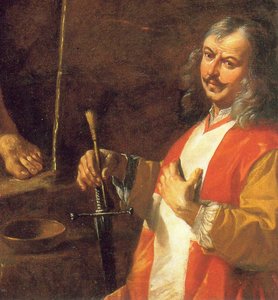
Mattia Preti
1613 - 1699 , Italia
Pähkinänkuoressa
- Artistic Movement Or Style: Barokki
- Artists Or Movements Influenced By This Artist: ['Stringa']
- Artists Who Influenced This Artist:
- Caravaggio
- Guercino
- Date Of Birth: 24 feb 1613
- Date Of Death: 3 jan 1699
- Full Name: Mattia Preti
- Nationality: Italian
- Notable Artworks:
- Absalomin juhla
- Jael tappaa Sisara
- Place Of Birth: Taverna, Italia