
 Esikatselu
 Jaa teos
 Jaa
Jaa
 Tiedot
 Opas
Opas

 Lataa kuva
 Samanlaisia kohteita
 Röntgenkuvaus
 Diaesitys
 Kysymykset ja vastaukset
 Tilastot
No Interviews, Please

- 30.0 x 22.0 cm


 Lue lisää
Saat tulostusvalmiin tiedoston, jonka laatu ylittää verkkonäkymän huomattavasti. Jokainen myymämme digitaalinen kuva on peräisin arkistomme korkearesoluutioisesta mestariteoksesta — yleensä 5 000–15 000 pikselin levyisenä — joten voit tulostaa suuria kokoja, rajata tiukasti tai toistaa hienovaraiset yksityiskohdat luottavaisin mielin.
Mikään tiedosto ei lähde studiostamme muuttamatta. Digitaalinen asiantuntija vertaa värejä alkuperäiseen maalaukseen ja korjaa niitä tarvittaessa, minkä jälkeen hän parantaa kuvan selkeyttä ja yksityiskohtia ammattimaisilla retusointityökaluilla — säilyttäen aina uskollisena taiteilijan siveltimenjäljen ja tyylin. Lopputuloksena on kuva, joka näyttää maalaukselta, eikä suodatetulta skannaukselta.
Hyväksyt työn ennen valmistumistaan: asiantuntijamme lähettää kuvan tarkistettavaksi sähköpostitse 72 tunnin kuluessa. Etkö ole tyytyväinen? Pyydä parannuksia tai korjauksia, tai pyydä hyvitystä, mikäli laatu ei vastaa odotuksia.
Tämä on laatua, johon kustantamot, design-studiot, galleriat ja painotalot luottavat.
Digitaalinen kuva
Lataa korkearesoluutioinen tiedosto henkilökohtaiseen näyttelyyn, tulostamiseen ja luoviin projekteihin. ( Vaihda tulosteeseen Osta käsinmaalattu taideteos)
Sisältyy jokaiseen digitaalisen kuvan tilaukseen
Asiantunteva digitaalinen toimitus, laatu taattu
Kun valitset OriginalUniqueArt.com-palvelun, et saa vain kuvaa – saat ammattimaisesti viimeistellyn digitaalisen taideteoksen, joka on luotu tarkkuudella ja jonka takaa tulee tyytyväisyystakuu. Tässä on kaikki, mitä tilauksesi sisältää, automaattisesti:

Nopea sähköpostitoimitus
Saat korkearesoluutioisen digitaalisen kuvatiedostosi sähköpostiisi 72 tunnin kuluessa tilauksesta – valmiina käytettäväksi välittömästi.

Tekoälyllä parannettu digitaalinen tiedosto
Teoksesi on optimoitu ammattimaisesti edistyneiden tekoälytyökalujen ja manuaalisen jälkikäsittelyn avulla, mikä takaa maksimaalisen yksityiskohtaisuuden, selkeyden ja väritarkkuuden.

Ilmainen uudelleenlähetys elinikäisesti
Oletko vahingossa poistanut tai kadottanut tiedostosi? Ei hätää – lähetämme sen sinulle uudelleen milloin tahansa täysin maksutta.

Ei tuontimaksuja – koskaan
Nauti taiteestasi välittömästi ilman tullimaksuja, veroja tai toimituskuluja – digitaaliset lataukset ovat aina verovapaita.

Värintoiston tarkkuustakuu
Varmistamme, että digitaalinen kuvasi vastaa alkuperäisiä värejä mahdollisimman tarkasti käyttämällä ammattilaistason työkaluja ja värinhallintaa.

100 päivän tyytyväisyystakuu
Jos et ole tyytyväinen digitaaliseen kuvaasi, muokkaamme sitä tai palautamme 100% hinnan 100 päivän kuluessa – kysymystä ei esitetä.

100% Rahat takaisin -takuu
Et ole tyytyväinen? Saat täyden hyvityksen 100 päivän kuluessa digitaalisen tiedostosi vastaanottamisesta – kysymystä ei esitetä.

Määräalennukset
Osta 3 kuvaa, säästä 10% - Osta 5, säästä 15% - Osta 10+, säästä 20%. Erinomainen valinta luoviin projekteihin, gallerioille ja toimistoille.
A Window into Emotion: Exploring Marlene Dumas's Artistic Vision
Marlene Dumas (b. 1953) stands as a singular voice in contemporary art—a painter whose work transcends mere visual representation, delving into the depths of human experience with unflinching honesty and profound sensitivity. Her oeuvre is characterized by a distinctive approach: she eschews grand narratives or overtly expressive gestures, instead favoring meticulously crafted portraits that capture fleeting moments of emotion and subtly convey complex psychological states.
- Subject Matter: Dumas’s subjects—often anonymous figures—are presented with remarkable immediacy. These aren't idealized representations but raw glimpses into human vulnerability, confronting viewers with uncomfortable truths about identity and perception.
- Style: Her style leans heavily toward Minimalism, prioritizing stark simplicity in composition and color palettes. This deliberate restraint serves to amplify the emotional impact of her images, forcing us to confront the unspoken narratives residing beneath the surface.
Acrylic on Paper: Technique and Texture
Dumas’s favored medium is acrylic paint applied onto paper—a choice that lends itself beautifully to capturing subtle textures and tonal variations. The artist employs a technique of layering thin washes of color, often combined with pencil sketches or crayon marks, creating surfaces that appear deceptively calm yet harbor considerable depth.
- Material Choice: The use of paper is significant; it embodies fragility and impermanence—themes recurrent throughout Dumas’s artistic explorations.
- Layering Technique: Her meticulous layering process allows for nuanced gradations of color, mirroring the complexities of human emotion and memory.
Echoes of Apartheid and Sociopolitical Reflection
Born in Cape Town during the era of apartheid—a period marked by institutionalized racial segregation and oppression—Dumas’s formative years instilled within her a deep awareness of social injustice. This experience profoundly informs her artistic vision, prompting her to grapple with questions of race, sexuality, and the psychological burden of existence.
Early Influences: Her upbringing on her father's vineyard witnessed firsthand the divisions inherent in South African society—a landscape simultaneously beautiful and scarred by history. This early exposure fueled her desire to portray human subjects not as symbols of societal ideals but as individuals grappling with their own internal struggles.Symbolism Beyond Surface Appearance
Despite its apparent simplicity, Dumas’s work is laden with symbolic resonance. The portraits themselves serve as conduits for exploring themes of loss, longing, and unspoken desires—capturing the elusive essence of human experience. Her images invite contemplation and provoke questions about how we perceive ourselves and our relationships to others.
- Recurring Motifs: Recurring motifs—such as fragmented faces and ambiguous gestures—suggest a preoccupation with the fractured nature of identity and the difficulty of articulating emotion.
- Emotional Resonance: Ultimately, Dumas’s art succeeds in conveying a palpable sense of melancholy and vulnerability—a testament to her ability to capture the profound emotional truths that lie beneath the veneer of everyday life.
Kysymykset ja vastaukset
Mistä voin löytää teoksia, jotka muistuttavat teosta Marlene Dumas:n "No Interviews, Please"?
Teokset, jotka muistuttavat teosta "No Interviews, Please", löytyvät sen Samankaltaisia teoksia -sivulta.
Mistä voin ladata teoksen Marlene Dumas:n "No Interviews, Please"?
Teos "No Interviews, Please" on ladattavissa: teoksen Lataa digitaalinen kuva -sivulta löytyy korkearesoluutioinen digitaalinen kuvalataus.
Voinko nähdä teoksen Marlene Dumas:n "No Interviews, Please" omalla seinälläni ennen ostopäätöstä?
Teoksen Marlene Dumas:n "No Interviews, Please" Tarkastele teosta AR-tilassa sivu käyttää lisättyä todellisuutta näyttääkseen teoksen omassa tilassasi yhteensopivalla laitteella.
Taiteilijan esittely
A Life Shaped by Landscape and Sociopolitical Currents
Marlene Dumas, born in 1953 in Cape Town, South Africa, is a painter whose work resonates with an emotional depth rarely encountered in contemporary art. Her upbringing amidst the stark realities of apartheid profoundly shaped her artistic vision, instilling within her a keen awareness of social injustice and the complexities of human identity. Growing up on her father’s vineyard in Kuils River, she witnessed firsthand the divisions and inequalities that defined South African society during those years—a landscape both beautiful and burdened by history. This early exposure to a fractured world would become a recurring theme throughout her career, informing her exploration of race, sexuality, and the psychological weight of existence. Dumas’s formal artistic journey began at the University of Cape Town in 1972, where she pursued a Bachelor of Fine Arts degree alongside studies in ethics. This combination proved crucial, laying the groundwork for an art practice deeply concerned with moral questions and the human condition. She later continued her education at Ateliers ‘63 in Haarlem, Netherlands, relocating to Amsterdam in 1976—a move that marked a significant shift in both her geographical location and artistic perspective. Further academic pursuits in psychology at the University of Amsterdam between 1979-1980 would further refine her ability to portray inner states with remarkable sensitivity.Early Life and Education
Dumas’s formative years were indelibly shaped by the pervasive influence of apartheid—a system of racial segregation that dominated South African life for decades. Her father, Petrus Johannes Dumas, cultivated a vineyard in Kuils River, providing her with a tangible connection to the land and its history. However, this idyllic setting existed alongside the harsh realities of discrimination and oppression, fostering within Dumas a profound understanding of social injustice. Witnessing firsthand the disparities between white and black communities instilled in her a moral compass that would guide her artistic endeavors throughout her life. She enrolled at the University of Cape Town in 1972, earning a Bachelor of Fine Arts degree alongside studies in ethics—a dual focus that underscored her commitment to intellectual rigor and moral contemplation. This grounding in philosophical inquiry proved invaluable as she embarked on her artistic path.The Evolution of a Distinctive Style
Dumas’s artistic development has been characterized by an unwavering questioning of representation and a willingness to confront uncomfortable truths. Initially, her work directly confronted the political climate of apartheid, reflecting her identity as a white woman grappling with the ethical dilemmas inherent in living within such a system. However, she swiftly transcended purely political statements, delving into more universal themes—the vulnerability of human existence, the allure of desire, and the sorrow of loss. Influenced by the expressive traditions of Romanticism—particularly artists like Édouard Manet and Rembrandt—Dumas developed a distinctive style marked by loose brushstrokes, distorted figures, and an evocative use of color. She often begins her paintings with reference material drawn from diverse sources: Polaroid photographs of her friends and lovers, magazine clippings featuring erotic imagery, and even fragments of pornographic films. These images serve not merely as subjects but as catalysts for exploring emotional states—the anxieties of intimacy, the complexities of identity, and the yearning for connection. Her technique is notable for its layering—a wet-on-wet approach that builds depth and texture through the interplay of thin and thick paint—creating a sense of fluidity and ambiguity mirroring the psychological landscapes she seeks to depict.Themes of Identity, Sexuality, and Vulnerability
At the core of Dumas’s artistic vision lies an exploration of human subjectivity—a relentless pursuit of understanding the inner lives of her subjects. Her portraits are not idealized representations but rather glimpses into moments of profound vulnerability—expressions of longing, fear, and tenderness. She eschews conventional notions of beauty, favoring instead images that capture the raw essence of emotion. Dumas’s fascination with sexuality stems from a desire to interrogate societal norms surrounding intimacy and desire—to challenge assumptions about gender roles and explore the psychological dimensions of erotic experience. Her paintings often depict figures engaged in acts of transgression or vulnerability—a deliberate provocation designed to disrupt established visual conventions. Through her art, Dumas confronts us with uncomfortable truths about human nature—the capacity for cruelty alongside compassion, the illusion of control alongside surrender. She acknowledges the inherent limitations of representation, recognizing that no image can ever fully capture the richness and complexity of lived experience.Recognition and Lasting Impact
Marlene Dumas’s contributions to contemporary art have garnered widespread acclaim and cemented her position as one of the most influential painters working today. Her debut exhibition at Centraal Museum in Utrecht in 1984—titled *Ons land licht lager dan de zee*—established her reputation as a bold innovator, showcasing her pioneering use of Polaroid photographs and her exploration of psychological themes. Subsequent exhibitions throughout Europe and North America solidified her international presence and garnered critical acclaim. Her market success reached unprecedented heights in 2004 when *Jule-die Vrou* sold for over $1 million at Christie’s—a landmark achievement that underscored her artistic significance. More recently, *The Schoolboys* (1986–87) achieved an astounding $9 million at Art Basel Miami Beach in 2023—marking a new record for a living female artist and reaffirming Dumas's enduring legacy as a visionary voice within the art world. Represented by David Zwirner Gallery since 2008, Dumas continues to inspire artists globally and engages in ongoing dialogue about the role of art in confronting societal challenges. Her work stands as a testament to the transformative power of artistic expression—a reminder that beauty can coexist with discomfort and that profound insight can emerge from seemingly simple images.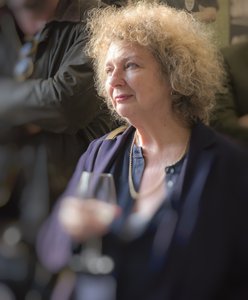
Marlene Dumas
1953 - , Etelä Afrikka
Pähkinänkuoressa
- Artistic Movement Or Style: Romantiikka
- Artists Or Movements Influenced By This Artist: ['Contemporary maalarit']
- Artists Who Influenced This Artist:
- Egon Schiele
- Francis Bacon
- Date Of Birth: 3 elokuuta 1953
- Full Name: Marlene Dumas
- Nationality: Etelä Afrikkalainen
- Notable Artworks:
- Viimeinen ehtoolla
- Nimetön (681)
- Nimetön (830)
- Jule-die Vrou
- Koulupoika
- Place Of Birth: Kapkaupunki, Etelä Afrikka