Esikatselu
 Jaa
Jaa Jaa
Jaa
 Tarkemmat tiedot

 Lataa
Lataa
 Samanlaisia
 Röntgenkuva
 Diaesitys
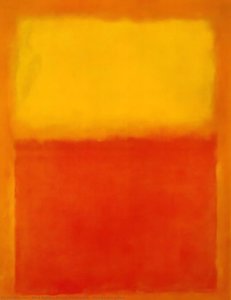
Untitled 34

 Näytä lisää
Giclée-printit ja taideprintit
Museolaatuisia giclée- tai kankaitaulun tulosteita nopealla tuotannolla ja joustavilla viimeistelyvaihtoehdoilla. ( Osta käsintehty maalaus Osta kuva)




P118B $10

P118H $10

P118W $10

P438Z $10

P508JH $12

P508YH $12

P805H $10

P805Z $10

P919BZ $10

P919G $10

P919XJ $10

P959ZH $10

P968JZ $12

W106C $8

W218G $10

W218JH $8

W218Y $10

W307PJ $10

W316G $10

W316PJ $8

W316Y $10

W398PJ $8

W4111J $10

W500HY $15

W500JH $15

W692G $12

W849H $8

W940BG $15

W953PJ $8




Valitse valmiista mitoistamme sellaiset, jotka vastaavat teoksen alkuperäisiä mittasuhteita.

Voit syöttää omat mitat sopiaksesi tiettyyn kehykseen tai tilaan. Jos valittu koko ei vastaa alkuperäisen kuvan mittasuhteita, rajaamme teosta tai laajennamme kuvaa peilatulla tai yhtenäisellä reunalla. Digitaalinen mallikuva lähetetään hyväksyttäväksi ennen tuotannon aloittamista.
Huomaathan, että näytöllä näkyvä esikatselu ei vastaa lopullista rajausta tai laajennusta. Vain mallikuva näyttää lopullisen sommittelun tarkasti.
Vaikka räätälöityjä kokoja on saatavilla, suosittelemme valitsemaan mitat valmiista listasta alkuperäisten mittasuhteiden säilyttämiseksi.
Toimitus maailmanlaajuisesti () kahdessa viikossa tavallisen 4–5 viikon sijaan. (6 syyskuu)

Ilmainen pikatoimitus ympäri maailman

Korkealaatuinen pellavakangas

Kattava kuljetusvakuutus

Tulliveron palautustakuu

Täydellinen värien vastaavuustakuu

60 päivän palautusoikeus (vain valmistusvirheet)

100% rahat takaisin -takuu

Määräalennus tarjous
 Lasivaihtoehto on saatavilla vain alle 110 cm kokoisina teoksina

Untitled 34
Giclée-printit ja taideprintit
Replikaatin koko
-


Kokonaishinta
$ 80
A Meditation on Color and Form: Examining Mark Rothko’s Untitled 34
Mark Rothko's Untitled 34 stands as a testament to the power of abstraction, embodying the core tenets of American Expressionism and inviting viewers into a contemplative dialogue with color and emotion. Executed in approximately 1950-1951 during his prolific period of artistic exploration, this monumental canvas—dimensions unknown—represents more than just pigment on linen; it’s an invitation to confront fundamental questions about existence itself. The painting's deceptively simple composition – rectangular blocks of deep crimson and muted orange layered atop one another – belies a complex interplay of visual and psychological forces.The Genesis of Color Field Painting
Rothko’s approach to artmaking was radically different from the prevailing trends of his time, rejecting representational imagery in favor of pure color fields. Influenced by Zen Buddhism and Eastern European mysticism, Rothko sought to bypass conscious thought and tap into primal emotions. He famously stated that he wished to “make people feel,” prioritizing sensation over intellectual understanding. This ambition drove him to experiment with layering translucent washes of pigment—a technique honed through years of meticulous observation and experimentation—creating an ethereal quality that defies easy categorization. The subtle gradations within each rectangle contribute to a sense of depth and luminosity, mimicking the experience of gazing upon vast landscapes or celestial phenomena.Symbolism Within Silence
Despite its apparent lack of narrative content, Untitled 34 is laden with symbolic significance. Rothko himself resisted interpretations of his work, asserting that he wished to avoid imposing any particular meaning on the viewer. However, scholars have identified recurring motifs—such as the verticality of the rectangles and their overlapping planes—as references to spiritual concepts like ascension and interconnectedness. The crimson hue evokes associations with passion, vitality, and primal energy, while the orange shade symbolizes warmth, optimism, and illumination. Together, they create a harmonious balance that reflects Rothko’s belief in the transformative potential of art.Historical Context: Postwar Anxiety and Artistic Innovation
The painting emerged from the aftermath of World War II, a period marked by profound social upheaval and existential uncertainty. Artists like Rothko responded to this climate with an uncompromising commitment to exploring inner states of mind—a reaction against the perceived superficiality of bourgeois culture. His work aligns closely with the broader movement of Color Field Painting, spearheaded by artists such as Barnett Newman and Clyfford Still, who similarly sought to convey profound emotional experiences through monumental canvases dominated by uninterrupted blocks of color. Untitled 34 represents a pivotal moment in modern art history—a courageous assertion of artistic autonomy and a daring reimagining of how visual art could communicate complex psychological realities.Emotional Resonance: An Invitation to Contemplation
Ultimately, Untitled 34’s enduring appeal lies in its ability to evoke visceral responses from viewers. The painting encourages contemplation, prompting us to consider our own perceptions of beauty, emotion, and the universe around us. Its quiet grandeur—a deliberate rejection of spectacle—demands patience and stillness, inviting us to surrender to the immersive experience of color and form. Like Rothko’s Chapel in Houston, Texas – where fourteen similar canvases hang side by side – Untitled 34 seeks to create a space for profound reflection and spiritual connection. It remains an unforgettable testament to the transformative power of art and its capacity to illuminate the human condition.Taiteilijan elämäkerta
Early Life and the Seeds of Artistic Vision
Mark Rothko, born Markus Yakovlevich Rothkowitz in Dvinsk, Latvia, in 1903, carried within him from the outset a sense of displacement that would profoundly shape his artistic journey. His early years were marked by the anxieties of a Jewish family living within the Pale of Settlement, shadowed by pogroms and political unrest. This atmosphere instilled a deep sensitivity to human suffering, a theme that would resonate throughout his oeuvre. The 1913 immigration to Portland, Oregon, represented not just a geographical shift but a cultural upheaval for the young Rothko. While his father, a pharmacist and intellectual with socialist leanings, fostered a home filled with debate and learning, the loss of Jacob Rothkowitz shortly after their arrival cast a long shadow. This early experience of loss, coupled with the challenges of assimilation, fueled a lifelong exploration of existential themes – mortality, trauma, and the search for meaning in a chaotic world. Though he excelled academically at Yale University, Rothko found himself drawn more to the vibrant energy of New York City, abandoning formal studies to pursue his passion for art at the Art Students League. These formative years laid the groundwork for an artistic vision that would ultimately challenge conventional notions of painting and redefine the emotional power of color.From Figurative Beginnings to Abstract Expressionism
Rothko’s initial artistic explorations were firmly rooted in realism, depicting urban scenes and portraits with a keen eye for detail. However, these early works already hinted at the psychological depth that would become his hallmark. As the 1940s unfolded, and the world grappled with the horrors of World War II, Rothko’s art underwent a dramatic transformation. Influenced by Surrealism and mythology, he began to move away from representational imagery, seeking instead to express universal human emotions through symbolic forms. This period saw the emergence of multi-form paintings – canvases populated by ambiguous, biomorphic shapes that seemed to hover between figuration and abstraction. These works were not merely experiments in form; they were deeply felt responses to the anxieties and uncertainties of a world at war. By the late 1940s, Rothko had arrived at his signature style: large-scale canvases featuring rectangular blocks of color that appeared to float and resonate with one another. He stripped away all vestiges of recognizable imagery, focusing instead on the pure emotional impact of color and form. This marked a pivotal moment in the development of Abstract Expressionism, and established Rothko as a leading figure in this groundbreaking movement.The Color Field and the Pursuit of Transcendence
Rothko’s mature work is defined by what came to be known as “Color Field” painting – vast expanses of luminous color that envelop the viewer in an immersive experience. These paintings are not about *what* they depict, but rather *how* they make you feel. Rothko believed that art should engage the viewer viscerally, bypassing intellectual analysis and speaking directly to the emotions. He meticulously layered thin washes of paint, creating subtle variations in tone and texture that seemed to emanate from within the canvas. The edges of his rectangular forms are often blurred, allowing them to blend and interact with one another, creating a sense of depth and movement. Rothko deliberately avoided titles beyond numbers – “No. 1,” “No. 6” – encouraging viewers to confront the paintings without preconceived notions and allow their own emotional responses to guide their experience. He sought to create a space for contemplation, a sanctuary where viewers could connect with something larger than themselves. His ambition was nothing less than to evoke profound spiritual experiences through the language of color.Major Achievements and Lasting Legacy
Among Rothko’s most significant achievements are “No. 10 (1950),” a pivotal work that exemplifies his evolving style, and the Seagram Murals (1958). Commissioned for the Four Seasons restaurant in New York City, these murals were ultimately rejected by Rothko, who felt they would be compromised by their intended environment. He instead donated them to the Tate Gallery in London, where they continue to inspire awe and contemplation. Perhaps his most ambitious project was the Rothko Chapel (1971) in Houston, Texas – a non-denominational sanctuary housing fourteen of his paintings. Designed as a space for quiet reflection, the chapel is considered a sacred place by many, embodying Rothko’s belief in the spiritual power of art. Rothko's influence on subsequent generations of artists has been immense. He paved the way for Minimalist art and continues to inspire contemporary painters who explore the emotional possibilities of abstraction. Despite struggling with depression throughout his life, culminating in his tragic suicide in 1970, Mark Rothko remains one of the most important and influential artists of the 20th century – a master of color whose work continues to resonate with audiences around the world. ## The Enduring Power of Emotional Resonance- Rothko’s paintings are celebrated for their ability to convey universal human emotions—tragedy, ecstasy, despair, and hope.
- His exploration of color as a vehicle for emotional expression revolutionized abstract painting.
- The Rothko Chapel stands as a testament to his belief in the spiritual power of art.
- He remains a pivotal figure in Abstract Expressionism and a major influence on contemporary artists.

Mark Rothko
1903 - 1970 , Latvia
Pikatiedot
- Artistic Movement Or Style: Abstrakti ekspressionismi
- Artists Or Movements Influenced By This Artist: ['Minimalismi']
- Date Of Birth: 25. syyskuuta 1903
- Date Of Death: 25. helmikuuta 1970
- Full Name: Mark Rothko
- Nationality: Venäläinen imperiumi-Amerikan kansalainen
- Notable Artworks:
- Ei. 10 (1950)
- Seagram Murals
- Rothko Chapel
- Place Of Birth: Dvinsk, Latvia
Liittyvät artikkelit

Mark Rothkon 25 mestariteosta: Värien syvyydessä – Taidetta kotiisi OriginalUniqueArtilta
Tutustu Mark Rothkon 25 mestariteokseen ja syvälliseen maailmaan abstraktin ekspressionismin parissa. Löydä tunteelliset väritaulut, taidehistorian helmet ja inspiraatiota kotiisi OriginalUniqueArtilta. Tutki kokoelma verkossa!

The Sublimity of Color: Exploring the Emotional Landscapes of Mark Rothko's Abstract Expressionism
Explore the profound emotional depth of Mark Rothko's abstract expressionism. Discover the history, techniques & lasting impact of this pivotal Color Field painter. Expert insights for collectors and art enthusiasts.

Abstraktin ekspressionismin mestariteokset: Taidetta ja inspiraatiota kotiisi
Tutustu abstraktin ekspressionismin 10 mestariteokseen! Jackson Pollock, Mark Rothko ja muut taiteilijat inspiroivat tunteellisuudellaan. Löydä upeita taidemaalauksia kotiisi OriginalUniqueArt.comista – museolaatuista laatua ja sisustusehdotuksia.
Color Field Painting: The Emotional Power of Pure Abstraction and Chromatic Depth
Explore the profound emotional depth of Color Field painting. Discover the history of mid-century abstraction, from Rothko to Newman, and learn how pure color transforms the viewer's experience through our expert art history guide.
The Essence of Abstraction: A Definitive Guide to the Power and History of Color Field Painting Masterpieces
Explore the profound emotional depth of Color Field painting. Our expert guide delves into the post-war origins of Abstract Expressionism, analyzing masterpieces by Rothko and Newman. Discover museum-grade, hand-painted oil reproductions that bring art history to your walls.