Color Field · 1964
No. 5 (Mark Rothko, 1964)
Mark Rothko (1903–1970) on luonut teoksen No. 5. Se on peräisin vuodelta 1964. Se kuuluu Color Field-liikkeeseen. Se on valmistettu materiaalilla Acrylic On Canvas. Koko on 206 × 196 cm.
- 1964
- Acrylic On Canvas
- 206 × 196 cm

 Esikatselu

 Käsinmaalattu öljymaalaus
 Jaa teos
 Jaa
 Tiedot-arkki


 Lataa kuva
 Samanlaisia kohteita
 Röntgenkuvaus
 Diaesitys
 Kysymykset ja vastaukset

 Tilastot
No. 5 lyhyesti
- Otsikko
- No. 5
- Taiteilija
- Mark Rothko (1903–1970)
- Taiteilija syntynyt
- Daugavpils, Latvia
- Päivämäärä
- 1964
- Tekniikka
- Acrylic On Canvas
- Mitat
- 206 × 196 cm
- Tyylisuunta
- Color Field
- Aikakausi
- Modern
- Aihe
- rothko, abstract, color field, square, black and white, canvas
Mitä No. 5 esittää?
Mark Rothko’s ‘No. 5’: A Meditation on Darkness and Absence
Mark Rothko's "No. 5," painted in 1964, is not merely a canvas filled with color; it’s an intensely personal and profoundly moving exploration of human emotion and the weight of existence. This monumental work, measuring 206 x 196 cm, exemplifies Rothko’s signature style – large-scale rectangular blocks of saturated color that seem to bleed into one another, creating a hypnotic effect on the viewer. The painting's stark simplicity—a vast, dark square dominating the composition—immediately confronts us with an unsettling void, prompting contemplation about mortality, isolation, and the fundamental questions of human experience.
The Genesis of Color Field Painting
Created during a pivotal moment in art history, "No. 5" is inextricably linked to the rise of Color Field painting in the mid-20th century. Rothko, along with artists like Barnett Newman and Clyfford Still, rejected traditional representational forms, seeking instead to express profound emotional states through pure color. Influenced by Abstract Expressionism’s emphasis on subjective experience, Rothko developed a technique that involved layering thin washes of acrylic paint, allowing the colors to subtly shift and merge under layers of varnish. This process created an almost sculptural quality, emphasizing the materiality of the canvas itself.
Symbolic Weight and Existential Themes
Born in 1903 in Daugavpils, Latvia (then part of the Russian Empire), Mark Rothko’s life was marked by displacement and loss – experiences that deeply informed his artistic vision. The painting's dark square can be interpreted as a visual representation of this sense of void, reflecting the anxieties and uncertainties inherent in the human condition. Some scholars suggest the work is an exploration of trauma, referencing Rothko's own difficult childhood and the pervasive atmosphere of fear and instability he experienced growing up within a Jewish family during times of political unrest. The sheer scale of the canvas amplifies this feeling, enveloping the viewer in a space of quiet contemplation.
Technique and Emotional Impact
"No. 5" is a testament to Rothko’s mastery of color and texture. The subtle gradations within the dark blocks, achieved through meticulous layering and blending, create an illusion of depth and movement. The photograph captures this intricate detail perfectly, revealing the artist's deliberate control over light and shadow. The painting’s impact isn’t about visual spectacle; it’s about a deeply felt emotional response. Rothko aimed to evoke a sense of awe and vulnerability in the viewer, inviting them to confront their own mortality and grapple with the complexities of human existence. This reproduction offers an unparalleled opportunity to experience the power and beauty of this iconic work firsthand.
No. 5 korkearesoluutioiset kuvat
Protected by copyright: these files are for personal reference, not a licence to republish.
Mark Rothko, No. 5 (1964).
Kysymyksiä teoksesta No. 5, vastaukset
Milloin teos Mark Rothko:n "No. 5" on luotu?
Mark Rothko:n "No. 5" on luotu vuonna 1964.
Mitä tekniikkaa Mark Rothko:n "No. 5" on käytetty?
Mark Rothko käytti teoksessa "No. 5" Acrylic On Canvas-tekniikkaa. Tekniikka määrittelee alkuperäisen teoksen materiaalisen luonteen.
Mitkä ovat alkuperäisen Mark Rothko:n "No. 5" mitat?
Alkuperäisen teoksen Mark Rothko:n "No. 5" mitat ovat 206 x 196 cm.
Mitä aiheita teoksessa Mark Rothko:n "No. 5" esiintyy?
Teoksen Mark Rothko:n "No. 5" teemoihin kuuluvat rothko, abstract, color field, square, black and white, canvas, mark rothko. Yhdessä ne tiivistävät teoksen aiheen.
Onko teos "No. 5" tekijänoikeusvapaa?
Tekijänoikeustiedot teokselle Mark Rothko:n "No. 5": teos on on edelleen tekijänoikeuden alainen. Tämä määrittää, voidaanko kuvasta tehdä vapaasti jäljennöksiä.
Kenen teokseksi "No. 5" on merkitty?
Teos "No. 5" on yhdistetty Mark Rothko.
Mihin taidesuuntaukseen Mark Rothko:n "No. 5" kuuluu?
Teoksen Mark Rothko:n "No. 5" tyylisuunta on Color Field. Tämä luokittelu sijoittaa teoksen muiden samankaltaisten taiteilijoiden ja teosten joukkoon.
Mihin Mark Rothko'n uran vaiheeseen "No. 5" kuuluu?
Mark Rothko'n uralla teos "No. 5" sijoittuu aikakaudelle Mature Period. Tämä vaihe auttaa vertaamaan sitä taiteilijan muihin teoksiin.
Kuinka vanha Mark Rothko oli, kun "No. 5" luotiin?
Mark Rothko oli 61 vuotias luodessaan teoksen "No. 5" vuonna 1964. Ikä on laskettu taiteilijan syntymävuodesta 1903.
Tietoa taiteilijasta, Mark Rothko

1903–1970, Latvia
Mark Rothko
Mark Rothkon varhaisvuodet Mark Rothko syntyi nimellä Markus Yakovlevich Rothkowitz vuonna 1903. Hänen syntymäpaikkansa oli Dvinsk, Venäjällä, paikassa, joka tunnetaan nykyään nimellä Daugavpils, Latviassa. Hänen perheensä asui juutalaisessa asutusalueessa, niin kutsutussa juutalaisessa vyöhykkeessä, jota leimasi poliittinen levottomuus ja pogromien jatkuva varjo. Tämä epävakauden ilmapiiri seurasi perhettä, kun he muuttivat Yhdysvaltoihin vuonna 1913.
Tietoa kohteesta Mark Rothko Mark Rothkon merkittävimpiä teoksia
Myös Mark Rothko -teoksia
 Valkea Keskus1950
 Ei. 1
 Nro. 61 (Ruoste ja sininen)1953
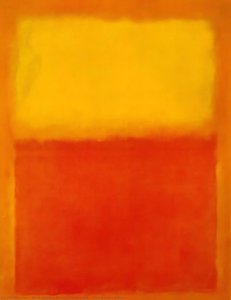 Oranssi ja keltainen1956
Esseitä teoksesta No. 5
 Color Fields of Calm: Transform Luxury Interiors with Minimalist Masterpiece ReproductionsElevate your luxury interiors with museum-quality Mark Rothko reproductions. Discover how hand-painted Color Field masterpieces bring profo…
 The Soul of Color: Exploring the Emotional Depth and Existential Resonance of Mark Rothko's MasterpiecesImmerse yourself in the profound emotional landscapes of Mark Rothko. Explore how his revolutionary Color Field paintings use pure pigment …
 Mark Rothkon 25 mestariteosta: Värien syvyydessä – Taidetta kotiisi OriginalUniqueArtiltaTutustu Mark Rothkon 25 mestariteokseen ja syvälliseen maailmaan abstraktin ekspressionismin parissa. Löydä tunteelliset väritaulut, taideh…