Valikko
Text size

() ·

A painting made for you, by hand

Senza titolo (Triplo igloo)

Käsinmaalattu öljyvärinen jäljennös

Käsinmaalattu öljyväri kankaalle haluamassasi koossa ja kehyksissä, taiteilijoidemme valmistamana tilauksesta. ( Vaihda tulosteeseen Siirry digitaaliseen kuvaan)

Keräilykohteen kuvaus

Explore Mario Merz's 'Senza titolo (Triplo igloo)': A mesmerizing glass dome installation reflecting cosmic space, human presence, and Fibonacci sequences – a unique blend of art & architecture.

Taiteilijan elämäkerta

Tutustu Mario Merziin (1925–2003), keskeiseen Arte Povera -liikkeen hahmoon! Löydä hänen innovatiivinen neonin, Fibonaccin lukujonojen ja ikonisten iglujen käytön yhdistelmänsä, jotka sulauttavat taiteen, tieteen & luonnon.

from ·

Chapter 1

How large should it be?

Slide to change the size; the picture on the left shows the frame at its real width. The proportions of the original are kept.

Vakiokoko
räätälöity
CM
INCH

Valitse valmiista mitoistamme sellaiset, jotka vastaavat teoksen alkuperäisiä mittasuhteita.

leveys
korkeus

Kirjoita tarvitsemasi leveys ja korkeus, jotta teos sopii kehyksiisi tai seinällesi. Koska kyseessä on käsinmaalattu teos, taiteilija voi maalata hieman enemmän kuvan ympärille tai rajata sitä hieman, jos haluat eri muotoisen koon — valinta on sinun. Lähetämme sinulle digitaalisen mallikuvan hyväksyttäväksi ennen kuin maalaus alkaa. Tällä sivulla näkyvä kuva ei vastaa lopullista tulosta — vain mallikuva näyttää sen.

Chapter 2

How should it arrive?

Choose the edges of the stretched canvas

Choose your frame

Corner sample of the WhiteWrap canvas edge finish, stretched on massiivipuu bars
White €1
Corner sample of the BlurSideWrap canvas edge finish, stretched on massiivipuu bars
Blurside €1
Corner sample of the ExtendedWrap canvas edge finish, stretched on massiivipuu bars
Extended €1
Corner sample of the P118B picture frame: valettu polystyreeni, 5 cm wide and 3 cm thick
P118B €10
Corner sample of the P118H picture frame: valettu polystyreeni, 5 cm wide and 3 cm thick
P118H €10
Corner sample of the P118W picture frame: valettu polystyreeni, 5 cm wide and 3 cm thick
P118W €10
Corner sample of the P438Z picture frame: valettu polystyreeni, 5.5 cm wide and 3.5 cm thick
P438Z €10
Corner sample of the P508JH picture frame: valettu polystyreeni, 7 cm wide and 3.5 cm thick
P508JH €12
Corner sample of the P508YH picture frame: valettu polystyreeni, 7 cm wide and 3.5 cm thick
P508YH €12
Corner sample of the P805H picture frame: valettu polystyreeni, 5 cm wide and 3.5 cm thick
P805H €10
Corner sample of the P805Z picture frame: valettu polystyreeni, 5 cm wide and 3.5 cm thick
P805Z €10
Corner sample of the P919BZ picture frame: valettu polystyreeni, 7 cm wide and 3.5 cm thick
P919BZ €10
Corner sample of the P919G picture frame: valettu polystyreeni, 7 cm wide and 3.5 cm thick
P919G €10
Corner sample of the P919XJ picture frame: valettu polystyreeni, 7 cm wide and 3.5 cm thick
P919XJ €10
Corner sample of the P959ZH picture frame: valettu polystyreeni, 5 cm wide and 3 cm thick
P959ZH €10
Corner sample of the P968JZ picture frame: valettu polystyreeni, 6 cm wide and 4 cm thick
P968JZ €12
Corner sample of the W106C picture frame: massiivipuu, 5 cm wide and 3 cm thick
W106C €8
Corner sample of the W218G picture frame: massiivipuu, 5 cm wide and 3 cm thick
W218G €10
Corner sample of the W218JH picture frame: massiivipuu, 5 cm wide and 3 cm thick
W218JH €8
Corner sample of the W218Y picture frame: massiivipuu, 5 cm wide and 3 cm thick
W218Y €10
Corner sample of the W307PJ picture frame: massiivipuu, 6 cm wide and 3 cm thick
W307PJ €10
Corner sample of the W316G picture frame: massiivipuu, 6 cm wide and 3 cm thick
W316G €10
Corner sample of the W316PJ picture frame: massiivipuu, 6 cm wide and 3 cm thick
W316PJ €8
Corner sample of the W316Y picture frame: massiivipuu, 6 cm wide and 3 cm thick
W316Y €10
Corner sample of the W398PJ picture frame: massiivipuu, 5 cm wide and 3 cm thick
W398PJ €8
Corner sample of the W4111J picture frame: massiivipuu, 6.5 cm wide and 3.5 cm thick
W4111J €10
Corner sample of the W500HY picture frame: massiivipuu, 7 cm wide and 5 cm thick
W500HY €15
Corner sample of the W500JH picture frame: massiivipuu, 7 cm wide and 5 cm thick
W500JH €15
Corner sample of the W692G picture frame: massiivipuu, 8 cm wide and 4 cm thick
W692G €12
Corner sample of the W849H picture frame: massiivipuu, 5 cm wide and 3 cm thick
W849H €8
Corner sample of the W940BG picture frame: massiivipuu, 7.5 cm wide and 4.5 cm thick
W940BG €15
Corner sample of the W953PJ picture frame: massiivipuu, 6 cm wide and 3.5 cm thick
W953PJ €8
Corner sample of the H24-GOLD picture frame: kaiverrettua puuta ja gessoa, 10 cm wide and 6 cm thick
H24-GOLD €30
Corner sample of the H24-SILVER picture frame: kaiverrettua puuta ja gessoa, 10 cm wide and 6 cm thick
H24-SILVER €30
Corner sample of the H36-GOLD picture frame: kaiverrettua puuta ja gessoa, 15 cm wide and 6.5 cm thick
H36-GOLD €45
Corner sample of the H36-SILVER picture frame: kaiverrettua puuta ja gessoa, 15 cm wide and 6.5 cm thick
H36-SILVER €45
Kehyksen esikatselu
Kehystetty

Moulding: . Overall size with the frame: .

Chapter 3

Who paints it, and should anything change?

Examples of what can be changed: Replace face with customer photo; Add pet (e.g., replace cat with dog); Include hidden message in background; Change background landscape or elements.
After order, OriginalUniqueArt.com team will email client for instructions and provide a mockup preview

Maailmanlaajuinen toimitus () 3–4 viikossa tavallisen 5 viikon sijaan. (29 lokakuu). Laadusta ei tingitä.

Chapter 4

The finishing touches

A nameplate, as in a museum?

Kaiverretun pronssilaatan tiedot

This elegant plaque features the artist's name and the title of the artwork, finely engraved for a timeless presentation.

It is made from bronze with a refined, elegant finish. The text is precisely laser-engraved for a sharp and permanent result. Measuring 9x2 cm, the plaque is compact yet easy to read. It's built to be durable and scratch-resistant, offering a professional, museum-quality look. Mounting is simple thanks to the included adhesive backing.

Läpinäkyvän akryylilaatan tiedot

The plaque includes essential engraved details such as the artist's name, the title of the artwork, the date it was created, the type of media used-like oil on canvas or watercolor-a brief description of the piece, and a QR code that links to the complete artwork information.

It is crafted from clear acrylic, offering a sleek, modern appearance. The text is UV-engraved in black to ensure strong visual contrast. With a size of 10x15 cm, it ensures optimal readability. It comes equipped with two metal hooks for secure wall mounting. The plaque is designed to be weather-resistant, making it suitable for various environments, and it includes interactive features that work seamlessly with smartphone scanning.

Mustan akryylilaatan tiedot

This elegant plaque includes engraved information such as the artist's name, the title of the artwork, the date it was created, the type of media used (like oil on canvas or watercolor), a short description of the artwork, and a QR code for quick access to more information.

The plaque itself is made from refined black acrylic with a premium finish. The text is laser-engraved in white for high contrast and readability. Its size is 10x15 cm, designed to be easy to read. It comes with two metal hooks for professional mounting. The design is sleek and fits any interior style. It is also weather-resistant and durable, with built-in digital integration for mobile compatibility.

A protective varnish?

When do you need it?

Chapter 5

Your painting, as you ordered it

Senza titolo (Triplo igloo)

Reproduktiotekniikka

Replikaatin koko

-

Kokenut huipputaiteilija

Lisää yksityiskohtia, hienostuneisuutta ja enemmän aikaa tuotantoon

-

Reproduktion kehystysvaihtoehdot

-

-

Teoksille tai reproduktioille, joiden mikä tahansa sivu on suurempi kuin 105 cm (noin 41 tuumaa), kehys toimitetaan osina purettuna sarjana. Tämä menetelmä varmistaa turvallisen toimituksen ja ehkäisee vaurioita kuljetuksen aikana.

Vaatii ammattimaista kokoamista – kyseessä ei ole tee-se-itse-tuote.
Sarja on koottava ja kangas kiristettävä kokeneen kehystysammattilaisen toimesta käyttäen puuliimaa (ei sisälly pakkaukseen), kangaspinnetteitä ja puristimia, jotta kehyksen kulmat pysyvät suorina liiman kuivuessa. Virheellinen kokoaminen tai epätasainen kankaan kiristys voi vaurioittaa teosta pysyvästi, eikä tällaiset vauriot ala takuun piiriin.

  • Kaikki massiivipuupalat sisältyvät, tarkasti mittojen mukaan leikattuina.

  • Kootaan mukana tulevilla ruuveilla sekä kulmaliitoksia varten tarvittavalla puuliimalla, jota ei toimiteta, joten se on hankittava kehystäjältä.

  • Vaatii ammattilaisvälineitä, jotka eivät sisälly pakkaukseen: kankaan venytyspihdit (kiristin) ja puristimet, joilla pidetään kehyksen puut suorassa liiman kuivuessa.

Tärkeää:
Kulmaliitoksissa tarvitaan puuliimaa, kehyksien osat on pidettävä puristimilla, kunnes liima on täysin kuivunut, ja koottuun kehykseen jännitettävän kankaan kiristämiseen tarvitaan kangaspenssipihti. Mikään näistä ei sisälly pakkaukseen. Suosittelemme varmistamaan kokeneen kehystäjän saatavuuden ennen tämän kokoisen kehyksen tilaamista.

Nimilaatta

-

-

Suojalakkaus

Kiiltävä lakka (syventää värejä, suojaa valolta ja kosteudelta)

-

Mukauta taideteokseni

Esimerkkejä muokattavista asioista: Vaihda kasvot asiakkaan omaan valokuvaan; Lisää lemmikki (esim. vaihda kissa koiraan); Lisää taustalle piilotettu viesti; Muuta taustan maisemaa tai elementtejä.

-

Pikatoimitus

Maailmanlaajuinen toimitus () 3–4 viikossa tavallisen 5 viikon sijaan. (29 lokakuu). Laadusta ei tingitä.

-

Pikatoimitus

Maailmanlaajuinen toimitus () 5 viikon kuluessa. (5 marraskuu).

Sisältyy hintaan

Kokonaishinta

€ 265

Kokonaishinta € 265

Lasivaihtoehto on saatavilla vain alle 110 cm kokoisille teoksille

Included with every order

  • Ilmainen pikatoimitus ympäri maailman
  • Korkealaatuinen pellavakangas
  • Kattava kuljetusvakuutus
  • Tulliveron palautustakuu
  • Takuu täydellisestä värien vastaavuudesta
  • 100 päivän palautusoikeus (vain valmistusvirheet)
  • 100% rahat takaisin -takuu
  • Määräalennus tarjolla

A Cosmic Microcosm: Exploring Mario Merz’s “Senza Titolo (Triplo Igloo)”

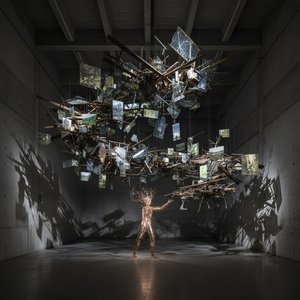
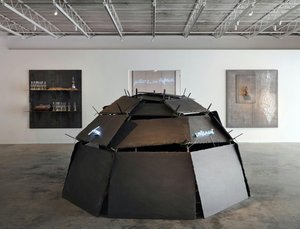
Mario Merz's "Senza Titolo (Triplo Igloo)" isn’t merely a sculpture; it’s an invitation to contemplate the intricate dance between humanity and the cosmos. Created in 1984, this monumental installation—a trio of interconnected glass domes—represents far more than their physical form suggests. It's a distillation of Merz’s lifelong fascination with geometry, nature, and the underlying mathematical principles governing existence, all rendered through a strikingly tactile and profoundly evocative material: glass.

Born in Milan during the tumultuous years of World War II, Mario Merz’s artistic journey was deeply intertwined with resistance and a yearning for connection. Imprisoned for his involvement with antifascist groups, he began drawing as an act of defiance—a way to reclaim agency within oppressive circumstances. This early impulse toward self-expression evolved into a sustained exploration of form, ultimately leading him to the igloo – a structure that, for Merz, embodied not just shelter but also a symbolic representation of the universe itself. The choice of glass was deliberate; its transparency mirrors the vastness of space while simultaneously highlighting the fragility and preciousness of human existence.

The Geometry of Creation: Fibonacci and Beyond

At the heart of “Senza Titolo (Triplo Igloo)” lies a subtle yet powerful mathematical framework. Merz’s work is deeply rooted in the Fibonacci sequence – a series of numbers where each number is the sum of the two preceding ones (1, 1, 2, 3, 5, 8…). This sequence, found throughout nature from the spirals of seashells to the branching patterns of trees, represents the fundamental principles of growth and proportion. The artist meticulously incorporated these numerical relationships into the structure of the igloos themselves, embedding them in neon lights that cast a luminous glow upon the glass panels. This isn’t simply an aesthetic choice; it's a visual representation of the inherent order underlying the apparent chaos of the universe – a concept central to Merz’s artistic philosophy.

Beyond the Fibonacci sequence, the igloos themselves are constructed with a deliberate architectural logic. The three domes, varying in size and positioned one within the other, create a layered effect that evokes a sense of depth and complexity. The use of clamps and blocks of clay adds an earthy counterpoint to the sleekness of the glass, grounding the installation in the natural world while simultaneously elevating it to a realm of abstract contemplation.

Light, Shadow, and the Human Presence

The lighting within “Senza Titolo (Triplo Igloo)” is crucial to its overall impact. Diffused light filters through the translucent glass, creating an interplay of highlights and shadows that dramatically alters the perception of space. The neon lights, strategically placed, not only illuminate the numerical sequences but also cast a warm, ethereal glow throughout the interior, inviting viewers to step inside and become immersed in the artwork’s atmosphere.

The inclusion of furniture – chairs and a bench – further emphasizes the human element within this cosmic microcosm. These familiar objects, placed deliberately within the glass enclosure, serve as reminders of our everyday lives and our need for connection and comfort. The juxtaposition of the natural world (represented by the igloo) with the domestic sphere creates a compelling dialogue about the relationship between humanity and its environment.

A Legacy of Cosmic Reflection

“Senza Titolo (Triplo Igloo)” stands as a testament to Mario Merz’s unique artistic vision – a synthesis of geometry, nature, and human experience. It's an artwork that invites viewers to contemplate the mysteries of the universe while simultaneously acknowledging our place within it. More than just a beautiful object, it is a profound meditation on life, death, and the enduring power of art to transform our understanding of the world around us. Reproductions capture only a fraction of this immersive experience, but offer a tangible connection to Merz’s extraordinary legacy.

Kysymykset ja vastaukset

Mitä Mario Merz:n "Senza titolo (Triplo igloo)" tuo sisustukseen?

Mario Merz:n "Senza titolo (Triplo igloo)"-teoksessa on Calm tunnelma, ja se sopii erinomaisesti Living Room-tilaan. Tunnelmalla tarkoitetaan sitä, minkä fiiliksen teos tuo ympäröivään tilaan.

Ovatko teoksen Mario Merz:n "Senza titolo (Triplo igloo)" värit kylläisiä vai hillittyjä?

Teoksen Mario Merz:n "Senza titolo (Triplo igloo)" värien kylläisyys on Muted. Kylläisyys kuvaa sitä, kuinka voimakkaita tai himmeitä värit ovat.

Mitä aiheita teoksessa Mario Merz:n "Senza titolo (Triplo igloo)" esiintyy?

Mario Merz:n "Senza titolo (Triplo igloo)" esittää: igloo, fibonacci, neon, architecture, cosmic, space, italy.

More about this painting

Vaihda tulosteeseen Siirry digitaaliseen kuvaan Jaa teos
Tiedot Opas Lisää suosikkeihin Lataa kuva Samanlaisia kohteita Diaesitys Q&A Tilastot

In numbers

  • 29frames to choose from
  • standard sizes, in its own proportions
  • 5weeks to paint and deliver it

About the original

Mario Merz

Mario Merz

1925 - 2003, Italia

Quick facts about Mario Merz

  • Artistic Movement Or Style: Arte Povera
  • Artists Or Movements Influenced By This Artist: ['Arte Povera artists']
  • Artists Who Influenced This Artist:
    • Cesare Pavese
    • Elio Vittorini
    • Ezra Pound
  • Date Of Birth: 1925
  • Date Of Death: 2003
  • Full Name: Mario Merz
  • Nationality: Italialainen
  • Notable Artworks:
    • Fibonacci Sequence 1–55
    • Nimetön iglu
  • Place Of Birth: Milano, Italia

Taiteilijan elämäkerta

Resistanssin Takomat Elämät: Mario Merzin Varhaiset Vuodet

Mario Merzin taiteellinen matka muotoutui syvästi 1900-luvun Italian myrskyisän historian taustalla. Milanossa vuonna 1925 syntynyt Merz poikkesi perinteisistä tavoista liittyessään Giustizia e Libertà -antifasistiryhmään toisen maailmansodan aikana. Vankeus tästä sitoutumisesta osoittautui puhdistavaksi, ei esteeksi; juuri vankilan muurien sisällä Merz alkoi piirtää, aloittaen elinikäisen muodon ja ilmaisun tutkimuksen. Nämä varhaiset työt eivät olleet pelkästään taiteellisia harjoituksia, vaan vastarinnan tekoja, yksilön äänen vaalimista sortavien voimien keskellä. Hän kokeili jatkuvaa viivaa, jättämättä lyijykynää paperilta – ele, joka symboloi murtumatonta henkeä ja horjumattomia vakaumuksia. Jo tuolloin ihmisyyden ja luonnon vuorovaikutuksen kiinnostus alkoi nousta esiin, ennakoiden orgaanisia muotoja ja luonnollisia prosesseja, jotka tulisivat olemaan hänen kypsän tyylinsä keskeisiä elementtejä. Post-sodan Turinin älyllinen kuhina ruokki edelleen hänen kehitystään; ympäröivien kirjailijoiden, kuten Cesare Pavesen, Elio Vittorinin ja Ezra Poundin seurassa Merz imi itseensä kriittisen ajattelun ja taiteellisen innovaation ilmapiirin, luoden pohjan uralle, joka haastaisi perinteisiä rajoja.

Omaksumalla *Arte Poveraa*: Konvention Hylkääminen

1960-luvulla taidemaailmassa tapahtui valtava muutos, ja Mario Merz löysi itsensä tämän muutoksen eturintamasta omaksuessaan *Arte Poveraa*. Tämä italialainen liike, joka tarkoittaa "köyhää taidetta", oli tietoinen hylkääminen vallitsevalle kulutuskulttuurille ja vakiintuneiden taiteellisten normien oletetulle eliitismille. *Arte Poveraan* liittyneet taiteilijat kääntyivät epätavanomaisten materiaalien – maan, puun, metallin, kankaan – puoleen, esineitä, joita pidettiin usein vaatimattomina tai hylättyinä, ja antoivat niille uutta merkitystä. Merzin panos oli erityisen tunnusomainen. Hän siirtyi pois abstraktin ekspressionismin subjektiivisesta ilmaisusta etsien sen sijaan taiteen avaamista ulkoisten maailmojen voimille. Tuulen mukana kulkeutuva siemen, alaspäin kiertelevä lehti – nämä tulivat hänen kankaalleen universumeiksi, mikrokosmoksiksi, jotka heijastavat suurempia kosmisia periaatteita. Tämä muutos ilmeni teoksissa, joissa energia tuntui virtaavan orgaanisten ja epäorgaanisten elementtien välillä; neonvalot lävistivät arkipäiväisiä esineitä – sateenvarjoja, laseja, pulloja, jopa hänen omaa sadetakkiansa luoden yllättäviä vastakkainasetteluja, jotka kyseenalaistivat havaintomme todellisuudesta. Hänen avioliittonsa toisen taiteilijan, Marisa Merzin kanssa, osoittautui syväksi luovaksi kumppanuudeksi, kummankin vaikuttaen toisen taiteelliseen suuntaan tavalla, joka rikastutti heidän yksittäisiä tutkimuksiaan.

Luonnon ja Matematiikan Kieli: Fibonacci ja Igloo

Merzin taiteellinen sanasto kiteytyi kahden voimakkaan symbolin ympärille: Fibonaccin lukujonoon ja igluun. Fibonaccin lukujono (1, 1, 2, 3, 5, 8…), matemaattinen kaava, joka löytyy luonnosta – lehtien järjestelyssä varressa, simpukan spiraalissa, puiden haarojen jakautumisessa – tuli toistuvaksi motiiviksi hänen työssään. Hän näki sen edustavan universaaleja luomisen ja kasvun periaatteita, piilotettua järjestystä olemassaolon ilmeisessä kaaoksessa. Tämä kiinnostus muuttui installaatioiksi, esityksiksi ja piirroksiksi, jotka sisällyttivät jonon visuaalisesti, usein spiraalien tai numeeristen järjestelyjen kautta. Samanaikaisesti hän alkoi rakentaa iglu-tyyppisiä rakenteita, alun perin yksinkertaisista materiaaleista, kuten lasista ja kivestä, myöhemmin kehittyen sisältämään monipuolisempia elementtejä. Nämä eivät olleet pelkästään arkkitehtonisia muotoja; ne olivat metaforia esihistoriallisille suojapaikoille, nomadien tiloille, jotka edustavat liikkuvuutta, sopeutumiskykyä ja alkukantaista yhteyttä maahan. Nämä iglut koristeltiin neonvalojen avulla, usein arkikielisiä lauseita tai tunnuslauseita, jotka eivät olleet pelkästään koristeellisia lisäyksiä vaan vangitsivat aikansa henkeä, resonoiden tavalla, joka ylitti niiden kirjaimellisen merkityksen. Ne tulivat olennaisesti aikakauden ääniksi.

Resonanssin ja Yhteyden Perintö

Koko uransa ajan Mario Merz jatkuvasti rikkoi taiteellisen ilmaisun rajoja. Hänen interventioonsa olivat usein paikkasidonnaisia ja kunnianhimoisia: kiipeämällä New Yorkin Guggenheimin museoon (1971), Turinin maamerkkiin (1984) tai jopa järjestämällä installaation Napolin Capodimonten galleriaan (1987). Nämä eivät olleet pelkästään spektaakkelin esityksiä, vaan yrityksiä häiritä perinteisiä taiteen katselutapoja ja integroida se arjen kudokseen. Hän kuvasi Fibonaccin etenemistä valokuviensa avulla, jotka vangitsivat ravintolassa syövien ihmisten tiheyden kasvua, ja loi laajoja spiraali-installatioita luonnonmateriaaleista. Hänen työnsä resonoi kansainvälisesti, mikä toi hänelle tunnustusta arvostettujen instituutioiden kautta, kuten Minneapolisin Walker Art Centerissa, ja vakiinnutti merkittävän läsnäolon Unnan valotaiteen keskuksessa Saksassa. Merzin perintö ulottuu hänen yksittäisten teostensa ulkopuolelle. Hän vaikutti olennaisesti *Arte Poveraan* -liikkeeseen ja vaikutti lukemattomiin seuraajiinsa. Hänen herkkyytensä tilan ja ihmisyyden yhteyttä kohtaan muutti suuria ympäristöjä intiimeiksi, luonnollisiksi valtakunniksi. Hänellä oli harvinainen kyky syntetisoida näennäisesti erillisiä elementtejä – taidetta, tiedettä, luontoa, matematiikkaa – koheesiseksi ja ajatuksia herättäväksi kokemukseksi. Hänen työnsä on edelleen todiste siitä, kuinka taiteella voi haastaa havaintoja, provosoida dialogia ja paljastaa maailmamme piilotetut harmoniat.Mario Merzin kestävä vaikutus perustuu hänen kykyynsä tehdä valtavista tiloista inhimillisiä, intiimejä ja syvästi yhteydessä luonnolliseen järjestykseen.

Pikaista tietoa

  • Title: Senza titolo (Triplo igloo)
  • Dimensions: 300 x diam. 600 cm; 200 x diam. 400 cm; 200 x diam. 100 cm
  • Artistic style: Installation art
  • Artist: Mario Merz
  • Year: 1984-2002
  • Medium: Glass, clay, neon

Taidevisat

Jokaisessa kysymyksessä on vain yksi oikea vastaus.

Kysymys 1:
What is the primary material used in Mario Merz’s artwork, ‘Senza titolo (Triplo igloo)’?
Kysymys 2:
The artwork ‘Senza titolo (Triplo igloo)’ is inspired by which mathematical sequence?
Kysymys 3:
What does the igloo form in ‘Senza titolo (Triplo igloo)’ symbolize according to the artist?
Kysymys 4:
What is the approximate size of the ‘Senza titolo (Triplo igloo)’ installation?
Kysymys 5:
Mario Merz’s work is often associated with which artistic movement?
Tutustu teoksiin, jotka on järjestetty aiheiden, tyylien ja ominaisuuksien mukaan.