

 Esikatselu
 Jaa
Jaa Jaa
Jaa
 Tarkemmat tiedot

 Lataa
Lataa
 Samanlaisia
 Röntgenkuva
 Diaesitys
 Tilastot
Jeremiah
 Acrylic On Paper
- Expressionism
 1956
1956- Modern
 33.0 x 27.0 cm
 Näytä lisää
Osta korkearesoluutioinen, parannettu digitaalikuva, joka on laadultaan huomattavasti parempi kuin verkkosivuston esikatselu.
Jokainen tiedosto valmistellaan huolellisesti omien asiantuntijoidemme toimesta käyttäen edistyneitä työkaluja ja ammattitaitoista manuaalista retusointia. Varmistamme, että jokaisessa kuvassa on poikkeuksellinen selkeys, tarkka värintoisto ja hienovaraiset yksityiskohdat.
Lopputiedosto toimitetaan sähköpostitse 72 tunnin kuluessa, ja se on optimoitu välittömään käyttöön ammattimaisissa, toimituksellisissa ja painoympäristöissä. Laatu on sama, johon huipputason suunnittelustudiot, kustantajat ja galleriat luottavat.
Digitaalinen kuva
Lataa korkearesoluutioinen tiedosto henkilökohtaiseen näyttelyyn, tulostamiseen ja luoviin projekteihin. ( Vaihda tulosteeseen Osta käsintehty maalaus)
Sisältyy jokaiseen digitaalisen kuvan tilaukseen
Asiantunteva digitaalinen toimitus, taattuun laatuun
Kun valitset OriginalUniqueArt.com-palvelun, et saa vain kuvaa – saat ammattimaisesti parannetun digitaalisen taideteoksen, joka on luotu tarkkuudella ja jonka takaa tulee tyytyväisyystakuu. Tässä on kaikki, mitä tilauksesi sisältää, automaattisesti:

Nopea digitaalinen toimitus
Korkearesoluutioinen digitaalinen kuvatiedostosi lähetetään sähköpostiisi 72 tunnin kuluessa tilauksesta – valmiina käytettäväksi välittömästi.

Tekoälyllä parannettu digitaalinen tiedosto
Taiteilijasi teos on optimoitu ammattimaisesti edistyneiden tekoälytyökalujen ja manuaalisen muokkauksen avulla, mikä takaa maksimaalisen yksityiskohtaisuuden, selkeyden ja väritarkkuuden.

Ilmainen elinikäinen uudelleenlähetyspalvelu
Oletko vahingossa poistanut tai kadottanut tiedostosi? Ei hätää – lähetämme sen sinulle uudelleen milloin tahansa täysin maksutta.

Ei tuontimaksuja – koskaan
Nauti taiteestasi välittömästi ilman tulleja, veroja tai toimitusmaksuja – digitaaliset lataukset ovat aina verovapaita.

Värintoiston tarkkuustakuu
Varmistamme, että digitaalinen kuvasi vastaa alkuperäisiä värejä mahdollisimman tarkasti käyttämällä ammattilaistason työkaluja ja värinhallintaa.

100 päivän tyytyväisyystakuu
Jos et ole tyytyväinen digitaaliseen kuvaasi, muokkaamme sitä tai palautamme 100% hinnan 100 päivän kuluessa – kysymystä ei esitetä.

100% Rahat takaisin -takuu
Et ole tyytyväinen? Saat täyden hyvityksen 100 päivän kuluessa digitaalisen tiedostosi vastaanottamisesta – kysymystä ei esitetä.

Suurtilaaja-alennukset
Osta 3 kuvaa, säästä 10% - Osta 5, säästä 15% - Osta 10+, säästä 20%. Erinomainen valinta luoviin projekteihin, gallerioille ja toimistoille.
A Vision of Prophecy: Marc Chagall’s ‘Jeremiah’ (1956)
This captivating work by Marc Chagall, created in 1956, is part of a series dedicated to the biblical prophet Jeremiah. Measuring 33 x 27 cm, this piece isn't simply an illustration of scripture; it’s a deeply personal and emotionally resonant interpretation of suffering, resilience, and divine calling.Subject & Narrative
The artwork depicts a solitary rider on horseback – a recurring motif in Chagall’s work symbolizing both power and vulnerability. While seemingly straightforward, the image is imbued with layers of meaning drawn from the Book of Jeremiah. The prophet was known for his lamentations over the destruction of Jerusalem and his unwavering commitment to delivering often unwelcome messages from God. This painting doesn't depict a specific episode but rather captures the *essence* of Jeremiah’s burden – the weight of prophecy, the isolation of spiritual insight, and the enduring strength required to bear witness to truth.Style & Technique: A Blend of Expressionism and Folklore
Chagall's style in ‘Jeremiah’ is a compelling fusion of influences. While rooted in early modernism – particularly Cubism and Symbolism – it transcends easy categorization. The bold, graphic quality leans towards Expressionism, prioritizing emotional impact over strict realism. Notice the flattened forms, simplified landscape, and dramatic use of color. The thick, gestural lines create a sense of dynamic movement, while the layering and scraping techniques build up texture, giving the surface a tactile, almost sculptural quality. The palette, dominated by contrasting purples and greens, is both striking and unsettling, mirroring the turbulent emotions associated with Jeremiah’s prophecies. This technique allows Chagall to convey not just what he sees, but how it feels.Historical Context & Artistic Evolution
Born in Belarus and later flourishing in France, Marc Chagall (1887-1985) drew heavily from his Jewish heritage and the folklore of his native land. His art is often populated with dreamlike imagery – flying figures, animals, and symbolic objects – that reflect a deeply personal mythology. By 1956, Chagall had already established himself as a major figure in modern art, experimenting with various mediums including painting, stained glass, and stage design. The ‘Jeremiah’ series represents a mature phase in his career, where he increasingly turned to biblical themes, exploring universal questions of faith, suffering, and redemption.Symbolism & Emotional Resonance
- The Horse: Traditionally symbolizes strength, nobility, and untamed energy. Here, it represents the power needed to carry the weight of prophecy.
- The Rider: Embodies Jeremiah himself – a solitary figure burdened with divine knowledge. His posture suggests both determination and weariness.
- Color Palette: The contrasting colors evoke feelings of tension, sorrow, and spiritual intensity. Purple often represents royalty and spirituality, while green can symbolize hope or renewal, even amidst despair.
- Simplified Landscape: The lack of detailed background emphasizes the isolation of the figure and focuses attention on his internal struggle.
For Collectors & Interior Designers
‘Jeremiah’ is a powerful statement piece that would add depth and sophistication to any collection. Its bold colors and dynamic composition make it particularly well-suited for modern or eclectic interiors. A high-quality reproduction of this artwork can serve as a focal point in a living room, study, or hallway, inviting contemplation and sparking conversation. The painting’s themes of resilience and spiritual strength also lend themselves to spaces designed for reflection and mindfulness. Its relatively small size makes it versatile – easily incorporated into various settings without overwhelming the space.Taiteilijan elämäkerta
A Life Painted in Dreams: The World of Marc Chagall
Marc Chagall, oikealta nimeltään Moiše Segal (jiddišiksi מאַרק שאַגאַל, ven. Марк Захарович Шага́л, Mark Zaharovitš Šagal, valkoven. Мойша Захаравіч Шагалаў, Mojša Zacharavič Šahałaŭ; 7. heinäkuuta (J: 24. kesäkuuta) 1887 Vitebsk, Venäjä – 28. maaliskuuta 1985 Saint-Paul de Vence, Alpes-Maritimes) oli venäjänjuutalais-ranskalainen taidemaalari. Surrealismiin usein yhdistetty Chagall on eräs 1900-luvun tunnetuimmista taiteilijoista. Hänen maalauksilleen ominainen värikkyys ja lämminhenkisyys on tehnyt niistä varsin pidettyjä.Early Life and Artistic Beginnings
Marc Chagall syntyi Vitebskissä nykyisen Valko-Venäjän alueella, silloisessa Venäjän keisarikunnassa hasidijuutalaiseen perheen. Hän oli vanhin kahdeksasta lapsesta. Hänen nimensä Moiše Segal venäläistettiin Mark Zaharovitš Šagaloviksi ja edelleen muotoon Šagal, josta ranskalaisittain syntyi nimi Marc Chagall. Perheen isä oli sillikauppias. Lapsuuttaan Chagall piti onnellisena vaikkakin köyhänä, ja kotikylän muistot esiintyvätkin usein hänen taiteessaan. Hän ei koskaan nähnyt sovitettuun tapaan piirustusta ennen kuin hän katsoi koululaisen kopioivan aikakauskirjan kuvituksen. Hänet naurettiin, mutta hän alkoi kopioida ja improvisoida aikakausikirjoista. Molempien Chagallin vanhempien epäröintiä pidettiin hyväksyttävänä hänen opintonsa sallimiseksi Yehuda Penin oppilaana Vitebskissa. Myöhemmin he antoivat lapselleen luvan tutkia Pietarissa Léon Bakstin oppilaana, ja hän tutustui taiteen erilaisiin suuntauksiin ja muotivirtauksiin. Tausta aiheutti taiteilijalle ongelmia: juutalaiset saivat oleskella Pietarissa vain luvanvaraisesti, ja Chagall vietti lyhyen aikaa vankilassa. Pietariin hän jäi kuitenkin vuoteen 1910 saakka vieraillen säännöllisesti kotikylässään, jossa hän tapasi tulevan vaimonsa Bella Rosenfeldin. Hän oli erityisen vaikuttunut Vitebskin ainutlaatuisesta kulttuurista – Venäjän ortodoksiset kirkot vierivät käsi kädessä juutalaisen kauppojen vilkkauden kanssa – mikä loi taiteilijalle oman estetisetensä, joka pysyi kategorioiden ulkona hänen koko uransa aikana.Formal Training and Early Artistic Style
Chagall sai ensimmäisen koulutuksensa paikalliselta signeeripöytäliikkeestä ja jatkoi sitä myöhemmin Pietarissa Léon Bakstin oppilaana. Hän tutustui myös impressionismiin Paul Durand-Ruelin galleriassa ja näki Gauguinin ja van Goghin alkuperäisiä töitä Bernheimin galleriassa. Näiden kokemusten jälkeen hän siirtyi Pariisiin Académie de la Grande Chaumièreen, jossa hän kehitti realistisen tyylin. Hän oli erityisen vaikuttunut Djagilevin Venäläisestä baletista ja sen ympärille kerääntyneistä tanssijoista, muusikoiden ja kirjailijoiden kanssa. Näiden kokemusten jälkeen hän tutustui myös surrealismiin ja Fauvismiin. Hänen varhaiset maalauksensa ovat jo nyt osoitus siitä, että hän kehitti oman erityisen kielen – jonka hän jatkoi käyttämistä koko uransa ajan. Hän ei ollut täysin omaksunut yhtä tiettyä taiteellista liikettä, mutta hän otti käyttöön elementtejä kubismista, symbolismista ja fauvismista, mutta hän filtteröi ne aina oman henkilökohtaisen näkökulman läpi, mikä loi tyylin, joka oli ainutlaatuinen ja täysin Chagall. Hän maalasi usein yksinkertaisia aiheita – kuten I and the Village (1911) – mutta hän käytti niissä värejä ja kuvioita suurella tarkkuudella ja huolellisuudella. Maalauksissa näkyvät henkilöhahmot liikkuvat ja tanssivat katsojan silmän korkeudella, mikä luo unenomaisen tunnelman ja kutsuu katsojat hänen sisäiseen maailmaansa. Tämä tyylinen lähestymistapa ei ollut sattumanvaraista; se juurtui haluun mennä yli yksinkertaisen todellisuuden jäljittelyn ja vangita tunnetta, painoa muistoa sekä folklorin voimaa.Symbolism and Recurring Themes
Chagallin taiteessa korostuu symbolismi ja toistuvat teemat – erityisesti hänen lapsuudenkodiksensaan liittyvät henkilöhahmot ja tapahtumat. Hän maalasi usein yksinkertaisia aiheita – kuten I and the Village (1911) – mutta hän käytti niissä värejä ja kuvioita suurella tarkkuudella ja huolellisuudella. Maalauksissa näkyvät henkilöhahmot liikkuvat ja tanssivat katsojan silmän korkeudella, mikä luo unenomaisen tunnelman ja kutsuu katsojat hänen sisäiseen maailmaansa. Tämä tyylinen lähestymistapa ei ollut sattumanvaraista; se juurtui haluun mennä yli yksinkertaisen todellisuuden jäljittelyn ja vangita tunnetta, painoa muistoa sekä folklorin voimaa. Hän maalasi usein yksinkertaisia aiheita – kuten I and the Village (1911) – mutta hän käytti niissä värejä ja kuvioita suurella tarkkuudella ja huolellisuudella. Maalauksissa näkyvät henkilöhahmot liikkuvat ja tanssivat katsojan silmän korkeudella, mikä luo unenomaisen tunnelman ja kutsuu katsojat hänen sisäiseen maailmaansa. Tämä tyylinen lähestymistapa ei ollut sattumanvaraista; se juurtui haluun mennä yli yksinkertaisen todellisuuden jäljittelyn ja vangita tunnetta, painoa muistoa sekä folklorin voimaa. Hän maalasi usein yksinkertaisia aiheita – kuten I and the Village (1911) – mutta hän käytti niissä värejä ja kuvioita suurella tarkkuudella ja huolellisuudella. Maalauksissa näkyvät henkilöhahmot liikkuvat ja tanssivat katsojan silmän korkeudella, mikä luo unenomaisen tunnelman ja kutsuu katsojat hänen sisäiseen maailmaansa. Tämä tyylinen lähestymistapa ei ollut sattumanvaraista; se juurtui haluun mennä yli yksinkertaisen todellisuuden jäljittelyn ja vangita tunnetta, painoa muistoa sekä folklorin voimaa. Hän maalasi usein yksinkertaisia aiheita – kuten I and the Village (1911) – mutta hän käytti niissä värejä ja kuvioita suurella tarkkuudella ja huolellisuudella. Maalauksissa näkyvät henkilöhahmot liikkuvat ja tanssivat katsojan silmän korkeudella, mikä luo unenomaisen tunnelman ja kutsuu katsojat hänen sisäiseen maailmaansa. Tämä tyylinen lähestymistapa ei ollut sattumanvaraista; se juurtui haluun mennä yli yksinkertaisen todellisuuden jäljittelyn ja vangita tunnetta, painoa muistoa sekä folklorin voimaa. Hän maalasi usein yksinkertaisia aiheita – kuten I and the Village (1911) – mutta hän käytti niissä värejä ja kuvioita suurella tarkkuudella ja huolellisuudella. Maalauksissa näkyvät henkilöhahmot liikkuvat ja tanssivat katsojan silmän korkeudella, mikä luo unenomaisen tunnelman ja kutsuu katsojat hänen sisäiseen maailmaansa. Tämä tyylinen lähestymistapa ei ollut sattumanvaraista; se juurtui haluun mennä yli yksinkertaisen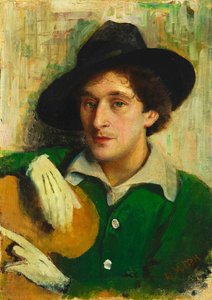
Marc Chagall
1887 - 1985 , Belarus
Lyhyesti esiteltynä
- Artistic Movement Or Style: Modernismi, Kubismi
- Artists Or Movements Influenced By This Artist: ['Surrealismi']
- Artists Who Influenced This Artist:
- Bakst
- Delaunay
- Borovikovsky
- Date Of Birth: 7. heinäkuuta 1887
- Date Of Death: 28. maaliskuuta 1985
- Full Name: Marc Chagall
- Nationality: Venäjä-ranskalainen
- Notable Artworks:
- I and the Village
- Over Vitebsk
- White Crucifixion
- Place Of Birth: Liozna, Belarus