Surrealism
Reflections (Man Ray)
Man Ray (1890–1976) on luonut teoksen Reflections. Se kuuluu Surrealism-liikkeeseen. Se on valmistettu materiaalilla Acrylic On Canvas. Teos sijaitsee Oscar Niemeyerin museo -museossa paikassa Curitiba, Brasilia.
- Acrylic On Canvas
- Oscar Niemeyerin museo, Curitiba

 Esikatselu

 Käsinmaalattu öljymaalaus
 Jaa teos
 Jaa
 Teostiedot


 Lataa kuva
 Samanlaisia kohteita
 Röntgenkuvaus
 Diaesitys
 Kysymykset ja vastaukset

 Tilastot
Reflections lyhyesti
- Teoksen nimi
- Reflections
- Taiteilija
- Man Ray (1890–1976)
- Taiteilijan syntymäpaikka
- Philadelphia, Yhdysvallat
- Tekniikka
- Acrylic On Canvas
- Missä teos on nähtävissä
- Oscar Niemeyerin museo, Curitiba, Brasilia
- Taidesuuntaus
- Surrealism
- Aihe
- photography, surrealism, dadaism, sculpture, avant-garde, minimalism
Mitä Reflections esittää?
Man Ray's Reflections: A Surrealist Dialogue Between Light and Form
Man Ray’s “Reflections,” painted in 1931, stands as a testament to the burgeoning surrealist movement’s fascination with exploring subconscious landscapes and challenging conventional perceptions of reality. Created during a period marked by profound artistic experimentation—fueled by Dadaism's rejection of logic and reason—the painting embodies Ray’s signature approach: meticulous observation combined with deliberate distortion.
The artwork depicts a solitary figure positioned before a wall adorned with intricate geometric patterns. These patterns aren’t merely decorative; they serve as conduits for visual metaphors, mirroring the complexities of human experience. The artist skillfully employs chiaroscuro—the dramatic interplay between light and shadow—to sculpt the form of the subject, emphasizing its stillness and vulnerability against the assertive backdrop.
- Style: Surrealism – Ray’s work aligns with the movement's core tenets of dreamlike imagery and irrational juxtapositions.
- Technique: Oil on Canvas – Ray favored oil paints for their ability to capture subtle tonal variations and create a rich textural surface, reflecting his dedication to realism within an unreal context.
- Historical Context: The painting emerged from the aftermath of World War I, mirroring the anxieties and disillusionment prevalent in European intellectual circles. Dadaism’s rebellious spirit directly influenced Ray's artistic vision.
Beyond its formal qualities, “Reflections” resonates with deeper symbolic meanings. The wall represents societal constraints—the barriers that impede individual freedom—while the figure embodies introspection and contemplation. Ray invites viewers to consider how perception shapes reality, prompting a dialogue between conscious awareness and unconscious desire.
The painting’s muted palette contributes to its contemplative mood, fostering a sense of quiet solitude. Its understated elegance speaks volumes about Ray's mastery of artistic expression—a celebration of beauty found within the realm of dreams and shadows. “Reflections” remains an enduring emblem of surrealist artistry and continues to inspire admiration for its profound psychological depth.
Exploring Man Ray’s Dadaist Roots
Man Ray’s artistic journey began amidst the turbulent backdrop of Dadaism, a movement born from the horrors of World War I. Marcel Duchamp's provocative proposition—the “ready-made”—challenged established notions of art and authorship, urging artists to question traditional hierarchies.
This influence is palpable in Ray’s early sculptures, notably “The Gift,” where he repurposed a flatiron with tacks – an everyday object elevated into an artistic statement. This act embodies Dadaism's core ethos: embracing chance, absurdity, and rejecting bourgeois values. It signaled a decisive break from academic conventions.
Ray’s exploration of photography mirrored this rebellious spirit. He meticulously documented the world around him, but not with a desire for objective representation; rather, he sought to capture fleeting moments of emotion and sensation—transforming images into conduits for subconscious thought.
Man Ray's Cinematic Vision
Ray’s artistic pursuits extended beyond painting and sculpture. He ventured into filmmaking, collaborating with directors like Jean Renoir and Luis Buñuel on groundbreaking projects that pushed the boundaries of cinematic storytelling. His films often incorporated surrealist techniques—dreamlike sequences, illogical narratives—reflecting his unwavering commitment to artistic experimentation.
His work as a portraitist and fashion photographer solidified his reputation as an innovator of visual language. Ray skillfully manipulated light and composition to create images that captivated audiences and conveyed profound emotional resonance. He remains celebrated for his ability to transform ordinary subjects into extraordinary expressions of art.
Missä museossa teos Reflections sijaitsee?
Oscar Niemeyerin museo
Curitiba, Brasilia
A Symphony of Concrete and Light: Exploring the Oscar Niemeyer Museum in Curitiba Curitiban kaupungin sydämessä, idyllisellä Paranáin rannikolla, kohoaa arkkitehtoninen ihme – Oscar Niemeyerin museo. Se ei ole pelkästään taidemuseo, vaan Niemeyerin luovuuden ja brasilialaisen identiteetin huipentuma, paikka, jossa moderni arkkitehtuuri ja visuaalinen taide sulautuvat harmoniseksi kokonaisuudeksi. Museo on kuin suoraan surrealistisen unelman tulkinta, jossa geometriset muodot tanssivat valon kanssa ja avaruus tuntuu laajenevan yllättävillä tavoilla.


Reflections korkearesoluutioiset kuvat

Tekijänoikeudet suojattu: nämä tiedostot on tarkoitettu vain henkilökohtaiseen käyttöön, eivätkä ne sisällä julkaisuoikeutta.
Man Ray, Reflections, Oscar Niemeyerin museo.
Kysymyksiä teoksesta Reflections ja vastauksia niihin
Missä voin nähdä alkuperäisen teoksen Man Ray:n "Reflections"?
Voit nähdä alkuperäisteoksen "Reflections" kohteessa Oscar Niemeyerin museo, Curitiba, Brasilia.
Mitä tekniikkaa Man Ray:n "Reflections" on käytetty?
Teoksen Man Ray:n "Reflections" tekniikka on Acrylic On Canvas. Vedosten tavoitteena on jäljitellä tämän tekniikan ulkoasua.
Mitä Man Ray:n "Reflections" esittää?
Teoksen "Reflections" aiheina ovat photography, surrealism, dadaism, sculpture, avant-garde, minimalism, texture.
Onko teos "Reflections" tekijänoikeusvapaa?
Man Ray:n "Reflections" on on edelleen tekijänoikeuden alainen. Tämä tila määrittää, miten teoksen kuvaa saa käyttää uudelleen.
Kenen teokseksi "Reflections" on merkitty?
"Reflections" on Man Ray:n luoma teos. Tällä sivulla olevat tiedot kuvaavat Man Ray:n alkuperäistä työtä.
Mihin tyylisuuntaan "Reflections" kuuluu?
Teoksen Man Ray:n "Reflections" tyylisuunta on Surrealism. Tämä luokittelu sijoittaa teoksen muiden samankaltaisten taiteilijoiden ja teosten joukkoon.
Mihin Man Ray'n uran vaiheeseen "Reflections" kuuluu?
"Reflections" kuuluu Man Ray uran Early Period-vaiheeseen. Tämä luokittelu yhdistää teoksen taiteilijan kehitysvaiheeseen.
Miksi teoksen "Reflections" tekijänoikeustila on sellainen kuin se on?
Teoksen "Reflections" tekijänoikeustilanne (on edelleen tekijänoikeuden alainen) määräytyy taiteilijan kuolinvuoden 1976 perusteella.
Onko "Reflections" säilytetty taiteilijansa kotimaassa?
Ei - teos sijaitsee ulkomailla. Teos "Reflections" kuuluu Brasilia kokoelmiin, kun taas Man Ray on syntynyt Yhdysvallat.
Tietoa taiteilijasta, Man Ray

1890–1976, Yhdysvallat
Man Ray
Man Ray: Valokuvaajan ja Taiteilijan Uskomaton Matka Emmanuel Radnitzky, tunnettu maailmalla nimellä Man Ray, oli kiehtova ja monipuolinen taiteilija, joka haastoi kaiken helposti määriteltävän. Syntynyt vuonna 1890 Philadelphiaan Venäjän juutalaisen maahanmuuttajaperheen poikana, hänen elämänsätaiteellinen matkansa alusta kokeilevaan valokuvaajaan ja elokuvaohjaajaan kuvastaa varhaisen 2000-luvun radikaalia taiteellista ilmapiiriä. Nimen "Manny" Radnitzky muuttuminen salaperäiseksi "Man Rayksi" kertoo jo itsessään taiteilijan päättäväisyydestä luoda uusi identiteetti, joka oli vapaa konventioiden kahleista. Perheen muutto New York Cityyn osoittautui ratkaisevaksi, sillä se altisti hänet nousseelle modernismille ja herätti elinikäisen ihastuksen kokeiluihin.
Tietoa taiteilijasta Man Ray Man Rayn merkittävimmät teokset
Myös Man Ray -teoksia
 La Galerie Surréaliste, rue Jacques Callot
 Pisces1938
 Rayograph (The Kiss)1922
 Solarisation1931
Esseitä teoksesta Reflections
 Chaos & Absurdity: Top 10 Dadaism Masterpieces That Defied ArtExplore iconic Dadaism works by Duchamp and Ernst. Discover the beauty of the absurd. Explore the full collection online at OriginalUniqueA…
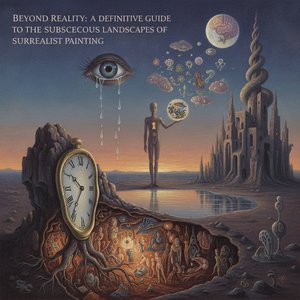 Beyond Reality: A Definitive Guide to the Subconscious Landscapes of Surrealist PaintingExplore the profound depths of Surrealism with our expert guide. Discover the history, symbolism, and psychological mastery behind iconic w…
 What is Man Ray? The Life and Legacy of a Surrealist PioneerDiscover Man Ray's experimental rayographs and explore how his surrealist masterpieces are recreated in our museum-quality oil painting rep…