Expressionism
Carnival (Lyonel Feininger)
Lyonel Feininger (1871–1956) on luonut teoksen Carnival. Se kuuluu Expressionism-liikkeeseen. Se on valmistettu materiaalilla Oil On Canvas.
- Oil On Canvas

 Esikatselu

 Käsinmaalattu öljymaalaus
 Jaa teos
 Jaa
 Tiedot-arkki


 Lataa kuva
 Samanlaisia kohteita
 Röntgenkuvaus
 Diaesitys
 Kysymykset ja vastaukset

 Tilastot
Carnival lyhyesti
- Otsikko
- Carnival
- Taiteilija
- Lyonel Feininger (1871–1956)
- Taiteilija syntynyt
- New York, Yhdysvallat
- Tekniikka
- Oil On Canvas
- Tyylisuunta
- Expressionism
- Aikakausi
- Early Modern
- Aihe
- people, figures, street scene, building, clock tower, umbrella
Mitä Carnival esittää?
Identification of Carnival by Lyonel Feininger
The street comes alive in Carnival, a spirited oil on canvas work by Lyonel Feininger. Created in 1911, this piece captures a moment of public celebration. The scene unfolds with a sense of movement, as if the viewer has just stepped into the middle of a bustling procession. People move through the space, their presence adding a layer of human energy to the urban setting.
Lyonel Feininger brings this specific vision to life through his unique handling of the medium. The oil paint carries the weight of the figures and the architecture, grounding the festive atmosphere in a tangible reality. Every brushstroke contributes to the feeling of a city in motion, caught in the middle of a joyful, crowded event. It is a window into a specific time and place, preserved through the artist's hand.
Composition and Visual Elements
A lively street scene unfolds before the eyes, filled with the restless energy of a crowd in motion. At least nine individuals populate the thoroughfare, each caught in a private moment of transit. One figure carries an umbrella against the sky, while another relies on a cane to navigate the pavement. Some travelers shoulder handbags or backpacks, their bodies angled as they move through the urban space. The figures appear to drift past one another, creating a sense of constant, rhythmic movement through the heart of the city.
In the background, the architecture looms with a sense of permanence. A building with a prominent clock tower watches over the pedestrians, its structure anchoring the bustling activity below. The composition draws the eye through the layers of the street, where the interplay of people and buildings creates a complex, layered perspective. The arrangement of the crowd suggests a spontaneous gathering, a slice of daily life where every person contributes to the collective pulse of the scene.
Technique and Artistic Style
The oil on canvas pulses with a restless energy, capturing a moment of movement through a lens of Expressionism. Colors collide and dance across the surface, refusing to settle into quietude. There is a palpable sense of rhythm in the way the pigments are applied, mirroring the lively street scene unfolding before us. The brushwork feels alive, driven by a desire to translate the emotional heat of a public celebration into visible, tactile strokes.
A subtle tension exists between the emotional intensity of Expressionism and the structural discipline of Cubist influence. While the colors scream with life, the underlying forms suggest a more calculated, geometric arrangement. This intersection of styles creates a visual language where the chaos of a crowd meets the organized logic of modernism. The figures move through a space that feels both spontaneous and carefully constructed, as if the artist is balancing the raw feeling of the moment with a precise, architectural eye.
Where to See This Artwork Today
The lively energy of this scene remains preserved within the walls of the Art Institute of Chicago. Visitors traveling to Chicago, IL, US, find this piece held within the institution's permanent collection. It resides there as a part of the Joseph Winterbotham Collection, waiting for those who wander through the museum's galleries to encounter its movement.
The painting stays housed in the Art Institute of Chicago, Chicago. It exists in this specific space, allowing the colors and the figures to remain part of the city's cultural landscape. One can find it among the many works that populate the museum's halls, where the spirit of the carnival continues to exist in its physical form.
Carnival korkearesoluutioiset kuvat

Lyonel Feininger, Carnival. Tekijänoikeudet vapaat.
Kysymyksiä teoksesta Carnival, vastaukset
Millä tekniikalla "Carnival" on tehty?
Teoksen Lyonel Feininger:n "Carnival" tekniikka on Oil On Canvas. Vedosten tavoitteena on jäljitellä tämän tekniikan ulkoasua.
Mitä Lyonel Feininger:n "Carnival" esittää?
Lyonel Feininger:n "Carnival" esittää: people, figures, street scene, building, clock tower, umbrella, cane, handbags.
Onko teos "Carnival" tekijänoikeusvapaa?
Tekijänoikeuksien osalta teos "Carnival" on vapaasti käytettävissä – tekijänoikeussuoja on päättynyt.
Kenen teokseksi "Carnival" on merkitty?
"Carnival" on Lyonel Feininger:n luoma teos. Tällä sivulla olevat tiedot kuvaavat Lyonel Feininger:n alkuperäistä työtä.
Mihin taidesuuntaukseen Lyonel Feininger:n "Carnival" kuuluu?
"Carnival" on Expressionism-tyylisuuntaan kuuluva teos. Tyylisuunta ilmaisee taiteellisen perinteen, johon teos kuuluu.
Mihin kohtaan Lyonel Feininger uraa teos "Carnival" sijoittuu?
"Carnival" edustaa taiteilijan Lyonel Feininger tuotantokautta Early Period."
Miksi teoksen "Carnival" tekijänoikeustila on sellainen kuin se on?
Lyonel Feininger:n "Carnival" on vapaasti käytettävissä – tekijänoikeussuoja on päättynyt. Tekijänoikeuden voimassaolo lasketaan taiteilijan kuolinvuodesta, joka oli 1956.
Miten "Carnival" asettuu osaksi Lyonel Feininger'n muuta tuotantoa?
Lyonel Feininger'n tuotannossa "Carnival" edustaa Expressionism-tyyliä ja kytkeytyy expressionism and cubism influence, urban life exploration, pivotal early career work, transition to fine art teemoihin.
Miten teoksen "Carnival" aihe liittyy Lyonel Feininger'n tavallisiin teemoihin?
Lyonel Feininger:n tunnettujen teemojen – expressionism and cubism influence, urban life exploration, pivotal early career work, transition to fine art – joukossa "Carnival" tuo oman painopisteensä aiheeseen people, figures, street scene, building, clock tower, umbrella, cane, handbags.
Tietoa taiteilijasta, Lyonel Feininger

1871–1956, Yhdysvallat
Lyonel Feininger
Nuoruus ja ura: Karikatyyrististä kuvataiteilijaksi Syntymä ja perhe: Lyonel Charles Adrian Feininger syntyi 17. heinäkuuta 1871 New Yorkiin. Hänen isänsä, Karl Feininger, oli saksalais-amerikkalainen viulisti ja säveltäjä, kun taas hänen äitinsä, Elizabeth Feininger, oli yhdysvaltalainen laulaja. Tämä taiteellinen perintö vaikutti syvästi hänen varhaiseen kehitykseen.
Tietoa kohteesta Lyonel Feininger Lyonel Feiningern merkittävimpiä teoksia
Myös Lyonel Feininger -teoksia
 The honeymooners
 Boats1917
 Sailing Boats
 Blue Coast

Esseitä teoksesta Carnival
 Lyonel Feininger: Bridging Expressionism & Cubism – A Study of Spiritual GeometryExplore the captivating world of Lyonel Feininger, a pivotal figure bridging Expressionism & Cubism. Discover his architectural visions, Ba…
 The Architecture of the Crowd: Examining Human Presence in Urban CompositionsExplore the evolution of urban art from Caillebotte to modern street murals. Discover the pulse of the city through masterworks.
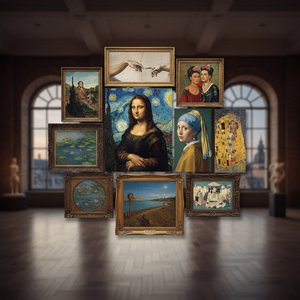 10 legendaarista öljyvärimaalausta, jotka muuttivat taiteen – OriginalUniqueArt.comTutustu 10 legendaariseen öljyvärimaalaukseen, jotka muuttivat taiteen historiaa! Leonardo da Vinci, Van Gogh ja Monet – mestariteokset tar…