

 Katso seinällä
 Lähetä
 Jaa
Jaa
 Tarkemmat tiedot
 Opas
Opas

 Lataa kuva
 Samanlaisia kohteita
 Röntgenkuvaus
 Diaesitys
 Tilastot
The Trinity with the Dead Christ
 Oil On Canvas
- WallArt
- Baroque
 1590
1590 173.0 x 127.0 cm
 Pinacoteca Vaticana
 Lue lisää
Käsinmaalattu öljyvärinen jäljennös
Käsinmaalattu öljyväri kankaalle haluamassasi koossa ja kehyksissä, taiteilijoidemme valmistamana tilauksesta. ( Vaihda tulosteeseen Siirry digitaaliseen kuvaan)




P118B €10

P118H €10

P118W €10

P438Z €10

P508JH €12

P508YH €12

P805H €10

P805Z €10

P919BZ €10

P919G €10

P919XJ €10

P959ZH €10

P968JZ €12

W106C €8

W218G €10

W218JH €8

W218Y €10

W307PJ €10

W316G €10

W316PJ €8

W316Y €10

W398PJ €8

W4111J €10

W500HY €15

W500JH €15

W692G €12

W849H €8

W940BG €15

W953PJ €8




Valitse valmiista mitoistamme sellaiset, jotka vastaavat teoksen alkuperäisiä mittasuhteita.

Voit syöttää omat mitat sopimaan tiettyyn kehykseen tai tilaan. Jos valitsemasi koko ei vastaa alkuperäisen kuvan mittasuhteita, rajaamme taideteoksen tai jatkamme maalausta käsin maalatuilla elementeillä. Digitaalinen esikatselu lähetetään hyväksyttäväksi ennen tuotannon aloittamista.
Huomioithan, että näytöllä oleva esikatselu ei vastaa todellista rajausta tai jatkamista. Vain digitaalinen mallikuva näyttää lopullisen sommittelun tarkasti.
Vaikka mittatilaustyöt ovat mahdollisia, suosittelemme valitsemaan mitan ennalta määritetystä listasta alkuperäisten mittasuhteiden säilyttämiseksi.
Tilauksen jälkeen OriginalUniqueArt.com -tiimi lähettää asiakkaalle sähköpostitse ohjeet ja esikatselukuvan.
Maailmanlaajuinen toimitus () 3–4 viikossa tavallisen 5 viikon sijaan. (13 lokakuu). Laadusta ei tingitä.

Ilmainen pikatoimitus ympäri maailman

Korkealaatuinen pellavakangas

Kattava kuljetusvakuutus

Tulliveron palautustakuu

Takuu täydellisestä värien vastaavuudesta

100 päivän palautusoikeus valmistusvirhetapauksissa

100% rahat takaisin -takuu

Määräalennus saatavilla
 Lasivaihtoehto on saatavilla vain alle 110 cm kokoisille teoksille

The Trinity with the Dead Christ
Reproduktiotapa
Replikaatin koko
-


Kokonaishinta
€ 345
A Dramatic Testament of Faith: Ludovico Carracci’s “The Trinity with the Dead Christ”
Ludovico Carracci's "The Trinity with the Dead Christ," painted around 1590, stands as a monumental achievement in Bolognese Baroque art—a testament to its profound spiritual ambition and masterful execution. More than just a depiction of biblical sorrow, it’s an immersive experience designed to evoke contemplation and convey the sublime beauty inherent within Christian iconography. This artwork immediately captivates viewers with its dynamic composition and emotionally charged atmosphere, reflecting the artistic sensibilities of its time and cementing Carracci's place as one of the foremost figures shaping the Baroque aesthetic.Composition and Technique: Pyramidal Drama Illuminated
The painting’s pyramidal structure draws the eye upwards towards Christ’s lifeless body, positioned centrally upon a draped cloth bearing Veronica’s imprint—a poignant symbol of compassion and divine mercy. Diagonal lines dominate the scene, propelling movement and intensifying the dramatic tension. Carracci skillfully employs chiaroscuro – the interplay of light and shadow – to sculpt figures and create an ethereal glow around Christ and the angels, highlighting key elements and deepening the emotional impact. The technique is characterized by meticulous layering of oil paint on canvas, resulting in rich textures that capture the subtle nuances of drapery and skin tones. This careful attention to detail underscores Carracci’s commitment to realism blended with expressive idealism—a hallmark of Baroque painting.Historical Context: Reformation Reverberations
Created during the Counter-Reformation, “The Trinity” embodies the Catholic Church's fervent desire for artistic expression that reaffirmed faith and conveyed spiritual truths. Unlike earlier depictions prioritizing theological abstraction, Carracci’s masterpiece incorporates elements of the Pieta tradition—a deeply emotive portrayal of Mary mourning over Christ’s body—further amplifying its emotional resonance. This innovative approach reflects a broader shift towards humanist sensibilities tempered by religious fervor, mirroring the artistic currents circulating throughout Europe during this period. The painting's influence extended beyond Bologna, inspiring artists like Guercino and shaping the visual language of Baroque art for decades to come.Symbolism: Sacrifice, Redemption, and Divine Grace
The artwork’s symbolism speaks volumes about Christian theology. The Trinity itself represents God as Father, Son, and Holy Spirit—a concept central to Orthodox Christianity and a cornerstone of Catholic dogma. Christ's descent into the Father’s arms symbolizes divine redemption and underscores the promise of eternal life. The angels surrounding Christ convey compassion and serve as messengers of God’s grace. Carracci’s masterful use of visual language elevates the scene beyond mere representation, transforming it into an embodiment of spiritual contemplation—a profound meditation on faith, sorrow, and hope.A Legacy Enduring Through Reproduction
Today, high-quality reproductions of “The Trinity with the Dead Christ” allow art enthusiasts worldwide to experience Carracci’s artistic genius firsthand. OriginalUniqueArt.com offers exceptional prints that faithfully capture the painting's luminous colors and dramatic textures—bringing this iconic Baroque masterpiece into homes and galleries across the globe. Explore the artwork’s captivating narrative and immerse yourself in its timeless beauty.Kysymykset ja vastaukset
Mikä on teoksen Ludovico Carracci:n "The Trinity with the Dead Christ" muoto ja mitkä ovat sen mitat?
Ludovico Carracci:n "The Trinity with the Dead Christ" on Portrait-tyyppinen teos, jonka alkuperäiset mitat ovat 173 x 127 cm.
Mihin vaiheeseen Ludovico Carracci uralla teoksen "The Trinity with the Dead Christ" vuosiluku 1590 sijoittuu?
Teoksen 1590 valmistumisvuoden perusteella "The Trinity with the Dead Christ" sijoittuu Ludovico Carracci:n tuotantokaudelle Mature Period.
Käyttääkö teos Ludovico Carracci:n "The Trinity with the Dead Christ" voimakkaita kontrasteja vai pehmeitä harmonioita?
Ludovico Carracci:n "The Trinity with the Dead Christ" teoksen väriyhdistelmä yhdistää Bold kontrastin ja Strong Color Unity harmonian.
Onko "The Trinity with the Dead Christ" tunnettu Baroque-tyylisuunnan teos?
Baroque-suuntauksen sisällä teoksella "The Trinity with the Dead Christ" on Iconic suosio.
Mistä Ludovico Carracci:n "The Trinity with the Dead Christ" -teoksen vierailijat ovat kotoisin?
Ludovico Carracci:n "The Trinity with the Dead Christ" -teoksen Tilastot esittää julkiset käyntitilastot: teoksen kuukausittaiset vierailut, vertailun taiteilijan katsotuimpiin teoksiin sekä tiedot siitä, mistä vierailijat ovat kotoisin.
Onko "The Trinity with the Dead Christ" tyypillinen esimerkki siitä, mitä Ludovico Carracci yleensä loi?
Ludovico Carracci:n tunnettujen teemojen – caracci school revival, bolognese baroque style, religious piety & grief, counter-reformation themes, emotional intensity", dramatic composition, influence of caravaggio, key work in carracci's output – joukossa "The Trinity with the Dead Christ" tuo oman painopisteensä aiheeseen religious art, deposition, christ figure, lamentation, baroque drama, italian painting, spiritual themes, emotional scene.
Mikä on teoksen Ludovico Carracci:n "The Trinity with the Dead Christ" valmistumisvuosi ja tyylisuunta?
Ludovico Carracci:n "The Trinity with the Dead Christ" on peräisin vuodelta 1590 ja edustaa tyylisuuntaa Baroque.
Onko Ludovico Carracci:n "The Trinity with the Dead Christ" pysty-, vaaka- vai neliökompositio?
Teoksella Ludovico Carracci:n "The Trinity with the Dead Christ" on Portrait -muoto. Muoto kuvaa sommittelun mittasuhteita.
Taiteilijan elämäkerta
Bolognen barokin arkkitehti
Bolognan eläväisessä ja älyllisessä sydämessä, kaupungissa, jossa renessanssin perinteet kohtasivat uuden aikakauden nousevan hengen, Ludovico Carracci nousi eurooppalaisen taiteen muutosvoimaksi. Vuonna 1555 syntyneen taiteilijan elämä oli erottamattomasti kytkeytynyt Bolognen koulukunnan perusteisiin. Osana arvostettua Carraccin sukua, serkkujensa Annibalen ja Agostinon rinnalla, Ludovico ei ainoastaan osallistunut taideliikkeeseen, vaan hän oli mukana rakentamassa siirtymää manierismin tyylitellystä ja usein keinotekoisesta eleganssista barokin syvään, tunteikkaaseen naturalismiin. Hänen varhaisia vuosia muovasi isänsä Prospero Carraccin työpaja, joka toimi kokeilujen sulatettuna uunina ja turvasatamana disegno-opin eli tarkan muodon ja anatomian havainnoinnin opiskelulle, josta tulisi myöhemmin hänen perintönsä tunnusmerkki.
Vaikka hänen serkkunsa etsivät usein mainetta Rooman loistokkailla hoveilla, Ludovico pysyi syvällä juurtuneena kotikaupunkiinsa Bolognaan. Tämä vakaa yhteys mahdollisti hänelle ainutlaatuisen taiteellisen pyhätön luomisen; hän johti akatemiaa, josta tuli majakka seuraavan sukupolven mestareille, kuten Guido Renille ja Domenichinolle. Hänen työnsä edustaa historiallisten vaikutteiden mestarillista synteesiä; hän ammentoi Rafaelin jumalallisesta armosta, Correggion pehmeästä valosta ja Tizianin rikkaasta kolorismista, mutta täytti nämä klassiset elementit uudella, dramaattisella elinvoimalla. Hylkäämällä Parmigianinon kaltaisten myöhäismanieristien venytetyt ja usein jännittyneet asennot, Ludovico syleili viskeraalisempaa todellisuutta käyttäen rohkeita eleitä ja väreilevää, tunnelmallista valoa herättämään katsojensa sielut.
Valo, varjo ja hengellinen intensiteetti
Ludovico Carraccin todellinen nero piilee hänen kykysään hallita chiaroscuroa – valon ja varjon dramaattista vuoropuhelua – niin, että se toimisi väylänä hengelliselle mietiskelylle. Hänen kankaansa eivät ole harvoin pelkkiä raamatullisten tapahtumien kuvauksia; ne ovat upottavia kokemuksia, joiden tarkoituksena on herättää uskonnollista intohimoa. Teoksissa, kuten Enkelin vapauttama puhdistuspinnan sielut, voi todistaa, kuinka hänen valon käytönsä ei ainoastaan valaise kohtausta, vaan osallistuu aktiivisesti sen kerrontaan veistäen hahmoja pimeydestä esiin korostaakseen jumalallisen myötätunnon ja armon hetkiä. Tämä tekniikka, joka tuo mieleen Caravaggion nousevan naturalismin, antoi hänelle mahdollisuuden täyttää jopa pyhimmät aiheet käsinkosketeltavalla inhimillisellä tunteella.
Hänen mestaruutensa ulottui useisiin eri tekniikoihin, freskojen monumentaalisesta mittakaavasta etsausten ja grafiikan hienovaraiseen tarkkuuteen. Olipa hän sitten vanginnut Esittelyn temppelissä tyynen pyhyyden tai Miesnukke (Herkules?) -teoksensa lihaksikkaan, heroisen jännityksen, hänen tuotannossaan kulkee yhtenäinen tunneperäisen syvyyden lanka. Hänen uskonnolliset maalauksensa, kuten Bargellini Madonna, osoittavat kyvyn järjestää monimutkaisia pyhimysten ja enkelien ryhmiä harmonisiksi mutta dynaamisiksi sommitelmiksi, joissa jokainen vaatteen poimu ja pään kallistus vaikuttaa suurempaan taivaalliseen liikkeeseen.
Kestävä perintö italialaisessa kanonissa
Ludovico Carraccin historiallista merkitystä ei voi liikaa korostaa. Hän oli keskeinen hahmo, joka auttoi elvyttämään italialaista taidetta aikana, jolloin se vaarasi pysähtyä omien formalististen perinteidensä painon alle. Puolustamalla tyyliä, joka asetti etusijalle emotionaalisen totuuden ja naturalistisen havainnoinnin, hän loi pohjan barokin aikakauden kuuluisimmille saavutuksille. Hänen vaikutuksensa säteili Bolognasta ulospäin muovaten suuren osan Euroopan esteettistä kieltä ja tarjoten perustan klassiselle naturalismille, joka hallitsi 1600-lukua.
Kun pohdimme hänen elämäänsä ja työtään, näemme taiteilijan, joka onnistui rakentamaan sillan kahden maailman välille: renessanssin rakenteellisen täydellisyyden ja barokin dramaattisen, teatraalisen energian. Hänen kykynsä yhdistää disegno-opin älyllinen tarkkuus syvään colore-tuntemukseen ja emotionaaliseen resonanssiin varmistaa hänen paikkansa yhtenä aikakautensa elävämmistä maalarista. Omistautumisellaan käsityölleen ja sitoutumisellaan taiteen hengelliseen voimaan Ludovico Carracci jätti peruuttamattoman jäljen länsimaisen maalaustaiteen historiaan, muistuttaen meitä siitä, että todellinen kauneus löytyy teknisen mestaruuden ja inhimillisen sydämen risteyskohdasta.

Ludovico Carracci
1555 - 1619 , Italia
Tietoa taiteilijasta
- Artistic Movement Or Style: Barokkimaalaus
- Artists Or Movements Influenced By This Artist:
- Caravaggio
- Guido Reni
- Artists Who Influenced This Artist:
- Michelangelo
- Rafael
- Date Of Birth: 21. huhtikuuta 1555
- Date Of Death: 1619
- Full Name: Ludovico Carracci
- Nationality: italialainen
- Notable Artworks:
- Assisialaisen Pyhän Franciscus -näky
- Ludovico Carracci
- Jasonin tarinat
- Place Of Birth: Bologna, Italia
Aiheeseen liittyvät artikkelit

Barokin loisto: Kuinka tuoda ylellisyyttä ja tunnetta nykyaikaiseen sisustukseen
Tutustu barokki sisustuksen loistoon! Opi luomaan ylellistä ja tunnelmallista kotia historiallisen tyylin inspiroimana. Vinkkejä, esimerkkejä ja in apua.

The Visceral Stage: Exploring Dramatic Narratives & Emotional Intensity in Baroque Art
Explore the dramatic world of Baroque art! Discover iconic masters like Caravaggio & Rembrandt, their techniques, and the movement's lasting impact. Expert insights for collectors & enthusiasts at OriginalUniqueArt.

The Dramatic Flourish: Exploring the Baroque Movement's Enduring Legacy in Art History
Explore the dramatic world of Baroque art! Discover iconic artists like Caravaggio & Rubens, defining techniques, and its lasting impact on art history. Expert insights for collectors & enthusiasts at OriginalUniqueArt.

Barokin mestariteokset: Taidetta ja loistoa kotiisi – OriginalUniqueArt.com
Uppoudu barokin loistokkuuteen! Tutustu Caravaggion, Rembrandtin ja Vermeerin kaltaisten mestareiden tunnetuimpiin teoksiin. Taidehistoriaa kotiisi – löydä upeat taidetulosteet ja canvas-taulut OriginalUniqueArt.comista.
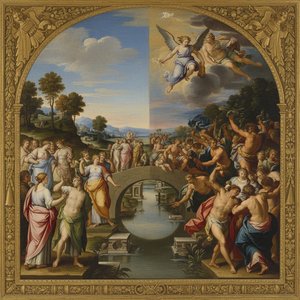
Annibale Carracci: Bridging Renaissance Ideals & Baroque Innovation
Explore the life & art of Annibale Carracci, a pivotal figure bridging Renaissance ideals with Baroque innovation. Discover his masterpieces and lasting influence on Italian painting.
