 Esikatselu
 Jaa teos
 Jaa
Jaa
 Tiedot
 Opas
Opas

 Lataa kuva
 Samanlaisia kohteita
 Röntgenkuvaus
 Diaesitys
 Q&A
Q&A Tilastot
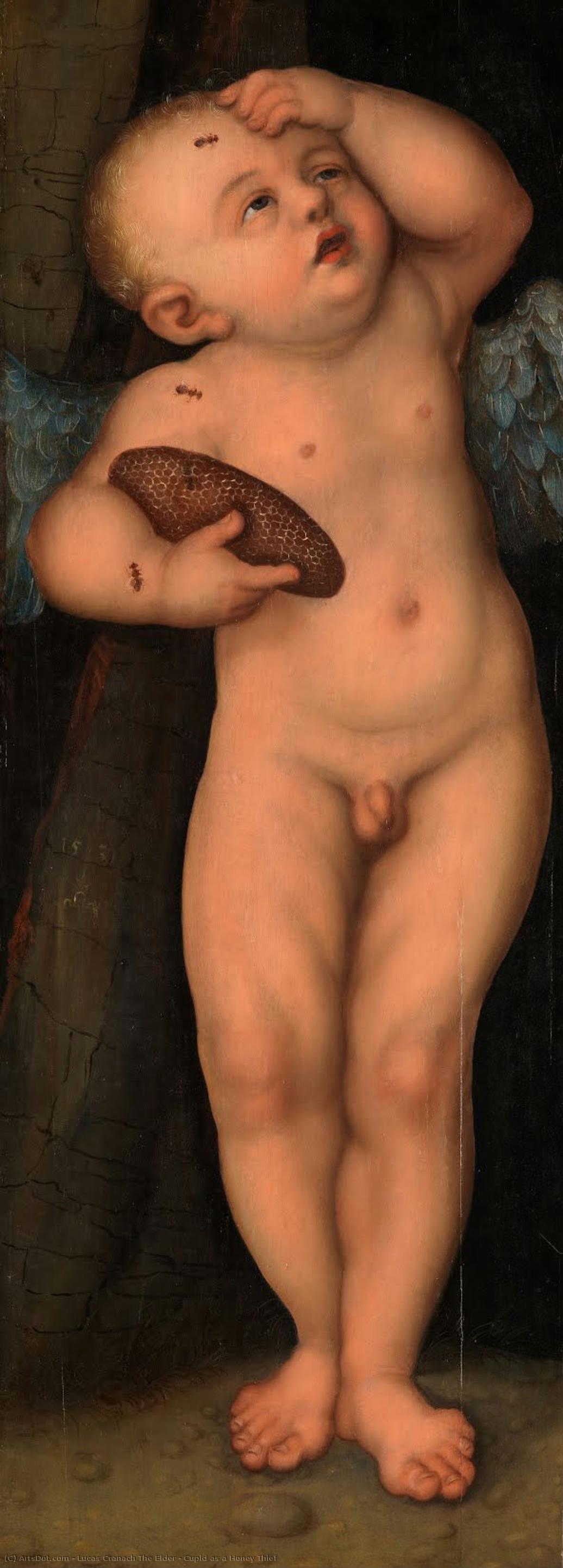
Cupid as a Honey Thief


 Lue lisää
Giclée- ja taideprintit
Museolaatuisia giclée- tai kankaitaulun tulosteita nopealla tuotannolla ja joustavilla viimeistelyvaihtoehdoilla. ( Osta käsinmaalattu taideteos Siirry digitaaliseen kuvaan)




P118B €10

P118H €10

P118W €10

P438Z €10

P508JH €12

P508YH €12

P805H €10

P805Z €10

P919BZ €10

P919G €10

P919XJ €10

P959ZH €10

P968JZ €12

W106C €8

W218G €10

W218JH €8

W218Y €10

W307PJ €10

W316G €10

W316PJ €8

W316Y €10

W398PJ €8

W4111J €10

W500HY €15

W500JH €15

W692G €12

W849H €8

W940BG €15

W953PJ €8




Valitse valmiista mitoistamme sellaiset, jotka vastaavat teoksen alkuperäisiä mittasuhteita.

Syötä tarvitsemasi leveys ja korkeus, jotta tuloste sopii kehyksiisi tai seinällesi. Tulostetta voidaan vain leikata, sitä ei voida koskaan suurentaa alkuperäistä kuvaa suuremmaksi, joten eri muotoinen koko aiheuttaa osan kuvasta katoamisen. Lähetämme sinulle digitaalisen mallikuvan hyväksyttäväksi ennen kuin aloitamme tulostuksen. Tällä sivulla näkyvä kuva ei näytä lopullista rajausta — vain mallikuva näyttää sen.
Maailmanlaajuinen toimitus () 2 viikossa tavallisen 4–5 viikon sijaan. (1 marraskuu)

Ilmainen pikatoimitus ympäri maailman

Korkealaatuinen pellavakangas

Kattava kuljetusvakuutus

Tulliveron palautustakuu

Takuu täydellisestä värien vastaavuudesta

100 päivän palautusoikeus (vain valmistusvirheet)

100% rahat takaisin -takuu

Määräalennus tarjolla
 Lasivaihtoehto on saatavilla vain alle 110 cm kokoisille teoksille

Cupid as a Honey Thief
Giclée- ja taideprintit
Replikaatin koko
-


Kokonaishinta
€ 71
Lucas Cranach's "Cupid as a Honey Thief": A Portrait of Mischief and Reformation
Lucas Cranach the Elder’s “Cupid as a Honey Thief,” painted in 1531, is more than just a charming depiction of a baby; it’s a window into the tumultuous heart of the German Renaissance. This captivating work, currently residing at the Staatliche Kunsthalle Karlsruhe, reveals the artist's masterful ability to blend technical skill with profound psychological insight – qualities that cemented his place as a pivotal figure in the era’s artistic landscape.
The painting portrays a naked infant, seemingly caught in the act of pilfering a ball. The child’s expression is one of discomfort, a subtle yet powerful detail that elevates the image beyond simple representation. Cranach doesn't simply depict a baby; he captures a fleeting moment of youthful transgression, hinting at the inherent mischief and vulnerability within human nature. The loose handling of the drapery and the slightly blurred edges contribute to this sense of immediacy and spontaneity – hallmarks of Cranach’s evolving style.
Renaissance Symbolism and Courtly Patronage
Created during a period of intense religious and political change, “Cupid as a Honey Thief” reflects the anxieties and aspirations of its time. The Reformation was gaining momentum, challenging established Catholic doctrines, and Cranach’s work often navigated this complex terrain. The image of Cupid, traditionally associated with love and desire, is here transformed into a ‘thief,’ suggesting a disruption of order – perhaps mirroring the religious upheaval occurring across Europe.
Cranach's patronage primarily came from the court of Frederick III, Elector of Saxony, a relationship that provided him with both security and access to influential circles. This connection is evident in the painting’s refined execution and its adherence to Renaissance ideals of beauty and humanism. The use of rich pigments – reds, golds, and browns – reflects the opulence associated with courtly life, while the careful attention to detail demonstrates Cranach's mastery of oil paint, a medium he skillfully employed to achieve luminous effects.
Technique and Artistic Innovation
Cranach’s technique in “Cupid as a Honey Thief” is characterized by its remarkable realism combined with an expressive quality. He utilized sfumato – a subtle blurring of edges – to create a sense of depth and atmosphere, particularly noticeable in the rendering of the baby's face. The artist’s use of light and shadow further enhances the painting’s dramatic effect, drawing the viewer’s eye to the central figure.
Unlike some of his contemporaries who favored idealized representations, Cranach embraced a more naturalistic approach, evident in the infant’s slightly awkward pose and the realistic depiction of skin tones. This commitment to observation and detail was revolutionary for its time and contributed significantly to Cranach's enduring legacy as one of the most important artists of the German Renaissance.
Emotional Impact and Reproduction Possibilities
"Cupid as a Honey Thief" resonates with viewers on multiple levels, evoking feelings of nostalgia, amusement, and perhaps even a touch of guilt. The painting’s inherent vulnerability and innocence invite contemplation about childhood, temptation, and the complexities of human behavior. A hand-painted reproduction of this iconic work offers an unparalleled opportunity to bring this captivating image into your home or office – a testament to Cranach's genius and a timeless symbol of youthful mischief.
Kysymykset ja vastaukset
Onko Lucas Cranach vanhempi:n "Cupid as a Honey Thief" maalaus, piirros vai grafiikan lehti?
"Cupid as a Honey Thief" on WallArt-teos.
Onko "Cupid as a Honey Thief"-teoksen luoja Lucas Cranach vanhempi tunnettu myös muilla nimillä?
Lucas Cranach vanhempi tunnetaan myös nimillä Lucas Maler, Lucas Cranach der Ältere, Lucas Cranach der Jüngere.
Milloin ja millä tekniikalla "Cupid as a Honey Thief" on tehty?
"Cupid as a Honey Thief" on valmistettu vuonna 1531 käyttäen Oil On Canvas-tekniikkaa. Materiaali ja päivämäärä kertovat, miten ja milloin alkuperäisteos on tehty.
Taiteilijan elämäkerta
A Renaissance Master of Saxony: The Life and Art of Lucas Cranach the Elder
Lucas Cranach the Elder, syntynyt Kronachissa, Saksassa noin 1472, on keskeinen hahmo Saksan renessanssimaailmassa. Hänen elämänsä kukoisti aikana, jolloin uskonnolliset ja poliittiset muutokset olivat voimissaan, ja hänen taiteensa oli tiiviisti sidoksissa sekä nousujohteeseen protestanttiseen reformaatioon että vaikutusvaltaisiin hoveihin, joille hän palvelemassa. Alkuperäinen koulutuksensa sai hänen isältään, Hans Malerista, ja hänen varhaisen taiteellisen kehityksensä on osittain salattu mysteeriksi, vaikka eteläsaksaisten mestareiden vaikutukset ovat näkyvissä hänen tyylinsä kehityksessä. Hän erottui nopeasti ei ainoastaan taitavana käsityöläisenä vaan myös taiteilijana, joka pystyi vangitsemaan psykologista syvyyttä yhdistettynä tekniseen tarkkuuteen – ominaisuuksia, jotka houkuttelivat pian vaikutusvaltaisten suojelijoiden huomion. Vuonna 1504 hän astui Frederick III:n palvelukseen, Saksan valtiossiirtokunnan kreivin, suhteeseen, joka määritteli suurimman osan hänen uransa ja tarjosi sekä vakautta että pääsyä vaikutusvaltaisiin piireihin. Hänen nimityksensä taidemaalariksi Wittenbergissä ei ollut vain tuotannon tekemistä koristeellisia teoksia; se sijoitti hänet suoraan yhteen Euroopan transformaatiota muuttavimmista liikkeistä.Patronage, Reformation and Artistic Innovation
Cranachin asema Saksan valtiossa ei ainoastaan varmistanut hänen elinehtonsa vaan myös hänen taiteellisen kehityksensä. Hän ei ainoastaan dokumentoinut tapahtumia; hän muokkasi aktiivisesti visuaalisia tarinoita aikana, jolloin syvällisiä muutoksia tapahtui. Hänen ikuisuuteensa vaikuttavimman perinnöstään on ehdottomasti hänen läheinen suhteensa Martin Lutherin kanssa, protestanttisen reformaation keskeiseen hahmoon. Cranach loi jopa yhdenkymmenen Lutherin muotokuvaa, joista jokainen tarjoaa ainutlaatuisen näkökulman reformatorin persoonallisuuteen ja kehittyvään rooliinsa. Nämä eivät olleet pelkästään kuvaajia; ne olivat huolellisesti suunniteltuja kuvia, jotka pyrkivät välittämään auktoriteettia, uskonnonmukaisuutta ja älyllistä vahvuutta – olennaisia ominaisuuksia johtajalle, joka haastaa vakiintuneen uskonjärjestyksen. Taide ei rajoittunut Lutherin muotokuviin; Cranach loi myös reformaation teemoja käsitteleviä maalauksia ja puutatteita, jotka levittivät protestanttisia ideoita laajasti. Hänen Raamatun aiheiden kuvauksensa poikkesivat perinteisestä katolilaisesta ikonografiasta korostaen suoraa yhteyttä pyhäkkeen kanssa ja edistäen henkilökohtaista suhdetta uskoon. *Annunciation to Joachim* -maalaus on hyvä esimerkki, joka säteilee iloisia tunnelmia, heijastaen uutta painotusta yksilölliseen hengellisyyteen uudistuksen aikana. Tämä innovatiivinen lähestymistapa ulottui myös mytologisiin maalauksiin; Cranachin kuvaukset Venuksesta ja muista klassisista hahmoista kantavat usein allegorisia merkityksiä, jotka liittyvät ajankohtaisiin poliittisiin ja sosiaalisiin kysymyksiin.A Workshop Dynasty: Style and Technique
Lucas Cranach the Elder ei ollut yksinäinen taiteilija, joka työskenteli erillään. Hän hallitsi tuottavaa työpöytää, jossa oli monia avustajia ja oppilaita, jotka edistivät merkittävästi hänen tuotantoaan. Tämä yhteistyöhön perustuva lähestymistapa tarkoitti, että monet Cranachille sijoitetut teokset olivat todellisuudessa hänen johduttamiaan tai heidän ympäröivien ihmisten tekemiä. Cranachin työpöytä tunnettiin ainutlaatuisesta tyylistä: elegantit hahmot pitkissä mittasuhteissa, eloisat värit ja huolellinen tarkkuus. Hänen tekniikkansa sisälsi öljymaalausta, puukkoloitosta ja kaivertamista, mikä mahdollisti hänelle tavoittaa laajan yleisön sekä alkuperäisten taideteosten että edullisten tulosteiden kautta. *Elector Friedrich III the Wise’s Stag Hunt* on hyvä esimerkki hänen pohjoismaisen renessanssin tyylinsä hallinnasta, joka esittää yksityiskohtaista realismia yhdistettynä kuninkaalliseen symboliikkaan. Kompositio on dynaaminen, vangiten metsästystilan energian samalla kun se välittää valiolleen vallan ja aseman. Cranachin valon ja varjon käyttö luo syvyyden ja tunnelman tunteen, joka houkuttelee katsojan kuvaan. Hänen muotokuvansa ovat yhtä vakuuttavia, niissä on psykologista syvyyttä ja hienostunutta suoritusta.Legacy and Enduring Influence
Lucas Cranach the Elder kuoli vuonna 1553, jättäen jälkeensä poikkeuksellisen taiteellisen perinnön, joka resonoi edelleen tänään. Hän oli muotokuvaustaitaja, taitava uskonnollisten teemojen tulkitsija ja viisas liikemies, joka ymmärsi visuaalisen kommunikaation voiman. Hänen työnsä heijastaa ei ainoastaan aikansa kulttuurisia ja intellektuaalisia nyansseja vaan myös muokkasi niitä. Cranachin työpöytä kukoisti hänen kuolemansa jälkeen, mikä varmisti, että hänen tyylinsä ja tekniikkansa periytyivät sukupolvien ajan. Hänen vaikutuksensa näkyy monien myöhempien taiteilijoiden töissä, ja hänen maalauksensa ovat edelleen kysyttyjä kokoelmissa ja museoissa ympäri maailmaa. Alkuperäisistä Lutherin muotokuvista lumoaviin mytologisiin kuviin Cranachin taide tarjoaa kiehtovan näkymän Saksan renessanssin maailmaan – maailmaan, joka on merkitty sekä syvälliseen hengelliseen kyseenalaistamiseen että taiteelliseen innovaatioon. Hänen kykynsä yhdistää uskonnollinen intohimo, poliittinen taito ja taiteellinen lahjakkuus vakiinnutti hänen paikkansa aikansa tärkeimpänä taiteilijana, ja hänen panoksensa inspiroivat ja kiehtovat yleisöjä vuosisatojen ajan.
Lucas Cranach vanhempi
1472 - 1553 , Saksa
Pähkinänkuoressa
- Artistic Movement Or Style: Saksa-renessanssi
- Artists Or Movements Influenced By This Artist: ['Albrecht Dürer']
- Artists Who Influenced This Artist: ['Hans Maler']
- Date Of Birth: 1472
- Date Of Death: 1553
- Full Name: Lucas Cranach van der Ältere
- Nationality: Saksalainen
- Notable Artworks:
- Stagjakt
- Selvporträtt
- Annunciation
- Place Of Birth: Kronach, Saksa
Aiheeseen liittyvät artikkelit

OriginalUniqueArt.com F.A.Q.: Elevate Your Decor with Premium Textured Giclée Prints
Discover the distinction of OriginalUniqueArt.com premium textured Giclée prints. Expertly crafted with archival 12-color pigments and museum-grade substrates, our prints offer unparalleled vividness for the discerning collector seeking luxury, durability, and timeless elegance.