Esikatselu
 Jaa teos
 Jaa
Jaa
 Tiedot
 Opas
Opas

 Lataa kuva
 Samanlaisia kohteita
 Röntgenkuvaus
 Diaesitys
 Tilastot
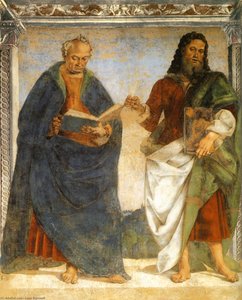
St Augustine Altarpiece (left wing)
 Oil On Canvas
- WallArt
- High Renaissance
 1498
1498 146.0 x 76.0 cm
 Staatliche Museen zu Berlin
 Lue lisää
Käsinmaalattu öljyvärinen jäljennös
Käsinmaalattu öljyväri kankaalle haluamassasi koossa ja kehyksissä, taiteilijoidemme valmistamana tilauksesta. ( Vaihda tulosteeseen Siirry digitaaliseen kuvaan)




P118B €10

P118H €10

P118W €10

P438Z €10

P508JH €12

P508YH €12

P805H €10

P805Z €10

P919BZ €10

P919G €10

P919XJ €10

P959ZH €10

P968JZ €12

W106C €8

W218G €10

W218JH €8

W218Y €10

W307PJ €10

W316G €10

W316PJ €8

W316Y €10

W398PJ €8

W4111J €10

W500HY €15

W500JH €15

W692G €12

W849H €8

W940BG €15

W953PJ €8




Valitse valmiista mitoistamme sellaiset, jotka vastaavat teoksen alkuperäisiä mittasuhteita.

Kirjoita tarvitsemasi leveys ja korkeus, jotta teos sopii kehyksiisi tai seinällesi. Koska kyseessä on käsinmaalattu teos, taiteilija voi maalata hieman enemmän kuvan ympärille tai rajata sitä hieman, jos haluat eri muotoisen koon — valinta on sinun. Lähetämme sinulle digitaalisen mallikuvan hyväksyttäväksi ennen kuin maalaus alkaa. Tällä sivulla näkyvä kuva ei vastaa lopullista tulosta — vain mallikuva näyttää sen.
Tilauksen jälkeen OriginalUniqueArt.com -tiimi lähettää asiakkaalle sähköpostitse ohjeet ja esikatselukuvan
Maailmanlaajuinen toimitus () 3–4 viikossa tavallisen 5 viikon sijaan. (28 lokakuu). Laadusta ei tingitä.

Ilmainen pikatoimitus ympäri maailman

Korkealaatuinen pellavakangas

Kattava kuljetusvakuutus

Tulliveron palautustakuu

Takuu täydellisestä värien vastaavuudesta

100 päivän palautusoikeus (vain valmistusvirheet)

100% rahat takaisin -takuu

Määräalennus tarjolla
 Lasivaihtoehto on saatavilla vain alle 110 cm kokoisille teoksille

St Augustine Altarpiece (left wing)
Reproduktiotekniikka
Replikaatin koko
-


Kokonaishinta
€ 264
Luca Signorelli’s St Augustine Altarpiece (Left Wing): A Window into Renaissance Devotion
The left wing of Luca Signorelli's “St Augustine Altarpiece,” completed in 1498 for the Bichi Chapel within the church of Sant’Agostino in Siena, is more than just a beautiful painting; it’s a profound meditation on faith, charity, and the intertwined destinies of earthly and divine figures. Measuring a modest 146 x 76 centimeters, this panel offers an intimate glimpse into the artistic sensibilities of a master navigating the complexities of late Renaissance Italy. Signorelli, already establishing himself as a draftsman of exceptional skill – evidenced by his early work in Arezzo and Castelli – here demonstrates a remarkable ability to imbue a seemingly simple scene with layers of meaning and emotional resonance.
The composition immediately draws the eye to the central trio: three women draped in rich crimson robes, their gestures conveying both solemnity and profound compassion. The woman on the left cradles a baby, a potent symbol of innocence and new life – a direct reference to Mary holding infant Jesus. Beside her stands another woman, supporting a child, mirroring the Virgin’s protective embrace. The third figure, positioned slightly further back, gazes downwards with an expression of quiet contemplation, perhaps reflecting on the spiritual journey or offering solace to those she observes. These women are not merely decorative elements; they represent key figures in Christian iconography – Mary Magdalene, Saint Catherine of Siena, and Saint Jerome, each embodying a specific virtue and contributing to the altarpiece’s overarching theme of divine grace.
Adding depth to this devotional tableau are two men, subtly integrated into the scene. One stands near the center, engaged in conversation with the women, while the other is positioned on the left side, seemingly observing the proceedings. Their presence suggests a community united by faith and shared devotion – a microcosm of Renaissance society reflecting upon spiritual matters. Signorelli’s masterful use of foreshortening, a technique he honed during his time in Florence under Piero della Francesca, creates a sense of spatial realism, drawing the viewer into this intimate tableau. The figures appear to be caught in a moment of genuine interaction, their expressions conveying a palpable sense of warmth and connection.
Technique and Style: High Renaissance Refinement
Signorelli’s style within this altarpiece is firmly rooted in the High Renaissance, yet it possesses a distinctly Italian character. He skillfully blends classical influences with his own innovative approach to composition and color. The use of *sfumato*, a technique popularized by Leonardo da Vinci, softens the edges of the figures and creates an atmospheric haze that enhances the sense of depth and realism. The rich crimson robes are rendered with meticulous detail, their textures suggesting luxurious fabrics while simultaneously conveying a sense of solemnity. Signorelli’s palette is restrained yet vibrant, dominated by earthy tones – ochres, siennas, and umbers – punctuated by flashes of red and gold.
Signorelli's mastery of drawing is immediately apparent in the precise rendering of the figures’ anatomy and drapery. He demonstrates a deep understanding of human form, capturing both its beauty and vulnerability with remarkable accuracy. The subtle gradations of light and shadow – *chiaroscuro* – further enhance the sense of realism, creating a three-dimensional effect that draws the viewer into the scene. The composition is carefully balanced, with each figure occupying a specific space within the frame, contributing to the overall harmony and visual impact of the work.
Historical Context: Siena and the Renaissance
To fully appreciate the “St Augustine Altarpiece,” it’s crucial to understand its historical context. Siena in the late 15th century was a thriving center of commerce, art, and religious devotion. The Bichi Chapel, where the altarpiece resided, served as a focal point for community life, reflecting the city's wealth and piety. The commission itself underscores the importance of religious patronage during this period – wealthy families like the Piccolominis sought to demonstrate their faith through lavish displays of art and architecture.
Signorelli’s work reflects the broader trends of the High Renaissance, which emphasized humanism, classical learning, and a renewed interest in naturalism. However, unlike some of his contemporaries who embraced Mannerist styles characterized by elongated figures and distorted perspectives, Signorelli maintains a sense of balance and clarity. His altarpiece embodies a harmonious blend of tradition and innovation, reflecting the artistic sensibilities of a master navigating the complexities of his time.
A Timeless Reflection on Faith and Humanity
The “St Augustine Altarpiece (Left Wing)” is more than just a beautiful painting; it’s a poignant meditation on faith, charity, and the enduring power of human connection. Signorelli's masterful composition, skillful technique, and profound understanding of religious iconography combine to create an image that continues to resonate with viewers centuries after its creation. Reproductions capture the essence of this work, allowing us to experience its beauty and emotional depth in our own homes. It serves as a reminder of the enduring legacy of Renaissance art – a testament to the power of human creativity to express profound spiritual truths.
Kysymykset ja vastaukset
Onko Luca Signorelli:n "St Augustine Altarpiece (left wing)" maalaus, piirros vai grafiikan lehti?
"St Augustine Altarpiece (left wing)" on WallArt-teos.
Mihin huoneeseen Luca Signorelli:n "St Augustine Altarpiece (left wing)" sopii parhaiten?
Suositeltu tila teokselle Luca Signorelli:n "St Augustine Altarpiece (left wing)" on Living Room. Suositusta voidaan tietysti mukauttaa sisustukseesi sopivaksi.
Voinko nähdä teoksen Luca Signorelli:n "St Augustine Altarpiece (left wing)" eri valaistuksissa?
Luca Signorelli:n "St Augustine Altarpiece (left wing)" -teoksen Röntgentutkimus -sivu on interaktiivinen katseluohjelma, jonka avulla voit selata teoksen kuvaa yhdennellätoista optisella kerroksella, mukaan lukien röntgenkuvamainen näkymä.
Taiteilijan elämäkerta
Luca Signorelli: Italian Renaissance Master of Drama and Foreshortening
Luca Signorelli, syntymänimeltään Luca d’Egidio di Ventura, eli 1450–1523 Cortonassa Toscana. Hänen elämänsä ja taiteensa ovat kiehtoneet katsojia vuosisatojen ajan, ja hän on tunnettu erityisesti dramaattisista freskoistaan, taitavista piirustuksistaan sekä innovatiivisesta käytöstään foreshorteningille – lyhennystekniikalle, joka luo illuusion syvyyttä. Signorelli oli merkittävä hahmo italialaisessa renessanssissa, aikakaudella, joka merkitsi siirtymää keskiajalta varhaiseen moderniin Eurooppaan. Hän yhdisti klassisten traditioiden, naturalismin ja humanismin intohimon luoden teoksia, jotka ovat edelleen vaikuttavia. Hänen taiteensa pohjana oli vahva piirustustaito, jonka avulla hän pystyi vangitsemaan ihmisen anatomian ja liikkeen uskomattoman tarkasti. Signorelli aloitti uransa Perugiassa, jossa hän sai vaikutteita muun muassa Benedetto Bonfigli, Lorenzo Ghibertin ja Pinturicchin töistä. Näiden taiteilijoiden tyylit, erityisesti niiden dramaattinen tunnelma ja yksityiskohtainen kuvaus ihmisestä, vaikuttivat merkittävästi Signorellin kehitykseen. Hän sai ensimmäisen virallisen opetuksensa Pierro della Francescan johdolla, mutta hänen taiteelliset vaikutteensa ulottuivat laajemmalle. Hänen työnsä on dokumentoitu useissa paikoissa, kuten Arezzon kaupungissa (1472) ja Città di Castelloon (1474), mikä osoittaa hänen kasvavaa mainettaan ja taiteellista aktiivisuuttaan.Notable Works and Artistic Techniques
Signorellin tuotannossa on useita merkittäviä teoksia, jotka heijastavat hänen taitoaansa ja innovatiivisuuttaan. Yksi hänen tunnetuimmista teoksistaan on "School of Pan" (1475), jonka hän lahjoitti Lorenzo de’ Medicille. Maalaus esittää panimiehen ja nymfejen ryhmän, ja se on huomattava esimerkki Signorellin kyvystä vangita ihmisen hahmon realistisesti sekä hallita valon ja varjon suhteita (chiaroscuro). Hänen mestariteoksensa "The Last Judgment" (1499-1503), joka sijaitsee Orvieton tuomiokirkossa, on ehkä hänen merkittävin teoksistaan. Fresko esittää Jeesuksen tuomion ja on vaikuttava esimerkki renessanssin aikaisen freskomaalauksen mittakaavasta ja dramaattisuudesta. Toinen merkittävä työ on St. Medardin polyptyychi (1507), joka sijaitsee Museo San Medardossa Arceviassa. Polyptyychi on huomattava esimerkki Signorellin kyvystä luoda monimutkaisia ja yksityiskohtaisia kuvia, jotka vangitsevat ihmisen liikkeen ja tunteet. Hänen tyylinsä tunnusmerkkinä oli myös foreshortening – lyhennystekniikka, jolla hän pystyi luomaan illuusion syvyyttä ja perspektiiviä pinta-asennoksissa. Tämä tekniikka mahdollisti hänelle esittää ihmishahmot ja esineet uskottavasti, vaikka ne olisivatkin kuvattu vain osittain.Influences and Artistic Development
Signorellin taiteellinen kehitys oli vahvasti sidoksissa hänen aikansa muihin taiteilijoihin. Hänen työnsä vaikutti merkittävästi fra Angelicon tyyliin, joka tunnetaan erityisesti kirkkojen freskoistaan ja niiden uskonnollisesta tunnelmasta. Signorelli oppi myös Pierro della Francescan piirustustekniikoista, jotka olivat keskeisiä hänen omalle taiteelleen. Hänen vaikutteensa ulottui myös renessanssin varhaisiin mestareihin, kuten Masaccioon ja Donateloon, joiden tyylit korostivat realistisuutta ja perspektiivin käyttöä. Signorellin taide yhdisti nämä eri elementit luoden oman ainutlaatuisen tyylinsä. Signorelli ei ainoastaan omaksunut muiden taiteilijoiden tekniikoita, vaan myös kehitti niitä edelleen. Hänen työnsä osoittaa hänen kyvynnsä luoda dramaattisia ja tunteellisesti voimakkaita kuvia, jotka vangitsevat sekä ihmisen fyysisen että henkisen maailman. Hänen taiteensa on edelleen vaikuttava esimerkki renessanssin aikaisen taiteen lahjakkuudesta ja innovatiivisuudesta.Legacy and Historical Significance
Luca Signorellin vaikutus italialaisen renessanssitaiteen kehitykseen oli merkittävä. Hänen foreshortening-tekniikkansa ja piirustustaidonsa inspiroivat monia hänen jälkeisiä taiteilijoitaan. Hän edusti aikansa taiteellista ilmentymää, joka yhdisti klassisten traditioiden, naturalismin ja humanismin intohimon. Hänen teoksensa ovat edelleen arvokkaita esimerkkejä renessanssin aikaisen taiteen lahjakkuudesta ja innovatiivisuudesta. Signorellin työ on säilynyt hyvin monissa museoissa ja katedraaleissa ympäri Italiaa, ja se jatkaa inspiroimasta taiteilijoita ja katsojia kautta maailman. Hänen elämänsä ja hänen taiteensa ovat merkittävä osa italialaisen kulttuurin historiaa.
Luca Signorelli
1450 - 1523 , Italia
Pähkinänkuoressa
- Artistic Movement Or Style: Renaissance
- Artists Or Movements Influenced By This Artist: ['Fra Angelico']
- Artists Who Influenced This Artist:
- Benedetto Bonfigli
- Pinturicchio
- Date Of Birth: n. 1450 Cortona
- Date Of Death: 16. lokakuuta 1523 Cortona
- Full Name: Luca di Egidio di Ventura Signorelli
- Nationality: Italian
- Notable Artworks:
- Viimeinen tuomio
- Panin koulu
- Place Of Birth: Cortona, Italia
Aiheeseen liittyvät artikkelit

The Enduring Muse: Women as Subject & Symbol in Art History
Explore the rich history of women in art – from iconic muses to groundbreaking artists. Discover feminist movements, global perspectives & reclaim female narratives with OriginalUniqueArt.
Sacred Expressions: A Journey Through Devotional Art Across Cultures & Eras
Explore the rich history of devotional art across cultures & eras with expert insights! Discover iconic masterpieces, symbolism, and artistic techniques. A guide for collectors & enthusiasts.
Sacred Expressions: A Journey Through Devotional Art Across Cultures & Eras
Explore the rich history of devotional art across cultures & eras. Discover iconic masterpieces, symbolism, and artistic techniques. Expert insights for collectors & enthusiasts.
The Enduring Muse: Women as Subject & Symbol in Art History
Explore the rich history of women in art – from archetypal representations to contemporary voices challenging norms. Discover iconic artists & movements, and learn about reclaiming female narratives through painting and beyond.

Sacred Narratives on Canvas: Exploring Devotional Imagery Across Art History
Explore the rich history of devotional art! Discover iconic masterpieces, symbolism & techniques from antiquity to the Renaissance. Expert insights for collectors & enthusiasts at OriginalUniqueArt.