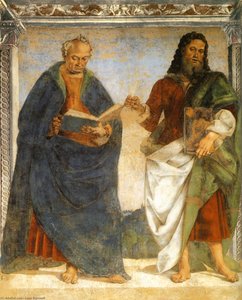
Esikatselu
 Jaa teos
 Jaa
Jaa
 Tiedot
 Opas
Opas

 Lataa kuva
 Samanlaisia kohteita
 Röntgenkuvaus
 Diaesitys
 Kysymykset ja vastaukset
 Tilastot
Madonna and Child

- 51.0 x 48.0 cm


 Lue lisää
Giclée- ja taideprintit
Museolaatuisia giclée- tai kankaitaulun tulosteita nopealla tuotannolla ja joustavilla viimeistelyvaihtoehdoilla. ( Osta käsinmaalattu taideteos Siirry digitaaliseen kuvaan)




P118B €10

P118H €10

P118W €10

P438Z €10

P508JH €12

P508YH €12

P805H €10

P805Z €10

P919BZ €10

P919G €10

P919XJ €10

P959ZH €10

P968JZ €12

W106C €8

W218G €10

W218JH €8

W218Y €10

W307PJ €10

W316G €10

W316PJ €8

W316Y €10

W398PJ €8

W4111J €10

W500HY €15

W500JH €15

W692G €12

W849H €8

W940BG €15

W953PJ €8




Valitse valmiista mitoistamme sellaiset, jotka vastaavat teoksen alkuperäisiä mittasuhteita.

Syötä tarvitsemasi leveys ja korkeus, jotta tuloste sopii kehyksiisi tai seinällesi. Tulostetta voidaan vain leikata, sitä ei voida koskaan suurentaa alkuperäistä kuvaa suuremmaksi, joten eri muotoinen koko aiheuttaa osan kuvasta katoamisen. Lähetämme sinulle digitaalisen mallikuvan hyväksyttäväksi ennen kuin aloitamme tulostuksen. Tällä sivulla näkyvä kuva ei näytä lopullista rajausta — vain mallikuva näyttää sen.
Maailmanlaajuinen toimitus () 2 viikossa tavallisen 4–5 viikon sijaan. (4 marraskuu)

Ilmainen pikatoimitus ympäri maailman

Korkealaatuinen pellavakangas

Kattava kuljetusvakuutus

Tulliveron palautustakuu

Takuu täydellisestä värien vastaavuudesta

100 päivän palautusoikeus (vain valmistusvirheet)

100% rahat takaisin -takuu

Määräalennus tarjolla
 Lasivaihtoehto on saatavilla vain alle 110 cm kokoisille teoksille

Madonna and Child
Giclée- ja taideprintit
Replikaatin koko
-


Kokonaishinta
€ 72
A Divine Encounter: Unveiling Luca Signorelli's Madonna and Child
Luca Signorelli’s 1505 “Madonna and Child” is more than just a religious painting; it’s a profound meditation on motherhood, faith, and the enduring power of human connection. Born in Cortona, Italy, around 1441-1445, Signorelli was a pivotal figure in the late Renaissance, renowned for his meticulous draftsmanship and his ability to seamlessly blend classical ideals with deeply felt emotion. This particular work, gifted to his daughter, offers a rare glimpse into the artist’s personal sentiments and reflects his deep engagement with both ancient Roman art and the burgeoning humanist movement of his time.
The painting immediately captivates with its intricate detail and harmonious composition. Signorelli masterfully employs perspective, drawing the viewer's eye towards the central figures of Mary and Christ. The realism is striking – not merely a depiction of idealized beauty, but a portrayal of genuine tenderness and vulnerability. Notice the subtle modeling of flesh, the delicate folds of her garments, and the serene expression on Mary’s face; these details speak to Signorelli's profound understanding of human anatomy and his commitment to capturing authentic emotion.
Echoes of Antiquity: The Roman Golden House
Signorelli’s genius lies not only in his technical skill but also in his sophisticated artistic references. The painting is deeply indebted to the rediscovered grandeur of ancient Rome, specifically the lavish decorations of Nero's Golden House. The elaborate background—a shimmering golden frame punctuated by the subtly integrated heads of Emperor Domitian and Caracalla – isn’t merely decorative; it’s a deliberate invocation of classical power and authority. This reference elevates the scene beyond a simple devotional image, suggesting a connection between the divine and the earthly realms, mirroring the Roman emperors' own claims to divinity.
The inclusion of these imperial portraits adds layers of meaning. Domitian, known for his autocratic rule and persecution of Christians, represents earthly power and potential tyranny. Caracalla, who initiated policies promoting religious tolerance, symbolizes a more nuanced approach to governance. By juxtaposing these figures within the sacred context of motherhood, Signorelli invites contemplation on themes of justice, compassion, and the enduring legacy of Roman civilization.
Symbolism and Sacred Color
Every element in “Madonna and Child” is imbued with symbolic significance. Mary’s blue cloak, a recurring motif in Renaissance art, represents purity and virginity – qualities highly valued within Christian theology. The red garment worn by the infant Jesus, often interpreted as the color of royalty or sacrifice (referencing his future crucifixion), subtly foreshadows his destiny. The serene expression on Mary's face conveys a profound sense of peace and devotion, while her gentle gaze towards Christ speaks to their intimate connection.
The small figures flanking the central scene – often interpreted as angels or cherubs – further enhance the painting’s spiritual atmosphere, acting as silent witnesses to this sacred moment. The overall effect is one of profound reverence and emotional resonance, inviting viewers to contemplate the miracle of birth and the enduring power of faith.
A Legacy in Reproduction: Bringing Signorelli's Vision Home
OriginalUniqueArt offers meticulously crafted hand-painted reproductions of Luca Signorelli’s “Madonna and Child,” allowing you to experience the artistry and emotional depth of this Renaissance masterpiece in your own home. Our skilled artists faithfully recreate Signorelli’s intricate details, vibrant colors, and masterful composition, ensuring that every reproduction captures the essence of the original painting. Whether you're a seasoned art collector or simply seeking to add a touch of timeless beauty to your interior space, our “Madonna and Child” reproduction is a stunning tribute to one of the Renaissance’s most gifted artists.
Kysymykset ja vastaukset
Mikä on "Madonna and Child" hallitseva sävy?
Teoksen Luca Signorelli:n "Madonna and Child" hallitseva sävy on Golden Yellow Range. Tämä sävy toimii paletin perusvärinä.
Kuinka vanha Luca Signorelli oli tehdessään "Madonna and Child"?
Kun "Madonna and Child" luotiin vuonna 1505, Luca Signorelli (syntynyt 1450) oli 55 vuotias.
Mitä tunnetta Luca Signorelli:n "Madonna and Child" välittää?
Luca Signorelli:n "Madonna and Child" välittää Calm tunteen yleisessä Romantic tunnelmassa.
Taiteilijan elämäkerta
Luca Signorelli: Italian Renaissance Master of Drama and Foreshortening
Luca Signorelli, syntymänimeltään Luca d’Egidio di Ventura, eli 1450–1523 Cortonassa Toscana. Hänen elämänsä ja taiteensa ovat kiehtoneet katsojia vuosisatojen ajan, ja hän on tunnettu erityisesti dramaattisista freskoistaan, taitavista piirustuksistaan sekä innovatiivisesta käytöstään foreshorteningille – lyhennystekniikalle, joka luo illuusion syvyyttä. Signorelli oli merkittävä hahmo italialaisessa renessanssissa, aikakaudella, joka merkitsi siirtymää keskiajalta varhaiseen moderniin Eurooppaan. Hän yhdisti klassisten traditioiden, naturalismin ja humanismin intohimon luoden teoksia, jotka ovat edelleen vaikuttavia. Hänen taiteensa pohjana oli vahva piirustustaito, jonka avulla hän pystyi vangitsemaan ihmisen anatomian ja liikkeen uskomattoman tarkasti. Signorelli aloitti uransa Perugiassa, jossa hän sai vaikutteita muun muassa Benedetto Bonfigli, Lorenzo Ghibertin ja Pinturicchin töistä. Näiden taiteilijoiden tyylit, erityisesti niiden dramaattinen tunnelma ja yksityiskohtainen kuvaus ihmisestä, vaikuttivat merkittävästi Signorellin kehitykseen. Hän sai ensimmäisen virallisen opetuksensa Pierro della Francescan johdolla, mutta hänen taiteelliset vaikutteensa ulottuivat laajemmalle. Hänen työnsä on dokumentoitu useissa paikoissa, kuten Arezzon kaupungissa (1472) ja Città di Castelloon (1474), mikä osoittaa hänen kasvavaa mainettaan ja taiteellista aktiivisuuttaan.Notable Works and Artistic Techniques
Signorellin tuotannossa on useita merkittäviä teoksia, jotka heijastavat hänen taitoaansa ja innovatiivisuuttaan. Yksi hänen tunnetuimmista teoksistaan on "School of Pan" (1475), jonka hän lahjoitti Lorenzo de’ Medicille. Maalaus esittää panimiehen ja nymfejen ryhmän, ja se on huomattava esimerkki Signorellin kyvystä vangita ihmisen hahmon realistisesti sekä hallita valon ja varjon suhteita (chiaroscuro). Hänen mestariteoksensa "The Last Judgment" (1499-1503), joka sijaitsee Orvieton tuomiokirkossa, on ehkä hänen merkittävin teoksistaan. Fresko esittää Jeesuksen tuomion ja on vaikuttava esimerkki renessanssin aikaisen freskomaalauksen mittakaavasta ja dramaattisuudesta. Toinen merkittävä työ on St. Medardin polyptyychi (1507), joka sijaitsee Museo San Medardossa Arceviassa. Polyptyychi on huomattava esimerkki Signorellin kyvystä luoda monimutkaisia ja yksityiskohtaisia kuvia, jotka vangitsevat ihmisen liikkeen ja tunteet. Hänen tyylinsä tunnusmerkkinä oli myös foreshortening – lyhennystekniikka, jolla hän pystyi luomaan illuusion syvyyttä ja perspektiiviä pinta-asennoksissa. Tämä tekniikka mahdollisti hänelle esittää ihmishahmot ja esineet uskottavasti, vaikka ne olisivatkin kuvattu vain osittain.Influences and Artistic Development
Signorellin taiteellinen kehitys oli vahvasti sidoksissa hänen aikansa muihin taiteilijoihin. Hänen työnsä vaikutti merkittävästi fra Angelicon tyyliin, joka tunnetaan erityisesti kirkkojen freskoistaan ja niiden uskonnollisesta tunnelmasta. Signorelli oppi myös Pierro della Francescan piirustustekniikoista, jotka olivat keskeisiä hänen omalle taiteelleen. Hänen vaikutteensa ulottui myös renessanssin varhaisiin mestareihin, kuten Masaccioon ja Donateloon, joiden tyylit korostivat realistisuutta ja perspektiivin käyttöä. Signorellin taide yhdisti nämä eri elementit luoden oman ainutlaatuisen tyylinsä. Signorelli ei ainoastaan omaksunut muiden taiteilijoiden tekniikoita, vaan myös kehitti niitä edelleen. Hänen työnsä osoittaa hänen kyvynnsä luoda dramaattisia ja tunteellisesti voimakkaita kuvia, jotka vangitsevat sekä ihmisen fyysisen että henkisen maailman. Hänen taiteensa on edelleen vaikuttava esimerkki renessanssin aikaisen taiteen lahjakkuudesta ja innovatiivisuudesta.Legacy and Historical Significance
Luca Signorellin vaikutus italialaisen renessanssitaiteen kehitykseen oli merkittävä. Hänen foreshortening-tekniikkansa ja piirustustaidonsa inspiroivat monia hänen jälkeisiä taiteilijoitaan. Hän edusti aikansa taiteellista ilmentymää, joka yhdisti klassisten traditioiden, naturalismin ja humanismin intohimon. Hänen teoksensa ovat edelleen arvokkaita esimerkkejä renessanssin aikaisen taiteen lahjakkuudesta ja innovatiivisuudesta. Signorellin työ on säilynyt hyvin monissa museoissa ja katedraaleissa ympäri Italiaa, ja se jatkaa inspiroimasta taiteilijoita ja katsojia kautta maailman. Hänen elämänsä ja hänen taiteensa ovat merkittävä osa italialaisen kulttuurin historiaa.
Luca Signorelli
1450 - 1523 , Italia
Pähkinänkuoressa
- Artistic Movement Or Style: Renaissance
- Artists Or Movements Influenced By This Artist: ['Fra Angelico']
- Artists Who Influenced This Artist:
- Benedetto Bonfigli
- Pinturicchio
- Date Of Birth: n. 1450 Cortona
- Date Of Death: 16. lokakuuta 1523 Cortona
- Full Name: Luca di Egidio di Ventura Signorelli
- Nationality: Italian
- Notable Artworks:
- Viimeinen tuomio
- Panin koulu
- Place Of Birth: Cortona, Italia
Aiheeseen liittyvät artikkelit

Uffizin 25 mestariteosta: Renessanssin helmet Firenzeen – Taidetta kotiisi OriginalUniqueArtilla
Uppoudu Firenzen Uffizin 25 mestariteokseen! Tutustu Botticellin, Da Vincin ja muiden renessanssin huipputaiteilijoiden tarinoihin. Löydä inspiraatiota sisustukseesi ja korkealaatuiset taideprintit OriginalUniqueArtilla. Explore the full collection online!
Divine Love: A Curated Guide to the Most Iconic Madonna and Child Masterpieces in Art History
Embark on a sophisticated journey through art history with our curated guide to the most iconic Madonna and Child masterpieces. Discover the profound beauty, theological depth, and enduring legacy of these sacred Renaissance treasures.

Rafaelin 25 mestariteosta: Taidetta kotiisi OriginalUniqueArtilta
Tutustu Rafaelin 25 upeimpaan mestariteokseen! Uppoudu renessanssitaiteen maailmaan, opi maalauksien tarinat ja löydä inspiraatiota kotiisi. Laadukkaat taideprintit OriginalUniqueArtilta – tutki kokoelma verkossa!
Jacob Henricus Maris: A Master of Dutch Atmospheric Realism & the Intimate Landscape
Explore the captivating world of Jacob Henricus Maris, a leading figure of the Dutch Hague School. Discover his atmospheric landscapes, signature brushstrokes & lasting influence on 19th-century art. Learn more at OriginalUniqueArt.

Luca Signorelli: Renaissance Innovation & Dramatic Foreshadowing of Modern Artistic Expression
Explore the revolutionary art of Luca Signorelli, a High Renaissance master renowned for his dramatic frescoes & anatomical precision. Discover his lasting impact on art history and techniques like foreshortening.