Esikatselu
 Jaa teos
 Jaa
Jaa
 Tiedot
 Opas
Opas

 Lataa kuva
 Samanlaisia kohteita
 Röntgenkuvaus
 Diaesitys
 Kysymykset ja vastaukset
 Tilastot
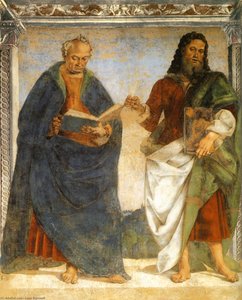
Four Demons with a Book

- 335.0 x 284.0 cm


 Lue lisää
Giclée- ja taideprintit
Museolaatuisia giclée- tai kankaitaulun tulosteita nopealla tuotannolla ja joustavilla viimeistelyvaihtoehdoilla. ( Osta käsinmaalattu taideteos Siirry digitaaliseen kuvaan)




P118B €10

P118H €10

P118W €10

P438Z €10

P508JH €12

P508YH €12

P805H €10

P805Z €10

P919BZ €10

P919G €10

P919XJ €10

P959ZH €10

P968JZ €12

W106C €8

W218G €10

W218JH €8

W218Y €10

W307PJ €10

W316G €10

W316PJ €8

W316Y €10

W398PJ €8

W4111J €10

W500HY €15

W500JH €15

W692G €12

W849H €8

W940BG €15

W953PJ €8




Valitse valmiista mitoistamme sellaiset, jotka vastaavat teoksen alkuperäisiä mittasuhteita.

Syötä tarvitsemasi leveys ja korkeus, jotta tuloste sopii kehyksiisi tai seinällesi. Tulostetta voidaan vain leikata, sitä ei voida koskaan suurentaa alkuperäistä kuvaa suuremmaksi, joten eri muotoinen koko aiheuttaa osan kuvasta katoamisen. Lähetämme sinulle digitaalisen mallikuvan hyväksyttäväksi ennen kuin aloitamme tulostuksen. Tällä sivulla näkyvä kuva ei näytä lopullista rajausta — vain mallikuva näyttää sen.
Maailmanlaajuinen toimitus () 2 viikossa tavallisen 4–5 viikon sijaan. (6 marraskuu)

Ilmainen pikatoimitus ympäri maailman

Korkealaatuinen pellavakangas

Kattava kuljetusvakuutus

Tulliveron palautustakuu

Takuu täydellisestä värien vastaavuudesta

100 päivän palautusoikeus (vain valmistusvirheet)

100% rahat takaisin -takuu

Määräalennus tarjolla
 Lasivaihtoehto on saatavilla vain alle 110 cm kokoisille teoksille

Four Demons with a Book
Giclée- ja taideprintit
Replikaatin koko
-


Kokonaishinta
€ 72
The Genesis of a Masterpiece: Luca Signorelli's Preparatory Drawing
Luca Signorelli’s “Four Demons with a Book,” a remarkably detailed preparatory study for the monumental fresco cycle adorning Orvieto Cathedral, offers a captivating glimpse into the mind of one of the High Renaissance’s most potent visual storytellers. More than just a sketch, it's a concentrated distillation of ideas, a vibrant testament to Signorelli’s meticulous draftsmanship and his profound understanding of human psychology – particularly as manifested through the unsettling interplay of demonic figures and forbidden knowledge. The drawing itself, rendered in charcoal or silverpoint on aged paper, possesses an immediate power, radiating a palpable sense of urgency and contained chaos.
The work’s genesis lies within the Cappella Nova, a space already steeped in religious narrative through earlier frescoes by Fra Angelico. Signorelli was tasked with expanding this existing framework, creating a dramatic visual representation of the Apocalypse – a subject demanding both grandeur and terrifying intimacy. This preparatory study isn't merely a preliminary sketch; it’s a crucial stage in the artist’s process, revealing his initial compositional choices, anatomical explorations, and the evolution of individual figures before they were unleashed upon the vast cathedral walls.
A Symphony of Line: Technique and Composition
Signorelli's mastery is immediately evident in the drawing’s intensely linear quality. Hatching and cross-hatching dominate, building up volume with a remarkable degree of precision and control. The figures aren’t simply outlined; they are sculpted through layers of carefully applied lines, conveying not just their physical form but also the texture of skin, clothing, and even the suggestion of demonic musculature. The limited palette – primarily shades of gray and white – amplifies this effect, creating a dramatic chiaroscuro that emphasizes the figures’ powerful presence against an implied darkness. The composition itself is deliberately claustrophobic, with the demons crowding together in a dynamic, almost violent arrangement. There's no background; the focus remains entirely on these unsettling characters and their interaction with the central object of contemplation – the book.
The drawing’s flattened perspective, characteristic of preparatory studies, lends it an immediacy and intimacy rarely found in finished works. It feels as though we are witnessing Signorelli wrestling with his ideas directly, capturing a fleeting moment of creative struggle. The subtle erasures and adjustments visible throughout the piece further underscore this sense of process, revealing the artist’s willingness to experiment and refine his vision.
Symbolism and Psychological Depth
The subject matter – four demonic figures clustered around a book – is laden with symbolic weight. Demons, traditionally representing temptation, sin, and the forces of evil, are inherently unsettling. Their muscular physiques and aggressive postures convey power and menace. The book, however, introduces an element of ambiguity. It’s not simply a symbol of knowledge; it suggests a dangerous, potentially corrupting influence – a forbidden text promising enlightenment but ultimately leading to damnation. The positioning of the demons, particularly one holding the book aloft with a look of intense concentration, hints at a struggle between intellect and faith, reason and revelation.
Signorelli’s genius lies in his ability to imbue these archetypal figures with psychological depth. The expressions on their faces – ranging from rage and suspicion to curiosity and perhaps even a hint of despair – suggest a complex internal landscape. The drawing isn't merely a depiction of demons; it’s an exploration of the human condition, confronting us with our own vulnerabilities and temptations.
A Legacy in Stone and Charcoal
“Four Demons with a Book” stands as a pivotal work in Signorelli’s oeuvre, foreshadowing the dramatic intensity and psychological complexity that would define his masterpiece at Orvieto. It's a testament to his extraordinary draftsmanship, his profound understanding of human anatomy, and his ability to translate complex theological ideas into visually arresting imagery. The drawing offers a rare opportunity to connect with the creative process of one of the Renaissance’s most influential artists, revealing the meticulous care and intellectual rigor that underpinned his monumental achievements. Reproductions of this captivating study offer a window into a world of dramatic tension, profound symbolism, and enduring artistic power.
Kysymykset ja vastaukset
Mikä on teoksen Luca Signorelli:n "Four Demons with a Book" hallitseva sävy?
Green to Violet Spectrum sävy läpi koko teoksen Luca Signorelli:n "Four Demons with a Book".
Miten voin löytää teoksia, jotka muistuttavat teosta Luca Signorelli:n "Four Demons with a Book"?
Teoksen Luca Signorelli:n "Four Demons with a Book" Samankaltaisia teoksia -sivu esittelee samankaltaisia teoksia.
Mitkä ovat teoksen "Four Demons with a Book" jäljennösoikeudet Pierpont Morganin kirjasto-museossa?
Teoksen Luca Signorelli:n "Four Demons with a Book" tekijänoikeustilanne on selvä: teos on vapaasti käytettävissä – tekijänoikeussuoja on päättynyt. Sen sijainti museossa Pierpont Morganin kirjasto ei muuta tätä tilaa.
Taiteilijan elämäkerta
Luca Signorelli: Italian Renaissance Master of Drama and Foreshortening
Luca Signorelli, syntymänimeltään Luca d’Egidio di Ventura, eli 1450–1523 Cortonassa Toscana. Hänen elämänsä ja taiteensa ovat kiehtoneet katsojia vuosisatojen ajan, ja hän on tunnettu erityisesti dramaattisista freskoistaan, taitavista piirustuksistaan sekä innovatiivisesta käytöstään foreshorteningille – lyhennystekniikalle, joka luo illuusion syvyyttä. Signorelli oli merkittävä hahmo italialaisessa renessanssissa, aikakaudella, joka merkitsi siirtymää keskiajalta varhaiseen moderniin Eurooppaan. Hän yhdisti klassisten traditioiden, naturalismin ja humanismin intohimon luoden teoksia, jotka ovat edelleen vaikuttavia. Hänen taiteensa pohjana oli vahva piirustustaito, jonka avulla hän pystyi vangitsemaan ihmisen anatomian ja liikkeen uskomattoman tarkasti. Signorelli aloitti uransa Perugiassa, jossa hän sai vaikutteita muun muassa Benedetto Bonfigli, Lorenzo Ghibertin ja Pinturicchin töistä. Näiden taiteilijoiden tyylit, erityisesti niiden dramaattinen tunnelma ja yksityiskohtainen kuvaus ihmisestä, vaikuttivat merkittävästi Signorellin kehitykseen. Hän sai ensimmäisen virallisen opetuksensa Pierro della Francescan johdolla, mutta hänen taiteelliset vaikutteensa ulottuivat laajemmalle. Hänen työnsä on dokumentoitu useissa paikoissa, kuten Arezzon kaupungissa (1472) ja Città di Castelloon (1474), mikä osoittaa hänen kasvavaa mainettaan ja taiteellista aktiivisuuttaan.Notable Works and Artistic Techniques
Signorellin tuotannossa on useita merkittäviä teoksia, jotka heijastavat hänen taitoaansa ja innovatiivisuuttaan. Yksi hänen tunnetuimmista teoksistaan on "School of Pan" (1475), jonka hän lahjoitti Lorenzo de’ Medicille. Maalaus esittää panimiehen ja nymfejen ryhmän, ja se on huomattava esimerkki Signorellin kyvystä vangita ihmisen hahmon realistisesti sekä hallita valon ja varjon suhteita (chiaroscuro). Hänen mestariteoksensa "The Last Judgment" (1499-1503), joka sijaitsee Orvieton tuomiokirkossa, on ehkä hänen merkittävin teoksistaan. Fresko esittää Jeesuksen tuomion ja on vaikuttava esimerkki renessanssin aikaisen freskomaalauksen mittakaavasta ja dramaattisuudesta. Toinen merkittävä työ on St. Medardin polyptyychi (1507), joka sijaitsee Museo San Medardossa Arceviassa. Polyptyychi on huomattava esimerkki Signorellin kyvystä luoda monimutkaisia ja yksityiskohtaisia kuvia, jotka vangitsevat ihmisen liikkeen ja tunteet. Hänen tyylinsä tunnusmerkkinä oli myös foreshortening – lyhennystekniikka, jolla hän pystyi luomaan illuusion syvyyttä ja perspektiiviä pinta-asennoksissa. Tämä tekniikka mahdollisti hänelle esittää ihmishahmot ja esineet uskottavasti, vaikka ne olisivatkin kuvattu vain osittain.Influences and Artistic Development
Signorellin taiteellinen kehitys oli vahvasti sidoksissa hänen aikansa muihin taiteilijoihin. Hänen työnsä vaikutti merkittävästi fra Angelicon tyyliin, joka tunnetaan erityisesti kirkkojen freskoistaan ja niiden uskonnollisesta tunnelmasta. Signorelli oppi myös Pierro della Francescan piirustustekniikoista, jotka olivat keskeisiä hänen omalle taiteelleen. Hänen vaikutteensa ulottui myös renessanssin varhaisiin mestareihin, kuten Masaccioon ja Donateloon, joiden tyylit korostivat realistisuutta ja perspektiivin käyttöä. Signorellin taide yhdisti nämä eri elementit luoden oman ainutlaatuisen tyylinsä. Signorelli ei ainoastaan omaksunut muiden taiteilijoiden tekniikoita, vaan myös kehitti niitä edelleen. Hänen työnsä osoittaa hänen kyvynnsä luoda dramaattisia ja tunteellisesti voimakkaita kuvia, jotka vangitsevat sekä ihmisen fyysisen että henkisen maailman. Hänen taiteensa on edelleen vaikuttava esimerkki renessanssin aikaisen taiteen lahjakkuudesta ja innovatiivisuudesta.Legacy and Historical Significance
Luca Signorellin vaikutus italialaisen renessanssitaiteen kehitykseen oli merkittävä. Hänen foreshortening-tekniikkansa ja piirustustaidonsa inspiroivat monia hänen jälkeisiä taiteilijoitaan. Hän edusti aikansa taiteellista ilmentymää, joka yhdisti klassisten traditioiden, naturalismin ja humanismin intohimon. Hänen teoksensa ovat edelleen arvokkaita esimerkkejä renessanssin aikaisen taiteen lahjakkuudesta ja innovatiivisuudesta. Signorellin työ on säilynyt hyvin monissa museoissa ja katedraaleissa ympäri Italiaa, ja se jatkaa inspiroimasta taiteilijoita ja katsojia kautta maailman. Hänen elämänsä ja hänen taiteensa ovat merkittävä osa italialaisen kulttuurin historiaa.
Luca Signorelli
1450 - 1523 , Italia
Pähkinänkuoressa
- Artistic Movement Or Style: Renaissance
- Artists Or Movements Influenced By This Artist: ['Fra Angelico']
- Artists Who Influenced This Artist:
- Benedetto Bonfigli
- Pinturicchio
- Date Of Birth: n. 1450 Cortona
- Date Of Death: 16. lokakuuta 1523 Cortona
- Full Name: Luca di Egidio di Ventura Signorelli
- Nationality: Italian
- Notable Artworks:
- Viimeinen tuomio
- Panin koulu
- Place Of Birth: Cortona, Italia
Aiheeseen liittyvät artikkelit
The Nuances of Graphite: Exploring Emotional Depth & Technical Mastery in Pencil Drawing
Explore the captivating world of graphite drawing! Discover its rich history, master essential techniques like chiaroscuro, and learn how artists evoke emotion through this timeless medium. Expert insights for art enthusiasts.
The Power of Graphite: Mastering Depth, Texture, and Detail in the Art of Pencil Drawing
Explore the profound artistry of graphite drawing. Discover professional techniques for mastering depth, texture, and detail through a lens of art history, from classical sketches to modern masterpieces. Elevate your understanding of the pencil medium with our expert guide.
The Eloquent Line: Exploring the Artistic Significance of Sketches Across Movements and Media
Explore the profound artistic significance of sketches throughout history. From Renaissance masters to modern innovators like Van Gogh & Guston, discover how these foundational works reveal technique, emotion, and vision. Learn more at OriginalUniqueArt.

The Alchemy of Graphite: An Expert Guide to Mastering Detail and Depth in Pencil Sketching
Unlock the secrets of graphite sketching with our expert guide for art students. Learn to master pencil grades, create realistic depth, and capture intricate textures through professional techniques designed to elevate your observational drawing skills.
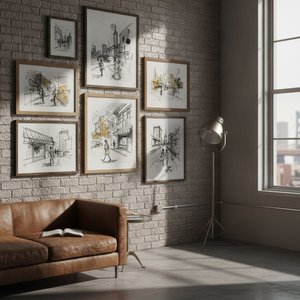
Raw Energy: Why Sketch Studies are the Ultimate Urban Vibe for Your Walls
Elevate your space with the raw energy of sketch studies. Discover how the unfiltered power of charcoal, line, and gesture creates the ultimate urban vibe for modern interiors. Expert trends in contemporary wall art curation for the design-conscious professional.