() ·

A painting made for you, by hand

Resurrection

Käsinmaalattu öljyvärinen jäljennös

Käsinmaalattu öljyväri kankaalle haluamassasi koossa ja kehyksissä, taiteilijoidemme valmistamana tilauksesta. ( Vaihda tulosteeseen Siirry digitaaliseen kuvaan)

Keräilykohteen kuvaus

Luca Giordano's "Resurrection" (1665) is a dramatic Baroque masterpiece depicting Christ’s ascent, filled with vibrant color and dynamic movement. Explore this iconic work of art!

Taiteilijan elämäkerta

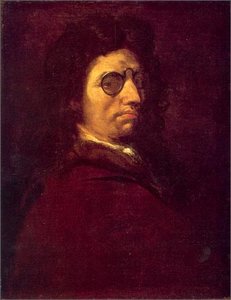
Luca Giordano (1634-1705): Napolilainen taidemaalari, tunnettu nopeudestaan ja loistokkaista freskoistaan. 'Luca Fa Presto' -nimen takana piilee hänen poikkeuksellinen lahjakkuutensa.

from ·

Chapter 1

How large should it be?

Slide to change the size; the picture on the left shows the frame at its real width. The proportions of the original are kept.

Vakiokoko
räätälöity
CM
INCH

Valitse valmiista mitoistamme sellaiset, jotka vastaavat teoksen alkuperäisiä mittasuhteita.

leveys
korkeus

Kirjoita tarvitsemasi leveys ja korkeus, jotta teos sopii kehyksiisi tai seinällesi. Koska kyseessä on käsinmaalattu teos, taiteilija voi maalata hieman enemmän kuvan ympärille tai rajata sitä hieman, jos haluat eri muotoisen koon — valinta on sinun. Lähetämme sinulle digitaalisen mallikuvan hyväksyttäväksi ennen kuin maalaus alkaa. Tällä sivulla näkyvä kuva ei vastaa lopullista tulosta — vain mallikuva näyttää sen.

Chapter 2

How should it arrive?

Choose the edges of the stretched canvas

Choose your frame

Corner sample of the WhiteWrap canvas edge finish, stretched on massiivipuu bars
White €1
Corner sample of the BlurSideWrap canvas edge finish, stretched on massiivipuu bars
Blurside €1
Corner sample of the ExtendedWrap canvas edge finish, stretched on massiivipuu bars
Extended €1
Corner sample of the P118B picture frame: valettu polystyreeni, 5 cm wide and 3 cm thick
P118B €10
Corner sample of the P118H picture frame: valettu polystyreeni, 5 cm wide and 3 cm thick
P118H €10
Corner sample of the P118W picture frame: valettu polystyreeni, 5 cm wide and 3 cm thick
P118W €10
Corner sample of the P438Z picture frame: valettu polystyreeni, 5.5 cm wide and 3.5 cm thick
P438Z €10
Corner sample of the P508JH picture frame: valettu polystyreeni, 7 cm wide and 3.5 cm thick
P508JH €12
Corner sample of the P508YH picture frame: valettu polystyreeni, 7 cm wide and 3.5 cm thick
P508YH €12
Corner sample of the P805H picture frame: valettu polystyreeni, 5 cm wide and 3.5 cm thick
P805H €10
Corner sample of the P805Z picture frame: valettu polystyreeni, 5 cm wide and 3.5 cm thick
P805Z €10
Corner sample of the P919BZ picture frame: valettu polystyreeni, 7 cm wide and 3.5 cm thick
P919BZ €10
Corner sample of the P919G picture frame: valettu polystyreeni, 7 cm wide and 3.5 cm thick
P919G €10
Corner sample of the P919XJ picture frame: valettu polystyreeni, 7 cm wide and 3.5 cm thick
P919XJ €10
Corner sample of the P959ZH picture frame: valettu polystyreeni, 5 cm wide and 3 cm thick
P959ZH €10
Corner sample of the P968JZ picture frame: valettu polystyreeni, 6 cm wide and 4 cm thick
P968JZ €12
Corner sample of the W106C picture frame: massiivipuu, 5 cm wide and 3 cm thick
W106C €8
Corner sample of the W218G picture frame: massiivipuu, 5 cm wide and 3 cm thick
W218G €10
Corner sample of the W218JH picture frame: massiivipuu, 5 cm wide and 3 cm thick
W218JH €8
Corner sample of the W218Y picture frame: massiivipuu, 5 cm wide and 3 cm thick
W218Y €10
Corner sample of the W307PJ picture frame: massiivipuu, 6 cm wide and 3 cm thick
W307PJ €10
Corner sample of the W316G picture frame: massiivipuu, 6 cm wide and 3 cm thick
W316G €10
Corner sample of the W316PJ picture frame: massiivipuu, 6 cm wide and 3 cm thick
W316PJ €8
Corner sample of the W316Y picture frame: massiivipuu, 6 cm wide and 3 cm thick
W316Y €10
Corner sample of the W398PJ picture frame: massiivipuu, 5 cm wide and 3 cm thick
W398PJ €8
Corner sample of the W4111J picture frame: massiivipuu, 6.5 cm wide and 3.5 cm thick
W4111J €10
Corner sample of the W500HY picture frame: massiivipuu, 7 cm wide and 5 cm thick
W500HY €15
Corner sample of the W500JH picture frame: massiivipuu, 7 cm wide and 5 cm thick
W500JH €15
Corner sample of the W692G picture frame: massiivipuu, 8 cm wide and 4 cm thick
W692G €12
Corner sample of the W849H picture frame: massiivipuu, 5 cm wide and 3 cm thick
W849H €8
Corner sample of the W940BG picture frame: massiivipuu, 7.5 cm wide and 4.5 cm thick
W940BG €15
Corner sample of the W953PJ picture frame: massiivipuu, 6 cm wide and 3.5 cm thick
W953PJ €8
Corner sample of the H24-GOLD picture frame: kaiverrettua puuta ja gessoa, 10 cm wide and 6 cm thick
H24-GOLD €30
Corner sample of the H24-SILVER picture frame: kaiverrettua puuta ja gessoa, 10 cm wide and 6 cm thick
H24-SILVER €30
Corner sample of the H36-GOLD picture frame: kaiverrettua puuta ja gessoa, 15 cm wide and 6.5 cm thick
H36-GOLD €45
Corner sample of the H36-SILVER picture frame: kaiverrettua puuta ja gessoa, 15 cm wide and 6.5 cm thick
H36-SILVER €45
Kehyksen esikatselu
Kehystetty

Moulding: . Overall size with the frame: .

Chapter 3

Who paints it, and should anything change?

Examples of what can be changed: Replace face with customer photo; Add pet (e.g., replace cat with dog); Include hidden message in background; Change background landscape or elements.
After order, OriginalUniqueArt.com team will email client for instructions and provide a mockup preview

Maailmanlaajuinen toimitus () 3–4 viikossa tavallisen 5 viikon sijaan. (31 lokakuu). Laadusta ei tingitä.

Chapter 4

The finishing touches

A nameplate, as in a museum?

Kaiverretun pronssilaatan tiedot

This elegant plaque features the artist's name and the title of the artwork, finely engraved for a timeless presentation.

It is made from bronze with a refined, elegant finish. The text is precisely laser-engraved for a sharp and permanent result. Measuring 9x2 cm, the plaque is compact yet easy to read. It's built to be durable and scratch-resistant, offering a professional, museum-quality look. Mounting is simple thanks to the included adhesive backing.

Läpinäkyvän akryylilaatan tiedot

The plaque includes essential engraved details such as the artist's name, the title of the artwork, the date it was created, the type of media used-like oil on canvas or watercolor-a brief description of the piece, and a QR code that links to the complete artwork information.

It is crafted from clear acrylic, offering a sleek, modern appearance. The text is UV-engraved in black to ensure strong visual contrast. With a size of 10x15 cm, it ensures optimal readability. It comes equipped with two metal hooks for secure wall mounting. The plaque is designed to be weather-resistant, making it suitable for various environments, and it includes interactive features that work seamlessly with smartphone scanning.

Mustan akryylilaatan tiedot

This elegant plaque includes engraved information such as the artist's name, the title of the artwork, the date it was created, the type of media used (like oil on canvas or watercolor), a short description of the artwork, and a QR code for quick access to more information.

The plaque itself is made from refined black acrylic with a premium finish. The text is laser-engraved in white for high contrast and readability. Its size is 10x15 cm, designed to be easy to read. It comes with two metal hooks for professional mounting. The design is sleek and fits any interior style. It is also weather-resistant and durable, with built-in digital integration for mobile compatibility.

A protective varnish?

When do you need it?

Chapter 5

Your painting, as you ordered it

Resurrection

Reproduktiotekniikka

Replikaatin koko

-

Kokenut huipputaiteilija

Lisää yksityiskohtia, hienostuneisuutta ja enemmän aikaa tuotantoon

-

Reproduktion kehystysvaihtoehdot

-

-

Teoksille tai reproduktioille, joiden mikä tahansa sivu on suurempi kuin 105 cm (noin 41 tuumaa), kehys toimitetaan osina purettuna sarjana. Tämä menetelmä varmistaa turvallisen toimituksen ja ehkäisee vaurioita kuljetuksen aikana.

Vaatii ammattimaista kokoamista – kyseessä ei ole tee-se-itse-tuote.
Sarja on koottava ja kangas kiristettävä kokeneen kehystysammattilaisen toimesta käyttäen puuliimaa (ei sisälly pakkaukseen), kangaspinnetteitä ja puristimia, jotta kehyksen kulmat pysyvät suorina liiman kuivuessa. Virheellinen kokoaminen tai epätasainen kankaan kiristys voi vaurioittaa teosta pysyvästi, eikä tällaiset vauriot ala takuun piiriin.

  • Kaikki massiivipuupalat sisältyvät, tarkasti mittojen mukaan leikattuina.

  • Kootaan mukana tulevilla ruuveilla sekä kulmaliitoksia varten tarvittavalla puuliimalla, jota ei toimiteta, joten se on hankittava kehystäjältä.

  • Vaatii ammattilaisvälineitä, jotka eivät sisälly pakkaukseen: kankaan venytyspihdit (kiristin) ja puristimet, joilla pidetään kehyksen puut suorassa liiman kuivuessa.

Tärkeää:
Kulmaliitoksissa tarvitaan puuliimaa, kehyksien osat on pidettävä puristimilla, kunnes liima on täysin kuivunut, ja koottuun kehykseen jännitettävän kankaan kiristämiseen tarvitaan kangaspenssipihti. Mikään näistä ei sisälly pakkaukseen. Suosittelemme varmistamaan kokeneen kehystäjän saatavuuden ennen tämän kokoisen kehyksen tilaamista.

Nimilaatta

-

-

Suojalakkaus

Kiiltävä lakka (syventää värejä, suojaa valolta ja kosteudelta)

-

Mukauta taideteokseni

Esimerkkejä muokattavista asioista: Vaihda kasvot asiakkaan omaan valokuvaan; Lisää lemmikki (esim. vaihda kissa koiraan); Lisää taustalle piilotettu viesti; Muuta taustan maisemaa tai elementtejä.

-

Pikatoimitus

Maailmanlaajuinen toimitus () 3–4 viikossa tavallisen 5 viikon sijaan. (31 lokakuu). Laadusta ei tingitä.

-

Pikatoimitus

Maailmanlaajuinen toimitus () 5 viikon kuluessa. (7 marraskuu).

Sisältyy hintaan

Kokonaishinta

€ 267

Kokonaishinta € 267

Lasivaihtoehto on saatavilla vain alle 110 cm kokoisille teoksille

Included with every order

  • Ilmainen pikatoimitus ympäri maailman
  • Korkealaatuinen pellavakangas
  • Kattava kuljetusvakuutus
  • Tulliveron palautustakuu
  • Takuu täydellisestä värien vastaavuudesta
  • 100 päivän palautusoikeus (vain valmistusvirheet)
  • 100% rahat takaisin -takuu
  • Määräalennus tarjolla

Luca Giordano’s “Resurrection”: A Symphony of Light and Divine Awakening

Luca Giordano's "Resurrection," painted circa 1665 in the heart of Naples, isn’t merely a depiction of a biblical event; it’s an immersive experience—a vibrant testament to the artist’s revolutionary approach to Baroque painting. More than just a religious scene, it embodies a profound sense of movement, luminosity, and emotional intensity that immediately captivates the viewer. Giordano, nicknamed “Luca fa presto” for his prodigious speed and versatility, had already established himself as a master of capturing dramatic action and realistic figures, but this work represents a pivotal shift in his style—a conscious embrace of light and color that would define his legacy.

The painting immediately draws the eye to Christ’s resurrected form. He is not depicted as a static, ethereal figure, but rather as a dynamic force being lifted heavenward by a multitude of angels. The composition is carefully orchestrated: the dark foreground, dominated by startled Roman soldiers, serves as a dramatic counterpoint to the radiant light emanating from Christ and his ascent. Giordano masterfully employs chiaroscuro—the interplay of light and shadow—to heighten the sense of drama and create an almost theatrical effect. Notice how the shadows cling to the figures in the foreground, emphasizing their astonishment and vulnerability, while the light washes over Christ’s body, highlighting its physicality and conveying a powerful message of rebirth.

The Neapolitan Baroque: Giordano's Innovative Palette

Giordano’s style was deeply rooted in the artistic traditions of Naples, yet he boldly pushed beyond the somber palette favored by his predecessor, Jusepe de Ribera. While influenced by Ribera’s dramatic realism and anatomical precision—evident in the muscularity of Christ’s body and the detailed rendering of the soldiers—Giordano infused his work with a newfound vibrancy and luminosity. He drew inspiration from Venetian masters like Titian and Veronese, incorporating their techniques for creating rich color harmonies and dynamic compositions. The use of ochre, crimson, and gold creates an opulent atmosphere, suggesting not just resurrection but also divine grace and power.

The artist’s technique is particularly noteworthy. Giordano employed a rapid, almost frenetic brushstroke—a characteristic that earned him his nickname “Luca fa presto.” This technique allowed him to capture the fleeting expressions of emotion on the faces of the soldiers and create a sense of movement within the composition. He also utilized a layering technique, applying thin glazes of color over previous layers to build up depth and luminosity. The result is a surface that seems to shimmer with light—a testament to Giordano’s mastery of color and his innovative approach to painting.

Symbolism and Spiritual Resonance

Beyond its technical brilliance, “Resurrection” is rich in symbolic meaning. The soldiers, initially frozen in terror, represent the human condition—our vulnerability and our need for salvation. Their awakening signifies a shift from darkness to light, fear to faith. Christ’s outstretched arms symbolize his sacrifice and his triumph over death. The angels, depicted with dynamic gestures, embody divine intervention and the promise of eternal life. The sword at the bottom left corner, often interpreted as representing the power of judgment, subtly underscores the gravity of the event while simultaneously hinting at the possibility of redemption.

Furthermore, the scene’s setting—a humble Roman house—adds another layer of meaning. It suggests that salvation is not confined to a grand cathedral or a sacred temple but can be found in everyday life. Giordano's choice to depict this pivotal moment within a domestic space elevates it from a purely religious narrative to a universal story of hope and renewal. The painting invites contemplation on themes of faith, sacrifice, and the enduring power of the human spirit.

A Legacy of Light: Reproductions and Artistic Inspiration

“Resurrection” remains one of Luca Giordano’s most celebrated works, admired for its dramatic intensity, vibrant color palette, and innovative technique. Today, high-quality reproductions offer a remarkable opportunity to experience this masterpiece firsthand. Whether adorning a grand salon or a smaller interior space, a reproduction of “Resurrection” can infuse any room with a sense of drama, spirituality, and timeless beauty. It’s a powerful reminder of Giordano's revolutionary contribution to the Baroque era—a testament to his ability to capture not just the likeness of his subjects but also their very souls.

Kysymykset ja vastaukset

Millaista väriharmoniaa Luca Giordano:n "Resurrection" edustaa?

Teoksen "Resurrection" väriharmonia on merkitty muodossa Balanced Harmony.

Mitä Luca Giordano:n "Resurrection" esittää ja millainen on sen tunnelma?

"Resurrection" esittää aiheita resurrection, christ, mary, angels, biblical, figures, dramatic, light, ja sen tunnelmaksi on tallennettu Dramatic.

Mitkä ovat alkuperäisen "Resurrection" mitat?

Alkuperäisen teoksen Luca Giordano:n "Resurrection" mitat ovat 114 x 116 cm.

More about this painting

Esikatselu Esikatsele AR-tilassa Vaihda tulosteeseen Siirry digitaaliseen kuvaan Jaa teos
Tiedot Opas Lisää suosikkeihin Lataa kuva Samanlaisia kohteita Röntgenkuvaus Diaesitys Q&A Tilastot

In numbers

  • 29frames to choose from
  • standard sizes, in its own proportions
  • 5weeks to paint and deliver it
Luca Giordano

Luca Giordano

1634 - 1705, Italia

Quick facts about Luca Giordano

  • Artistic Movement Or Style: Barokki
  • Artists Or Movements Influenced By This Artist: ['Paolo de Matteis']
  • Artists Who Influenced This Artist:
    • Ribera
    • Titian
    • Veronese
  • Date Of Birth: 1634
  • Date Of Death: 1705
  • Full Name: Luca Giordano
  • Nationality: Italian
  • Notable Artworks:
    • Parisin tuomio
    • Kristus lääkareiden kanssa
  • Place Of Birth: Napoli, Italia

Taiteilijan elämäkerta

Luca Giordano: A Neapolitan Dynamo – The Life and Art of a Baroque Master

Luca Giordano, syntyi Napolissa vuonna 1634, ja nimensä tuli nopeasti synonyymiksi myöhäisen barokki-kauden energialle. Hän ei ollut pelkästään taiteilija; hän oli luonnonvoima, luovuuden myrsky, jonka valtava tuotanto muutti sekä maalauksia että arkkitehtuurisia tiloja koko Italiassa ja Espanjassa. Hänen isänsä, Antonio Giordano, loi alustavat taidemaalarin perusasiat, mutta hänen mestarinsa, Jusepe de Ribera, opasti nuorta Lucaa tiukasti mutta samalla taitavasti. Tämä varhainen harjoittelu jätti jälkensä, joka näkyy Giordanon varhaisissa teoksissa dramaattisena intensiteetinä ja hahmojen realistisessa esityksessä. Kuten Riberan usein synkeässä värimaailmassa, Giordanolla oli luontainen taipumus valoon ja liikkeeseen – ominaisuudet, jotka lopulta määrittelivät hänen ainutlaatuisen tyylinsä. Jo nuorena hän sai lempinimen “Luca fa presto” – Luca, joka tekee sen nopeasti – testamenttina hänen huomattavalle nopeudelleen ja tuntemattomasta energiastaan. Hän ei ollut pelkästään taitava; hän oli kykenevä vangitsemaan syvän tunteen ja häikäisevän loiston helposti, mikä ylitti aikalaisten odotukset.

Matka Napolista Espanjaan: Taiteellinen Urani Jatkuu

Giordanon taiteellinen matkansa ei ollut staattinen. Se oli dynaaminen kehitys, joka perustui komissioihin ja matkoihin, jotka veivät hänet koko italialaisen niemimaan yli ja sen ulkopuolelle. Kun hän vakiinnutti asemansa nousijana Napolissa, hän etsi mahdollisuuksia Roomassa, Firenzessä ja Venetsiassa, imien jokaisen kaupungin monipuolisia vaikutteita kuin sienen. Venetsiassa hän opiskeli Titian ja Veronesen töitä, omaksuttaen niiden eloisat väripaletit ja dynaamiset kompositiot – vastakohta varhaisen harjoittelun tummille sävyille. Firenzessä hän suoritti merkittäviä freskoprojekteja, erityisesti Corsini Chapelin holvin maalauksissa Chiesa del Carmine -kirkossa, osoittaen hänen kasvavaa mestaritekeään illuusiotilan ja tarinankerronnan hallinnassa. Mutta hänen vuosikymmenien mittainen oleskelunsa Espanjassa (1692-1692) vakiinnutti hänen kansainvälisen maineen. Hänet kutsuttiin kuninkaaksi Charles II:n toimesta, ja hän muutti espanjalaisia sisätiloja ylellisillä freskoilla, tuoden italialaisen energian rauhallisempaan espanjalaiseen taiteelliseen perinteeseen. Biblioteca Riccardiana Firenzessä, koristeltu allegoristen freskostenä jumalallisen viisauden juhlistamiseksi, on todiste tästä ajanjaksosta, osoittaen hänen kykyään yhdistää älyllistä syvyyttä visuaaliseen loistoon.

Tyylien Synteesi: Giordanon Taiteellinen Signatuuri

Giordanon lahjakkuus ei ollut uuden tekniikan keksiminen, vaan olemassa olevien tekniikoiden yhdistäminen erittäin sujuvaksi ja koristeellisiksi tyyliksi. Hän yhdisti mestarillisesti Riberan dramaattisen realismin, Titian ja Veronesen inspiroiman valon ja Venetsian maalareiden luoman dynaamisen komposition sekä Pietron da Cortonan muistuttaman dynamiikan. Hänen siveltimestariinsa kuului vapauden ja spontaanisuuden tunne, mikä loi vaikutelman vaivattomasta eleganssista. Hän ei pelännyt koristeita, täytti maalauksensa monimutkaisilla yksityiskohdilla ja pyörteilevillä laskuvarjoilla – ominaisuus, joka määritteli hänen kypsän tyylinsä. Tämä lähestymistapa mahdollisti hänelle käsittelemään laajan valikoiman aiheita – uskonnollisia kohtauksia ja myyttisiä tarinoita sekä muotokuvia ja koristeellisia suunnitelmia – yhtä taitavasti. Judgment of Paris, joka sijaitsee Berliinin museossa, on tästä synteesistä esimerkki; se on eloisa esitys klassisesta mytologiasta Giordanon tyypillisen barokkityylin mukaisesti. Hänen freskonsa, erityisesti Neapolissa sijaitsevassa Neapolis-katedraalissa ja useissa muissa palatseissa, ovat monumentaalisia saavutuksia, jotka muuttavat arkkitehtuurisia tiloja uppouttaviin visuaalisiin kokemuksiin.

Perintö ja Vaikutus: Taiteilijan Jättämä Perinnön

Luca Giordanon vaikutus ulottui hänen oman elinkaarensa yli. Hän koulutti useita oppilaita, mukaan lukien Paolo de Matteisin, jotka menestyivät taiteilijoina omissa oikeuksissaan ja levittivät tyylivaikutteitaan koko Italiaan ja sen ulkopuolelle. Hänen työnsä oli tärkeä silta myöhäisen barokki-kauden ja rokokoon välillä, avaten tien kevyemmälle ja leikkisämmälle estetiikalle 1700-luvulla. Hänen valtava tuotantonsa – arvioitu yli kuusicenttiseen maalaukseen ja moniin freskoihin – vangitsee edelleen yleisön huomion tänä päivänä. Palazzi Capodimonte Napolissa on arvokas aarreaitta hänen teoksistaan, tarjoten kattavan katsauksen hänen taiteellisen kehityksensä. Giordanon kyky yhdistää tekninen mestaruus syvään tunteeseen takaa paikkansa yhtenä tärkeimmistä ja rakastetuimmista hahmoista italialaisessa barokissa. Hän kuoli kotikaupungissaan Napolissa vuonna 1705, jättäen jälkeensä perinnön, joka inspiroi edelleen taiteilijoita ja taiteen ystäviä kaikkialla maailmassa.

Avainteoksia ja Taiteellisia Yhteyksiä

Tässä joitakin merkittäviä teoksia ja taiteellisia yhteyksiä:
  • Judgment of Paris (Berliinin museo): Esimerkki Giordanon myyttisistä maalauksista, joka esittää eloisaa väripalettiaan ja dynaamista kompoosiotaan.
  • Christ with the Doctors in the Temple (Corsini Gallery, Rooma): Osoittaa hänen taitonsa uskonnollisessa tarinankerronnassa ja valon ja varjon hallinnassa.
  • Freskoja Firenzessä ja Napolissa: Monumentaalisia teoksia, jotka muuttivat arkkitehtuurisia tiloja uppouttaviin visuaalisiin kokemuksiin.
  • Vaikutukset: Jusepe de Ribera, Titian, Veronese, Pietro da Cortona
  • Vaikuttaneet taiteilijat: Paolo de Matteis ja sukupolvi napolilaisia taiteilijoita.

Pikaista tietoa

  • Medium: Oil on Canvas
  • Title: Resurrection
  • Notable elements: Dramatic light, Angels
  • Year: 1665
  • Artist: Luca Giordano
  • Location: Salzburg, Austria

Taidevisat

Jokaisessa kysymyksessä on vain yksi oikea vastaus.

Kysymys 1:
What is the primary subject depicted in Luca Giordano’s ‘Resurrection’?
Kysymys 2:
Luca Giordano is known for his distinctive style. Which of the following best describes a key characteristic of his work?
Kysymys 3:
According to the provided information, in what city was Luca Giordano born?
Kysymys 4:
The image description mentions a sword near the bottom-left corner of the painting. What might this detail symbolize?
Kysymys 5:
Luca Giordano earned the nickname ‘Luca fa presto’. What does this nickname mean?