

 Esikatselu
 Jaa teos
 Jaa
Jaa
 Tiedot
 Opas
Opas

 Lataa kuva
 Samanlaisia kohteita
 Röntgenkuvaus
 Diaesitys
 Q&A
Q&A Tilastot
Bacchus and Ariadne
 Oil On Canvas
- WallArt
- Baroque
 1686
1686 121.0 x 175.0 cm
 Chrysler Museum of Art
 Lue lisää
Giclée- ja taideprintit
Museolaatuisia giclée- tai kankaitaulun tulosteita nopealla tuotannolla ja joustavilla viimeistelyvaihtoehdoilla. ( Osta käsinmaalattu taideteos Siirry digitaaliseen kuvaan)




P118B €10

P118H €10

P118W €10

P438Z €10

P508JH €12

P508YH €12

P805H €10

P805Z €10

P919BZ €10

P919G €10

P919XJ €10

P959ZH €10

P968JZ €12

W106C €8

W218G €10

W218JH €8

W218Y €10

W307PJ €10

W316G €10

W316PJ €8

W316Y €10

W398PJ €8

W4111J €10

W500HY €15

W500JH €15

W692G €12

W849H €8

W940BG €15

W953PJ €8




Valitse valmiista mitoistamme sellaiset, jotka vastaavat teoksen alkuperäisiä mittasuhteita.

Syötä tarvitsemasi leveys ja korkeus, jotta tuloste sopii kehyksiisi tai seinällesi. Tulostetta voidaan vain leikata, sitä ei voida koskaan suurentaa alkuperäistä kuvaa suuremmaksi, joten eri muotoinen koko aiheuttaa osan kuvasta katoamisen. Lähetämme sinulle digitaalisen mallikuvan hyväksyttäväksi ennen kuin aloitamme tulostuksen. Tällä sivulla näkyvä kuva ei näytä lopullista rajausta — vain mallikuva näyttää sen.
Maailmanlaajuinen toimitus () 2 viikossa tavallisen 4–5 viikon sijaan. (29 lokakuu)

Ilmainen pikatoimitus ympäri maailman

Korkealaatuinen pellavakangas

Kattava kuljetusvakuutus

Tulliveron palautustakuu

Takuu täydellisestä värien vastaavuudesta

100 päivän palautusoikeus (vain valmistusvirheet)

100% rahat takaisin -takuu

Määräalennus tarjolla
 Lasivaihtoehto on saatavilla vain alle 110 cm kokoisille teoksille

Bacchus and Ariadne
Giclée- ja taideprintit
Replikaatin koko
-


Kokonaishinta
€ 71
Luca Giordano’s ‘Bacchus and Ariadne’: A Baroque Drama of Love and Fate
Luca Giordano's “Bacchus and Ariadne,” painted in 1686, is more than just a mythological scene; it’s a vibrant explosion of Baroque drama, a testament to the artist’s prodigious talent and his mastery of capturing intense emotion. This captivating work transports us to a moment of profound vulnerability and impulsive passion, showcasing the Neapolitan painter's signature style – characterized by dynamic movement, rich color, and an almost theatrical engagement with its subject matter. Measuring 121 x 175 cm, the painting immediately commands attention with its scale and the sheer number of figures interwoven within its composition.
- The Narrative: The scene depicts a pivotal moment from Greek mythology – Ariadne, abandoned by Theseus after his heroic quest, is discovered by Bacchus (Dionysus), the god of wine and revelry. He rushes to her side, offering solace and declaring his ardent love, while Theseus sails away in the distance, a poignant symbol of fleeting desire.
- Baroque Grandeur: Giordano expertly employs the hallmarks of Baroque art – dramatic lighting (chiaroscuro), swirling drapery, and an abundance of figures to create a sense of overwhelming spectacle. The composition is deliberately chaotic, reflecting the emotional turmoil at its heart.
- Technical Brilliance: Executed in oil on canvas, the painting demonstrates Giordano’s remarkable skill with color and texture. Smooth blending techniques produce a luminous effect, while detailed rendering captures the nuances of fabric, skin, and stone.
Symbolism and Mythological Allusion
“Bacchus and Ariadne” is steeped in symbolism, drawing heavily from classical mythology to convey deeper meanings about love, fate, and divine intervention. The presence of Bacchus, the god of ecstasy and intoxication, immediately elevates the scene beyond a simple romantic narrative. His arrival signifies not just affection but also a disruption of order – a forceful assertion of desire against the backdrop of human vulnerability. Ariadne’s sleeping form represents both innocence and despair, while Theseus' departure embodies the capricious nature of love and heroism.
- The Crown of Stars: Perhaps the most significant symbolic element is the crown of stars depicted above the figures. This directly references a celestial event foretold by the gods – the formation of the constellation Corona Borealis, which would later be associated with Ariadne’s wedding. It's a prophecy of enduring love and eternal remembrance, transforming a tragic abandonment into a tale of cosmic fulfillment.
- Hera’s Presence: The subtle inclusion of Hera, queen of the gods, adds another layer of complexity. Often depicted as a jealous figure, her presence suggests the potential for conflict and the precariousness of Bacchus' romantic pursuit.
Style and Historical Context
Luca Giordano was a pivotal figure in the late Baroque period, known for his prolific output and his ability to adapt his style to diverse commissions. Born in Naples in 1634, he initially followed in the footsteps of Jusepe de Ribera, absorbing the dramatic intensity of the Spanish master’s work. However, Giordano quickly developed a distinctive approach – one characterized by luminosity, movement, and an almost frenetic energy. “Bacchus and Ariadne” exemplifies this evolution perfectly, showcasing his mastery of color and composition within the broader context of Baroque artistic trends.
- Neapolitan Baroque: The painting reflects the vibrant artistic scene in Naples during the 17th century, a period marked by innovation and experimentation.
- Commissioned Artwork: Works like this were frequently commissioned for aristocratic palaces and churches, intended to impress and inspire awe.
Emotional Impact and Artistic Value
“Bacchus and Ariadne” continues to resonate with viewers today due to its raw emotional power and masterful execution. Giordano’s ability to capture the vulnerability of Ariadne and the impulsive passion of Bacchus is truly remarkable. This painting isn't merely a depiction of a mythological story; it’s an exploration of universal themes – love, loss, desire, and fate – rendered with breathtaking skill and dramatic flair. A hand-painted reproduction offers a unique opportunity to experience the full impact of this Baroque masterpiece in your own space.
Kysymykset ja vastaukset
Missä museossa alkuperäinen "Bacchus and Ariadne" on esillä?
Teos Luca Giordano:n "Bacchus and Ariadne" on esillä Chrysler Museum of Art, Norfolk, Yhdysvallat-museossa. Museoluettelo viittaa alkuperäisteokseen, ei jäljennöksiin.
Millaista tunnelmaa Luca Giordano:n "Bacchus and Ariadne" -teoksen reproduktio toisi huoneeseen?
Luca Giordano:n "Bacchus and Ariadne" -teoksen Dramatic tunnelma sopii täydellisesti sen suositeltuun tilaan: Living Room.
Kuinka harmonisia ovat teoksen Luca Giordano:n "Bacchus and Ariadne" värit?
Teoksen "Bacchus and Ariadne" väriharmonia on merkitty muodossa Strong Color Unity.
Taiteilijan elämäkerta
Luca Giordano: A Neapolitan Dynamo – The Life and Art of a Baroque Master
Luca Giordano, syntyi Napolissa vuonna 1634, ja nimensä tuli nopeasti synonyymiksi myöhäisen barokki-kauden energialle. Hän ei ollut pelkästään taiteilija; hän oli luonnonvoima, luovuuden myrsky, jonka valtava tuotanto muutti sekä maalauksia että arkkitehtuurisia tiloja koko Italiassa ja Espanjassa. Hänen isänsä, Antonio Giordano, loi alustavat taidemaalarin perusasiat, mutta hänen mestarinsa, Jusepe de Ribera, opasti nuorta Lucaa tiukasti mutta samalla taitavasti. Tämä varhainen harjoittelu jätti jälkensä, joka näkyy Giordanon varhaisissa teoksissa dramaattisena intensiteetinä ja hahmojen realistisessa esityksessä. Kuten Riberan usein synkeässä värimaailmassa, Giordanolla oli luontainen taipumus valoon ja liikkeeseen – ominaisuudet, jotka lopulta määrittelivät hänen ainutlaatuisen tyylinsä. Jo nuorena hän sai lempinimen “Luca fa presto” – Luca, joka tekee sen nopeasti – testamenttina hänen huomattavalle nopeudelleen ja tuntemattomasta energiastaan. Hän ei ollut pelkästään taitava; hän oli kykenevä vangitsemaan syvän tunteen ja häikäisevän loiston helposti, mikä ylitti aikalaisten odotukset.Matka Napolista Espanjaan: Taiteellinen Urani Jatkuu
Giordanon taiteellinen matkansa ei ollut staattinen. Se oli dynaaminen kehitys, joka perustui komissioihin ja matkoihin, jotka veivät hänet koko italialaisen niemimaan yli ja sen ulkopuolelle. Kun hän vakiinnutti asemansa nousijana Napolissa, hän etsi mahdollisuuksia Roomassa, Firenzessä ja Venetsiassa, imien jokaisen kaupungin monipuolisia vaikutteita kuin sienen. Venetsiassa hän opiskeli Titian ja Veronesen töitä, omaksuttaen niiden eloisat väripaletit ja dynaamiset kompositiot – vastakohta varhaisen harjoittelun tummille sävyille. Firenzessä hän suoritti merkittäviä freskoprojekteja, erityisesti Corsini Chapelin holvin maalauksissa Chiesa del Carmine -kirkossa, osoittaen hänen kasvavaa mestaritekeään illuusiotilan ja tarinankerronnan hallinnassa. Mutta hänen vuosikymmenien mittainen oleskelunsa Espanjassa (1692-1692) vakiinnutti hänen kansainvälisen maineen. Hänet kutsuttiin kuninkaaksi Charles II:n toimesta, ja hän muutti espanjalaisia sisätiloja ylellisillä freskoilla, tuoden italialaisen energian rauhallisempaan espanjalaiseen taiteelliseen perinteeseen. Biblioteca Riccardiana Firenzessä, koristeltu allegoristen freskostenä jumalallisen viisauden juhlistamiseksi, on todiste tästä ajanjaksosta, osoittaen hänen kykyään yhdistää älyllistä syvyyttä visuaaliseen loistoon.Tyylien Synteesi: Giordanon Taiteellinen Signatuuri
Giordanon lahjakkuus ei ollut uuden tekniikan keksiminen, vaan olemassa olevien tekniikoiden yhdistäminen erittäin sujuvaksi ja koristeellisiksi tyyliksi. Hän yhdisti mestarillisesti Riberan dramaattisen realismin, Titian ja Veronesen inspiroiman valon ja Venetsian maalareiden luoman dynaamisen komposition sekä Pietron da Cortonan muistuttaman dynamiikan. Hänen siveltimestariinsa kuului vapauden ja spontaanisuuden tunne, mikä loi vaikutelman vaivattomasta eleganssista. Hän ei pelännyt koristeita, täytti maalauksensa monimutkaisilla yksityiskohdilla ja pyörteilevillä laskuvarjoilla – ominaisuus, joka määritteli hänen kypsän tyylinsä. Tämä lähestymistapa mahdollisti hänelle käsittelemään laajan valikoiman aiheita – uskonnollisia kohtauksia ja myyttisiä tarinoita sekä muotokuvia ja koristeellisia suunnitelmia – yhtä taitavasti. Judgment of Paris, joka sijaitsee Berliinin museossa, on tästä synteesistä esimerkki; se on eloisa esitys klassisesta mytologiasta Giordanon tyypillisen barokkityylin mukaisesti. Hänen freskonsa, erityisesti Neapolissa sijaitsevassa Neapolis-katedraalissa ja useissa muissa palatseissa, ovat monumentaalisia saavutuksia, jotka muuttavat arkkitehtuurisia tiloja uppouttaviin visuaalisiin kokemuksiin.Perintö ja Vaikutus: Taiteilijan Jättämä Perinnön
Luca Giordanon vaikutus ulottui hänen oman elinkaarensa yli. Hän koulutti useita oppilaita, mukaan lukien Paolo de Matteisin, jotka menestyivät taiteilijoina omissa oikeuksissaan ja levittivät tyylivaikutteitaan koko Italiaan ja sen ulkopuolelle. Hänen työnsä oli tärkeä silta myöhäisen barokki-kauden ja rokokoon välillä, avaten tien kevyemmälle ja leikkisämmälle estetiikalle 1700-luvulla. Hänen valtava tuotantonsa – arvioitu yli kuusicenttiseen maalaukseen ja moniin freskoihin – vangitsee edelleen yleisön huomion tänä päivänä. Palazzi Capodimonte Napolissa on arvokas aarreaitta hänen teoksistaan, tarjoten kattavan katsauksen hänen taiteellisen kehityksensä. Giordanon kyky yhdistää tekninen mestaruus syvään tunteeseen takaa paikkansa yhtenä tärkeimmistä ja rakastetuimmista hahmoista italialaisessa barokissa. Hän kuoli kotikaupungissaan Napolissa vuonna 1705, jättäen jälkeensä perinnön, joka inspiroi edelleen taiteilijoita ja taiteen ystäviä kaikkialla maailmassa.Avainteoksia ja Taiteellisia Yhteyksiä
Tässä joitakin merkittäviä teoksia ja taiteellisia yhteyksiä:- Judgment of Paris (Berliinin museo): Esimerkki Giordanon myyttisistä maalauksista, joka esittää eloisaa väripalettiaan ja dynaamista kompoosiotaan.
- Christ with the Doctors in the Temple (Corsini Gallery, Rooma): Osoittaa hänen taitonsa uskonnollisessa tarinankerronnassa ja valon ja varjon hallinnassa.
- Freskoja Firenzessä ja Napolissa: Monumentaalisia teoksia, jotka muuttivat arkkitehtuurisia tiloja uppouttaviin visuaalisiin kokemuksiin.
- Vaikutukset: Jusepe de Ribera, Titian, Veronese, Pietro da Cortona
- Vaikuttaneet taiteilijat: Paolo de Matteis ja sukupolvi napolilaisia taiteilijoita.
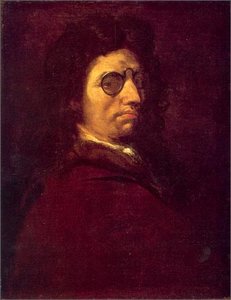
Luca Giordano
1634 - 1705 , Italia
Pähkinänkuoressa
- Artistic Movement Or Style: Barokki
- Artists Or Movements Influenced By This Artist: ['Paolo de Matteis']
- Artists Who Influenced This Artist:
- Ribera
- Titian
- Veronese
- Date Of Birth: 1634
- Date Of Death: 1705
- Full Name: Luca Giordano
- Nationality: Italian
- Notable Artworks:
- Parisin tuomio
- Kristus lääkareiden kanssa
- Place Of Birth: Napoli, Italia
Aiheeseen liittyvät artikkelit

The Visceral Stage: Exploring Dramatic Narratives & Emotional Intensity in Baroque Art
Explore the dramatic world of Baroque art! Discover iconic masters like Caravaggio & Rembrandt, their techniques, and the movement's lasting impact. Expert insights for collectors & enthusiasts at OriginalUniqueArt.

Barokin loisto: Kuinka tuoda ylellisyyttä ja tunnetta nykyaikaiseen sisustukseen
Tutustu barokki sisustuksen loistoon! Opi luomaan ylellistä ja tunnelmallista kotia historiallisen tyylin inspiroimana. Vinkkejä, esimerkkejä ja in apua.

Barokin mestariteokset: Taidetta ja loistoa kotiisi – OriginalUniqueArt.com
Uppoudu barokin loistokkuuteen! Tutustu Caravaggion, Rembrandtin ja Vermeerin kaltaisten mestareiden tunnetuimpiin teoksiin. Taidehistoriaa kotiisi – löydä upeat taidetulosteet ja canvas-taulut OriginalUniqueArt.comista.
Echoes of Olympus: Mythological Narratives in Western Art Through the Ages
Explore the captivating history of mythological narratives in Western art! From ancient Greece to modern masterpieces, discover iconic artworks & symbolism. Expert analysis and high-quality reproductions at OriginalUniqueArt.
Luca Giordano: Neapolitan Baroque Master & His European Influence
Explore the life & works of Luca Giordano, the celebrated Neapolitan Baroque master. Discover his prolific fresco cycles, Roman commissions, and lasting influence on European art history. Learn more at OriginalUniqueArt.


