Text size

() ·

A painting made for you, by hand

James Anthony Froude

Käsinmaalattu öljyvärinen jäljennös

Käsinmaalattu öljyväri kankaalle haluamassasi koossa ja kehyksissä, taiteilijoidemme valmistamana tilauksesta. ( Vaihda tulosteeseen Siirry digitaaliseen kuvaan)

Keräilykohteen kuvaus

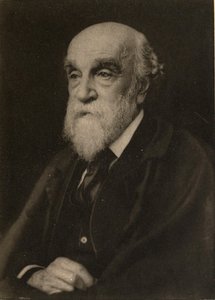
Admire Lowes Cato Dickinson’s 1890 portrait of James Anthony Froude. A dignified Victorian oil painting showcasing realism & subtle melancholy, capturing a moment in time.

Taiteilijan elämäkerta

Lowes Cato Dickinson (1819–1908) oli brittiläinen viktoriaaninen muotokuvaaja ja kristinuskon puolestapuhuja Pre-Raphaelit-taiteilijoiden vaikutuksen alla. Hän tunnettiin erityisesti työväen korkeakoulun perustamisesta sekä merkittävistä henkilökohtaisista muotokuvista viktoriaaniseen yhteiskuntaan kuuluisine henkilöiden keskuudessa.

from ·

Chapter 1

How large should it be?

Slide to change the size; the picture on the left shows the frame at its real width. The proportions of the original are kept.

Vakiokoko
räätälöity
CM
INCH

Valitse valmiista mitoistamme sellaiset, jotka vastaavat teoksen alkuperäisiä mittasuhteita.

leveys
korkeus

Kirjoita tarvitsemasi leveys ja korkeus, jotta teos sopii kehyksiisi tai seinällesi. Koska kyseessä on käsinmaalattu teos, taiteilija voi maalata hieman enemmän kuvan ympärille tai rajata sitä hieman, jos haluat eri muotoisen koon — valinta on sinun. Lähetämme sinulle digitaalisen mallikuvan hyväksyttäväksi ennen kuin maalaus alkaa. Tällä sivulla näkyvä kuva ei vastaa lopullista tulosta — vain mallikuva näyttää sen.

Chapter 2

How should it arrive?

Choose the edges of the stretched canvas

Choose your frame

Corner sample of the WhiteWrap canvas edge finish, stretched on massiivipuu bars
White €1
Corner sample of the BlurSideWrap canvas edge finish, stretched on massiivipuu bars
Blurside €1
Corner sample of the ExtendedWrap canvas edge finish, stretched on massiivipuu bars
Extended €1
Corner sample of the P118B picture frame: valettu polystyreeni, 5 cm wide and 3 cm thick
P118B €10
Corner sample of the P118H picture frame: valettu polystyreeni, 5 cm wide and 3 cm thick
P118H €10
Corner sample of the P118W picture frame: valettu polystyreeni, 5 cm wide and 3 cm thick
P118W €10
Corner sample of the P438Z picture frame: valettu polystyreeni, 5.5 cm wide and 3.5 cm thick
P438Z €10
Corner sample of the P508JH picture frame: valettu polystyreeni, 7 cm wide and 3.5 cm thick
P508JH €12
Corner sample of the P508YH picture frame: valettu polystyreeni, 7 cm wide and 3.5 cm thick
P508YH €12
Corner sample of the P805H picture frame: valettu polystyreeni, 5 cm wide and 3.5 cm thick
P805H €10
Corner sample of the P805Z picture frame: valettu polystyreeni, 5 cm wide and 3.5 cm thick
P805Z €10
Corner sample of the P919BZ picture frame: valettu polystyreeni, 7 cm wide and 3.5 cm thick
P919BZ €10
Corner sample of the P919G picture frame: valettu polystyreeni, 7 cm wide and 3.5 cm thick
P919G €10
Corner sample of the P919XJ picture frame: valettu polystyreeni, 7 cm wide and 3.5 cm thick
P919XJ €10
Corner sample of the P959ZH picture frame: valettu polystyreeni, 5 cm wide and 3 cm thick
P959ZH €10
Corner sample of the P968JZ picture frame: valettu polystyreeni, 6 cm wide and 4 cm thick
P968JZ €12
Corner sample of the W106C picture frame: massiivipuu, 5 cm wide and 3 cm thick
W106C €8
Corner sample of the W218G picture frame: massiivipuu, 5 cm wide and 3 cm thick
W218G €10
Corner sample of the W218JH picture frame: massiivipuu, 5 cm wide and 3 cm thick
W218JH €8
Corner sample of the W218Y picture frame: massiivipuu, 5 cm wide and 3 cm thick
W218Y €10
Corner sample of the W307PJ picture frame: massiivipuu, 6 cm wide and 3 cm thick
W307PJ €10
Corner sample of the W316G picture frame: massiivipuu, 6 cm wide and 3 cm thick
W316G €10
Corner sample of the W316PJ picture frame: massiivipuu, 6 cm wide and 3 cm thick
W316PJ €8
Corner sample of the W316Y picture frame: massiivipuu, 6 cm wide and 3 cm thick
W316Y €10
Corner sample of the W398PJ picture frame: massiivipuu, 5 cm wide and 3 cm thick
W398PJ €8
Corner sample of the W4111J picture frame: massiivipuu, 6.5 cm wide and 3.5 cm thick
W4111J €10
Corner sample of the W500HY picture frame: massiivipuu, 7 cm wide and 5 cm thick
W500HY €15
Corner sample of the W500JH picture frame: massiivipuu, 7 cm wide and 5 cm thick
W500JH €15
Corner sample of the W692G picture frame: massiivipuu, 8 cm wide and 4 cm thick
W692G €12
Corner sample of the W849H picture frame: massiivipuu, 5 cm wide and 3 cm thick
W849H €8
Corner sample of the W940BG picture frame: massiivipuu, 7.5 cm wide and 4.5 cm thick
W940BG €15
Corner sample of the W953PJ picture frame: massiivipuu, 6 cm wide and 3.5 cm thick
W953PJ €8
Corner sample of the H24-GOLD picture frame: kaiverrettua puuta ja gessoa, 10 cm wide and 6 cm thick
H24-GOLD €30
Corner sample of the H24-SILVER picture frame: kaiverrettua puuta ja gessoa, 10 cm wide and 6 cm thick
H24-SILVER €30
Corner sample of the H36-GOLD picture frame: kaiverrettua puuta ja gessoa, 15 cm wide and 6.5 cm thick
H36-GOLD €45
Corner sample of the H36-SILVER picture frame: kaiverrettua puuta ja gessoa, 15 cm wide and 6.5 cm thick
H36-SILVER €45
Kehyksen esikatselu
Kehystetty

Moulding: . Overall size with the frame: .

Chapter 3

Who paints it, and should anything change?

Examples of what can be changed: Replace face with customer photo; Add pet (e.g., replace cat with dog); Include hidden message in background; Change background landscape or elements.
After order, OriginalUniqueArt.com team will email client for instructions and provide a mockup preview

Maailmanlaajuinen toimitus () 3–4 viikossa tavallisen 5 viikon sijaan. (1 marraskuu). Laadusta ei tingitä.

Chapter 4

The finishing touches

A nameplate, as in a museum?

Kaiverretun pronssilaatan tiedot

This elegant plaque features the artist's name and the title of the artwork, finely engraved for a timeless presentation.

It is made from bronze with a refined, elegant finish. The text is precisely laser-engraved for a sharp and permanent result. Measuring 9x2 cm, the plaque is compact yet easy to read. It's built to be durable and scratch-resistant, offering a professional, museum-quality look. Mounting is simple thanks to the included adhesive backing.

Läpinäkyvän akryylilaatan tiedot

The plaque includes essential engraved details such as the artist's name, the title of the artwork, the date it was created, the type of media used-like oil on canvas or watercolor-a brief description of the piece, and a QR code that links to the complete artwork information.

It is crafted from clear acrylic, offering a sleek, modern appearance. The text is UV-engraved in black to ensure strong visual contrast. With a size of 10x15 cm, it ensures optimal readability. It comes equipped with two metal hooks for secure wall mounting. The plaque is designed to be weather-resistant, making it suitable for various environments, and it includes interactive features that work seamlessly with smartphone scanning.

Mustan akryylilaatan tiedot

This elegant plaque includes engraved information such as the artist's name, the title of the artwork, the date it was created, the type of media used (like oil on canvas or watercolor), a short description of the artwork, and a QR code for quick access to more information.

The plaque itself is made from refined black acrylic with a premium finish. The text is laser-engraved in white for high contrast and readability. Its size is 10x15 cm, designed to be easy to read. It comes with two metal hooks for professional mounting. The design is sleek and fits any interior style. It is also weather-resistant and durable, with built-in digital integration for mobile compatibility.

A protective varnish?

When do you need it?

Chapter 5

Your painting, as you ordered it

James Anthony Froude

Reproduktiotekniikka

Replikaatin koko

-

Kokenut huipputaiteilija

Lisää yksityiskohtia, hienostuneisuutta ja enemmän aikaa tuotantoon

-

Reproduktion kehystysvaihtoehdot

-

-

Teoksille tai reproduktioille, joiden mikä tahansa sivu on suurempi kuin 105 cm (noin 41 tuumaa), kehys toimitetaan osina purettuna sarjana. Tämä menetelmä varmistaa turvallisen toimituksen ja ehkäisee vaurioita kuljetuksen aikana.

Vaatii ammattimaista kokoamista – kyseessä ei ole tee-se-itse-tuote.
Sarja on koottava ja kangas kiristettävä kokeneen kehystysammattilaisen toimesta käyttäen puuliimaa (ei sisälly pakkaukseen), kangaspinnetteitä ja puristimia, jotta kehyksen kulmat pysyvät suorina liiman kuivuessa. Virheellinen kokoaminen tai epätasainen kankaan kiristys voi vaurioittaa teosta pysyvästi, eikä tällaiset vauriot ala takuun piiriin.

  • Kaikki massiivipuupalat sisältyvät, tarkasti mittojen mukaan leikattuina.

  • Kootaan mukana tulevilla ruuveilla sekä kulmaliitoksia varten tarvittavalla puuliimalla, jota ei toimiteta, joten se on hankittava kehystäjältä.

  • Vaatii ammattilaisvälineitä, jotka eivät sisälly pakkaukseen: kankaan venytyspihdit (kiristin) ja puristimet, joilla pidetään kehyksen puut suorassa liiman kuivuessa.

Tärkeää:
Kulmaliitoksissa tarvitaan puuliimaa, kehyksien osat on pidettävä puristimilla, kunnes liima on täysin kuivunut, ja koottuun kehykseen jännitettävän kankaan kiristämiseen tarvitaan kangaspenssipihti. Mikään näistä ei sisälly pakkaukseen. Suosittelemme varmistamaan kokeneen kehystäjän saatavuuden ennen tämän kokoisen kehyksen tilaamista.

Nimilaatta

-

-

Suojalakkaus

Kiiltävä lakka (syventää värejä, suojaa valolta ja kosteudelta)

-

Mukauta taideteokseni

Esimerkkejä muokattavista asioista: Vaihda kasvot asiakkaan omaan valokuvaan; Lisää lemmikki (esim. vaihda kissa koiraan); Lisää taustalle piilotettu viesti; Muuta taustan maisemaa tai elementtejä.

-

Pikatoimitus

Maailmanlaajuinen toimitus () 3–4 viikossa tavallisen 5 viikon sijaan. (1 marraskuu). Laadusta ei tingitä.

-

Pikatoimitus

Maailmanlaajuinen toimitus () 5 viikon kuluessa. (8 marraskuu).

Sisältyy hintaan

Kokonaishinta

€ 267

Kokonaishinta € 267

Lasivaihtoehto on saatavilla vain alle 110 cm kokoisille teoksille

Included with every order

  • Ilmainen pikatoimitus ympäri maailman
  • Korkealaatuinen pellavakangas
  • Kattava kuljetusvakuutus
  • Tulliveron palautustakuu
  • Takuu täydellisestä värien vastaavuudesta
  • 100 päivän palautusoikeus (vain valmistusvirheet)
  • 100% rahat takaisin -takuu
  • Määräalennus tarjolla

A Portrait of Reflection: James Anthony Froude by Lowes Cato Dickinson

Lowes Cato Dickinson’s 1890 portrait of James Anthony Froude is more than a simple likeness; it's a carefully constructed tableau of Victorian intellect and understated melancholy. The painting, housed within the hallowed halls of the University of Oxford, immediately draws the viewer in with its formal composition and rich palette – a testament to Dickinson’s mastery of oil paint and his ability to capture both physical presence and inner character.

Dickinson, a prominent figure in Victorian portraiture and a committed Christian socialist, was deeply embedded within the artistic and social currents of his time. His work often reflected these influences, as seen here in Froude’s dignified bearing and the subtle suggestion of contemplative thought. The painting wasn't merely commissioned; it felt like an attempt to immortalize a significant public figure, reflecting the esteem held for Froude’s historical writings and intellectual contributions.

The Anatomy of Form: Technique and Style

Dickinson’s technique is characterized by a meticulous attention to detail and a skillful manipulation of light and shadow. The portrait utilizes a one-point perspective, directing the viewer's gaze directly onto Froude’s face – an element that immediately establishes intimacy despite the formal setting. Notice how Dickinson builds up layers of paint to create texture in the fabric of Froude’s suit, subtly suggesting its weight and quality. The use of directional lighting, originating from the upper left, casts dramatic shadows across his features, emphasizing the lines of age and wisdom while simultaneously lending a sense of depth and volume.

The brushstrokes themselves are remarkably controlled, creating a smooth surface that reflects light beautifully. Dickinson’s choice of muted browns for the background provides a grounding element, preventing the focus from being solely on Froude himself. The overall effect is one of quiet dignity and restrained emotion – hallmarks of Dickinson's style.

Symbolism and Context: A Victorian Mind

Froude’s posture—slightly turned away, a hand resting loosely in his pocket—suggests a man lost in thought. He embodies the intellectual rigor of the late 19th century, grappling with complex historical questions and philosophical inquiries. The painting speaks to the era's fascination with history, morality, and the role of the individual within society – themes that were central to Froude’s own work.

Furthermore, the portrait is situated within a broader context of Victorian social reform movements. Dickinson was a staunch supporter of Christian socialism, advocating for improved working conditions and greater opportunities for the less fortunate. His decision to paint Froude, a prominent historian and public figure, could be interpreted as an attempt to elevate these ideals through artistic representation.

Emotional Resonance: A Glimpse into the Soul

Despite its formal presentation, “James Anthony Froude” possesses a profound emotional resonance. There’s a subtle melancholy in the subject's gaze, hinting at the weight of years and the complexities of human experience. The painting isn’t simply a record of appearance; it’s an invitation to contemplate the inner life of a man who shaped the intellectual landscape of his time. It is a poignant reminder of the enduring power of portraiture to capture not just likeness, but also spirit.

Kysymykset ja vastaukset

Voiko teoksen "James Anthony Froude" nähdä lisätyn todellisuuden (AR) esikatseluna?

Voit esikatsella teosta Lowes Cato Dickinson:n "James Anthony Froude" omalla seinälläsi käyttämällä lisättyä todellisuutta yhteensopivalla laitteella Tarkastele teosta AR-tilassa -sivun kautta.

Mitä tekniikkaa teoksessa "James Anthony Froude" on käytetty ja milloin se on luotu?

Teoksen Lowes Cato Dickinson:n "James Anthony Froude" tekniikka on Oil On Canvas, ja se on valmistettu vuonna 1890.

Kuinka kylläisiä Lowes Cato Dickinson:n "James Anthony Froude" -teoksen värit ovat?

Teoksen Lowes Cato Dickinson:n "James Anthony Froude" värikylläisyys on Subtle Color.

More about this painting

Esikatselu Esikatsele AR-tilassa Vaihda tulosteeseen Siirry digitaaliseen kuvaan Jaa teos
Tiedot Opas Lisää suosikkeihin Lataa kuva Samanlaisia kohteita Röntgenkuvaus Diaesitys Q&A Tilastot

In numbers

  • 1890the year it was painted
  • 29frames to choose from
  • standard sizes, in its own proportions
  • 5weeks to paint and deliver it
Lowes Cato Dickinson

Lowes Cato Dickinson

1819 - 1908, Iso Britannia

Quick facts about Lowes Cato Dickinson

  • Artistic Movement Or Style: Pre-Raphaelite
  • Artists Or Movements Influenced By This Artist: ['Christian Socialism']
  • Artists Who Influenced This Artist:
    • John Ruskin
    • Dante Gabriel Rossetti
  • Date Of Birth: November 27, 1819
  • Date Of Death: 1908
  • Full Name: Lowes Cato Dickinson
  • Nationality: Brittiläinen
  • Notable Artworks:
    • Gladstone's Cabinet (1868)
    • Gordonin kuva
  • Place Of Birth: Kilburn, United Kingdom

Taiteilijan elämäkerta

A Life Etched in Portraits: The World of Lowes Cato Dickinson

Lowes Cato Dickinson, born in Kilburn, London, in 1819, was a figure deeply embedded within the artistic and social currents of Victorian England. Coming from a family intimately connected to the art world—his father, Joseph Dickinson, being a respected lithographer and publisher on Bond Street—Dickinson’s path seemed preordained. Yet, his journey wasn't merely one of inheritance but of active engagement with the evolving aesthetic sensibilities and progressive social movements of his time. One of eleven siblings, he received his early education at Topsham School and Dr Lord's School in Tooting, grounding him in a solid foundation before fully immersing himself within the family business following his father’s death in 1849. He then joined forces with his brothers, Gilbert Bell Dickinson and William Robert Dickinson, to continue the legacy of Dickinson Brothers on Bond Street, a firm that quickly became synonymous with quality art publishing and photography. This early exposure wasn't simply about commerce; it was an apprenticeship in visual culture, shaping his eye for detail and composition—qualities that would define his later work as a portraitist.

The Pre-Raphaelite Circle and the Call of Social Reform

Dickinson’s artistic development took a significant turn with a three-year sojourn in Italy around 1850. This period proved formative, exposing him to the masterpieces of the Renaissance and influencing his evolving style. Upon his return to England, he found himself drawn into the orbit of the Pre-Raphaelite Brotherhood. Though not a formal member, Dickinson engaged in correspondence and collaboration with key figures like Dante Gabriel Rossetti and John Ruskin, absorbing their emphasis on truth to nature and emotional intensity. He even lectured alongside them, solidifying his position within this influential artistic milieu. This association wasn’t purely aesthetic; it was intertwined with a burgeoning sense of social responsibility. Dickinson became deeply involved in the Christian socialist movement, a group advocating for social justice through the lens of faith. His commitment manifested most concretely in 1854 with the co-founding of the Working Men's College in London. This institution, dedicated to providing accessible education to working-class individuals, was a testament to his belief in the transformative power of knowledge and a reflection of his desire to bridge social divides. The presence of Ford Madox Brown, who worked for Dickinson Brothers, further underscores his connection to this vibrant artistic and intellectual network. He championed the idea that art should serve as a catalyst for societal betterment—a conviction that underpinned his lifelong dedication to fostering intellectual curiosity and promoting ethical values.

A Portraitist of Victorian Society

Dickinson’s skill lay not in grand historical narratives or dramatic allegories but in capturing the essence of his sitters—the prominent figures who shaped British society. He painted Queen Victoria herself, members of Parliament, leading scientists like Arthur Cayley and James Clerk Maxwell, and fervent Christian socialists such as Charles Kingsley and Thomas Hughes. He developed a remarkable technique, often focusing solely on rendering the faces of his subjects with meticulous detail, leaving the depiction of clothing and accessories to other artists. This collaborative approach allowed him to concentrate on conveying personality and character through nuanced facial expressions and subtle shading. Perhaps one of his most celebrated achievements was the 1868 cabinet portrait of Mr. Gladstone—a work that offers a fascinating glimpse into the inner workings of British politics. He meticulously studied anatomy and light, striving for an unparalleled level of realism. His portraits weren’t merely representations; they were windows into the souls of their subjects, imbued with warmth, dignity, and psychological insight.

Notable Achievements and Legacy

Dickinson regularly exhibited portraits at the Royal Academy from 1848 to 1891, missing only the years 1849, 1853, and 1884. Among his numerous subjects were Princess Alice, Lord Napier of Magdala, Sir Henry Norman, George Grote, Viscount Goschen, Sir Henry Maine, Prof. Edmund Lushington, Sir Arthur Helps, Professor Cayley, Sir George Gabriel Stokes, Professor Clerk Maxwell, Dean Stanley (now at Rugby), Mr. Gladstone's cabinet in 1872 (now in the Devonshire club), Mr. Gladstone, Lord Cairns, Lord Palmerston, *Sir Granville*, *John Bright,* and Quintin Hogg. His striking posthumous portrait of General Gordon at Khartoum hangs in the dining-hall of the Gordon Boys’ Home—a testament to his enduring fascination with heroism and resilience. Many of his portraits hang in college halls at Cambridge, and those marked with an asterisk have been engraved. He had an almost unique gift for posthumous portraiture in crayons—a technique he perfected to capture subtle nuances of expression that would otherwise be lost. Dickinson’s life embodies a fascinating confluence of artistic talent, social conscience, and intellectual curiosity. He wasn't merely a painter of portraits; he was a chronicler of his time—a visual historian who captured the spirit of an era defined by both progress and profound societal challenges. His legacy endures not only in the images he created but also in the institutions he helped build, continuing to inspire generations with their commitment to education, social justice, and the power of art.

Pikaista tietoa

  • Location: University of Oxford
  • Medium: Oil on canvas
  • Influences: Victorian painting
  • Dimensions: 76 x 64 cm
  • Title: James Anthony Froude

Taidevisat

Jokaisessa kysymyksessä on vain yksi oikea vastaus.

Kysymys 1:
What is the primary subject depicted in James Anthony Froude - Lowes Cato Dickinson?
Kysymys 2:
In what year was the painting 'James Anthony Froude' created?
Kysymys 3:
Who is the artist responsible for painting 'James Anthony Froude'?
Kysymys 4:
The image description mentions directional lighting. What effect does this create in the portrait?
Kysymys 5:
Based on the artist's biography, what was Lowes Cato Dickinson primarily known for besides portrait painting?