Berlin Secession · 1900
Salome, Second Version (Lovis Corinth, 1900)
Lovis Corinth (1858–1925) on luonut teoksen Salome, Second Version. Se on peräisin vuodelta 1900. Se kuuluu Berlin Secession-liikkeeseen. Se on valmistettu materiaalilla Acrylic On Canvas. Teos sijaitsee Museum der bildenden Künste -museossa paikassa Leipzig, Saksa. Mitat ovat 127 × 148 cm.
- 1900
- Acrylic On Canvas
- 127 × 148 cm
- Museum der bildenden Künste, Leipzig

 Esikatselu

 Käsinmaalattu öljymaalaus
 Jaa teos
 Jaa
 Teostiedot


 Lataa kuva
 Samanlaisia kohteita
 Röntgenkuvaus
 Diaesitys
 Kysymykset ja vastaukset

 Tilastot
Salome, Second Version lyhyesti
- Teoksen nimi
- Salome, Second Version
- Taiteilija
- Lovis Corinth (1858–1925)
- Taiteilijan syntymäpaikka
- Gvardeisk, Venäjä
- Päivämäärä
- 1900
- Tekniikka
- Acrylic On Canvas
- Mitat
- 127 × 148 cm
- Missä teos on nähtävissä
- Museum der bildenden Künste, Leipzig, Saksa
- Taidesuuntaus
- Berlin Secession
- Aikakausi
- 19th Century
- Aihe
- salome, herodias, dance, tragedy, execution, biblical
Mitä Salome, Second Version esittää?
A Descent into Shadow and Desire: Lovis Corinth’s ‘Salome, Second Version’
Lovis Corinth's “Salome, Second Version,” painted in 1900, isn’t merely a depiction of the biblical tale; it’s a visceral exploration of power, betrayal, and the unsettling allure of darkness. This arresting canvas, currently residing within the Museum der Bildenden Künste in Leipzig, immediately commands attention with its dramatic composition and intensely expressive palette. Corinth, a pivotal figure bridging Impressionism and Expressionism, masterfully eschews traditional romanticism, instead presenting a Salome far removed from the idealized figures of earlier portrayals. Instead of a passive object of desire, she emerges as a complex, almost defiant presence – a woman caught in the throes of her own ambition and haunted by the consequences of her actions.
The painting’s genesis lies within the turbulent artistic landscape of early 20th-century Berlin. Corinth, having moved there from Munich, found himself at the heart of a vibrant, often contentious, art scene. The Secession group, with its emphasis on freedom and innovation, provided a fertile ground for his evolving style. “Salome” reflects this period’s fascination with psychological depth and emotional intensity – a departure from the polished surfaces of academic painting. Corinth deliberately chose to revisit the legend, not as a straightforward narrative illustration, but as an opportunity to delve into the character's inner turmoil and the moral ambiguity at the heart of the story.
The Dance and its Discontents: Technique and Composition
Corinth’s technique is immediately striking. He employs a bold, almost frenetic brushstroke – thick impasto applied with visible energy – that imbues the canvas with a sense of movement and urgency. The colors are rich and saturated, dominated by deep reds, purples, and blacks, creating an atmosphere of dramatic intensity. The composition itself is carefully constructed to draw the viewer into the scene. Salome, positioned centrally, dominates the foreground, her body tilted forward in a pose that suggests both vulnerability and calculated seduction. The figures surrounding her – the servant bearing the head, the watchful woman with the fan, and the shadowy men – are rendered with varying degrees of detail, contributing to the painting’s overall sense of unease and disorientation.
- Brushwork: Thick, expressive strokes create a dynamic and unsettling effect.
- Color Palette: Dominated by deep reds, purples, and blacks, evoking drama and shadow.
- Composition: Salome is centrally positioned, drawing the viewer's eye and emphasizing her role as the focal point of the scene.
Symbolism and Interpretation: A Portrait of Moral Ambiguity
Beyond the literal depiction of the biblical story, “Salome” is laden with symbolic meaning. The dance itself represents a dangerous allure – a seductive invitation to transgression. The severed head on the platter isn’t simply a gruesome trophy; it's a potent symbol of ambition and the destructive consequences of unchecked desire. Corinth deliberately avoids offering a clear moral judgment, instead presenting a complex portrait of a woman driven by both her own desires and the manipulative influence of her mother. The inclusion of the fan-bearing woman, often interpreted as Herodias, adds another layer of intrigue, suggesting a conspiracy at play – a deliberate orchestration of events that leads to John the Baptist’s demise.
Furthermore, the painting can be viewed through the lens of the burgeoning feminist movement of the time. Salome's defiant gaze and her unapologetic embrace of her sexuality challenged traditional notions of female virtue and presented a powerful image of female agency – albeit one ultimately consumed by tragedy. Corinth’s decision to portray her as a figure of both beauty and menace reflects the complex and often contradictory attitudes towards women in early 20th-century society.
Emotional Resonance: A Timeless Exploration of Human Darkness
“Salome, Second Version” continues to resonate with viewers today because it taps into fundamental human emotions – desire, betrayal, guilt, and the haunting awareness of our own mortality. Corinth’s masterful use of color, composition, and symbolism creates a painting that is both visually arresting and psychologically profound. It's not a comfortable image; it confronts us with the darker aspects of human nature and reminds us that even in moments of apparent beauty and pleasure, there can be a lurking sense of unease and impending doom. Reproductions of this powerful work offer a glimpse into Corinth’s artistic genius and provide an opportunity to contemplate the timeless themes explored within its shadowed depths.
Missä museossa teos Salome, Second Version sijaitsee?
Museum der bildenden Künste
Leipzig, Saksa
Aikaan taottu perintö: Leipzigin taiteellisen sydämen sielu Saksassa, Saksin eläväisessä kulttuurimaisemassa, sijaitsee instituutti, joka on paljon enemmän kuin pelkkä mestariteosten säilytyspaikka; se on elävä todistus ihmisen selviytymiskyvystä ja luovuuden kestävästä voimasta. Leipzigin Museum der bildenden Künste (MdbK) tiivistää seitsemän vuosisataa taiteellista pyrkimystä, kutomalla tarinaa, joka ulottuu myöhäiskeskiajalta nykytaiteen kokeellisimpiin muotoihin. Vuonna 1837 Leipzigin taideyhdistyksenä perustettu museon matka on ollut syvän transformaation polku, jota ovat leimanneet tuhon varjot ja uudestisyntymisen loisto.


Salome, Second Version korkearesoluutioiset kuvat
Tekijänoikeudet: teos on vapaasti käytettävissä, taiteilija kuoli vuonna 1925.
Lovis Corinth, Salome, Second Version (1900), Museum der bildenden Künste. Tekijänoikeudet vapaat.
Kysymyksiä teoksesta Salome, Second Version ja vastauksia niihin
Missä teosta Lovis Corinth:n "Salome, Second Version" voidaan tällä hetkellä nähdä?
Voit nähdä alkuperäisteoksen "Salome, Second Version" kohteessa Museum der bildenden Künste, Leipzig, Saksa.
Milloin teos Lovis Corinth:n "Salome, Second Version" on luotu?
Lovis Corinth:n "Salome, Second Version" on luotu vuonna 1900.
Millä tekniikalla "Salome, Second Version" on tehty?
Lovis Corinth käytti teoksessa "Salome, Second Version" Acrylic On Canvas-tekniikkaa. Tekniikka määrittelee alkuperäisen teoksen materiaalisen luonteen.
Mitkä ovat alkuperäisen "Salome, Second Version" mitat?
Alkuperäisen teoksen Lovis Corinth:n "Salome, Second Version" mitat ovat 127 x 148 cm.
Mitä aiheita teoksessa Lovis Corinth:n "Salome, Second Version" esiintyy?
Teoksen Lovis Corinth:n "Salome, Second Version" teemoihin kuuluvat salome, herodias, dance, tragedy, execution, biblical, figures. Yhdessä ne tiivistävät teoksen aiheen.
Onko teos "Salome, Second Version" tekijänoikeusvapaa?
Lovis Corinth:n "Salome, Second Version" on vapaasti käytettävissä – tekijänoikeussuoja on päättynyt. Tämä tila määrittää, miten teoksen kuvaa saa käyttää uudelleen.
Kuka on teoksen "Salome, Second Version" taiteilija?
Teos "Salome, Second Version" on yhdistetty Lovis Corinth.
Mihin taidesuuntaukseen Lovis Corinth:n "Salome, Second Version" kuuluu?
Teoksen Lovis Corinth:n "Salome, Second Version" tyylisuunta on Berlin Secession. Tämä luokittelu sijoittaa teoksen muiden samankaltaisten taiteilijoiden ja teosten joukkoon.
Mihin kohtaan Lovis Corinth uraa teos "Salome, Second Version" sijoittuu?
Lovis Corinth'n uralla teos "Salome, Second Version" sijoittuu aikakaudelle Berlin Secession Era. Tämä vaihe auttaa vertaamaan sitä taiteilijan muihin teoksiin.
Tietoa taiteilijasta, Lovis Corinth

1858–1925, Venäjä
Lovis Corinth
A Life Forged in Paint: The World of Lovis Corinth Lovis Corinth, syntymänimi Franz Heinrich Louis, syntyi 21. heinäkuuta 1858 Tauwadenissa, Alppien pohjoisosassa Hollannissa. Hänen varhaisensa elämänsä oli kaukana suurista taiteellisista ihanteista; isänsä toimi tannerin apuna maaseudulla, ja hän kasvoi lähellä luonnon raakaa kauneutta ja fyysisen työn vaatimuksia. Alkuperäinen nimensä oli Louis, mutta hän valitsi myöhemmin taiteellisen nimen Lovis, joka kuvastaa hänen haluaan erottua ja ilmaista itsensä ainutlaatuisesti.
Tietoa taiteilijasta Lovis Corinth Lovis Corinthn merkittävimmät teokset
Myös Lovis Corinth -teoksia
 Tuhlaushallissa1893
 Wilhelmine kanssa pallo1915
 Portrait of the Painter Paul Eugène Gorge1908
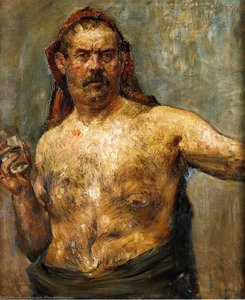 Self Portrait with a Glass1907
Esseitä teoksesta Salome, Second Version
 Lovis Corinth: Bridging Impressionism & Expressionism – A Study of Artistic EvolutionExplore the fascinating artistic journey of Lovis Corinth, a pivotal figure bridging Impressionism & Expressionism. Discover his evolution,…
 The Soul of the Brushstroke: Why Textured Impasto Defines the Magic of Impressionist MasterpiecesDiscover the tactile magic of Impressionism. Explore how the impasto technique breathes life into masterpieces through texture and light. E…
 Unveiling the Dreamer: The 25 Most Iconic Masterpieces by Gustave MoreauStep into the dreamlike world of Gustave Moreau. Explore 25 iconic Symbolist masterpieces, from mythic legends to opulent textures. Find in…