

 Katso seinällä
 Lähetä
 Jaa
Jaa
 Tarkemmat tiedot
 Opas
Opas

 Lataa kuva
 Samanlaisia kohteita
 Röntgenkuvaus
 Diaesitys
 Tilastot
Portrait of Herbert Eulenberg
 Oil On Canvas
- WallArt
- German Expressionism
 1918
1918- Modern
 71.0 x 50.0 cm
 Museum Kunstpalast
 Lue lisää
Käsinmaalattu öljyvärinen jäljennös
Käsinmaalattu öljyväri kankaalle haluamassasi koossa ja kehyksissä, taiteilijoidemme valmistamana tilauksesta. ( Vaihda tulosteeseen Siirry digitaaliseen kuvaan)




P118B €10

P118H €10

P118W €10

P438Z €10

P508JH €12

P508YH €12

P805H €10

P805Z €10

P919BZ €10

P919G €10

P919XJ €10

P959ZH €10

P968JZ €12

W106C €8

W218G €10

W218JH €8

W218Y €10

W307PJ €10

W316G €10

W316PJ €8

W316Y €10

W398PJ €8

W4111J €10

W500HY €15

W500JH €15

W692G €12

W849H €8

W940BG €15

W953PJ €8




Valitse valmiista mitoistamme sellaiset, jotka vastaavat teoksen alkuperäisiä mittasuhteita.

Voit syöttää omat mitat sopimaan tiettyyn kehykseen tai tilaan. Jos valitsemasi koko ei vastaa alkuperäisen kuvan mittasuhteita, rajaamme taideteoksen tai jatkamme maalausta käsin maalatuilla elementeillä. Digitaalinen esikatselu lähetetään hyväksyttäväksi ennen tuotannon aloittamista.
Huomioithan, että näytöllä oleva esikatselu ei vastaa todellista rajausta tai jatkamista. Vain digitaalinen mallikuva näyttää lopullisen sommittelun tarkasti.
Vaikka mittatilaustyöt ovat mahdollisia, suosittelemme valitsemaan mitan ennalta määritetystä listasta alkuperäisten mittasuhteiden säilyttämiseksi.
Tilauksen jälkeen OriginalUniqueArt.com -tiimi lähettää asiakkaalle sähköpostitse ohjeet ja esikatselukuvan.
Maailmanlaajuinen toimitus () 3–4 viikossa tavallisen 5 viikon sijaan. (11 lokakuu). Laadusta ei tingitä.

Ilmainen pikatoimitus ympäri maailman

Korkealaatuinen pellavakangas

Kattava kuljetusvakuutus

Tulliveron palautustakuu

Takuu täydellisestä värien vastaavuudesta

100 päivän palautusoikeus valmistusvirhetapauksissa

100% rahat takaisin -takuu

Määräalennus saatavilla
 Lasivaihtoehto on saatavilla vain alle 110 cm kokoisille teoksille

Portrait of Herbert Eulenberg
Reproduktiotapa
Replikaatin koko
-


Kokonaishinta
€ 259
A Gaze Through the Veil of Expressionism
In the quiet intensity of Lovis Corinth’s "Portrait of Herbert Eulenberg," we encounter more than just a likeness; we enter a psychological landscape sculpted by light and shadow. Completed in 1918, this masterpiece serves as a profound window into the soul of a man and the turbulent era that shaped him. The subject, captured in a moment of heavy, downward contemplation, sits enveloped by a textured atmosphere that seems to vibrate with unspoken thoughts. Corinth, a master who bridged the gap between the delicate luminosity of Impressionism and the raw, visceral energy of Expressionism, utilizes his brush to create a surface where every stroke carries emotional weight. The man’s gaze, averted from the viewer, invites us not to observe him, but to feel the weight of his melancholy, making the painting an intimate encounter with the human condition.
The technique employed in this work is nothing short of transformative. Eschewing the polished, idealized surfaces of academic tradition, Corinth embraces a deliberate distortion that amplifies the subject's inner turmoil. Through the masterful application of oil on canvas, he builds layers of muted tones and bold, energetic brushwork that lend the piece an incredible tactile complexity. The interplay of light across the man’s features—the subtle highlights on his glasses and the deep, somber shadows of his suit—creates a sense of three-dimensional presence that is both grounded and ethereal. For the discerning collector or interior designer, this painting offers a sophisticated depth; its textured surface catches the light in ways that bring a dynamic, living energy to any curated space.
The Echoes of a Turbulent Era
To understand the gravity of this portrait, one must look toward the historical currents flowing through Germany during the waning years of the Weimar Republic. The painting is steeped in the anxieties and uncertainties of a society in flux. As the old world crumbled, the Expressionist movement emerged as a powerful reaction against superficiality, seeking instead to expose the raw, often painful truths of existence. Corinth’s style, which loosened significantly following a personal stroke in 1911, perfectly mirrors this societal shift toward emotional honesty and psychological depth. The portrait of Eulenberg becomes a symbol of this era—a moment of stillness caught amidst the encroaching chaos of the early 20th century.
For those seeking to adorn a home or gallery with art that inspires profound reflection, this reproduction offers an unparalleled opportunity. It is a piece that demands attention through its quietude rather than through clamor. The muted palette and somber subject matter provide a grounding element in modern decor, acting as a focal point of intellectual and emotional sophistication. Whether placed in a sunlit study or a moody, dimly lit library, the "Portrait of Herbert Eulenberg" brings with it a legacy of German Modernism, offering a timeless connection to the spirit of artistic evolution and the enduring power of the human gaze.
Kysymykset ja vastaukset
Mitä tekniikkaa teoksessa "Portrait of Herbert Eulenberg" on käytetty ja milloin se on luotu?
"Portrait of Herbert Eulenberg" on valmistettu vuonna 1918 käyttäen Oil On Canvas-tekniikkaa. Materiaali ja päivämäärä kertovat, miten ja milloin alkuperäisteos on tehty.
Kuinka voimakkaita värit teoksessa Lovis Corinth:n "Portrait of Herbert Eulenberg" ovat?
Teoksen "Portrait of Herbert Eulenberg" väri-intensiteetti on Balanced. Intensiteetti kuvaa värien voimakkuutta.
Mitä tunnetta Lovis Corinth:n "Portrait of Herbert Eulenberg" välittää?
Lovis Corinth:n "Portrait of Herbert Eulenberg" välittää Reflective tunteen yleisessä Calm tunnelmassa.
Missä ja mihin tarkoitukseen "Portrait of Herbert Eulenberg" suositellaan?
"Portrait of Herbert Eulenberg" on suositeltava Accent-tarkoitukseen, ja suositeltu tila teokselle on Living Room.
Milloin "Portrait of Herbert Eulenberg" on tehty?
"Portrait of Herbert Eulenberg" on peräisin vuodelta 1918. Teos sijoittuu Lovis Corinth uran ja aikakauden kontekstiin.
Kuka on teoksen "Portrait of Herbert Eulenberg" taiteilija?
Teoksen "Portrait of Herbert Eulenberg" taiteilija on Lovis Corinth. Teos on luetteloitu Lovis Corinth nimellä.
Kuinka vanha Lovis Corinth oli tehdessään "Portrait of Herbert Eulenberg"?
Kun "Portrait of Herbert Eulenberg" luotiin vuonna 1918, Lovis Corinth (syntynyt 1858) oli 60 vuotias.
Taiteilijan elämäkerta
A Life Forged in Paint: The World of Lovis Corinth
Lovis Corinth, syntymänimi Franz Heinrich Louis, syntyi 21. heinäkuuta 1858 Tauwadenissa, Alppien pohjoisosassa Hollannissa. Hänen varhaisensa elämänsä oli kaukana suurista taiteellisista ihanteista; isänsä toimi tannerin apuna maaseudulla, ja hän kasvoi lähellä luonnon raakaa kauneutta ja fyysisen työn vaatimuksia. Alkuperäinen nimensä oli Louis, mutta hän valitsi myöhemmin taiteellisen nimen Lovis, joka kuvastaa hänen haluaan erottua ja ilmaista itsensä ainutlaatuisesti. Taide kiinnosti häntä jo nuorena, ja hän aloitti opintonsa Königsbergin akatemiassa vuonna 1876, mutta pian huomasi, että perinteinen akateeminen koulutus ei täyttäisi hänen taiteellisia tavoitteitaan. Seuraava vaihe oli matkustaminen – Müncheniin, Antwerpeniin ja lopulta Pariisiin, jokainen kaupunki tarjoten uusia näkökohtia ja vaikutteita. Münchenissä hän omaksui Ludwig von Löfftzin tarkkaan havaintoihin perustuvan realismin, hioen taitojaan ja oppien teknisiä yksityiskohtia. Antwerpen paljasti Rubensin dramaattisen barokin voiman, kun taas Pariisi esitteli Impressionismin nousun, vaikka hänen alkuinen vastauksensa oli enemmänkin varovaisuutta kuin suoraa omaksumista.From Naturalism to a Synthesis of Styles
Corinthin taiteellinen kehitys ei ollut dramaattisia mullistuksia, vaan pikemminkin asteittaista sisäänsovittamista ja monien vaikutteiden yhdistelmää. Hänen varhaisimmillaan hänen teoksensa olivat vahvasti naturalisteja, heijastaen aikakauden vallitsevia akateemisia standardeja. Teokset kuten "Tuhkaholissa" (1878), jossa kuvataan eläinten ruumiita raa’alla realismilla, osoittavat tätä sitoutumista tarkkaan esitykseen, mutta jo tässäkin teoksessa alkaa paljastua tunteellinen intensiteetti. Aihe itse – synkkä ja vatsaa käännyttävä – vihjaa valmiudesta kohdata epämiellyttäviä totuuksia, piirre, joka myöhemmin korostui hänen työssään. Hän oli kiinnostunut tutkimaan ihmisen psyykeä ja tunteita, eikä pelkästään ulkoista kuvaa. Matka Pariisiin avasi hänen silmiään Impressionismin mahdollisuuksille, mutta hän ei heti omaksunut liikettä täysin. Sen sijaan hän yhdisti impressionististen tekniikoiden kirkkaan värin ja hetkellisen valon kanssa oman, saksalaisen näkökulmansa. Tämä synteesi teki hänestä silta Impressionismin ja Expressionismin välillä – kahteen taidemaailman suuntaan, jotka määrittivät varhaisen 20-luvun taiteen. Hän ei pelkästään kopioinut tai jäljittänyt muiden taiteilijoiden tyyliä, vaan kehitti oman ainutlaatuisen ilmaisutavan.A Master of Portraiture and Landscape
Corinthin taiteellinen ura kukoisti monipuolisesti eri genreissä – hän maalasi bibliaattisia kohtauksia, myyttisiä kuvioita ja maisemia. Hän oli erityisen tunnettu muotokuvistaan, joissa ei ollut kyse pelkästään fyysisestä ulkonäöstä, vaan pyrkimyksestä tulkita ihmisten sisäelämää hienovaraisten eleiden, ilmeikkäiden silmien ja huolellisesti harkittujen komposiitien avulla. Hänellä oli poikkeuksellinen kyky välittää hahmojen persoonallisuutta ja tunteita yllättävän tehokkaasti. Samoin hänen maisemamaalauksensa eivät olleet vain maiseman kuvauksia, vaan luontoa kohtaan tuntemaa tunnetta. Walchensee-järven alue Baijerissa inspiroi häntä suuresti, tarjoten hänelle lukuisia motiiveja, joita hän tutki usein myöhemmissä vuosissaan. Nämä maalaukset ovat tunnistettavissa kirkkaista väreistään, dynaamisesta siveltimestä ja siitä raa’asta energiasta, joka heijasti hänen omaa intohimoista suhtautumistaan luontoon. Hän ei ollut kiinnostunut idyllisistä maisemista; hän pyrki vangitsemaan luonnon villiä voimaa ja sisäänrakennettua draamaa.Tragedy, Resilience, and Lasting Legacy
Corinthin elämässä oli merkittävä käännekohta – 1911, jolloin hän sai aivohalvauksen, joka aiheutti puoleltaan toimintakyvyn menetyksen. Tämä tapahtuma uhkasi lopettaa hänen uransa. Uskomattoman päättäväisyyden ja vaimonsa Charlotte Berend-Corinthin tuen ansiosta hän kuitenkin oppi maalaamaan uudelleen, sopeutuen fyysisiin rajoituksiinsa ja kehittäen jopa intensiivisemmän ilmaisutavan. Tämä aika merkitsi taiteellisessa kehityksessä käännekohtaa, sillä hänen maalauksensa muuttuivat rohkeammiksi, tunteellisemmiksi ja dramaattisimmiksi. Hän omaksui löysemmän siveltimen käytön ja kirkkaammat värit, ennustaen monia tyylivaikutuksia, jotka määrittelivät Expressionistista taidetta. Corinth oli merkittävä taiteilija, joka vaikutti moniin nuoriin taiteilijoihin. Hänestä tuli tunnettu myös taideopettajana ja taiteellisen ajattelun kirjoittajana.Key Works & Their Significance
- Tuhkaholissa (1878): Raakaa realismia eläinten ruumiiden kuvaamisessa, joka osoittaa Corinthin varhaista taitoa ja valmiutta kohdata epämiellyttäviä aiheita.
- Itseportraitit (useita vuosia): Itseportraitsarjakehityksen seuraus, joka tarjoaa kiehtovan kuvan taiteilijan itsensä kehityksestä ja tyylistä.
- Nainen hattuna (1906): Yhdistää klassisia motiiveja impressionistisiin tekniikoihin luoden aistikkaan ja psykologisesti vaikuttavan muotokuvan.
- Walchensee-sarja (useita vuosia): Maisemamaalauksia Walchensee-järven alueelta, jotka ovat tunnettuja kirkkaista väreistään, dynaamisesta siveltimestä ja tunteellisen voimakkuutensa.
- Viimeinen itseportraatti (1924): Maalaus lähellä kuolemaa, joka on koskettava todiste taiteilijan päättäväisyydestä ja ihmisluonnon kestävyydestä.

Lovis Corinth
1858 - 1925 , Saksa
Tietoa taiteilijasta
- Artistic Movement Or Style: Impressionismi & Ekspressionismi
- Artists Or Movements Influenced By This Artist: ['Ekspressionismi']
- Artists Who Influenced This Artist:
- Courbet
- Rubens
- Date Of Birth: 21.7.1858
- Date Of Death: 17.7.1925
- Full Name: Franz Heinrich Louis Corinth
- Nationality: Saksa
- Notable Artworks:
- In Slaughterhouse
- Itseportraitit
- Nainen hattu
- Place Of Birth: Tauwade, Alankomaat
Aiheeseen liittyvät artikkelit

Oil on Canvas: A Historical & Technical Exploration of a Timeless Artistic Medium
Explore the rich history & enduring techniques of oil painting on canvas. Discover the science behind its longevity, conservation practices, and contemporary relevance. Expert insights for art enthusiasts.

The Enduring Power of Painting: A Historical & Contemporary Exploration of Form and Emotion
Explore the rich history & enduring techniques of oil painting with OriginalUniqueArt. Discover masterpieces, learn about art collecting, and find authentic handmade reproductions crafted by skilled artists.
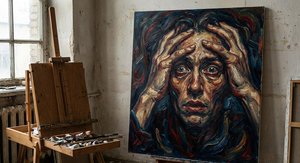
Figurative Expressionism: Emotional Intensity & Subjective Reality in 20th-Century Art
Explore the powerful world of Figurative Expressionism with OriginalUniqueArt. Discover key artists like Kirchner & Beckmann, understand its emotional depth, and learn how to collect this influential 20th-century art movement.

The Enduring Legacy of Oil on Canvas: Technique, History & Aesthetic Impact
Explore the rich history & techniques of oil painting – from Renaissance masters to Impressionism. Discover pigments, layering methods, and why this timeless medium endures. Expert insights for artists & art enthusiasts.

Lovis Corinth: Bridging Impressionism & Expressionism – A Study of Artistic Evolution
Explore the fascinating artistic journey of Lovis Corinth, a pivotal figure bridging Impressionism & Expressionism. Discover his evolution, key works, and lasting impact on modern art with OriginalUniqueArt.


